menu

Water Stains on Ceiling or Walls in San Jose – Expert Diagnosis and Permanent Leak Repair

Heritage Plumbing San Jose finds the hidden water source behind brown spots on ceiling and yellow water marks before they destroy your home's structure, air quality, and value.

Slider Image 1
Slider Image 2
Slider Image 3
Slider Image 4
Slider Image 5
Slider Image 7
Slider Image 8
Slider Image 9
Slider Image 10
Slider Image 11

Why San Jose Homes Develop Ceiling Discoloration and Moisture Stains

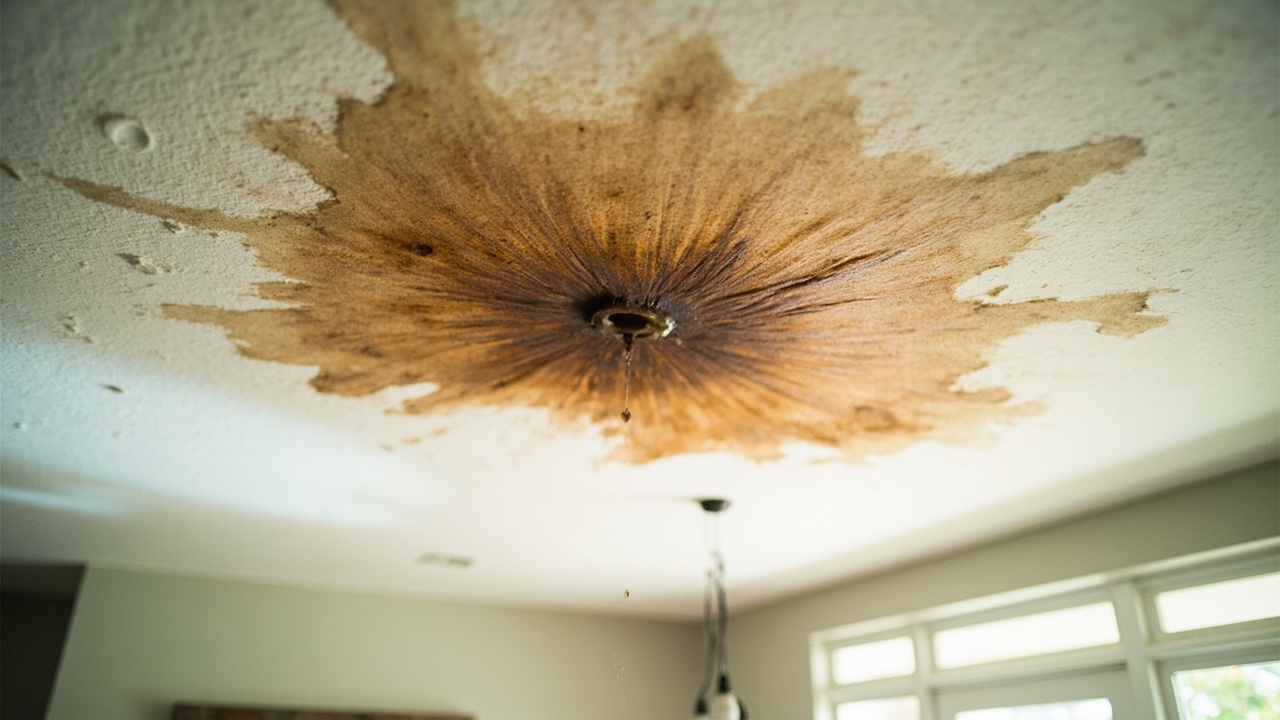
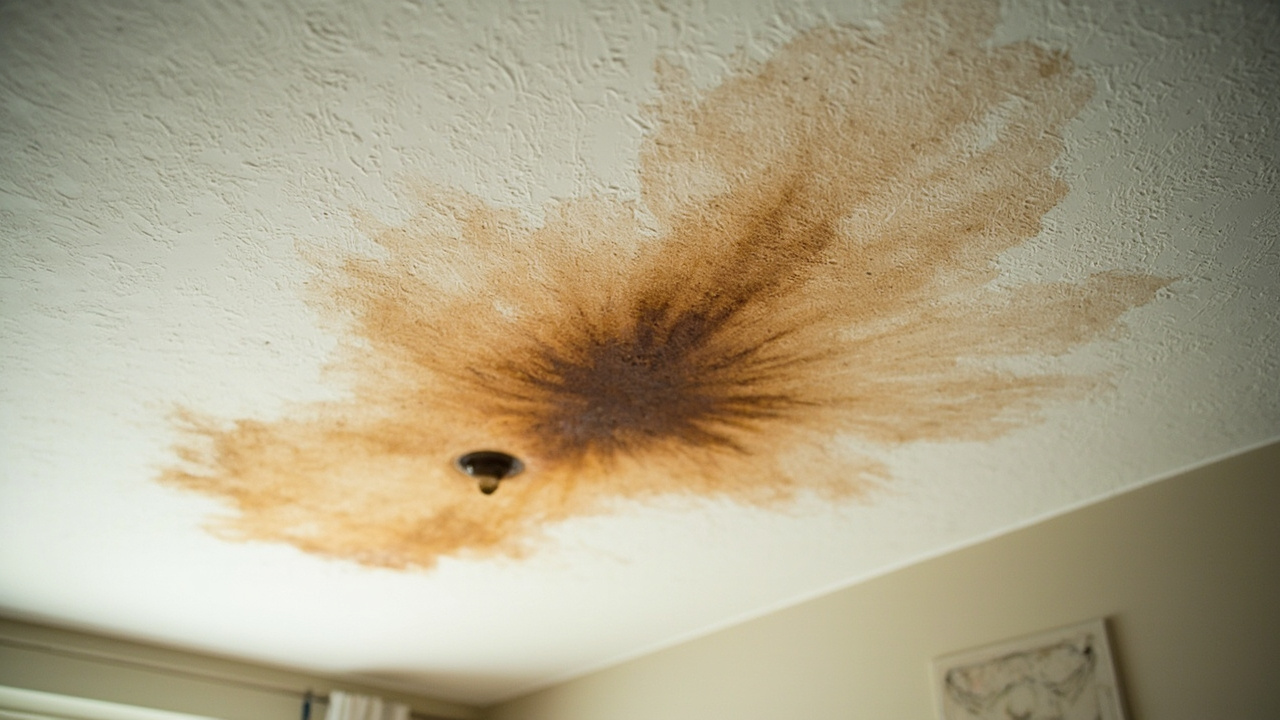
You wake up and see a brown spot on your ceiling. Maybe it started small. Now it is spreading. Those yellow water marks on your walls were not there last month. Damp patches on walls appear overnight, and you wonder if your roof is leaking or if something inside your home is failing.

San Jose sits in a seismic zone with soil that shifts. The ground moves, and so do your pipes. We also experience seasonal rain from November through March. When storm systems roll in from the Pacific, older flashing and worn roofing materials fail. Water finds the path of least resistance. It travels down wall cavities, through attic insulation, and soaks into drywall. By the time you see ceiling discoloration from leak, the water has already been there for weeks.

San Jose homes built before 1980 often have galvanized steel or copper supply lines that corrode from the inside. You do not see the pinhole leak until moisture stains on drywall appear in the room below. Newer homes in neighborhoods like Almaden Valley or Willow Glen have PEX or CPVC lines, but improper installation or foundation shifting can cause fittings to fail. The result is the same. Water where it should not be.

Ignoring those brown spots on ceiling means inviting mold growth, wood rot, and structural damage. Water does not stop on its own. It spreads. The longer you wait, the more expensive the fix becomes. If you smell musty air or see discoloration growing, you have an active leak that needs immediate attention.

Why San Jose Homes Develop Ceiling Discoloration and Moisture Stains
How We Find and Fix the Real Source of Water Stains

How We Find and Fix the Real Source of Water Stains

Most homeowners assume a ceiling stain means the roof is leaking. Sometimes that is true. Often it is not. Water stains on ceiling or walls can come from supply line leaks, drain line condensation, failed shower pans, or even HVAC condensate drain clogs. We do not guess. We trace.

Our process starts with a visual inspection of the stained area. We check for soft spots in the drywall, measure moisture levels with a pin-type moisture meter, and map the affected area. Then we move upstream. If the stain is near a bathroom, we test the shower pan with a flood test. If it is below an attic, we inspect supply lines, vent pipes, and roof penetrations. If the stain is on an exterior wall, we check window flashing, siding joints, and plumbing vents.

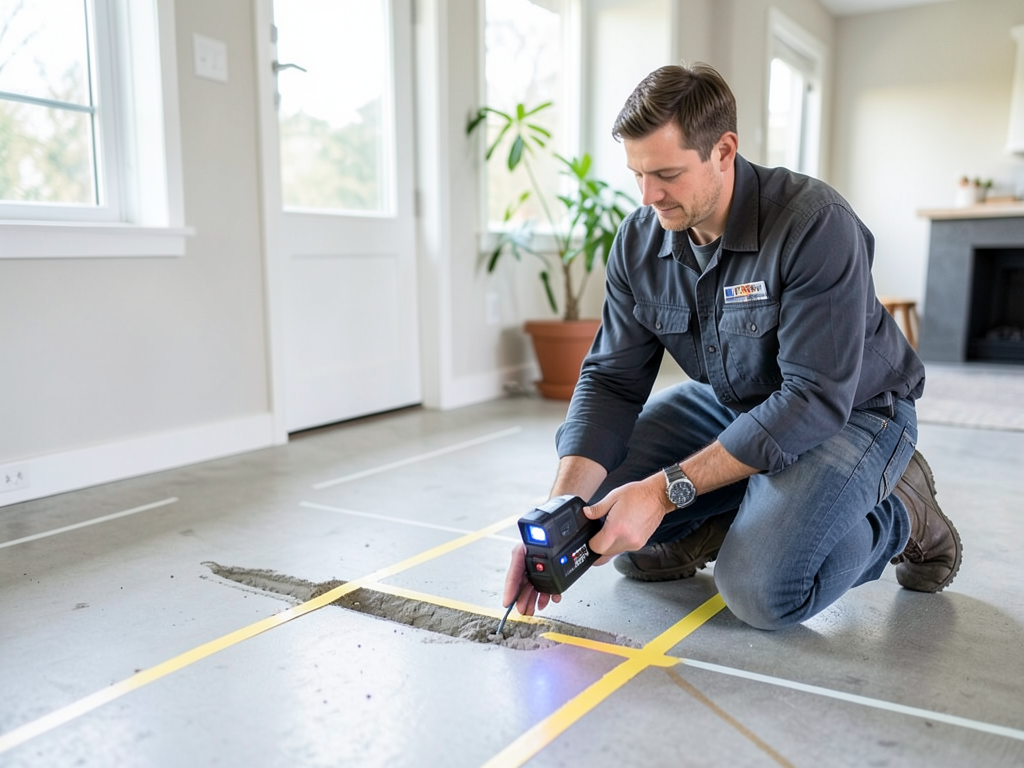
We use thermal imaging cameras to detect temperature differences behind walls. A cold spot often means active water intrusion. A warm spot can indicate a hot water line leak. Once we identify the source, we access the leak point with minimal disruption. We cut only where necessary. We replace the damaged section of pipe, reseal the shower pan, or repack the wax ring on the toilet flange.

After the leak is fixed, we verify the repair with a pressure test on supply lines or a dye test on drain lines. We do not leave until we know the water is contained. You handle the drywall repair, or we can refer you to a trusted contractor. Our job is to stop the water and prevent it from coming back.

What Happens When You Call About Water Stains

Water Stains on Ceiling or Walls in San Jose – Expert Diagnosis and Permanent Leak Repair
01

Initial Assessment and Moisture Mapping

We arrive and document the visible stain. We use a moisture meter to check surrounding drywall, ceiling joists, and insulation. This tells us if the leak is active or old. We ask when you first noticed the discoloration, if it has grown, and if you have smelled mold. We map the affected area to determine the probable leak origin point.
02

Source Identification and Access

We trace the moisture upstream using thermal imaging, visual inspection of plumbing fixtures, and knowledge of how water travels through wall cavities. We access the suspected leak point by cutting drywall, removing ceiling panels, or accessing crawl spaces. We confirm the leak source with direct observation or pressure testing before proceeding with the repair.
03

Permanent Repair and Verification

We replace the failed pipe section, reseal the fixture, or repair the drain connection using code-compliant materials. We test the repair with water pressure or dye to confirm the leak is eliminated. We document the work, explain what caused the failure, and advise you on drying out the affected area to prevent mold growth before drywall restoration.

Why San Jose Homeowners Trust Heritage Plumbing for Leak Diagnosis

San Jose has strict building codes and a housing stock that ranges from 1950s ranch homes to new construction in Evergreen and South San Jose. We know the plumbing systems in each era. We know where builders cut corners in the 1970s and which materials fail first in homes built during the 1990s construction boom.

We understand how foundation movement in San Jose affects rigid pipe connections. We know that homes near Coyote Creek or the Guadalupe River often have higher water tables that put pressure on slab foundations. We have seen what happens when a homeowner hires a handyman to patch drywall without fixing the leak. The stain comes back in three months.

Our technicians carry thermal cameras, moisture meters, and pipe inspection cameras. We do not rely on guesswork. We do not sell you a full repipe when you need a single fitting replaced. We give you the diagnostic truth and a repair plan that matches the actual problem.

We also know the local permit requirements. If your repair requires a permit, we pull it. If your home was built before 1978, we follow lead-safe work practices. If your water heater is in the garage and the leak affected electrical wiring, we coordinate with a licensed electrician. We handle the complexity so you do not have to.

You call us because you need someone who can find the leak the first time. We do not leave until the water is stopped and you understand what failed and why. That is the standard in San Jose.

What You Can Expect When We Diagnose Your Water Stain

Response Time and Availability

We offer same-day and next-day appointments for leak diagnosis. If your ceiling is actively dripping or you have a bulging drywall section that looks ready to collapse, we treat it as an emergency. We dispatch a technician immediately. For older stains that are not growing, we schedule within 24 hours. Our diagnostic appointments typically last 60 to 90 minutes depending on how difficult the leak is to trace. We bring all the tools needed to access and test the suspected leak source on the first visit.

Diagnostic Process and Transparency

We walk you through every step. We show you the moisture meter readings. We explain what we see on the thermal camera. If we need to cut drywall, we mark the cut line and get your approval first. We take photos of the leak source and the damaged pipe or fixture. You see the problem with your own eyes before we start the repair. We give you a written estimate for the plumbing repair and explain what the drywall contractor will need to do after we finish. No surprises.

Quality of Repair and Materials

We use Type L copper, PEX-A, or CPVC depending on what your existing system uses and what the code requires. We do not mix incompatible materials. We do not use compression fittings on hidden plumbing. Every joint is soldered, crimped with an expansion tool, or solvent welded according to manufacturer specifications. We pressure test every repair to 150 psi and hold it for 15 minutes. If it holds pressure, the leak is fixed. We guarantee the plumbing repair, not the drywall. That is your contractor's job.

Post-Repair Guidance and Prevention

After we fix the leak, we explain what caused it. If it was corrosion, we inspect the rest of the system and tell you what else might fail soon. If it was a failed solder joint from poor installation, we check nearby joints. We advise you on drying out the affected area with fans and dehumidifiers to prevent mold. We provide referrals for drywall contractors and mold remediation if needed. We do not walk away until you know the next steps and how to prevent the same problem in the future.

Frequently Asked Questions

You Have Questions,
We Have Answers

Is a water stain on a ceiling serious? +

Yes. A water stain signals active or past moisture intrusion. Even if the leak stopped, trapped water can rot ceiling joists, encourage mold growth, and weaken drywall. In San Jose homes with older plumbing or attic condensation issues from our mild, humid winters, stains often point to slow leaks you cannot see. Ignoring it risks structural damage and higher repair costs. The stain itself is not the problem. The hidden moisture source is. Get a plumber to inspect the area above the stain before damage spreads.

How to tell if water is leaking behind a wall? +

Look for paint bubbling, soft or spongy drywall, peeling wallpaper, or discoloration that spreads. You might smell a musty odor or feel dampness on the wall surface. In San Jose, older homes with galvanized or copper piping sometimes develop pinhole leaks inside walls. Listen for dripping sounds or check your water meter. If it runs when all fixtures are off, you have a hidden leak. Infrared cameras and moisture meters can pinpoint the exact location without cutting into walls.

How to get rid of brown water stains on a ceiling? +

First, fix the leak source. You cannot remove a stain if moisture keeps feeding it. Once dry, scrub the area with a mix of bleach and water to kill mold. Apply a stain-blocking primer like Kilz or BIN to seal the discoloration. Then paint over it with ceiling paint. If the stain bleeds through, you skipped the primer or the leak is still active. San Jose's older homes often need multiple coats of primer on stubborn tannin stains from attic leaks.

Can I just paint over a water stained ceiling? +

No. Painting over a water stain without fixing the source or sealing it guarantees the stain will bleed through. You waste time and money. The moisture also continues damaging the drywall and framing. Use a stain-blocking primer first, only after confirming the leak is repaired and the ceiling is completely dry. In San Jose, our mild climate can hide slow leaks for months. A fresh coat of paint will not stop ongoing damage or mold growth behind the surface.

How to tell if water is leaking into a ceiling? +

Check for sagging, discoloration, or peeling paint on the ceiling. Feel for soft spots or bulges. In San Jose, attic condensation from HVAC ducts or roof leaks during winter rains are common culprits. Look in the attic above the stain for wet insulation, dark spots on sheathing, or visible drips. If the stain is near a bathroom, the toilet wax ring, shower pan, or supply line could be leaking. A plumber can use thermal imaging to locate hidden moisture.

Why is there a water stain on my ceiling but no leak in the bathroom? +

The leak source might be elsewhere. Water travels along joists, pipes, or ductwork before dripping through the ceiling. In San Jose homes, a leaking upstairs shower pan, HVAC condensation line, or roof flashing failure can cause stains far from the actual breach. Attic condensation from temperature swings is another possibility. A plumber traces the water path using moisture meters and inspection cameras to find the true origin. Do not assume the stain location equals the leak location.

Does homeowners insurance cover water leaks in walls? +

It depends on the cause. Sudden, accidental events like burst pipes are usually covered. Gradual leaks from poor maintenance, aging pipes, or neglect are not. San Jose homeowners should review their policy and document the damage immediately. Insurers often deny claims if you knew about the leak and delayed repairs. Take photos, get a plumber to write a report on the cause, and file quickly. Coverage varies by carrier and policy terms.

What are the first signs of water damage on walls? +

Discoloration is the earliest sign. Look for yellow, brown, or gray patches. Paint may bubble or peel. The wall feels damp or cool to the touch. You might smell mold or mildew. In San Jose, homes with stucco exteriors can trap moisture inside wall cavities, causing hidden damage. Baseboards may warp or separate. If you see any of these signs, call a plumber to inspect before the drywall fails or mold spreads.

Can plumbers detect leaks behind walls? +

Yes. Plumbers use electronic leak detection, thermal imaging cameras, and acoustic sensors to locate leaks without demolition. They listen for pressure changes in the supply lines and scan for temperature differences caused by water. In San Jose, where many homes have concealed plumbing in walls or slab foundations, these tools save time and repair costs. A skilled plumber can pinpoint a leak within inches, then cut a small access hole instead of tearing apart entire walls.

Should I call a plumber for a ceiling stain? +

Yes. A ceiling stain almost always involves plumbing, roof drainage, or HVAC condensation. A plumber diagnoses the source, checks supply lines, drains, and fixtures, and repairs the leak. In San Jose, older homes often have outdated galvanized pipes prone to corrosion. A plumber also advises whether you need a roofer or HVAC tech. Do not wait. The longer water sits, the worse the damage. Call a licensed plumber to inspect and stop the moisture before mold or structural issues develop.

How San Jose's Seismic Activity and Shifting Soil Cause Hidden Pipe Failures

San Jose sits on the Calaveras and Hayward faults. Even small seismic events cause foundation movement. When your slab shifts, rigid copper and galvanized pipes strain at the joints. Solder joints crack. Threaded fittings loosen. The leak starts small and hidden behind drywall. By the time you see brown spots on ceiling or damp patches on walls, the pipe has been leaking for weeks. Clay soil in areas like Almaden and Cambrian also expands and contracts with moisture. Dry summers cause soil to shrink away from the foundation. Winter rains cause it to swell. This seasonal movement stresses under-slab plumbing and wall-mounted supply lines. You cannot stop the ground from moving, but you can catch leaks early with regular inspections.

Heritage Plumbing San Jose has worked in every neighborhood from Willow Glen to Berryessa. We know the plumbing styles used in each decade of construction. We know which subdivisions used polybutylene pipe in the 1980s and where builders ran copper through concrete slabs without proper sleeving. We follow local amendments to the California Plumbing Code, and we understand how San Jose's building department enforces permit requirements for repipes and major leak repairs. When you hire a local plumber who knows the city's soil, seismic risks, and construction history, you get faster diagnosis and smarter repairs. We do not treat San Jose homes like they are in Phoenix or Portland. We treat them like they are in San Jose.
Plumbing Services in The San Jose Area

Heritage Plumbing San Jose is proud to serve the entire San Jose community and its neighboring areas, offering prompt, reliable service right to your doorstep. Use the interactive map below to confirm our central location and see the extensive area we cover, or simply call our office to verify service in your specific neighborhood. We look forward to being your local, professional plumbing partner you can always trust for expert solutions and dedicated customer care.

Address:
Heritage Plumbing San Jose, 99 S Almaden Blvd, San Jose, CA, 95113

Additional Services We Offer

Our news updates

Latest Articles & News from The Blogs

How to Protect Your New Almaden Septic Tank During a Heavy Rainy Season Living in Almaden Valley means enjoying beautiful…

How to Protect Your New Almaden Septic Tank During a Heavy Rainy Season

How to Protect Your New Almaden Septic Tank During a Heavy Rainy Season Living in Almaden Valley means enjoying beautiful…

What San Jose Homeowners Need to Know About the 2026 Water Conservation Standards

What San Jose Homeowners Need to Know About the 2026 Water Conservation Standards Starting in 2026 San Jose homeowners will…

Why Your Fairglen Eichler Needs a Specialist for Radiant Floor Heating Leaks

Why Your Fairglen Eichler Needs a Specialist for Radiant Floor Heating Leaks If your Fairglen Eichler is showing signs of…

Contact Us

Water stains do not go away on their own. Call Heritage Plumbing San Jose at (408) 381-5355 right now. We will find the leak, fix it right, and explain how to prevent it from happening again.