
How to Protect Your New Almaden Septic Tank During a Heavy Rainy Season
Living in Almaden Valley means enjoying beautiful hillside views and mature trees, but it also means dealing with heavy seasonal rains that can overwhelm a new septic system. The combination of Santa Clara County’s expansive clay soils and winter storm runoff creates a perfect storm for septic backups, drain field saturation, and costly repairs. This guide walks you through proven steps to safeguard your system when the next big storm hits. Santa Clara County Department of Environmental Health.
Why Almaden’s Soil and Weather Create Unique Septic Challenges
Almaden Valley sits on a foundation of dense clay that drains slowly and compacts easily. When heavy rains fall on this soil, water pools near the surface rather than soaking deep into the ground. For a septic system, this means the drain field cannot properly disperse effluent, causing it to rise back toward your tank and home. The Santa Cruz Mountains’ weather systems often stall over the South Bay, dumping several inches of rain in just a few hours. Plumbing Mountain View.
During these events, the water table in low-lying Almaden neighborhoods can rise within a few feet of the surface. If your septic tank or drain pipes are not buried deep enough, groundwater can actually seep into the system, overwhelming its capacity. This is why many Almaden homes require engineered drain fields with additional gravel beds or raised mounding to combat poor native soil percolation rates.
Warning Signs Your Septic System Is Under Stress
Before a major failure occurs, your septic system will show clear warning signs. Watch for slow drains throughout the house, gurgling sounds in pipes when flushing toilets, or wet, lush patches of grass over the drain field that appear even when the rest of your lawn is dry. A strong sewage odor near the tank or vent pipes indicates the system is struggling to process waste properly.
During heavy rains, you might notice water bubbling up from toilets or drains, or see standing water in your yard near the tank. These are emergency signs that the system is backing up. If you observe any of these symptoms, stop using water immediately and call a licensed septic professional. Continuing to run water during a backup can cause sewage to overflow inside your home, creating both health hazards and expensive water damage.
Essential Maintenance Steps Before the Rainy Season
The best protection starts months before the first storm. Have your septic tank inspected and pumped if it’s been more than three years since the last service. A full tank has no room to handle the additional water load from saturated ground. During inspection, ask the technician to check for root intrusion, cracked baffles, or damaged inlet/outlet pipes that could fail under pressure.
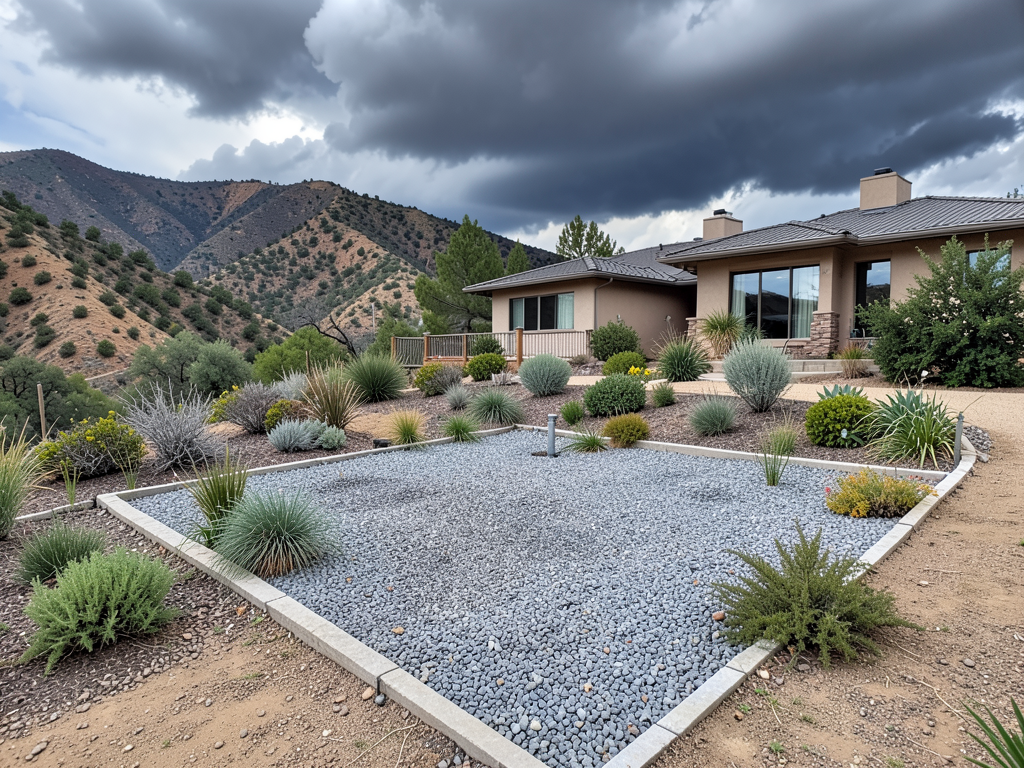
Clear vegetation and mulch from the area directly over your drain field. While landscaping helps with erosion control, organic material holds moisture and can prevent proper evaporation from the soil surface. Replace mulch with gravel or keep the area bare to maximize drying between storms. Also inspect your roof gutters and downspouts; directing rainwater at least five feet away from the drain field prevents surface flooding.
Protecting Your Drain Field During Storms
Your drain field is the most vulnerable part of the system during heavy rains. If you notice standing water over the field, avoid walking on it or driving machinery across the area, as this can compact the soil further and reduce its absorption capacity. Consider installing a curtain drain or French drain system around the perimeter of the field to intercept surface runoff before it reaches the absorption area.
For homes on steeper Almaden hillsides, check that retaining walls and swales are directing water away from the septic area. Water cascading down a slope can erode soil cover and expose pipes. If your property has a sump pump, ensure it discharges to a safe location far from the drain field to prevent recirculation of water through the system.
Emergency Steps When Heavy Rains Hit
If a major storm is forecast, reduce household water usage by 50% for the duration. This means shorter showers, delaying laundry, and fixing any dripping faucets. The goal is to minimize the volume of water entering your septic tank while the ground is saturated. If you have a water softener, put it on bypass mode to prevent unnecessary regeneration cycles. Finding and fixing hidden pipe leaks in Cambrian Park houses.
During the storm, monitor your yard for signs of surfacing effluent. If you detect sewage odors or see wet spots forming, shut off the main water supply to prevent further flooding. Do not attempt to open the septic tank lid yourself; a professional should handle any inspection or pumping during wet conditions to avoid cave-ins or exposure to hazardous gases.
Almaden-Specific Septic Regulations and Permits
Santa Clara County’s Department of Environmental Health requires permits for all new septic installations and major repairs in Almaden Valley. The county mandates a minimum of 24 inches of soil cover over drain field pipes and specific setbacks from property lines, wells, and water bodies. For properties near Almaden Quicksilver County Park, additional environmental reviews may be required due to sensitive habitats. EPA Septic System Maintenance Guide.
California Code of Regulations Title 22 sets strict standards for septic system design in areas with high groundwater. Systems must demonstrate a minimum vertical separation of five feet between the bottom of the drain field and the seasonal high water table. In Almaden’s low-lying areas, this often means engineered systems with alternative disposal methods like drip irrigation or sand filters are necessary.
Long-Term Solutions for Heavy Rain Protection
If your system has failed repeatedly during rainy seasons, consider upgrading to a more resilient design. Alternating drain fields allow you to rest one side while the other handles the load, giving saturated soil time to recover. Some Almaden properties benefit from converting to a mound system, which raises the drain field above the natural soil grade to avoid seasonal saturation.
Installing a high-level alarm in your septic tank provides early warning of rising water levels. These devices trigger when effluent reaches 90% of tank capacity, giving you time to reduce usage before a backup occurs. For properties with chronic groundwater issues, a sealed tank with a pump-out system can prevent infiltration during wet periods, though this requires more frequent professional pumping.
Professional Inspection and Maintenance Services
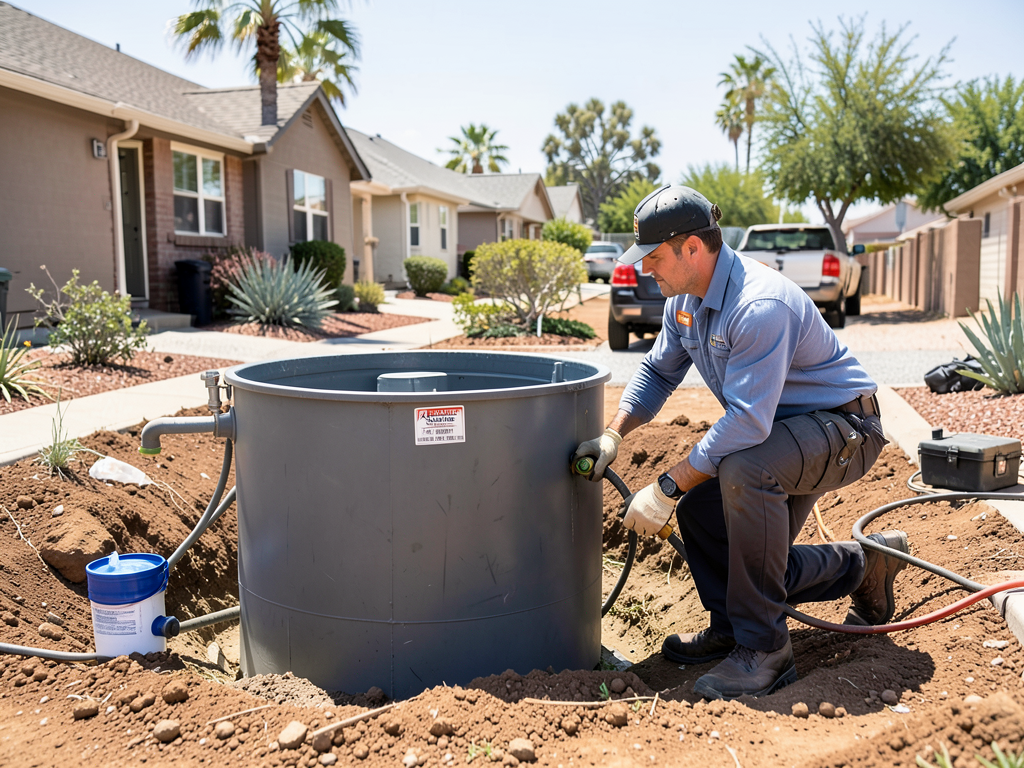
Regular professional maintenance is your best defense against storm-related failures. A qualified septic technician will measure scum and sludge layers, inspect baffles and filters, and check for signs of drain field saturation or biomat formation. In Almaden’s clay soils, annual inspections are recommended rather than the standard three-year interval, as soil conditions can change rapidly with seasonal moisture fluctuations.
During an inspection, the technician should perform a hydraulic load test by running water through the system to verify proper absorption rates. They will also check for surface water intrusion, damaged risers, and proper tank ventilation. If your system includes a pump, the control panel and alarm functions should be tested to ensure they’ll work when you need them most.
Cost Considerations for Almaden Homeowners
Standard septic pumping in Almaden typically costs between $400 and $600, depending on tank size and accessibility. Emergency services during storms may cost 50-75% more due to hazardous conditions and immediate response requirements. Drain field repairs or replacements range from $3,000 to $15,000, with costs increasing for engineered systems required by county regulations.
Preventative measures like curtain drains or high-level alarms cost $1,000 to $3,000 but can save thousands in emergency repairs. Many Almaden homeowners find that investing in these protections pays for itself within two to three rainy seasons by preventing just one major backup incident.
Frequently Asked Questions
How often should I pump my Almaden septic tank?
Most Almaden homes need pumping every 2-3 years, but homes with garbage disposals, large families, or older systems may require annual service. Clay soils in Almaden retain moisture longer, which can stress systems between pumpings.
Can I plant trees near my drain field?
Keep all trees and large shrubs at least 30 feet from your drain field. Almaden’s native oaks and pines have aggressive root systems that can infiltrate pipes and cause blockages or structural damage to the system.
What should I do if my drains are slow but it’s not raining?
Slow drains during dry weather often indicate a full tank or developing drain field failure. Schedule an inspection immediately, as waiting can lead to complete system failure when the next storm arrives.
Are septic additives helpful for Almaden’s clay soils?
Most septic additives provide little benefit and may harm your system by killing beneficial bacteria. The best approach is regular pumping and proper water usage habits rather than chemical treatments.
How can I tell if my drain field is failing permanently?
Permanent drain field failure shows as consistently wet areas over the field, sewage odors that persist between storms, and slow drains that don’t improve after tank pumping. A professional soil test can confirm if the field has lost its absorption capacity.
[IMAGE_PLACEHOLDER_3>
Take Action Before the Next Storm Hits
Don’t wait for the first heavy rain to discover your septic system isn’t ready. Call (408) 381-5355 today to schedule a comprehensive inspection and maintenance service. Our Almaden septic experts will evaluate your system’s readiness, check for vulnerabilities, and recommend specific protections for your property’s unique conditions. Whether you need routine pumping, drain field evaluation, or emergency repairs, we’re standing by to keep your system working when you need it most.
Pick up the phone and call (408) 381-5355 before the next storm hits. Your septic system protects your home and family every day, but it needs professional care to handle Almaden’s challenging rainy seasons. Let us help you avoid the mess, expense, and stress of a septic emergency.
{
“@context”: “https://schema.org”,
“@type”: “BlogPosting”,
“headline”: “How to Protect Your New Almaden Septic Tank During a Heavy Rainy Season”,
“description”: “Learn essential steps to protect your Almaden septic tank from heavy rains. Local soil, regulations, and maintenance tips from San Jose plumbing experts.”,
“wordCount”: 1646,
“datePublished”: “2026-06-12T09:33:00.000Z”,
“dateModified”: “2026-06-12T09:33:00.000Z”,
“inLanguage”: “en-US”,
“mainEntityOfPage”: {
“@type”: “WebPage”,
“@id”: “https://heritageplumbingsanjose.com”
},
“publisher”: {
“@type”: “LocalBusiness”,
“name”: “Heritage Plumbing San Jose”,
“url”: “https://heritageplumbingsanjose.com”
},
“author”: {
“@type”: “Organization”,
“name”: “Heritage Plumbing San Jose”,
“url”: “https://heritageplumbingsanjose.com”
},
“image”: {
“@type”: “ImageObject”,
“url”: “https://heritageplumbingsanjose.com/wp-content/uploads/2026/03/how-to-protect-your-new-almaden-septic-tank-during-1.png”
}
}
{
“@context”: “https://schema.org”,
“@type”: “Plumber”,
“name”: “Heritage Plumbing San Jose”,
“url”: “https://heritageplumbingsanjose.com”,
“address”: {
“@type”: “PostalAddress”,
“addressLocality”: “San Jose”
},
“areaServed”: {
“@type”: “City”,
“name”: “San Jose”
}
}
{
“@context”: “https://schema.org”,
“@type”: “FAQPage”,
“mainEntity”: [
{
“@type”: “Question”,
“name”: “How often should I pump my Almaden septic tank?”,
“acceptedAnswer”: {
“@type”: “Answer”,
“text”: “Most Almaden homes need pumping every 2-3 years, but homes with garbage disposals, large families, or older systems may require annual service. Clay soils in Almaden retain moisture longer, which can stress systems between pumpings.”
}
},
{
“@type”: “Question”,
“name”: “Can I plant trees near my drain field?”,
“acceptedAnswer”: {
“@type”: “Answer”,
“text”: “Keep all trees and large shrubs at least 30 feet from your drain field. Almaden’s native oaks and pines have aggressive root systems that can infiltrate pipes and cause blockages or structural damage to the system.”
}
},
{
“@type”: “Question”,
“name”: “What should I do if my drains are slow but it’s not raining?”,
“acceptedAnswer”: {
“@type”: “Answer”,
“text”: “Slow drains during dry weather often indicate a full tank or developing drain field failure. Schedule an inspection immediately, as waiting can lead to complete system failure when the next storm arrives.”
}
},
{
“@type”: “Question”,
“name”: “Are septic additives helpful for Almaden’s clay soils?”,
“acceptedAnswer”: {
“@type”: “Answer”,
“text”: “Most septic additives provide little benefit and may harm your system by killing beneficial bacteria. The best approach is regular pumping and proper water usage habits rather than chemical treatments.”
}
},
{
“@type”: “Question”,
“name”: “How can I tell if my drain field is failing permanently?”,
“acceptedAnswer”: {
“@type”: “Answer”,
“text”: “Permanent drain field failure shows as consistently wet areas over the field, sewage odors that persist between storms, and slow drains that don’t improve after tank pumping. A professional soil test can confirm if the field has lost its absorption capacity.”
}
}
]
}
{
“@context”: “https://schema.org”,
“@type”: “BreadcrumbList”,
“itemListElement”: [
{
“@type”: “ListItem”,
“position”: 1,
“name”: “Home”,
“item”: “https://heritageplumbingsanjose.com”
},
{
“@type”: “ListItem”,
“position”: 2,
“name”: “Blog”,
“item”: “https://heritageplumbingsanjose.com/blog”
},
{
“@type”: “ListItem”,
“position”: 3,
“name”: “How to Protect Your New Almaden Septic Tank During a Heavy Rainy Season”
}
]
}
{
“@context”: “https://schema.org”,
“@type”: “Service”,
“serviceType”: “Plumbing”,
“provider”: {
“@type”: “LocalBusiness”,
“name”: “Heritage Plumbing San Jose”,
“url”: “https://heritageplumbingsanjose.com”
},
“areaServed”: {
“@type”: “City”,
“name”: “San Jose”
},
“description”: “Learn essential steps to protect your Almaden septic tank from heavy rains. Local soil, regulations, and maintenance tips from San Jose plumbing experts.”
}