
menu

High Water Bills in San Jose – Expert Leak Detection Stops Excessive Water Usage Fast

Heritage Plumbing San Jose uses advanced pressure testing and thermal imaging to pinpoint hidden leaks causing your sudden spike in water bill, eliminating guesswork and preventing thousands in water waste.

Slider Image 1
Slider Image 2
Slider Image 3
Slider Image 4
Slider Image 5
Slider Image 7
Slider Image 8
Slider Image 9
Slider Image 10
Slider Image 11

Why Your Water Bill Suddenly Spiked in San Jose

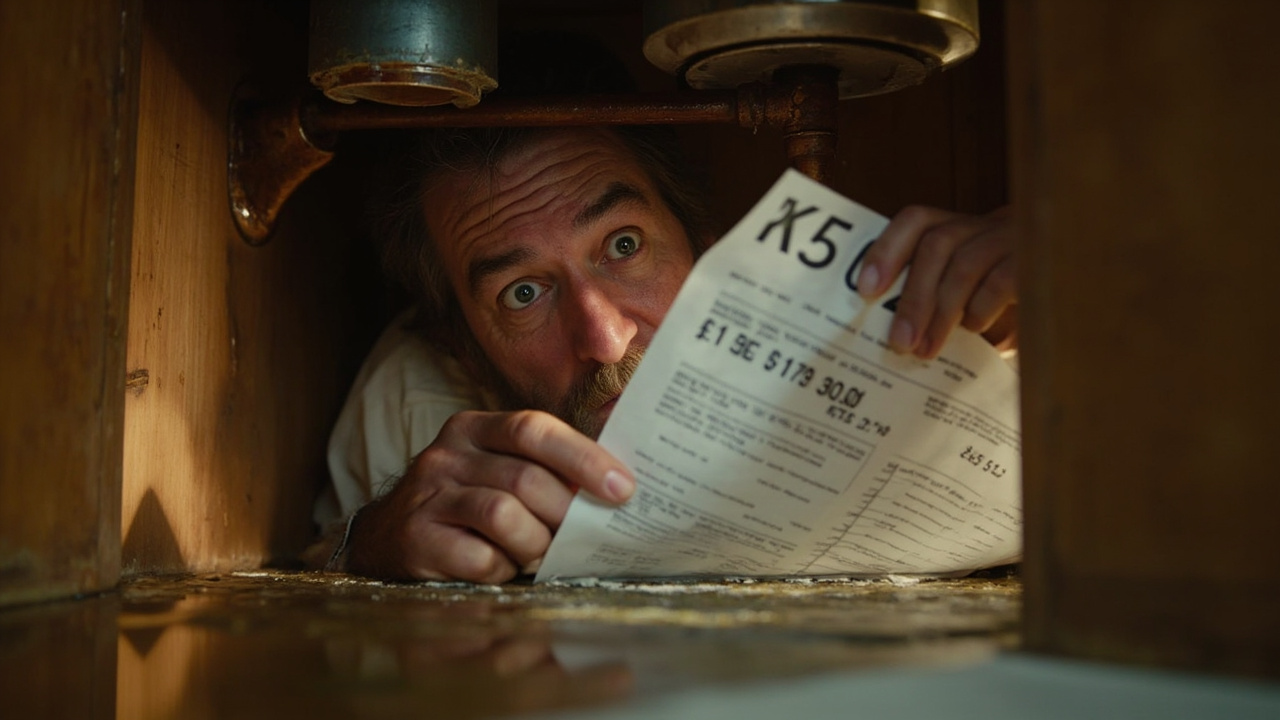
You open your water bill and freeze. The number is double what you paid last month. You check the meter. It is spinning even when no one is using water. This is not a billing error. You have a problem.

San Jose sits on expansive clay soil that shifts with our seasonal wet and dry cycles. When the ground moves, it stresses underground water lines. A small crack in a slab leak or lateral line can waste 30,000 gallons per month. You will not see the water. It drains into the soil or evaporates before you notice.

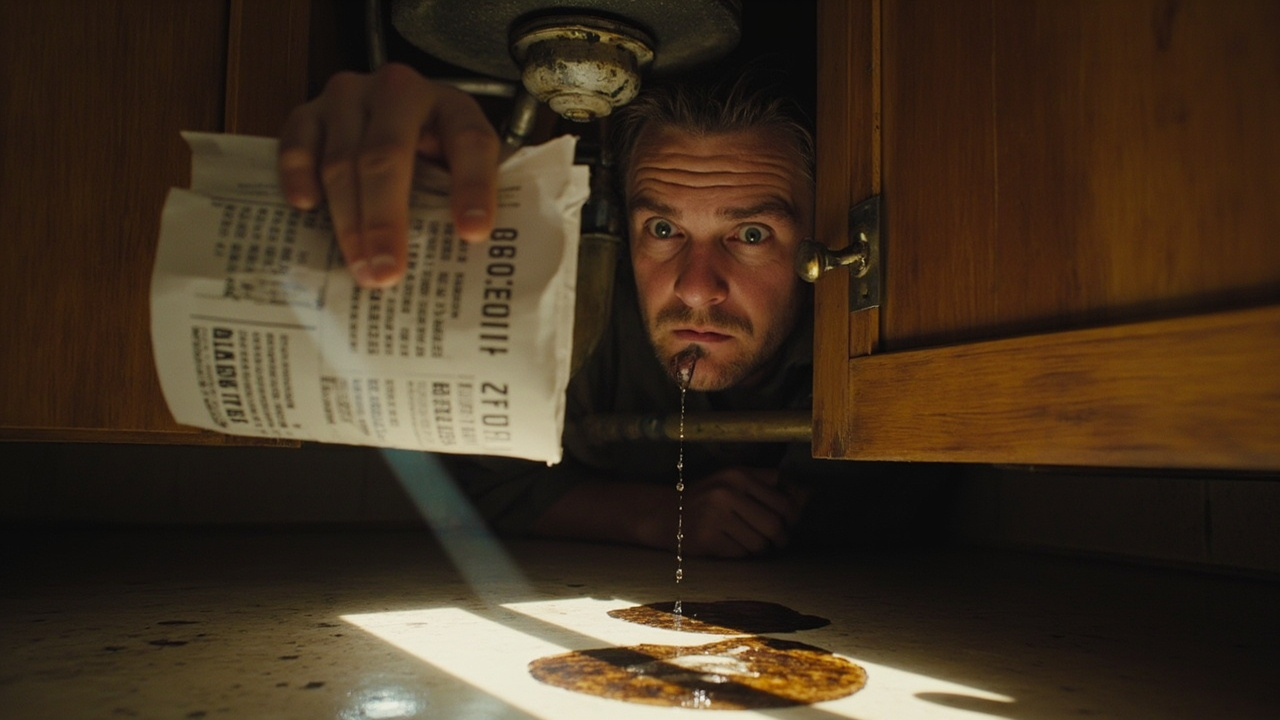
An unexplained high water bill is the first symptom. The second is foundation cracks or soft spots in your yard. The third is mold in walls you cannot explain. By the time you notice the damage, you have already paid for months of excessive water usage.

Older homes in Willow Glen and Rose Garden have galvanized steel pipes installed in the 1940s and 1950s. These corrode from the inside out. A pinhole leak in a wall cavity or under your foundation creates a skyrocketing water bill without visible evidence. Toilets with failing flappers waste 200 gallons per day. A dripping faucet wastes 3,000 gallons per year. But underground leaks waste orders of magnitude more.

San Jose Water Company charges tiered rates. Once you cross into higher usage brackets, your cost per gallon increases. An unexpected water bill increase is not just about the water. It is about paying premium rates for water you never used. You need to find the source and stop the bleed.

Why Your Water Bill Suddenly Spiked in San Jose
How We Locate and Stop Hidden Leaks Causing High Water Bills

How We Locate and Stop Hidden Leaks Causing High Water Bills

Most plumbers guess. They open walls, dig trenches, and hope they find the leak. We do not guess. We use diagnostic tools that pinpoint the exact location before we touch a shovel.

We start with a static pressure test. We isolate sections of your plumbing system and monitor pressure drop over time. A pressure loss indicates a leak in that zone. This narrows the search area from your entire property to a specific line.

Next, we deploy acoustic leak detection. Water escaping a pressurized pipe creates a distinct frequency. Our electronic listening devices amplify that sound through concrete, soil, and drywall. We can hear a pinhole leak through six inches of slab.

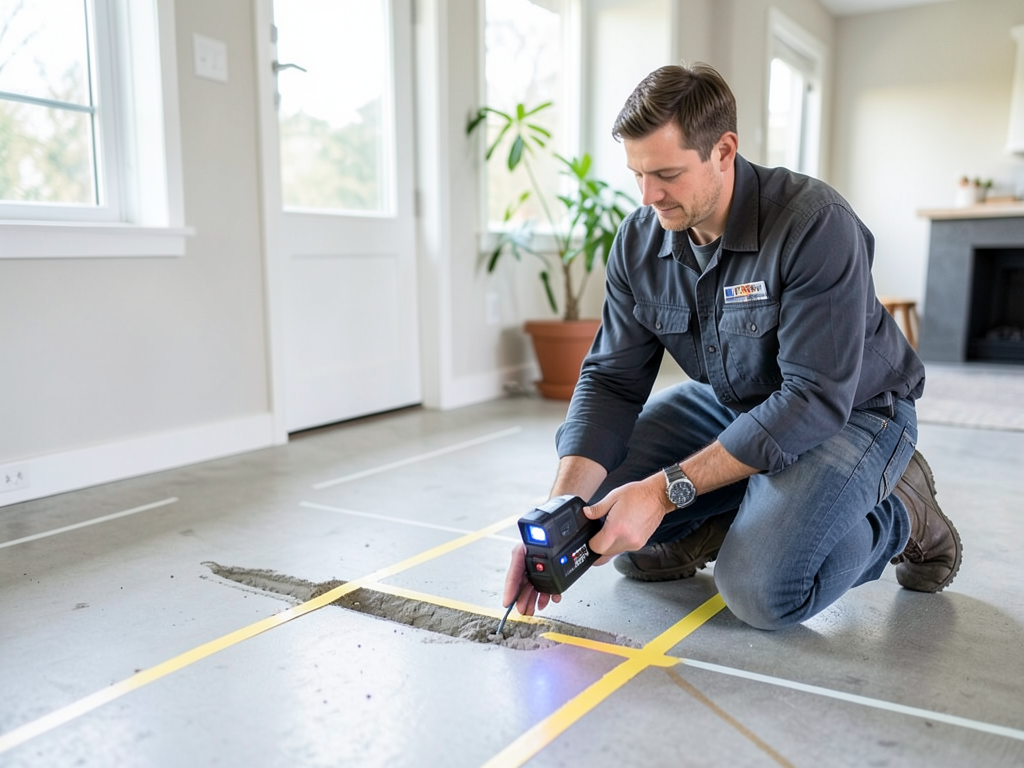
For slab leaks under your foundation, we use infrared thermal imaging. Water migrating through concrete creates temperature differentials. The camera shows us hot or cold spots that indicate active leaks beneath the surface. This eliminates destructive exploratory demolition.

Once we locate the leak, we assess the damage. If the leak is in a copper line under your slab, we evaluate whether a spot repair is viable or if a line reroute is smarter. Older homes with corroded galvanized pipes often need full repipes. Patching one leak does not stop the next one from forming six months later.

We calculate the cost of continued water loss against the cost of a permanent fix. A slab leak wasting 10,000 gallons per month costs you roughly $80 in water alone, not including the tiered rate penalties. Over a year, that is $960 in waste, plus foundation damage and mold risk. A properly executed repair or repipe stops the financial bleed immediately.

What Happens When You Call About High Water Bills

High Water Bills in San Jose – Expert Leak Detection Stops Excessive Water Usage Fast
01

Initial Diagnosis and Meter Test

We start by checking your water meter with all fixtures off. If the meter is still moving, you have an active leak. We document baseline flow rates and review your recent billing history to establish the timeline. This tells us whether the leak is sudden or gradual, which narrows the likely failure points.
02

Leak Isolation and Detection

We use pressure testing, acoustic sensors, and thermal imaging to locate the exact leak source. Most leaks are in toilet flappers, irrigation valves, or underground laterals. We check all high-probability areas first, then move to invasive diagnostics only if needed. The goal is to minimize disruption while finding the problem fast.
03

Repair and Verification

Once we locate the leak, we execute the repair or line replacement. After the fix, we retest the system under pressure to confirm zero flow loss. We walk you through what we found, what we fixed, and what to monitor moving forward. You leave knowing your water bill will return to normal next cycle.

Why San Jose Homeowners Trust Heritage Plumbing for Water Bill Diagnostics

You do not need a plumber who tears up your yard hoping to stumble on the problem. You need someone who uses data to make precise decisions. Heritage Plumbing San Jose invested in diagnostic technology specifically because guesswork costs you money.

We know San Jose construction. Homes built in the postwar boom used galvanized steel pipes that corrode internally after 50 years. Homes from the 1980s often have polybutylene supply lines that fail at the fittings. Newer construction uses PEX, which rarely leaks unless installed improperly. Knowing your home's plumbing era tells us where to look first.

We understand local water conditions. San Jose Water Company delivers moderately hard water, which accelerates scale buildup in tankless water heaters and reduces the lifespan of pressure regulators. High mineral content also corrodes copper fittings at connection points. We see the same failure patterns across neighborhoods because the water chemistry is consistent.

We are familiar with San Jose's permit requirements. If your repair involves rerouting a water line or replacing a section of slab, the work must be inspected and brought to current code. We handle the permitting process and coordinate inspections so you do not have to navigate city bureaucracy.

Most importantly, we do not upsell. If your high water bill is caused by a $15 toilet flapper, we replace the flapper. If it is a slab leak that requires a $4,000 repipe, we show you why that is the right fix and give you options. Our reputation in San Jose depends on solving the actual problem, not selling you services you do not need.

What to Expect When We Diagnose Your High Water Bill

Same-Day Diagnostic Appointments

We know that every day you wait is another day of wasted water and escalating costs. We offer same-day diagnostic appointments for high water bill investigations. Our technicians arrive with all necessary testing equipment to complete the full diagnostic in one visit. Most leak locations are identified within two hours. If we need to return for a more invasive test, we schedule it immediately. Speed matters when your meter is running and your bill is climbing.

Comprehensive System Evaluation

We do not just find the obvious leak. We inspect your entire plumbing system for potential failure points. Toilets, faucets, irrigation valves, water heater connections, washing machine hoses, and underground laterals all get checked. We test your pressure regulator to ensure it is functioning correctly. High pressure accelerates wear and causes leaks. We provide a written report of findings so you know exactly what is wrong and what is at risk.

Permanent Repairs, Not Patches

If your leak is in a corroded pipe, patching it buys you a few months at best. We recommend solutions that eliminate the root cause. For homes with aging galvanized or polybutylene plumbing, that often means a repipe. For isolated slab leaks in otherwise sound copper lines, we may suggest a spot repair or line reroute. You get honest options based on the condition of your system, not what generates the most revenue.

Post-Repair Monitoring and Billing Support

After we complete the repair, we recommend monitoring your water meter for 24 hours to confirm zero flow when all fixtures are off. We provide documentation of the leak and repair for your records. If your excessive water usage was caused by a leak, San Jose Water Company may adjust your bill. We provide the necessary documentation to support your adjustment request. You should see your bill return to normal within one to two billing cycles.

Frequently Asked Questions

You Have Questions,
We Have Answers

What runs your water bill up the most? +

Toilets use the most water in your home, followed by washing machines and outdoor irrigation. In San Jose, landscape watering drives bills higher during dry months. A running toilet wastes 200 gallons daily without you noticing. Leaky faucets, shower heads, and irrigation timers set too high also spike costs. Check your irrigation system first if you see a sudden jump. San Jose's mineral-rich water can cause valve failures in sprinkler systems, leading to continuous flow. Indoor leaks like slab leaks or slab pipe breaks under foundations are common in older homes and silently drain your wallet every billing cycle.

What can cause a really high water bill? +

Hidden leaks cause the most dramatic water bill increases in San Jose homes. Slab leaks beneath concrete foundations, broken irrigation lines, running toilets, and faulty water heaters all waste thousands of gallons monthly. San Jose's older neighborhoods see more slab leaks due to soil movement and aging copper pipes. A toilet flapper that fails to seal wastes 6,000 gallons per month. Broken sprinkler valves stuck in the open position flood your yard overnight. Water softener malfunctions can trigger continuous backwash cycles. If your usage suddenly doubles with no change in household behavior, you have a leak that needs immediate diagnosis.

How to tell if you have a water leak on the meter? +

Turn off every water source inside and outside your home. Check your water meter. Write down the numbers or take a photo. Wait two hours without using any water. Do not flush toilets, run faucets, or use appliances. Check the meter again. If the numbers changed, you have a leak between the meter and your house or inside your plumbing system. In San Jose, many meters have a small triangle or red dial that spins when water flows. If this moves with everything off, you are losing water somewhere and need a plumber to locate the source.

Why did my water bill go up $300? +

A $300 spike signals a major leak, not normal usage changes. Running toilets waste 6,000 to 10,000 gallons monthly. Slab leaks under your foundation can lose thousands of gallons before you notice wet spots. In San Jose, broken irrigation laterals buried in clay soil often go undetected for weeks. A stuck sprinkler valve flooding your lawn overnight explains sudden spikes. Check your meter for movement with everything off. Look for soft spots in your yard, warm floor areas, or unexplained foundation cracks. This level of increase demands immediate investigation. Waiting another billing cycle means throwing away hundreds more dollars.

How much should a normal water bill be per month? +

San Jose Water customers average $60 to $120 monthly for a typical household. Usage varies by family size, landscaping, and season. A household of four uses around 12,000 to 15,000 gallons monthly during cooler months. Summer irrigation can double that amount in San Jose's dry climate. If your bill exceeds $150 without pool filling or increased occupancy, investigate for leaks. Compare your current bill to the same month last year, not last month. Seasonal patterns matter. Bills over $200 for standard homes almost always indicate leaks, faulty irrigation controllers, or running toilets that need repair.

How do I check for hidden leaks? +

Check your water meter with all fixtures off. If it moves, you have a leak. Add food coloring to toilet tanks and wait 30 minutes without flushing. Color in the bowl means the flapper leaks. Inspect under sinks for moisture or water stains. Walk your property looking for soggy areas, greener grass patches, or standing water. In San Jose, listen for running water sounds near exterior walls at night when ambient noise drops. Check your water heater relief valve for drips. Feel floor areas for warm spots that signal slab leaks. Monitor your bill monthly for unexplained increases.

How can I check for water leaks? +

Start at your water meter. Turn off all faucets, appliances, and irrigation. Check if the meter dial or triangle spins. Movement means active leaking. Inspect toilets with food coloring in the tank. Check under sinks for standing water or stains. Walk your yard looking for mud, erosion, or unusually green grass. In San Jose homes, listen near water heater closets and exterior walls for hissing sounds. Check your bill history for sudden usage spikes. Look for foundation cracks or warm spots on slab floors. Pressure test your irrigation system by zone to isolate breaks in buried lines.

What uses the most water in your home? +

Toilets use the most water, accounting for 30% of indoor consumption. A family of four flushes away 12,000 gallons yearly. Washing machines rank second, using 15 to 40 gallons per load depending on age and efficiency. Showers consume 17% of household water. In San Jose, outdoor irrigation dominates summer water bills. Automatic sprinklers can use 50% to 70% of total household water during dry months. Old inefficient toilets waste three times more water than modern low-flow models. Running a dishwasher uses less water than hand washing. Landscape watering drives the highest bills in San Jose's climate.

How do plumbers check for water leaks? +

Plumbers use multiple diagnostic methods to find leaks. They start with meter tests to confirm water loss. Electronic acoustic equipment detects pressurized water escaping underground or inside walls. Thermal imaging cameras identify temperature changes from slab leaks under concrete. Video inspection cameras snake through drain and sewer lines. Pressure testing isolates problems in specific zones. For San Jose homes on crawl spaces, visual inspection spots dripping pipes. Plumbers use tracer gas for irrigation leaks buried in clay soil. Moisture meters detect hidden water in walls or floors. Professional leak detection saves money by pinpointing problems without destructive exploratory work.

Does homeowners insurance cover main water line leak? +

Homeowners insurance rarely covers main water line leaks. Most policies exclude damage from maintenance issues, gradual leaks, or aging pipes. They may cover sudden catastrophic breaks if water damages your home interior. The line itself and yard excavation costs fall on you. In San Jose, clay soil movement causes slow pipe degradation that insurance considers preventable maintenance. Service line coverage endorsements add protection for an extra premium. Review your policy carefully. Insurance typically covers resulting interior damage like flooring or drywall, but not the plumbing repair itself. Budget separately for main line repairs and replacements.

How San Jose's Clay Soil and Aging Infrastructure Drive Hidden Leak Costs

San Jose's expansive clay soil swells during winter rains and contracts during summer droughts. This seasonal movement shifts your foundation and stresses underground water lines. Homes in older neighborhoods like Naglee Park, Willow Glen, and Cambrian Park often have 50-year-old copper or galvanized laterals that crack under this constant pressure. You will not see the leak until your water bill doubles or your foundation develops settling cracks. The soil here hides the evidence until the damage is severe.

San Jose building codes require backflow prevention devices on irrigation systems and compliance with California's low-flow fixture standards. Many older homes were never retrofitted. Heritage Plumbing San Jose works with the city's inspection process regularly. We know what triggers a code upgrade requirement and how to bring your system into compliance without unnecessary expenses. Local expertise means fewer surprises and faster resolutions when permits are required.
Plumbing Services in The San Jose Area

Heritage Plumbing San Jose is proud to serve the entire San Jose community and its neighboring areas, offering prompt, reliable service right to your doorstep. Use the interactive map below to confirm our central location and see the extensive area we cover, or simply call our office to verify service in your specific neighborhood. We look forward to being your local, professional plumbing partner you can always trust for expert solutions and dedicated customer care.

Address:
Heritage Plumbing San Jose, 99 S Almaden Blvd, San Jose, CA, 95113

Additional Services We Offer

Our news updates

Latest Articles & News from The Blogs

Your toilet bowl should maintain a consistent water level, but when it drops unexpectedly, it signals an underlying plumbing issue…

Why the water level in your Cambrian Park toilet bowl keeps dropping

Your toilet bowl should maintain a consistent water level, but when it drops unexpectedly, it signals an underlying plumbing issue…

Can you install a greywater system to water your Burbank garden?

Professional Greywater System Installation in Burbank, CA Greywater systems can cut your outdoor water use by up to 50 percent…

Why high water pressure is actually damaging your Silver Creek plumbing system

Why High Water Pressure Is Actually Damaging Your Silver Creek Plumbing System High water pressure in your Silver Creek home…

Contact Us

Call Heritage Plumbing San Jose at (408) 381-5355 now for a same-day leak diagnostic. We find the source, fix the problem, and stop your water bill from bleeding you dry. Every day you wait costs you more money.