menu

Mold in Bathroom Cabinets in San Jose – Expert Detection and Permanent Moisture Control

Heritage Plumbing San Jose finds and eliminates bathroom vanity mold at the source by diagnosing hidden leaks, failed seals, and moisture intrusion before it spreads throughout your home.

Slider Image 1
Slider Image 2
Slider Image 3
Slider Image 4
Slider Image 5
Slider Image 7
Slider Image 8
Slider Image 9
Slider Image 10
Slider Image 11

Why San Jose Homes Develop Mold in Bathroom Cabinets

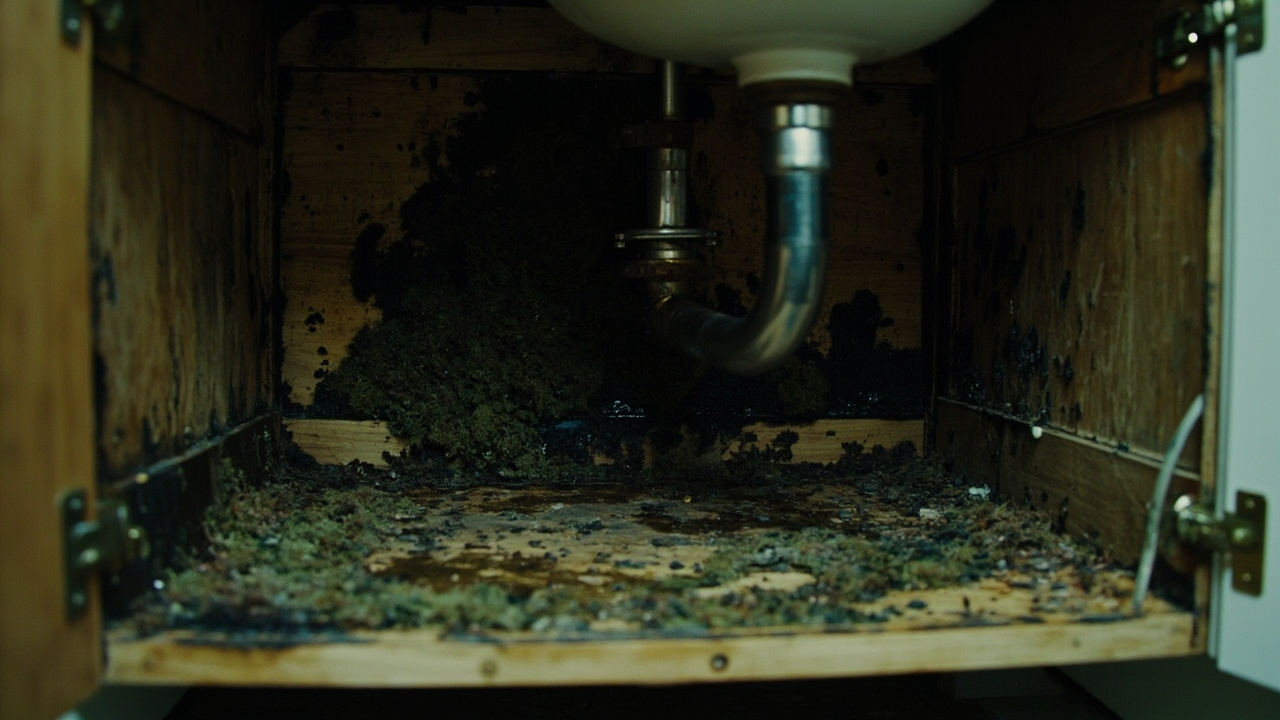
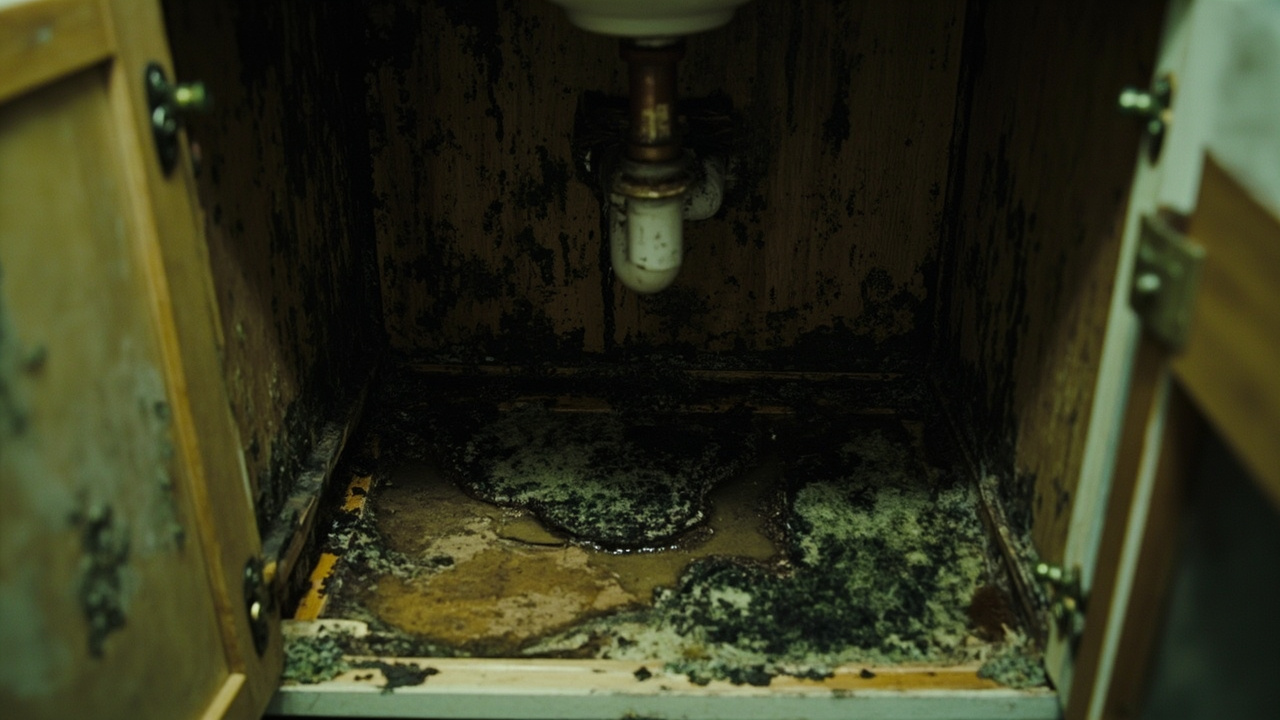
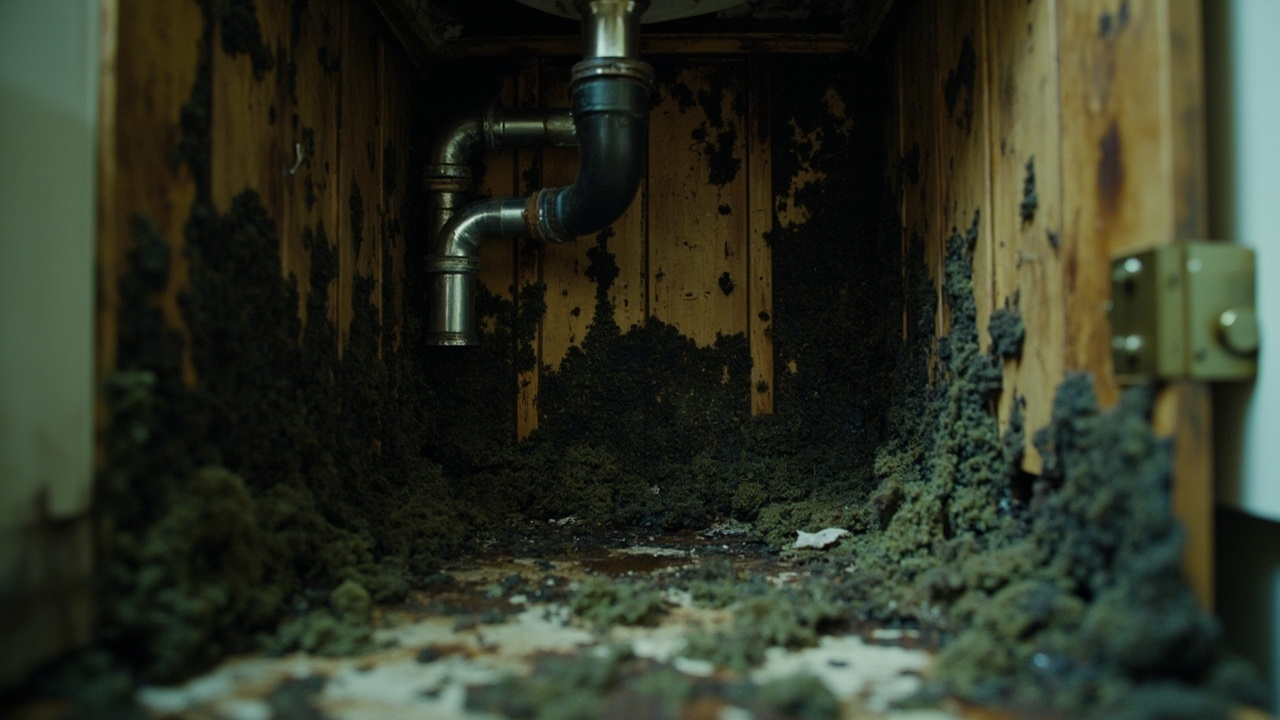
You open the cabinet door and see fuzzy black spots creeping across the back panel. The damp smell hits you first. Then you notice the warped particleboard and discolored wall behind the sink. Mold in bathroom cabinets is a serious problem in San Jose because of how our homes are built and maintained.

San Jose's mild winter temperatures keep homes sealed tight for months, which traps moisture inside bathroom vanities. When you run hot water, condensation forms on cold drain pipes. Over time, a pinhole leak or failed wax seal can drip unnoticed inside the enclosed space. The damp wood becomes a breeding ground for bathroom vanity mold and mildew in bathroom cabinets.

Many San Jose homes, especially those built before 1990 in neighborhoods like Willow Glen and Rose Garden, have older cast iron or galvanized drain pipes that corrode from the inside. You might not see water pooling, but moisture seeps into the cabinet base continuously. Mold under bathroom sink areas grows silently because the space is dark, humid, and rarely inspected.

Bathroom cupboard mold also thrives when silicone caulk around the sink rim fails. Water seeps down between the countertop and cabinet box during every hand wash or tooth brushing session. This slow drip feeds mold growth inside vanity spaces where air circulation is poor. The longer it goes unchecked, the more dangerous it becomes. Mold spores spread into your HVAC system and throughout your living spaces, impacting indoor air quality and health.

If you smell mildew when you open the cabinet or notice soft, discolored wood, you have an active moisture problem that needs professional diagnosis.

Why San Jose Homes Develop Mold in Bathroom Cabinets
How We Locate and Stop Bathroom Vanity Mold at the Source

How We Locate and Stop Bathroom Vanity Mold at the Source

Wiping down visible mold does not fix the problem. The moisture source keeps feeding it. Heritage Plumbing San Jose treats mold in bathroom cabinets as a plumbing diagnostic issue, not just a cleaning task. We find where the water is coming from and stop it permanently.

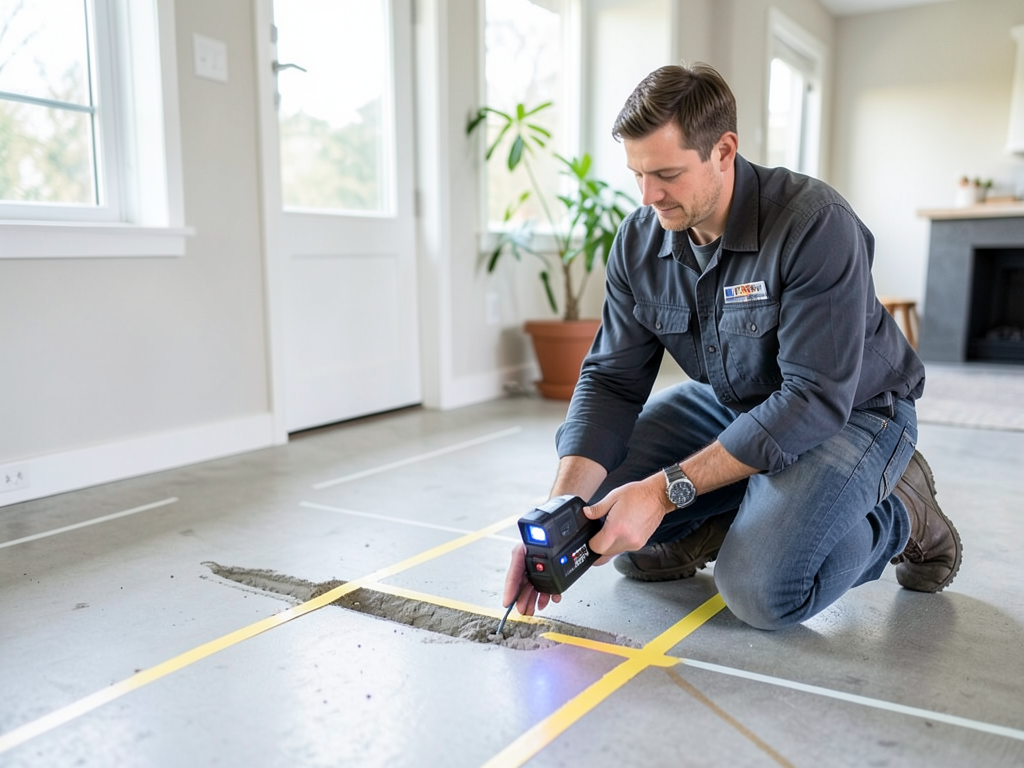
Our first step is a thorough moisture inspection. We use infrared thermal imaging to detect hidden water intrusion behind walls and under flooring. This technology shows us temperature differences that indicate wet materials, even when no water is visible. We inspect all drain connections, shutoff valves, supply lines, and sink rim seals. Most mildew in bathroom cabinets comes from a slow leak you cannot see with the naked eye.

We pressurize drain lines to check for cracks or compromised seals in the P-trap assembly. Many older San Jose homes have plastic P-traps that become brittle over time. The threads crack and allow sewer gas and moisture to escape into the cabinet. We also inspect the drain tailpiece connection where it enters the sink basin. If the plumber's putty or rubber gasket has dried out, water seeps down during every use.

Once we locate the moisture source, we replace failed components with corrosion-resistant materials. We use PVC or ABS drain assemblies with proper slip joint connections and silicone gaskets. We re-seal sink rims with mold-resistant silicone caulk rated for wet environments. If the cabinet base is saturated, we recommend removal and replacement to eliminate the contaminated material. Mold growth inside vanity spaces cannot be fully remediated if the substrate remains damp and porous.

We do not just patch the problem. We fix the plumbing failure that caused it, then guide you on ventilation improvements to prevent recurrence.

What Happens During a Mold Inspection and Moisture Remediation

Mold in Bathroom Cabinets in San Jose – Expert Detection and Permanent Moisture Control
01

Diagnostic Inspection

We arrive with thermal imaging equipment and moisture meters to scan your bathroom vanity and surrounding walls. We remove all stored items from the cabinet and inspect every drain connection, shutoff valve, and supply line. We check for soft spots in the cabinet floor, discoloration on the back panel, and failed caulk around the sink rim. This inspection reveals the exact source of water intrusion feeding the mold.
02

Moisture Source Repair

Once we identify the leak or condensation point, we replace the faulty component. This could mean installing a new P-trap assembly, replacing corroded shutoff valves, tightening loose slip joints, or re-sealing the sink basin. We use mold-resistant materials and ensure all connections are watertight. If the cabinet itself is compromised, we recommend replacement before mold spreads to wall framing or adjacent rooms. We address the plumbing failure completely.
03

Prevention and Follow-Up

After repairs, we provide guidance on improving ventilation in your bathroom to reduce humidity buildup. We recommend running exhaust fans during and after showers, checking for proper fan ductwork, and periodically inspecting under-sink areas for early signs of moisture. We document the repair with photos and explain what to watch for in the future. You get a detailed report showing what we fixed and why it was necessary for long-term mold prevention.

Why San Jose Homeowners Trust Us to Diagnose Hidden Moisture Problems

Mold in bathroom cabinets is not a cosmetic issue. It signals a plumbing failure that will get worse until the moisture source is eliminated. Heritage Plumbing San Jose has spent years diagnosing these problems in homes throughout Santa Clara County. We understand how San Jose's older housing stock, mild climate, and indoor humidity patterns create perfect conditions for bathroom cupboard mold.

Many plumbers treat mold as someone else's problem. They replace a drain pipe and leave. We take a forensic approach. We want to know why the pipe failed, what allowed moisture to accumulate, and whether other areas of your plumbing system are at risk. This level of diligence protects your home from recurring damage and keeps your family safe from airborne mold exposure.

We are familiar with the building practices common in San Jose neighborhoods like Cambrian Park, Almaden Valley, and Evergreen. Many homes built in the 1970s and 1980s used particleboard vanity boxes that absorb water like a sponge. Once compromised, these cabinets cannot be saved. We give you honest recommendations about when to repair and when to replace. We do not upsell unnecessary work, but we also do not leave you vulnerable to future problems.

Our diagnostic tools give us an advantage. Thermal imaging shows us what is happening inside walls and under floors. Moisture meters quantify the severity of water intrusion. We provide you with data, not guesses. You see exactly what we see, and you understand why our recommended repairs matter.

We also coordinate with remediation specialists if mold growth is extensive. We handle the plumbing repair, they handle the mold removal, and you get a complete solution. We stay involved to ensure the moisture problem is fully resolved before any cosmetic work begins.

What You Can Expect When You Call Us About Mold in Bathroom Cabinets

Fast Response Time

We know mold spreads quickly once moisture is present. We schedule inspections within 24 to 48 hours of your call. If you have an active leak, we prioritize same-day service to stop water damage immediately. Our team arrives with the diagnostic equipment needed to assess the situation on the first visit. You get answers fast, and we provide a clear action plan before we leave. We do not make you wait while mold continues to grow.

Thorough Moisture Assessment

We do not assume the problem is isolated to one cabinet. We inspect adjacent walls, flooring, and plumbing fixtures to rule out hidden leaks. We use thermal imaging to detect temperature anomalies that indicate moisture behind drywall or under tile. We measure moisture content in wood and drywall to determine if materials need replacement. You receive a detailed inspection report with photos and moisture readings. This documentation is valuable for insurance claims and gives you a clear understanding of the scope of the problem.

Complete Plumbing Repair

We replace failed drain components, shutoff valves, supply lines, and seals with high-quality materials designed for wet environments. We test all connections under pressure to confirm they are watertight. We re-seal sink rims with mold-resistant silicone caulk and ensure proper drainage slope in all pipe runs. If we find corrosion or deterioration in adjacent plumbing, we let you know so you can make informed decisions about preventive repairs. You get a moisture-free vanity space and peace of mind that the problem is fixed correctly.

Long-Term Prevention Guidance

After we complete repairs, we walk you through maintenance steps to prevent mold from returning. We show you how to inspect under-sink areas for early signs of moisture, explain how to improve bathroom ventilation, and recommend when to replace aging plumbing components. We provide a written summary of our findings and repairs so you have a record for future reference. If mold reappears, we come back to investigate why. Our goal is permanent resolution, not temporary patches. You get ongoing support and expert advice whenever you need it.

Frequently Asked Questions

You Have Questions,
We Have Answers

Why is there mold in my bathroom cabinet? +

Mold grows in bathroom cabinets due to moisture buildup and poor ventilation. San Jose homes, especially in older neighborhoods near Willow Glen and Rose Garden, often have under-sink plumbing leaks that go unnoticed. When water pools beneath sinks or condensation forms on cold pipes, it creates the humid environment mold needs. Bathroom cabinets trap this moisture with limited airflow. Leaking supply lines, worn caulking around fixtures, or slow drains can all contribute. If you spot discoloration or smell mustiness when opening cabinet doors, you have a moisture problem that needs immediate attention before structural damage occurs.

Will mold go away if it dries out? +

No, mold does not go away when it dries. Dried mold becomes dormant but remains alive and capable of releasing spores into your air. The moment moisture returns, it reactivates and spreads. In San Jose's mild climate with marine layer fog penetrating neighborhoods from Almaden Valley to Berryessa, humidity fluctuates enough to repeatedly reactivate dormant mold. Dried mold is also fragile and crumbles easily, sending more spores airborne when disturbed. You must physically remove all mold growth and fix the underlying moisture source. Surface drying is not remediation. Professional cleaning ensures complete removal and prevents recurrence.

Is the black mold in my bathroom toxic? +

Black mold in bathrooms can be toxic, but not all black mold is the dangerous Stachybotrys chartarum species. Regardless of type, any mold growth presents health risks through allergens and irritants. Without lab testing, you cannot identify the species visually. Common bathroom molds like Cladosporium and Aspergillus appear black and cause respiratory issues, skin irritation, and headaches. For San Jose residents with allergies or asthma, exposure worsens symptoms. Children and elderly family members face higher risks. Treat all mold as a health hazard. Remove it promptly and address the moisture problem causing growth.

What to do if you find mold in cabinets? +

If you find mold in cabinets, stop using the space immediately. Wear gloves and a mask before investigating further. Check for active leaks under sinks and turn off water supply if needed. Remove all items from the cabinet and inspect the extent of growth. Small patches under three square feet can be cleaned with proper protection, but larger infestations require professional remediation. Document the damage with photos for insurance purposes. In San Jose, many homeowners insurance policies cover sudden water damage and resulting mold. Address the moisture source first, then clean or replace affected materials.

What are the first signs of mold sickness? +

First signs of mold sickness include persistent headaches, nasal congestion, coughing, and throat irritation. You may notice symptoms worsen at home and improve when away. Eye irritation, skin rashes, and fatigue are common early indicators. For San Jose residents with seasonal allergies, mold symptoms often get mistaken for pollen reactions, delaying proper diagnosis. Wheezing, difficulty breathing, and chest tightness signal more serious exposure. If multiple family members develop simultaneous respiratory issues without other explanation, suspect mold. Track when symptoms appear relative to time spent in specific rooms. Early recognition prevents prolonged exposure and more severe health complications.

What kills mold permanently? +

Nothing kills mold permanently if moisture remains. EPA-registered antimicrobial solutions kill active mold, but you must physically remove dead growth and spores. For non-porous surfaces, scrub with detergent and water, then apply a biocide solution. Porous materials like drywall and cabinet particleboard cannot be fully cleaned and require replacement. The key to permanent mold elimination is controlling moisture. Fix leaks, improve ventilation, and maintain humidity below 50 percent. In San Jose bathrooms, especially older homes in Naglee Park and Willow Glen, exhaust fans and dehumidifiers prevent recurrence after professional remediation addresses existing growth.

Does wiping mold release spores? +

Yes, wiping mold releases spores into the air. Disturbing mold colonies sends microscopic spores airborne, where they spread to new surfaces and enter your respiratory system. This is why proper containment matters during removal. Use HEPA-filtered vacuums to capture loosened material before wiping. Mist the surface lightly with water to reduce airborne particles. Wear an N95 mask at minimum. Seal the work area and turn off HVAC systems to prevent spore circulation throughout your San Jose home. Disposal bags should be sealed immediately. For significant growth, professional remediation uses negative air pressure and containment barriers to prevent cross-contamination.

Will a dehumidifier get rid of mold? +

A dehumidifier helps prevent mold but does not eliminate existing growth. Mold requires moisture to thrive, and maintaining humidity below 50 percent stops new colonization. However, dehumidifiers cannot remove established mold or kill spores already present. You must physically clean existing mold first, then use dehumidifiers as prevention. In San Jose bathrooms with poor ventilation, dehumidifiers work alongside exhaust fans to manage moisture. They are most effective in enclosed spaces like cabinet interiors after you address leaks and improve airflow. Think of dehumidifiers as ongoing maintenance, not remediation. They control conditions but do not reverse damage.

Is dry mold still toxic? +

Yes, dry mold remains toxic. Dormant spores and mycotoxins persist even without active growth. When disturbed, dried mold fragments easily and releases concentrated spores into your breathing space. These particles are lighter and stay airborne longer than wet mold. Health risks continue until you remove all contaminated material. San Jose homeowners often discover dried mold in cabinets that were damaged months earlier by a forgotten leak. The mustiness fades, creating false security. Toxicity depends on mold species, not moisture level. Do not assume dry mold is safe. Complete removal protects your family from ongoing exposure and allergic reactions.

How quickly will black mold make you sick? +

Black mold sickness timing varies by individual health, exposure level, and mold species. Some people react within hours to high spore concentrations, experiencing immediate respiratory irritation and headaches. Others tolerate low-level exposure for weeks before noticing symptoms. Children, elderly individuals, and those with compromised immune systems react fastest. In San Jose homes with hidden cabinet mold, residents often report symptoms developing over days to weeks of repeated exposure. Acute reactions happen quickly, while chronic health effects accumulate over months. The concentration of spores matters more than duration. If you suspect black mold, remove yourself from exposure immediately and seek medical evaluation.

How San Jose's Mild Winters and Indoor Humidity Patterns Drive Bathroom Vanity Mold Growth

San Jose's Mediterranean climate keeps homes sealed for extended periods during the cool season. Unlike regions with harsh winters that require constant heating and air circulation, our homes stay closed up from November through March with minimal ventilation. This traps humidity from cooking, showering, and laundry inside the building envelope. Bathrooms become particularly vulnerable because hot showers create steam that condenses on cold surfaces and inside enclosed cabinets. When a slow leak or failed seal allows even a small amount of water to drip into the vanity, the moisture cannot evaporate quickly enough. Mold under bathroom sink areas thrives in this stagnant, humid environment. The problem is especially common in older San Jose homes without modern exhaust fans or those with bathroom fans vented into attics instead of outdoors.

Heritage Plumbing San Jose has built a reputation throughout Santa Clara County by focusing on root cause diagnosis rather than surface-level fixes. We understand the construction methods and plumbing materials common in local neighborhoods. Many San Jose homes were built during rapid expansion periods when cost-effective materials like particleboard vanities and plastic drain fittings were standard. These materials degrade over time, especially in humid conditions. We stay current with California plumbing codes and building standards, which means our repairs meet or exceed local requirements. When you choose a local plumbing company that understands how San Jose homes are built and how our climate affects them, you get solutions that last.
Plumbing Services in The San Jose Area

Heritage Plumbing San Jose is proud to serve the entire San Jose community and its neighboring areas, offering prompt, reliable service right to your doorstep. Use the interactive map below to confirm our central location and see the extensive area we cover, or simply call our office to verify service in your specific neighborhood. We look forward to being your local, professional plumbing partner you can always trust for expert solutions and dedicated customer care.

Address:
Heritage Plumbing San Jose, 99 S Almaden Blvd, San Jose, CA, 95113

Additional Services We Offer

Our news updates

Latest Articles & News from The Blogs

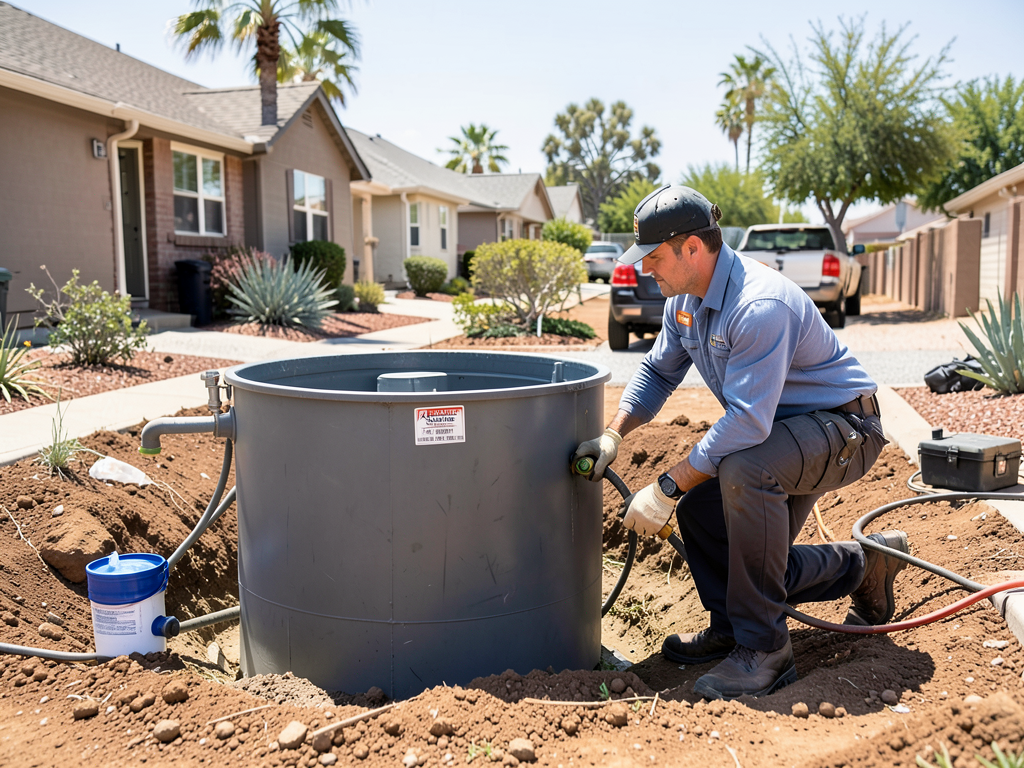
How to Protect Your New Almaden Septic Tank During a Heavy Rainy Season Living in Almaden Valley means enjoying beautiful…

How to Protect Your New Almaden Septic Tank During a Heavy Rainy Season

How to Protect Your New Almaden Septic Tank During a Heavy Rainy Season Living in Almaden Valley means enjoying beautiful…

What San Jose Homeowners Need to Know About the 2026 Water Conservation Standards

What San Jose Homeowners Need to Know About the 2026 Water Conservation Standards Starting in 2026 San Jose homeowners will…

Why Your Fairglen Eichler Needs a Specialist for Radiant Floor Heating Leaks

Why Your Fairglen Eichler Needs a Specialist for Radiant Floor Heating Leaks If your Fairglen Eichler is showing signs of…

Contact Us

Do not let mold continue to spread in your bathroom cabinets. Call Heritage Plumbing San Jose at (408) 381-5355 for a thorough moisture inspection and expert plumbing repair. We find the source, fix it right, and give you lasting peace of mind.