menu

Understanding Backflow Testing in San Jose – Clear Answers on Compliance, Safety, and Annual Certification Requirements

Get the facts on backflow prevention assembly testing in San Jose, including why annual certification matters, what the inspection process involves, and how water backflow testing requirements protect your property and community.

Slider Image 1
Slider Image 2
Slider Image 3
Slider Image 4
Slider Image 5
Slider Image 7
Slider Image 8
Slider Image 9
Slider Image 10
Slider Image 11

Why Backflow Testing Is Non-Negotiable in San Jose's Water System

San Jose operates under some of the strictest water quality regulations in California. The municipal water system serves over one million residents, and contamination from even one faulty backflow preventer can compromise the supply for entire neighborhoods. This is not theoretical. Backflow incidents have caused waterborne illness outbreaks across the state when non-potable water reverses into the drinking supply.

Your property connects to the same pressurized water grid as hospitals, schools, and food service businesses. When pressure drops happen during firefighting operations or main breaks, any backflow prevention assembly that is not functioning correctly becomes a direct contamination risk. The city's water department does not take chances. Annual backflow certification is mandatory for commercial properties, irrigation systems, fire suppression lines, and any residential setup with cross-connections.

The backflow device testing procedures are standardized across California under Title 17 of the state health code. San Jose Water Company requires certified testers to submit results directly to their compliance database. If you miss the deadline or fail inspection, you receive a violation notice. Repeat offenses can result in water service disconnection.

Backflow preventer inspection is not a courtesy checkup. It is a legal requirement and a public health safeguard. The testing process verifies that check valves, relief valves, and air gaps function under both normal and backpressure conditions. Understanding water backflow testing requirements helps you avoid fines, protect your water quality, and maintain compliance with local ordinances.

Why Backflow Testing Is Non-Negotiable in San Jose's Water System
What Actually Happens During Backflow Prevention Assembly Testing

What Actually Happens During Backflow Prevention Assembly Testing

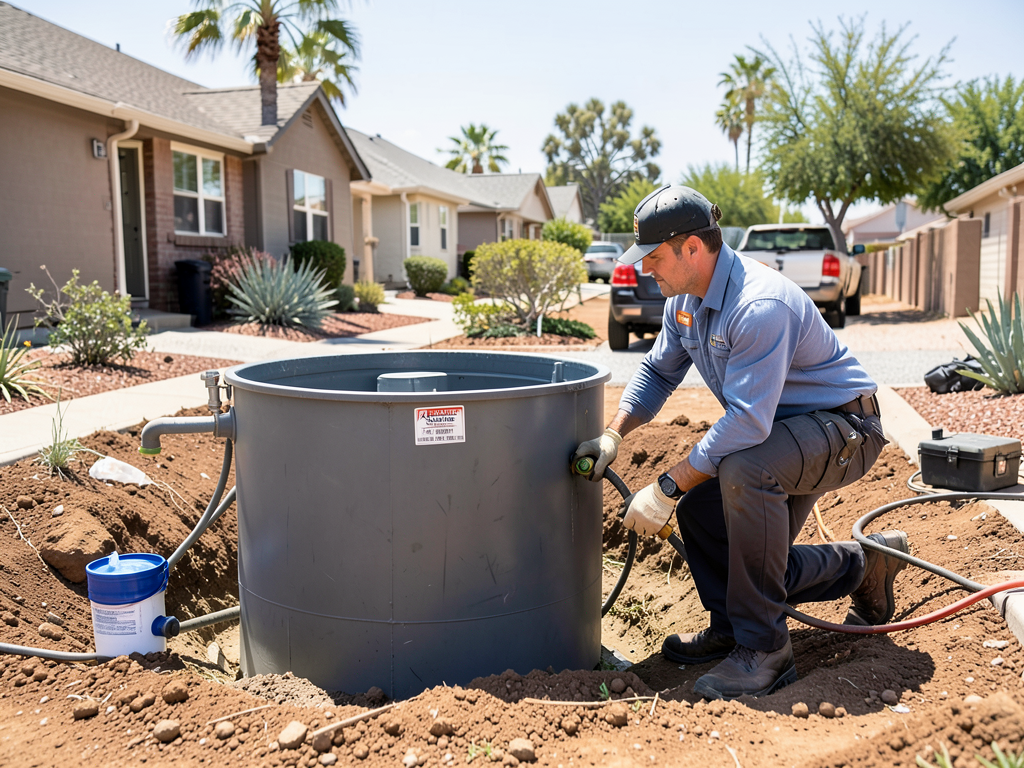
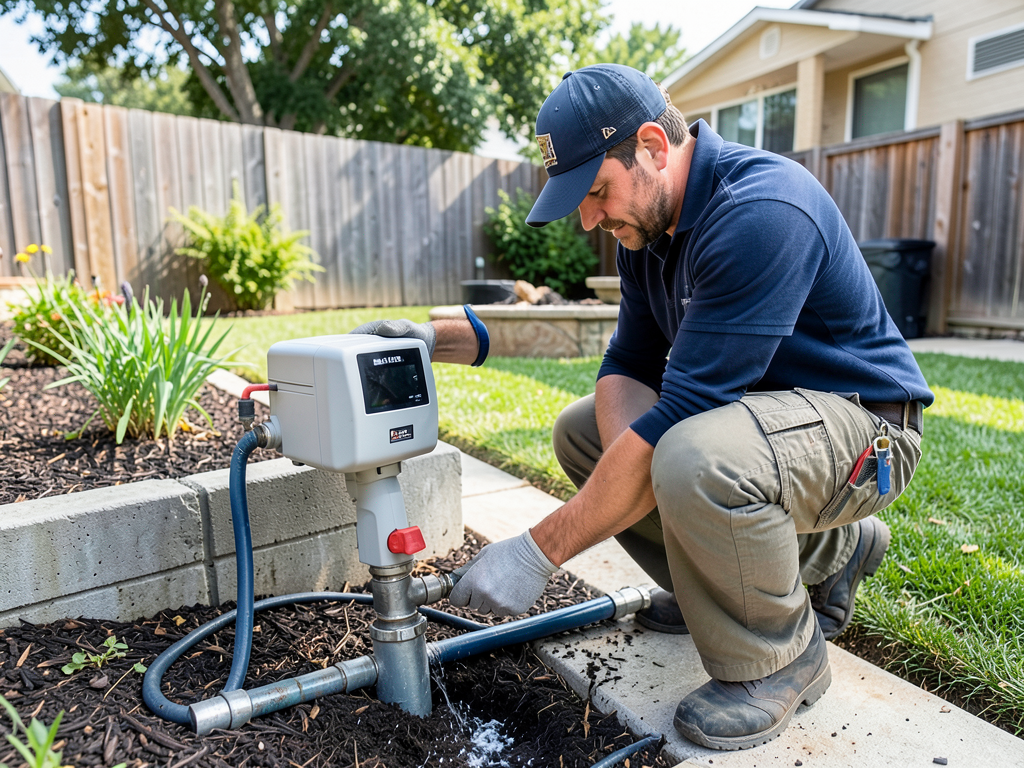
Backflow prevention assembly testing follows a precise protocol. The tester isolates the device from the water supply, attaches a differential pressure gauge, and measures the closing force of each check valve. The test also evaluates the relief valve's opening point under backpressure and back-siphonage conditions. If any component fails to meet the minimum pressure differential, the assembly fails.

Common assemblies in San Jose include reduced pressure zone devices, double check valve assemblies, and pressure vacuum breakers. Each type has different test procedures. A reduced pressure zone assembly, for example, requires testing four separate check points: the two check valves, the differential pressure relief valve, and the zone between them. The entire process takes 20 to 40 minutes per device, depending on configuration and accessibility.

Testing does not stop at measurement. The certified tester documents the make, model, serial number, and test results on a state-approved form. This report goes to the water utility, the property owner, and often the local health department. If the device fails, you have a limited window to repair or replace it and schedule a retest before penalties apply.

Repairs typically involve replacing rubber seals, springs, or check valve seats that have degraded over time. Mineral buildup from San Jose's moderately hard water can also interfere with valve operation. A failed test does not always mean total replacement, but it does require immediate corrective action by a certified backflow technician. Heritage Plumbing San Jose maintains the certifications and test equipment to handle annual inspections and emergency repairs across all assembly types.

How the Backflow Testing Appointment Works From Start to Finish

Understanding Backflow Testing in San Jose – Clear Answers on Compliance, Safety, and Annual Certification Requirements
01

Scheduling and Site Access

You schedule the test before your annual deadline, which is typically based on the last test date or a calendar year cycle. The technician confirms the location of all backflow assemblies on your property, including irrigation lines, fire sprinklers, and any auxiliary water connections. You provide access to the devices, which may be in mechanical rooms, exterior walls, or underground vaults.
02

On-Site Testing Procedure

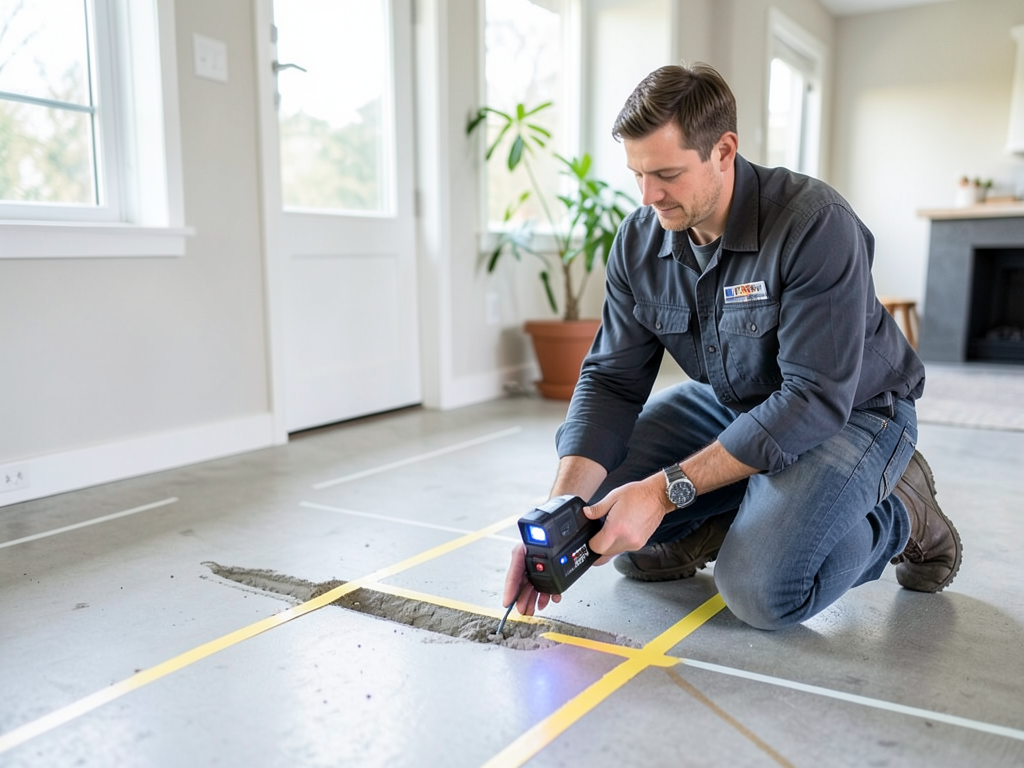
The technician shuts off downstream water flow, connects calibrated test gauges, and runs the full test sequence per manufacturer specifications. Each valve is cycled multiple times to verify consistent performance. The technician records pressure differentials, identifies any leaks or wear, and notes whether the assembly passes or requires repair. This is the diagnostic phase that determines compliance.
03

Reporting and Compliance Filing

After testing, you receive a copy of the official test report showing pass or fail status. The technician submits the results directly to San Jose Water Company or the municipal authority that governs your service area. If repairs are needed, you get a detailed list of failed components and a timeline for correction. Once repairs are complete, a retest confirms compliance and closes out the annual requirement.

Why San Jose Property Owners Trust Local Backflow Experts

Backflow testing is not a DIY task. California requires testers to hold a valid certification from an American Water Works Association or American Backflow Prevention Association approved program. The tester must also carry calibrated gauges that are recertified annually by an accredited lab. Heritage Plumbing San Jose meets these requirements and maintains up-to-date certifications for all technicians performing backflow prevention assembly testing.

Local expertise matters because San Jose's water infrastructure has unique characteristics. The city's water supply comes from a mix of surface water and groundwater sources, with seasonal pressure fluctuations during high-demand periods. Irrigation systems in residential neighborhoods often share service lines with potable water, creating cross-connection risks that require specific assembly types. A technician familiar with local codes can identify these risks during routine inspections.

San Jose also enforces strict deadlines. The water utility sends annual reminders, but the responsibility to schedule and complete testing falls on the property owner. Miss the deadline and you face late fees, escalating fines, and potential service interruption. Choosing a local plumbing company that understands the submission process and can expedite repairs prevents these complications.

We also see patterns in how different assemblies age in this region. The mineral content in local water accelerates wear on rubber seals and check valve components. Outdoor assemblies exposed to San Jose's dry summers and wet winters face thermal cycling that degrades performance faster than indoor units. This local knowledge allows us to predict failure points and recommend proactive replacements before a device fails mid-test. You get compliance and long-term reliability in one service call.

What to Expect When You Schedule Backflow Testing

Testing Turnaround Time

Most backflow tests are completed in a single appointment lasting 30 to 60 minutes, depending on the number of assemblies on your property. Commercial sites with multiple fire lines or irrigation zones may require additional time. We schedule appointments during business hours for commercial clients and offer flexible timing for residential properties. Reports are filed with the water utility within 48 hours of testing. If repairs are needed, we provide a written estimate on-site and can often complete minor valve replacements the same day.

Pre-Test Assessment

Before running the formal test, the technician inspects the assembly for visible damage, leaks, or signs of tampering. This visual check identifies issues like corroded fittings, damaged test cocks, or improper installation that could affect test accuracy. If the assembly is buried or enclosed, we verify that access points are clear and that shut-off valves upstream and downstream are functioning. This preliminary step prevents wasted time and ensures the test runs smoothly without interruptions.

Test Results and Certification

A passing test means your backflow preventer meets all state and local performance standards. You receive a dated certificate and a copy of the test report for your records. This documentation satisfies your annual compliance requirement and protects you in the event of a water quality investigation. If the assembly fails, we explain which components are out of spec and why. You get a clear repair plan with pricing and a timeline for retesting. There is no ambiguity about what needs to happen next.

Ongoing Maintenance Recommendations

Annual testing is the minimum legal requirement, but backflow assemblies benefit from periodic inspections between test cycles. We recommend checking outdoor assemblies after winter freezes or before irrigating season starts. Fire sprinkler backflow devices should be visually inspected quarterly for leaks or pressure drops. If your property has high water usage or operates equipment that creates backpressure, more frequent professional inspections reduce the risk of sudden failures. We offer maintenance plans that include reminders, priority scheduling, and discounted service calls for San Jose properties with multiple assemblies.

Frequently Asked Questions

You Have Questions,
We Have Answers

How to read a backflow test report? +

A backflow test report lists each component of your device and shows if it passed or failed. Look for the check valve test results, which measure differential pressure in PSI. You will see readings for the inlet shutoff valve, number one check valve, and number two check valve. Passing means the valves held pressure within acceptable ranges. Failed components show readings below the minimum threshold. The report also notes the assembly serial number, test date, and tester certification number. San Jose Water requires these reports for annual compliance. If any component fails, you need immediate repair or replacement before the device can pass retesting.

How does backflow testing work? +

Backflow testing uses specialized gauges to measure pressure differentials across check valves and relief valves inside your assembly. A certified tester attaches test equipment to designated ports on your device. They close shutoff valves in sequence and monitor how well internal components hold pressure. The tester simulates backpressure and backsiphonage conditions to verify valves seal properly. Each component must maintain minimum pressure thresholds. Testing takes 15 to 30 minutes depending on assembly type. San Jose requires annual testing by certified professionals to protect the municipal water supply. The tester submits results directly to San Jose Water to maintain compliance records.

What are the basics of backflow preventer? +

A backflow preventer stops contaminated water from reversing direction and entering the clean water supply. It contains check valves that open during normal flow and slam shut when reverse pressure occurs. Most devices also include a relief valve that opens to discharge water if internal pressure builds dangerously high. The assembly sits on your main water line after the meter. San Jose requires backflow preventers on irrigation systems, fire sprinkler lines, and commercial properties with potential contamination sources. These devices need annual testing because internal components wear over time. Proper installation requires correct orientation, clearance for testing, and protection from freezing.

Do all plumbers do backflow testing? +

No. Backflow testing requires specialized certification beyond a standard plumbing license. Testers must complete state-approved training and pass an exam through the American Water Works Association or American Backflow Prevention Association. They need calibrated test equipment that meets strict accuracy standards. Many plumbers install backflow preventers but cannot legally test them. San Jose mandates that only certified backflow testers perform annual inspections and submit reports. When you need testing, verify the technician holds current California certification. Some plumbing companies employ certified testers on staff, while others focus only on installation and repair work. Always ask for credentials before scheduling testing.

How to read water testing results? +

Water testing results show contaminant levels measured in parts per million or milligrams per liter. Compare your numbers against EPA maximum contaminant levels. Results below the threshold mean safe water. Bacteria tests show presence or absence rather than quantities. Positive coliform results require immediate action. For backflow concerns, look for sudden changes in chlorine levels, bacteria detection, or chemical contamination that was not present before. San Jose maintains strict water quality standards. If your property shows contamination after a backflow incident, you need immediate device repair and retesting. The water utility may require flushing or disinfection before restoring service.

What are the 4 types of backflow preventers? +

The four main types are pressure vacuum breakers, double check valve assemblies, reduced pressure zone devices, and atmospheric vacuum breakers. Pressure vacuum breakers work for irrigation and require annual testing. Double check valves protect against low-hazard backpressure situations. Reduced pressure zone assemblies offer maximum protection for high-hazard applications like commercial buildings and require testable shutoff valves. Atmospheric vacuum breakers provide basic protection but cannot handle backpressure. San Jose assigns device types based on hazard level. Irrigation systems typically need pressure vacuum breakers or reduced pressure assemblies. Commercial properties with chemical feeds or fire systems require reduced pressure zone devices for compliance.

Is backflow testing hard? +

Backflow testing requires technical skill and precision but is not physically difficult. Certified testers must understand hydraulics, interpret pressure readings, and follow strict testing procedures. The challenge lies in accuracy and recognizing when assemblies need adjustment or repair. You cannot legally perform testing without state certification. Training programs cover assembly types, testing protocols, and troubleshooting failed components. Most testers complete certification within weeks. The actual testing process is straightforward once trained. San Jose property owners should hire certified professionals rather than attempt DIY testing. Incorrect testing wastes time and risks compliance violations. Certification ensures testers use calibrated equipment and submit valid reports.

What happens if you fail a backflow test? +

You receive a failed report listing which components did not meet specifications. You must hire a plumber to repair or replace the failed parts. Common failures include worn check valves, damaged diaphragms, or debris blocking valve seats. After repairs, you schedule retesting with a certified tester. San Jose Water gives you a short window to complete repairs and pass retesting before issuing compliance violations. Continued failure results in fines and potential water service interruption. Do not ignore failed tests. Address repairs immediately to avoid escalating problems. Most assemblies pass after replacing worn internal parts. Complete device replacement may be necessary if the assembly is severely corroded.

What are the two conditions that can cause backflow? +

Backpressure and backsiphonage cause backflow. Backpressure happens when downstream pressure exceeds supply pressure, forcing water backward. Boilers, elevated tanks, and pressure pumps create backpressure conditions. Backsiphonage occurs when supply pressure drops below atmospheric pressure, creating suction that pulls contaminated water into clean lines. Water main breaks, heavy firefighting demand, and pump failures trigger backsiphonage. San Jose experiences occasional pressure fluctuations during infrastructure maintenance or emergencies. Both conditions allow contamination to enter the potable water system. Properly functioning backflow preventers stop reverse flow regardless of which condition occurs. Annual testing confirms your device protects against both hazards.

What are the signs of a bad backflow valve? +

Discolored water, unexpected pressure drops, and visible leaks around the assembly indicate problems. You might notice water spraying from the relief valve during normal use, which signals internal failure. Rusty or corroded housing suggests deterioration that affects internal components. If your irrigation system shows reduced pressure or uneven sprinkler performance, the backflow device may be clogged. Strange noises like chattering or banging when water flows point to valve problems. San Jose properties should schedule testing immediately if you notice these signs. Do not wait for annual testing if symptoms appear. Failed backflow preventers compromise water safety and violate compliance requirements. Early detection prevents contamination incidents.

How San Jose's Water Quality Standards Make Backflow Testing Critical

San Jose draws water from local reservoirs, imported surface supplies, and underground aquifers. The city blends these sources to maintain consistent quality, but this also means the system operates under variable pressure conditions. During peak demand periods or emergency firefighting operations, pressure can drop suddenly, creating siphon conditions that pull water backward through unprotected connections. This is when backflow preventers earn their keep. A single failed device on a property with a chemical injection system, medical equipment, or industrial process water can reverse contaminants into the municipal supply. The city's annual backflow certification requirement exists because the risk is real and the consequences are severe.

Heritage Plumbing San Jose has tested thousands of backflow assemblies across the region. We know which models are installed in older neighborhoods near downtown, which irrigation controllers are common in Almaden Valley, and how commercial properties in North San Jose configure their fire suppression backflow devices. This local familiarity speeds up diagnostics and ensures we bring the right parts to every appointment. We also maintain direct communication channels with San Jose Water Company and understand their submission requirements, so your test results are filed correctly the first time. Choosing a local company means fewer headaches and faster compliance.
Plumbing Services in The San Jose Area

Heritage Plumbing San Jose is proud to serve the entire San Jose community and its neighboring areas, offering prompt, reliable service right to your doorstep. Use the interactive map below to confirm our central location and see the extensive area we cover, or simply call our office to verify service in your specific neighborhood. We look forward to being your local, professional plumbing partner you can always trust for expert solutions and dedicated customer care.

Address:
Heritage Plumbing San Jose, 99 S Almaden Blvd, San Jose, CA, 95113

Additional Services We Offer

Our news updates

Latest Articles & News from The Blogs

Your toilet bowl should maintain a consistent water level, but when it drops unexpectedly, it signals an underlying plumbing issue…

Why the water level in your Cambrian Park toilet bowl keeps dropping

Your toilet bowl should maintain a consistent water level, but when it drops unexpectedly, it signals an underlying plumbing issue…

Can you install a greywater system to water your Burbank garden?

Professional Greywater System Installation in Burbank, CA Greywater systems can cut your outdoor water use by up to 50 percent…

Why high water pressure is actually damaging your Silver Creek plumbing system

Why High Water Pressure Is Actually Damaging Your Silver Creek Plumbing System High water pressure in your Silver Creek home…

Contact Us

Do not wait for a violation notice. Schedule your annual backflow testing now and avoid fines or service interruptions. Call Heritage Plumbing San Jose at (408) 381-5355 to book your inspection and get certified results filed with the city on time.