menu

Plumbing Inspection Checklist San Jose – Prevent Costly Repairs with Expert System Assessments

Our comprehensive home plumbing inspection list catches hidden issues in your water supply lines, drainage systems, and fixtures before they escalate into emergency repairs, saving San Jose homeowners thousands in preventable damage.

Slider Image 1
Slider Image 2
Slider Image 3
Slider Image 4
Slider Image 5
Slider Image 7
Slider Image 8
Slider Image 9
Slider Image 10
Slider Image 11

Why San Jose Homes Need Regular Plumbing System Inspections

San Jose sits on expansive clay soil that shifts with seasonal moisture changes, placing constant stress on underground supply lines and sewer laterals. The Bay Area's hard water compounds the problem, depositing mineral scale inside pipes, water heaters, and fixture valves. These two factors combine to create plumbing failures that catch homeowners off guard.

Most residential plumbing checkup lists focus on visible fixtures, missing the hidden vulnerabilities that matter most. Your angle stops may show no external corrosion while the valve seats deteriorate inside. Your sewer line may drain fine today while tree roots slowly penetrate the joints beneath your foundation. Without a preventative plumbing maintenance checklist that addresses both visible and concealed components, small problems become catastrophic failures.

The homes in Willow Glen and Rose Garden average 60-plus years old, with original galvanized supply lines, cast iron waste stacks, and outdated venting systems. Even newer construction in North San Jose faces challenges from rapid development that sometimes compromises installation quality. A proper plumbing maintenance checklist accounts for your home's age, pipe materials, water pressure, and the specific soil conditions in your neighborhood.

You need a plumbing system inspection guide that goes beyond surface-level checks. Thermal imaging reveals hidden slab leaks. Hydrostatic testing identifies waste line integrity before sewage backs up into your home. Video inspection maps your sewer lateral condition from your foundation to the city main. These diagnostic tools transform a basic home plumbing inspection list into a predictive maintenance tool that protects your largest investment.

Why San Jose Homes Need Regular Plumbing System Inspections
The Components Every Residential Plumbing Checkup List Must Include

The Components Every Residential Plumbing Checkup List Must Include

A complete plumbing inspection checklist examines three critical systems: water supply, drainage and waste, and gas distribution if your home uses natural gas appliances.

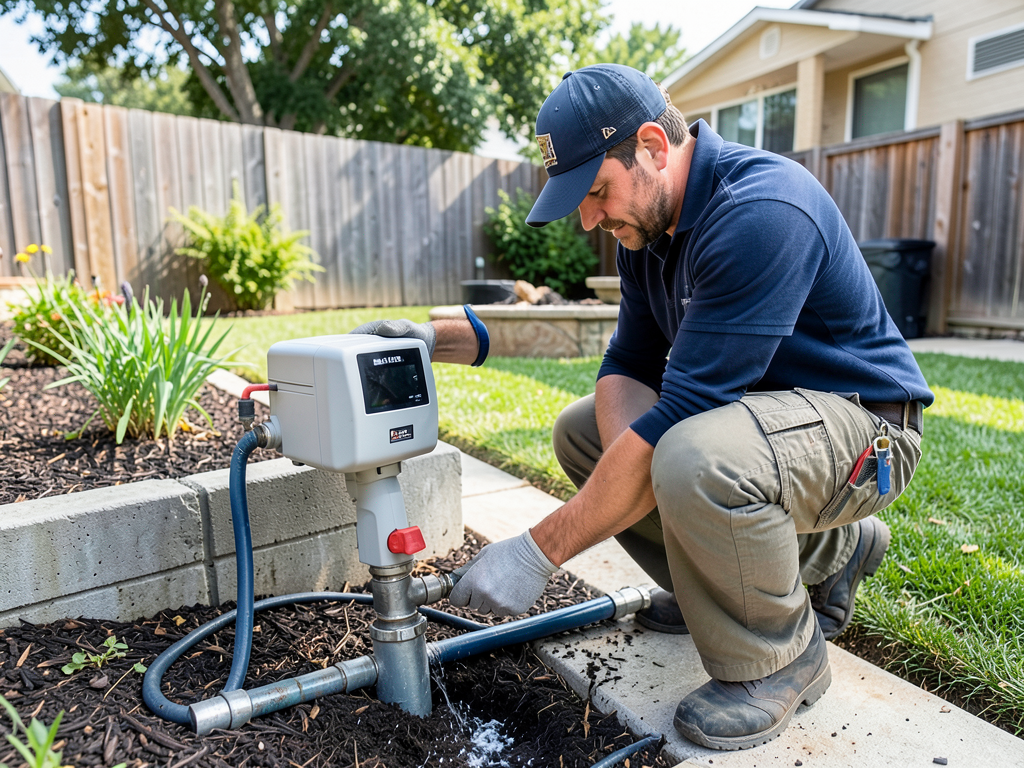
For water supply, we test static pressure at hose bibs and measure flow rates at fixtures to identify restriction from scale buildup or corroded piping. We inspect every shutoff valve from your main to individual fixtures, testing quarter-turn operation and checking compression fittings for weeping. The water heater receives a full evaluation including anode rod condition, sediment accumulation, temperature and pressure relief valve operation, and flue draft for gas units. Expansion tanks get checked for proper pre-charge pressure. We look for evidence of previous pinhole leaks or stress cracks in copper lines, particularly near water heater connections where thermal expansion causes fatigue.

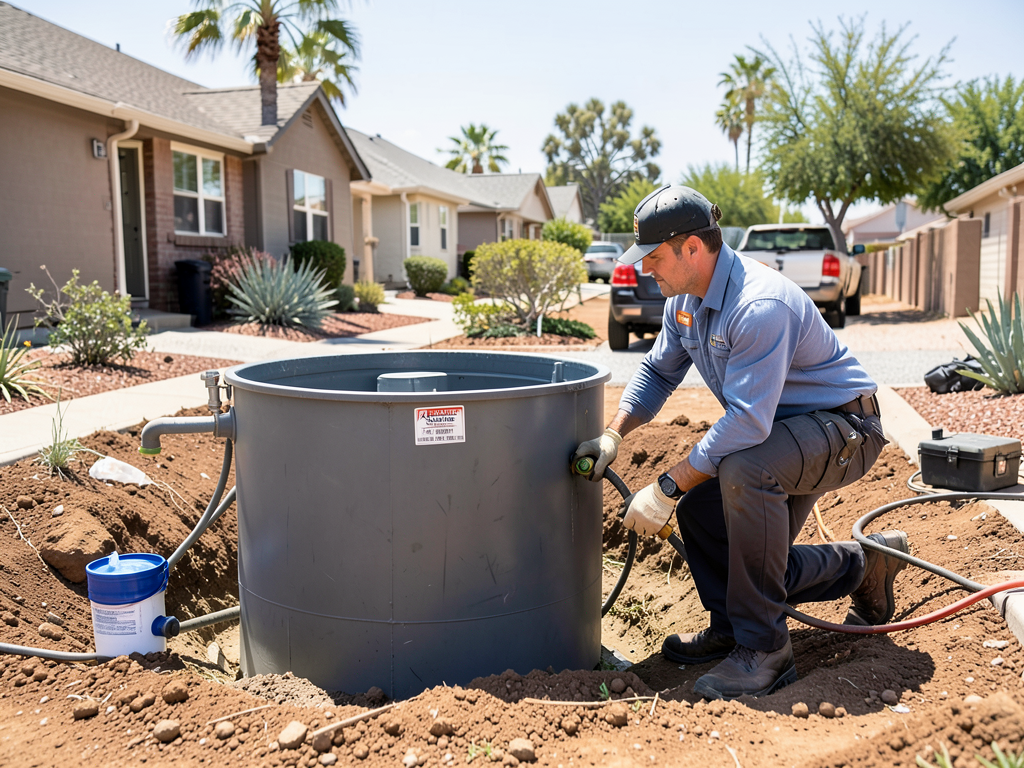
The drainage system inspection includes waste line slope verification using digital levels, trap seal depth measurement, and vent stack integrity checks. We inspect all visible waste piping for corrosion, separation at joints, or signs of previous leaks. Clean-out access points get evaluated for proper placement and functionality. Floor drains receive attention for trap primer operation and backwater valve function where applicable.

Gas line inspection covers pressure testing at the meter, regulator operation, sediment trap condition, and appliance connector integrity. We use combustible gas detectors at every joint and connection point. Earthquake shutoff valve operation gets verified where installed.

Heritage Plumbing San Jose approaches every residential plumbing checkup list with the understanding that San Jose building codes have evolved significantly. Older homes may lack required backflow prevention, adequate venting, or proper trap configurations. We document code compliance gaps that could affect home sale inspections or insurance claims.

What Happens During Your Home Plumbing System Inspection

Plumbing Inspection Checklist San Jose – Prevent Costly Repairs with Expert System Assessments
01

Initial System Assessment

We begin with your main water shutoff valve and work through every branch line, documenting pipe materials, connection types, and visible condition. You receive a detailed diagram of your supply line layout with valve locations marked. Static pressure readings at multiple fixtures establish your baseline system performance. We identify immediate safety concerns like active leaks, gas odors, or failing pressure relief valves that need urgent attention before completing the full inspection.
02

Diagnostic Testing Phase

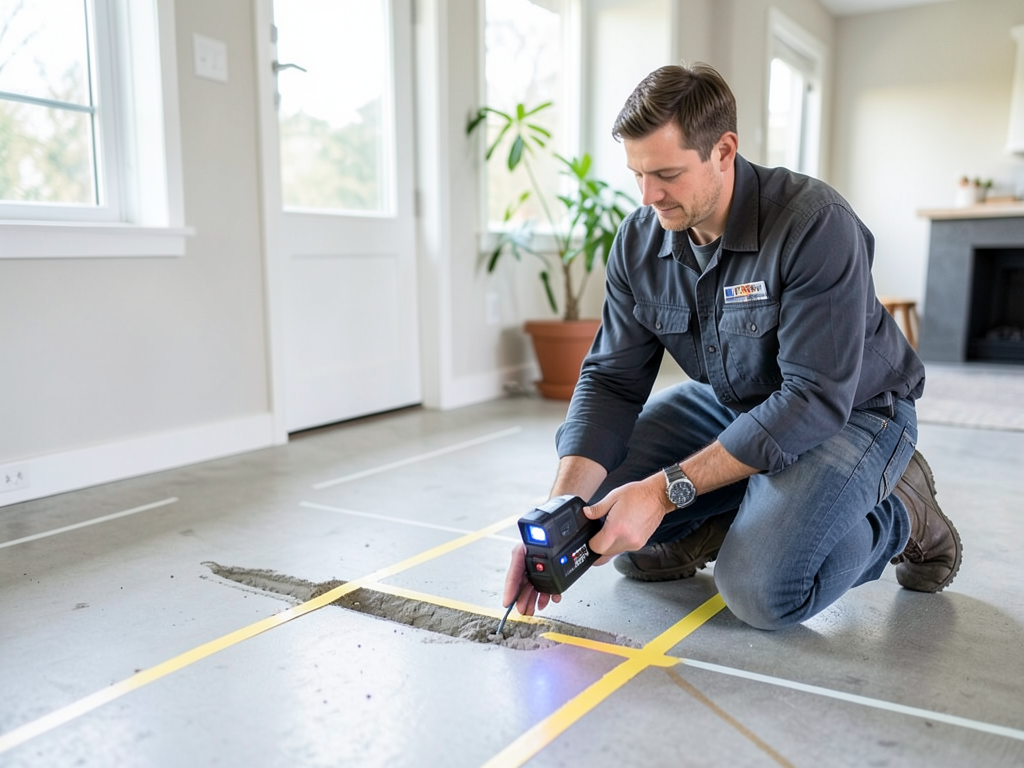
Advanced diagnostic tools reveal problems invisible to visual inspection. Video cameras travel through your sewer lateral, documenting joint condition, root intrusion, and pipe material integrity. Thermal imaging detects moisture patterns behind walls or under slabs. Hydrostatic testing isolates waste line sections to pinpoint leak locations. Flow testing measures actual versus expected performance at fixtures. Each test generates data that transforms guesswork into accurate problem identification and cost-effective repair planning.
03

Prioritized Action Plan

You receive a comprehensive report categorizing findings into immediate repairs, near-term maintenance, and long-term planning items. Each issue includes an explanation of the problem, the risk if left unaddressed, and repair options with typical timeframes. The preventative plumbing maintenance checklist we provide becomes your roadmap for protecting your home over the coming years. Nothing gets sold that you do not need, and everything gets explained in plain language you can use to make informed decisions.

Why San Jose Homeowners Trust Local Plumbing Expertise

San Jose enforces specific code requirements that differ from surrounding municipalities. Backflow prevention requirements, seismic gas shutoff valve regulations, and low-flow fixture mandates affect both repairs and new installations. A plumber unfamiliar with San Jose building department procedures might miss compliance issues that surface during permit inspections or home sales.

We know which neighborhoods have combined sewer systems versus separated storm and sanitary systems. That knowledge matters when diagnosing drainage problems or planning sewer lateral repairs. We understand that homes near Coyote Creek face different groundwater challenges than properties in the Almaden Valley foothills. Soil conditions in Berryessa affect foundation plumbing differently than in Cambrian Park.

The hard water throughout San Jose requires specific approaches to water heater maintenance and fixture repairs. Mineral scale affects tankless units differently than tank-style heaters. Knowing which anode rod materials perform best in local water conditions extends water heater life significantly. Understanding how silica and calcium interact with different pipe materials prevents premature failures.

Heritage Plumbing San Jose maintains relationships with local supply houses that stock parts for older fixtures common in established neighborhoods. When your 1950s bathroom needs a valve stem that big box stores stopped carrying twenty years ago, we know where to source it. When your home has obsolete pipe fittings that require custom fabrication, we have the connections to get it done right.

Local expertise also means understanding realistic timelines for permit approval, inspection scheduling, and utility coordination. We know which repairs trigger permit requirements and which constitute routine maintenance. That knowledge prevents delays and ensures your plumbing work meets all legal requirements. You get accurate timelines and realistic expectations instead of surprises halfway through the job.

What Your Plumbing System Inspection Includes

Inspection Timeframe and Scheduling

A thorough residential plumbing checkup takes two to four hours depending on home size, age, and system complexity. We schedule inspections at your convenience, including evenings and weekends for working homeowners. You receive a detailed appointment window, not vague all-day arrival times. Our technicians arrive with all necessary diagnostic equipment, eliminating return trips for specialized tools. Same-day scheduling often works for inspection requests, particularly during weekdays. Multi-family properties or commercial buildings require advance scheduling to coordinate access and allow adequate time for comprehensive system evaluation across all units or tenant spaces.

Comprehensive System Evaluation Process

Every plumbing inspection checklist we perform includes written documentation with photos and video where relevant. You get a physical report, not verbal observations you have to remember. We explain findings in real-time, showing you exactly what we see and why it matters. Technical terms get translated into plain language. The inspection covers every accessible component from your water meter to your sewer cleanout. We identify safety hazards, code violations, imminent failures, and maintenance opportunities. You learn which problems need immediate attention and which you can address during planned maintenance windows. The goal is informed decision-making, not pressure tactics.

Detailed Findings and Documentation

Your inspection report includes a system diagram, pressure test results, video inspection footage if performed, and categorized findings with priority rankings. Each identified issue includes an explanation of the problem, potential consequences, and recommended solutions. Photos document current conditions, creating a baseline for future comparison. The report serves as a valuable record for home sale disclosures, insurance claims, or warranty work. You receive both printed and digital copies. The documentation proves useful when planning renovation projects or budgeting for future maintenance. Everything gets explained without jargon or confusing technical specifications that leave you guessing what actually needs attention.

Follow-Up Support and Maintenance Planning

After your initial inspection, we provide a customized preventative plumbing maintenance checklist specific to your home. This schedule outlines when to service your water heater, test pressure relief valves, flush supply lines, or inspect visible piping. We offer annual re-inspection services to track system changes over time and catch developing problems early. Follow-up questions receive prompt responses, whether you need clarification on report findings or advice on prioritizing repairs. If you choose to have Heritage Plumbing San Jose perform recommended repairs, the inspection fee often applies toward the work. We maintain your inspection records, making future service more efficient and ensuring continuity of care for your plumbing system.

Frequently Asked Questions

You Have Questions,
We Have Answers

What does a plumbing inspection consist of? +

A plumbing inspection evaluates your entire water supply and drainage system. The inspector checks water pressure, tests all fixtures like faucets and toilets, examines visible pipes for leaks or corrosion, and inspects the water heater for age and function. They look at drains for proper flow, check under sinks for moisture damage, and verify the main shut-off valve works. In San Jose, inspectors also check for seismic shut-off valves on gas water heaters, which are required by local building codes. The inspection identifies potential problems before they become expensive repairs, giving you a clear picture of your plumbing system's condition.

What are the 7 steps of the inspection process? +

The inspection process starts with a visual assessment of all accessible plumbing components. Next, the inspector tests water pressure at multiple fixtures throughout your home. Step three involves running all faucets, showers, and toilets to check flow and drainage. Fourth, they examine pipes for leaks, corrosion, and proper connections. The fifth step is water heater inspection, checking age, temperature settings, and sediment buildup. Sixth, they inspect drain systems using water tests or cameras. Finally, the inspector documents findings and recommends repairs. This systematic approach ensures nothing gets missed in your San Jose home's plumbing system.

What are the 5 main items you should inspect for at a drain detail? +

At a drain detail, inspect the drain line for proper slope to prevent standing water. Check that the pipe diameter meets code requirements for the fixture type. Look for secure connections with no gaps where the drain meets the trap. Verify the trap is properly installed with a water seal to block sewer gases. Examine the vent connection to ensure proper airflow, which prevents slow drains and gurgling sounds. In San Jose, pay attention to clay soil conditions that can shift drain lines over time, causing separation at joints. These five items prevent most common drainage problems.

What are 5 very important things that are inspected in a home inspection? +

Five critical items in a home inspection include the water heater's age and condition, since most fail after 10 years. The main sewer line gets checked for blockages or root intrusion, common in older San Jose neighborhoods with mature trees. Inspectors examine all visible pipes for corrosion, especially in homes with galvanized steel. They test water pressure to identify supply line issues. Finally, they check toilets and fixtures for leaks that waste water and damage subfloors. These items represent the most expensive potential repairs and affect daily living. Addressing them early saves thousands in emergency fixes.

How much should a plumbing inspection cost? +

A plumbing inspection in San Jose typically ranges based on home size and scope. A basic visual inspection for a standard single-family home costs less than a comprehensive inspection with camera scoping of sewer lines. Factors affecting price include square footage, number of bathrooms, and whether you need specialized testing like backflow prevention device checks. Pre-purchase inspections for homebuyers differ from maintenance inspections for existing owners. Always request an itemized quote and ask what the inspection includes. The investment pays for itself by identifying problems before they escalate into emergency repairs requiring thousands in damage control.

What is the biggest red flag in a home inspection? +

The biggest red flag is an actively leaking main sewer line or signs of repeated sewage backups. This indicates serious problems like collapsed pipes, tree root intrusion, or complete blockage. In San Jose's older neighborhoods like Willow Glen or Rose Garden, aging clay sewer pipes often crack from soil movement. Water stains on ceilings below bathrooms signal chronic leaks damaging structural components. Corroded galvanized pipes ready to fail are another major concern. These issues require immediate attention and significant expense to repair. Walking away from a home or negotiating major price reductions makes sense when you discover these problems.

What should be included in an inspection checklist? +

An inspection checklist should include all water supply lines, checking for leaks and proper pressure. List every fixture including toilets, sinks, showers, and outdoor hose bibs. Include the water heater with age, temperature, and safety valve function. Add drain systems with tests for proper flow and venting. Document the main shut-off valve location and operation. For San Jose homes, include seismic gas shut-off valves and backflow prevention devices if present. Note visible pipe materials to identify galvanized steel or polybutylene that may need replacement. Include the sewer line condition, especially in older areas where root intrusion is common.

What are the 4 types of inspections? +

The four main inspection types are visual inspections, where the inspector examines accessible components without tools. Functional inspections involve operating fixtures and appliances to test performance. Invasive inspections use cameras to look inside pipes and drain lines you cannot see otherwise. Code compliance inspections verify new work meets San Jose building standards and happens during construction or remodeling. Homebuyers usually get visual and functional inspections, while sewer camera inspections are add-ons that prove valuable in older neighborhoods. Each type serves different purposes, and combining them gives you complete information about your plumbing system's condition.

What do you need in order to pass an inspection? +

To pass a plumbing inspection in San Jose, all work must meet California Plumbing Code and local amendments. Pipes need proper support and correct materials for their application. Water supply lines require appropriate pressure, and drains must have proper slope and venting. Fixtures need secure mounting and leak-free connections. Gas water heaters require seismic straps and proper venting. The inspector verifies hot water temperature stays below scalding levels. All work must be accessible for inspection before covering with walls or floors. Submit required permits before starting work, and schedule inspections at proper construction phases. Never cover work before inspection approval.

How to prepare for a rough plumbing inspection? +

For rough plumbing inspection preparation, ensure all supply and drain lines are installed but not covered by drywall. Verify pipes have proper support spacing per code requirements. Test all drains by filling them with water to check for leaks at joints. Mark hot and cold lines clearly. Install all vent pipes and verify they extend through the roof properly. Have your permit posted visibly at the work site. In San Jose, verify seismic gas shut-off valves are installed if required. Clean the work area so the inspector can access everything easily. Double-check all measurements against approved plans before the inspector arrives.

How San Jose Clay Soil and Hard Water Impact Your Plumbing System Health

San Jose sits atop expansive clay soil that swells during winter rains and contracts during summer drought. This constant movement places stress on underground supply lines and sewer laterals, causing joint separation, pipe misalignment, and eventual failure. Combined with water hardness levels that average 14-18 grains per gallon, your plumbing system faces challenges that accelerate wear. Scale builds inside pipes, reducing water pressure and restricting flow. Water heaters accumulate sediment faster, reducing efficiency and shortening service life. A home plumbing inspection list designed for San Jose conditions accounts for these specific vulnerabilities, using diagnostic techniques that reveal soil movement damage and hard water scale accumulation before they cause catastrophic failures.

Heritage Plumbing San Jose understands the unique demands placed on residential plumbing systems throughout the South Bay. We know which neighborhoods have the highest concentrations of older galvanized piping, where clay soil causes the most foundation movement, and how local water chemistry affects different pipe materials. Our plumbing maintenance checklist reflects this local knowledge, focusing inspection efforts on the components most likely to fail under San Jose-specific conditions. When you need a residential plumbing checkup list that addresses real local challenges instead of generic national standards, you need a plumbing system inspection guide built by technicians who work exclusively in this region and understand exactly what fails, why it fails, and how to catch problems early.
Plumbing Services in The San Jose Area

Heritage Plumbing San Jose is proud to serve the entire San Jose community and its neighboring areas, offering prompt, reliable service right to your doorstep. Use the interactive map below to confirm our central location and see the extensive area we cover, or simply call our office to verify service in your specific neighborhood. We look forward to being your local, professional plumbing partner you can always trust for expert solutions and dedicated customer care.

Address:
Heritage Plumbing San Jose, 99 S Almaden Blvd, San Jose, CA, 95113

Additional Services We Offer

Our news updates

Latest Articles & News from The Blogs

How to Get Paid by Valley Water to Upgrade Your San Jose Toilets San Jose homeowners can save hundreds of…

How to Get Paid by Valley Water to Upgrade Your San Jose Toilets

How to Get Paid by Valley Water to Upgrade Your San Jose Toilets San Jose homeowners can save hundreds of…

How to Stop Your Gardner Laundry Room From Flooding Every Time You Wash a Load

How to Stop Your Gardner Laundry Room From Flooding Every Time You Wash a Load Your washing machine just finished…

Dealing with drainage issues in low-lying properties near Coyote Creek

Dealing with drainage issues in low-lying properties near Coyote Creek Low-lying properties near Coyote Creek in San Jose face unique…

Contact Us

Stop guessing about your plumbing system condition. Get definitive answers with a professional inspection from Heritage Plumbing San Jose. Call (408) 381-5355 now to schedule your comprehensive home plumbing inspection. Protect your investment before small problems become expensive emergencies.