menu

Grease Trap Cleaning & Pumping in San Jose | Minimize Downtime and Stay Compliant

Heritage Plumbing San Jose delivers rapid grease trap cleaning and pumping services that keep your commercial kitchen operational while meeting Santa Clara County health department regulations and preventing costly shutdowns.

Slider Image 1
Slider Image 2
Slider Image 3
Slider Image 4
Slider Image 5
Slider Image 7
Slider Image 8
Slider Image 9
Slider Image 10
Slider Image 11

San Jose's High-Volume Food Service Industry Demands Reliable Grease Management

San Jose's dense restaurant corridor along Santana Row and downtown's San Pedro Square creates unique challenges for commercial grease management. High-volume food service operations in this area generate thousands of gallons of fats, oils, and grease daily. When grease interceptors fail, you face immediate health department violations, potential closure orders, and backup contamination that spreads through your entire drainage system.

Santa Clara County enforces strict frequency requirements for commercial grease trap pumping based on your interceptor size and waste volume. A 1,000-gallon trap in a busy Vietnamese restaurant on Story Road requires different maintenance intervals than a 500-gallon unit in a Willow Glen café. Missing these intervals creates a cascade problem. Solidified grease reduces your trap's effective capacity, forcing FOG into your drain lines. This triggers backups during peak service hours when you can least afford downtime.

The consequences extend beyond your property line. San Jose's aging sewer infrastructure in neighborhoods like East San Jose cannot handle excessive grease loads. When your interceptor overflows, you risk contaminating the municipal system and facing penalties from the city's Environmental Services Department. Restaurant grease trap service becomes liability management, not just maintenance. Your grease trap cleanout schedule directly impacts your ability to maintain health permits, pass inspections, and avoid emergency closures that cost thousands in lost revenue per day.

San Jose's High-Volume Food Service Industry Demands Reliable Grease Management
How Professional Grease Interceptor Cleaning Protects Your Business Operations

How Professional Grease Interceptor Cleaning Protects Your Business Operations

Professional grease trap waste removal follows a specific protocol that DIY approaches and discount services skip. We begin by measuring the accumulation depth using a grease stick to determine if you have reached the 25 percent rule threshold required by Santa Clara County code. This measurement dictates whether you need immediate pumping or if you can wait until your next scheduled interval.

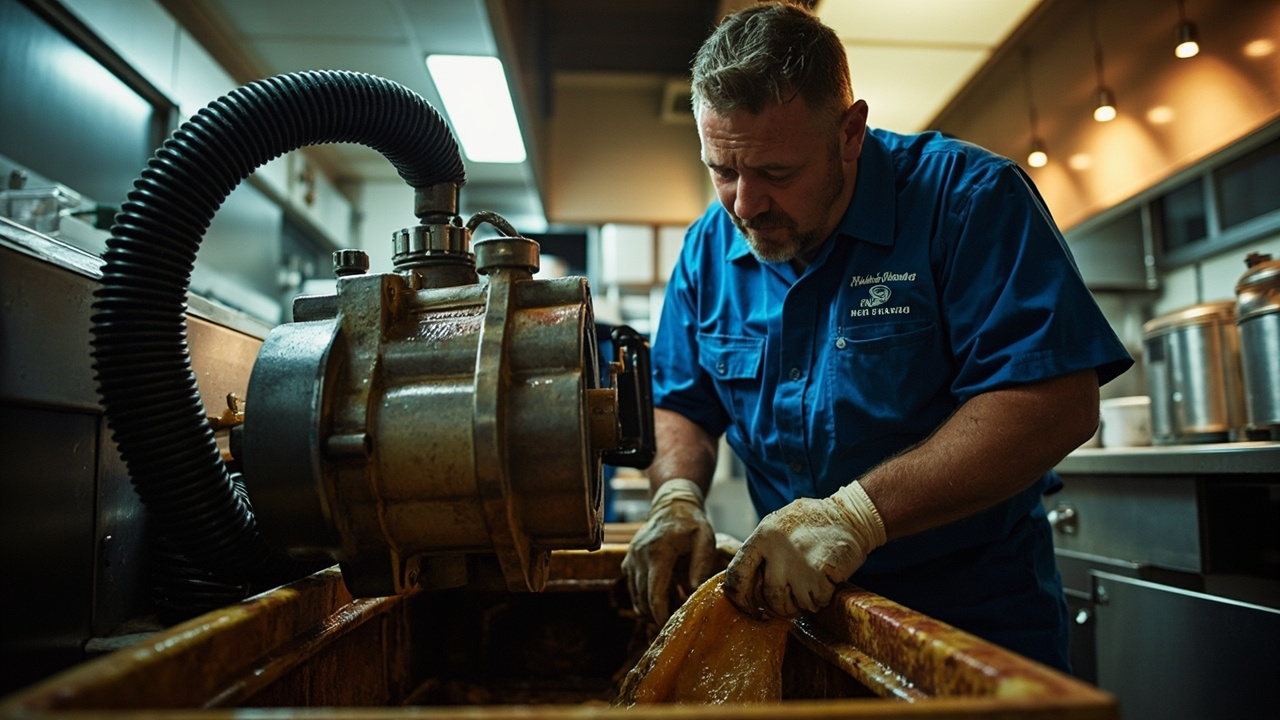
The pumping process uses vacuum trucks equipped with high-capacity pumps that extract the entire contents of your interceptor, including the floating grease layer, middle wastewater zone, and bottom solids layer. Partial pumping leaves residual grease that accelerates the next accumulation cycle and creates false capacity readings. We extract everything, then pressure wash all interior baffles, inlet and outlet tees, and sidewalls to remove adhered grease that standard pumping misses.

After extraction, we inspect your trap's structural integrity. Cracked baffles, corroded inlet pipes, and damaged gaskets all compromise separation efficiency. A baffle that has shifted even two inches allows untreated wastewater to short-circuit directly to your outlet pipe, defeating the entire purpose of the interceptor. We document these conditions with photos and measurements so you can budget for repairs before they trigger failures during health inspections.

We conclude each service by applying enzyme treatments that break down residual fats and installing compliant maintenance tags that document the service date, waste volume removed, and next required pumping date. This documentation protects you during inspections and creates a defensible maintenance history if disputes arise with the health department or your property insurer.

What Happens During Your Commercial Grease Trap Service

Grease Trap Cleaning & Pumping in San Jose | Minimize Downtime and Stay Compliant
01

System Assessment and Access

We locate and open your grease interceptor, whether it's an in-ground exterior unit or an under-sink trap inside your kitchen. Our technicians measure current grease accumulation levels and document your trap's size, type, and configuration. We verify that your interceptor matches your health permit specifications and identify any access issues that could complicate emergency service. This assessment takes 10 to 15 minutes and provides the baseline data for your ongoing maintenance schedule.
02

Complete Waste Extraction

Our vacuum truck extracts all three layers from your grease trap, the floating FOG layer, middle gray water, and bottom sludge containing food particles and sediment. We pump until the interceptor is completely empty, then pressure wash all internal surfaces to remove adhered grease from baffles and walls. This thorough extraction restores your trap to full design capacity and resets the accumulation cycle. The process takes 30 to 45 minutes depending on your interceptor size and the volume of waste present.
03

Documentation and Compliance Verification

We complete your service with detailed documentation required for health department compliance. You receive a manifest showing the date, waste volume removed, disposal facility information, and next recommended service date. We install or update your maintenance tag with current service information and take photos of the cleaned interceptor interior. This documentation goes directly into your compliance file and provides legal protection during inspections. We also schedule your next pumping based on your actual accumulation rate and county requirements.

Why San Jose Restaurants Choose Heritage Plumbing for Grease Trap Maintenance

Heritage Plumbing San Jose understands the specific requirements of Santa Clara County's grease management ordinances. We track the regulatory differences between San Jose's municipal code and county health department standards, ensuring your service meets both jurisdictions' requirements. Many commercial properties in San Jose fall under dual oversight, and failing to meet either standard triggers violations.

Our service schedule adapts to San Jose's unique food service patterns. We know that Vietnamese restaurants in East San Jose generate different waste profiles than Mexican restaurants on Alum Rock Avenue or Italian establishments in Willow Glen. Pho shops produce high volumes of beef fat that solidifies quickly, requiring more frequent pumping than establishments that use primarily vegetable oils. We adjust your maintenance intervals based on your actual cuisine type and service volume, not generic formulas that leave you either over-serviced or at risk of violations.

We operate vacuum trucks sized for San Jose's varied commercial districts. Properties on Santana Row with underground parking require compact equipment that fits in tight service areas. Strip mall restaurants in South San Jose often have grease interceptors located near property lines with limited clearance. We route the appropriate truck to your location based on access requirements, preventing service delays caused by equipment that cannot reach your interceptor.

Our waste disposal partnerships with licensed facilities in Santa Clara County ensure complete chain-of-custody documentation. We never dump grease trap waste illegally or use unlicensed disposal sites that can trigger joint liability for environmental violations. Every load receives a manifest showing the disposal facility location, waste classification, and final disposition method. This documentation protects you if questions arise about proper waste handling during audits or inspections.

What to Expect from Professional Grease Interceptor Service

Flexible Scheduling for Business Operations

We schedule grease trap pumping during your lowest-traffic periods to minimize disruption. Most San Jose restaurants prefer early morning service between 5 AM and 8 AM, before lunch prep begins. We also offer evening service after close for establishments that need their parking areas clear during business hours. Emergency cleanouts for backed-up traps receive same-day response because we understand that drainage failures during service hours create immediate health code violations and force you to close. Our average response time for emergency grease trap cleanout in San Jose is under three hours.

Detailed Pre-Service Inspection

Before pumping, we conduct a comprehensive assessment of your grease management system. We measure accumulation depth, check baffle integrity, inspect inlet and outlet piping, and test flow rates to identify restrictions. We look for evidence of improper waste disposal like food solids that should be caught by strainers, chemicals that can damage your interceptor, or excessive water volume that dilutes separation efficiency. This inspection often reveals problems that create premature failures, like kitchen staff pouring ice into floor drains or using high-temperature sanitizers that melt grease and push it through the trap before it can solidify and separate.

Complete System Restoration

Professional grease interceptor cleaning restores your trap to its design specifications. You get complete waste extraction, not just surface skimming that leaves residual grease. We pressure wash all internal surfaces to remove hardened grease deposits that reduce effective capacity. Your baffles, which direct flow and maximize separation time, get cleaned and inspected for damage. The result is a grease trap that operates at full efficiency, with maximum separation capacity and proper flow characteristics. This thorough cleaning extends the time between services and reduces the risk of breakthrough events where grease escapes into your drain lines during peak volume periods.

Compliance Documentation and Maintenance Planning

Every service includes complete documentation that satisfies Santa Clara County health department requirements. You receive a detailed manifest showing service date, waste volume, disposal location, and next recommended pumping date. We photograph your cleaned interceptor interior and provide digital copies for your compliance files. We also install or update your maintenance tag with current information so inspectors can verify service compliance at a glance. Based on your actual accumulation rate, we recommend an optimized pumping schedule that keeps you compliant without over-servicing. Many San Jose restaurants pay for monthly service when quarterly pumping would meet code requirements.

Frequently Asked Questions

You Have Questions,
We Have Answers

How much does it cost to have a grease trap cleaned? +

Grease trap cleaning costs vary based on trap size, service frequency, and FOG buildup severity. Smaller traps (under 1,000 gallons) typically cost less than large in-ground interceptors common in San Jose commercial kitchens. Pricing reflects labor, disposal fees, and regulatory compliance documentation. Businesses near Santana Row or downtown San Jose face stricter municipal discharge requirements, which impacts service scope. Volume contracts reduce per-visit costs. Request a site assessment to determine your trap capacity and optimal pumping schedule. Proper budgeting prevents emergency pumping fees, which run significantly higher due to expedited service and potential code violation penalties.

How often do grease traps need to be pumped? +

Pumping frequency depends on trap size, kitchen volume, and food types processed. San Jose municipal code requires removal when grease reaches 25 percent capacity. High-volume restaurants in areas like Japantown or the Convention Center district typically pump every 30 to 90 days. Lower-volume operations may extend to quarterly service. California regulations mandate documented compliance. Undersized traps or heavy fryer use accelerate accumulation. Schedule pumping before you hit the 25 percent threshold to avoid drain backups, foul odors, and fines. A licensed service provider assesses your operation and establishes a compliant maintenance schedule.

How much do grease trap cleaners get paid? +

This question addresses employee wages, not service costs. Grease trap technicians in San Jose earn competitive wages reflecting the specialized nature of the work. Pay scales factor in certification requirements, equipment operation skills, and adherence to environmental regulations. For commercial operators, focus on service provider reliability and compliance documentation rather than individual technician compensation. What matters to your business is consistent service, proper manifesting of waste, and preventing costly municipal violations. Evaluate providers on response times, regulatory knowledge, and equipment quality rather than internal labor costs.

How much does it cost to pump out a grease trap? +

Pumping costs mirror cleaning costs since the processes overlap. Expect pricing based on trap volume, accessibility, and waste disposal requirements. San Jose operations must use certified haulers who manifest waste to approved facilities. In-ground interceptors at facilities near Highway 101 or older downtown properties often require specialized vacuum equipment, increasing costs. Service includes pumping, scraping sidewalls, and disposing of FOG waste per California regulations. Emergency pumping costs more due to after-hours labor and expedited scheduling. Establish a preventive maintenance contract to stabilize costs and maintain compliance with city discharge permits.

How often should grease traps be cleaned out? +

Clean grease traps before FOG levels reach 25 percent of total capacity, per San Jose requirements. Inspection frequency varies by operation type. Full-service restaurants, especially those in high-traffic zones like Willow Glen or Almaden Valley, require monthly inspections and cleaning every one to three months. Cafes with minimal fryer use may extend intervals. California mandates written records showing cleaning dates and waste volumes. Neglecting this schedule risks drain blockages, sanitary sewer overflows, and municipal fines. Work with a licensed provider to establish a site-specific maintenance plan that keeps your operation compliant and functional.

Can I clean a grease trap myself? +

You can perform basic maintenance like skimming floating grease, but full cleaning requires professional equipment and expertise. San Jose commercial kitchens must document proper waste disposal through licensed haulers. DIY cleaning risks incomplete removal, improper waste handling, and regulatory violations. Traps contain hydrogen sulfide gas and pathogenic bacteria. Without vacuum trucks, scrapers, and manifesting procedures, you expose staff to hazards and your business to liability. California law requires certified waste transporters. Save DIY efforts for daily strainer cleaning and invest in professional pumping to protect your business continuity and avoid costly fines.

What are the signs of a full grease trap? +

Warning signs include slow-draining sinks, gurgling pipes, and sewage odors in the kitchen or dining areas. Grease backing up into prep sinks or floor drains signals capacity issues. San Jose restaurant operators may notice grease visible in drainage lines or pooling around the trap access point. Fruit flies and other pests congregate near full traps. Ignoring these signs leads to complete blockages, kitchen shutdowns, and health department violations. If you observe any symptoms, schedule immediate inspection. Chronic issues may indicate an undersized trap requiring replacement to meet current city commercial discharge standards.

What are the signs that your septic tank is full? +

This question addresses septic systems, not grease traps. Septic tanks serve residential or rural properties, while grease traps serve commercial kitchens in San Jose. Full septic tanks show slow drains, sewage odors, wet spots in the drain field, or toilets backing up. If you operate a commercial kitchen connected to municipal sewer, you need grease trap service, not septic pumping. These are different systems with different regulations. San Jose commercial properties connect to city sewer lines and must comply with FOG control ordinances. Clarify your system type before scheduling service to avoid confusion.

How long does it take to pump a grease trap? +

Pumping duration depends on trap size and accessibility. Small under-sink traps take 30 to 45 minutes. Large in-ground interceptors at San Jose restaurants near San Pedro Square or Diridon Station may require two to three hours. Time includes setup, pumping, scraping sidewalls, inspection, and cleanup. Difficult access points or heavily compacted grease extend service time. Technicians must also complete manifests and compliance documentation. Schedule service during off-peak hours to minimize kitchen disruption. Regular maintenance reduces pumping time since less buildup accumulates. Emergency cleanouts take longer due to solidified FOG requiring additional labor and equipment.

How much should you charge to clean a 2000 sq ft house? +

This question does not relate to grease trap service. Residential house cleaning is an unrelated service category. Commercial kitchens in San Jose need grease trap cleaning based on trap volume and FOG accumulation, not square footage. If you manage a commercial facility with both janitorial and grease trap needs, source these services separately. Grease trap providers focus on FOG waste removal, regulatory compliance, and preventing sewer line blockages. Mixing service categories leads to confusion and inadequate maintenance. Contact a licensed grease trap service for kitchen waste management and a separate janitorial company for general facility cleaning.

Why San Jose's Food Service Density Makes Grease Management Critical

San Jose has one of the highest concentrations of restaurants per capita in the Bay Area, with over 3,000 food service establishments competing for customers in neighborhoods from Japantown to Little Saigon. This density creates intense pressure on the city's sewer infrastructure. The public works department estimates that improper grease disposal contributes to 40 percent of sanitary sewer overflows in commercial districts. When multiple restaurants in a single block neglect grease trap maintenance, the cumulative FOG load overwhelms collection lines and creates backups that affect entire neighborhoods. Your grease interceptor cleaning schedule impacts not just your business but the entire commercial corridor where you operate.

Santa Clara County requires food service establishments to maintain detailed records of all grease trap pumping and cleaning services. Inspectors routinely request manifests dating back 24 months during health permits reviews. Missing or incomplete documentation triggers immediate violations and can delay permit renewals. Heritage Plumbing San Jose provides cloud-based service records that you can access anytime for inspections or audits. We understand the specific documentation standards that Santa Clara County Environmental Health Officers expect because we work exclusively in this jurisdiction. Our manifests include all required data fields and comply with both county and state waste tracking regulations.
Plumbing Services in The San Jose Area

Heritage Plumbing San Jose is proud to serve the entire San Jose community and its neighboring areas, offering prompt, reliable service right to your doorstep. Use the interactive map below to confirm our central location and see the extensive area we cover, or simply call our office to verify service in your specific neighborhood. We look forward to being your local, professional plumbing partner you can always trust for expert solutions and dedicated customer care.

Address:
Heritage Plumbing San Jose, 99 S Almaden Blvd, San Jose, CA, 95113

Additional Services We Offer

Our news updates

Latest Articles & News from The Blogs

Your toilet bowl should maintain a consistent water level, but when it drops unexpectedly, it signals an underlying plumbing issue…

Why the water level in your Cambrian Park toilet bowl keeps dropping

Your toilet bowl should maintain a consistent water level, but when it drops unexpectedly, it signals an underlying plumbing issue…

Can you install a greywater system to water your Burbank garden?

Professional Greywater System Installation in Burbank, CA Greywater systems can cut your outdoor water use by up to 50 percent…

Why high water pressure is actually damaging your Silver Creek plumbing system

Why High Water Pressure Is Actually Damaging Your Silver Creek Plumbing System High water pressure in your Silver Creek home…

Contact Us

Protect your business from health code violations and costly shutdowns. Heritage Plumbing San Jose provides compliant grease interceptor cleaning with complete documentation and flexible scheduling. Call (408) 381-5355 now to book your service or arrange emergency cleanout.