
Connecting your plumbing to a smart irrigation system in West San Jose
Smart irrigation systems are revolutionizing how West San Jose homeowners manage their landscapes. These systems combine weather-based controllers with precise plumbing connections to deliver the right amount of water exactly where it’s needed. However, connecting your existing plumbing to a smart irrigation system requires understanding local codes, proper backflow prevention, and pressure regulation specific to Santa Clara County’s water infrastructure. San Jose Municipal Code Section 15.10.085.
The process involves more than just attaching a WiFi controller to your garden hose. You need to tap into your main water line, install appropriate valves, and ensure the entire system meets San Jose municipal code requirements. This guide walks you through the essential steps, from understanding your home’s water pressure to navigating Valley Water rebate programs that can offset installation costs. Valley Water Landscape Rebate Program.
The Anatomy of a Smart Irrigation Mainline
Every smart irrigation system starts with a properly designed mainline that connects to your home’s plumbing. The point of connection typically ties into the cold water supply after the water meter but before any irrigation-specific shutoff valves. This location allows the system to maintain consistent pressure while protecting your home’s drinking water supply. Protecting your Evergreen basement with professional sump pump repair.
The mainline must include a master valve that controls water flow to all zones. This valve serves as the primary shutoff and integrates with your smart controller to prevent watering during rain or system malfunctions. From the master valve, lateral lines branch out to individual zones, each controlled by its own solenoid valve that the controller can activate independently.. Read more about Why Your Overfelt Home Water Meter Might Be Spinning When No One Is Using Water.
Pressure regulation is critical in West San Jose where municipal water pressure can range from 40 to 80 PSI. Smart controllers require stable pressure to function correctly, typically between 40-60 PSI. Without proper pressure regulation, you risk damaging valves, creating water hammer effects, or delivering inconsistent water distribution across your landscape.

– Diagram showing the complete smart irrigation mainline setup including point of connection, master valve, pressure regulator, and zone manifold configuration.
San Jose Plumbing Codes & Backflow Prevention
San Jose Municipal Code Section 15.10.085 requires specific backflow prevention devices for irrigation systems connected to potable water supplies. The type of device depends on your property’s specific conditions and the potential for contamination. For most residential properties in West San Jose, a Reduced Pressure Zone (RPZ) assembly is required when chemicals or fertilizers might be injected into the system.
An RPZ valve contains two independent check valves with a pressure differential relief valve between them. This design prevents contaminated water from flowing back into your home’s drinking water supply even if both check valves fail. The device must be tested annually by a certified backflow prevention assembly tester and have a clearly visible test cock for inspection.
Properties with simpler systems that don’t use chemical injection may qualify for an Atmospheric Vacuum Breaker (AVB) instead. However, AVBs have limitations – they cannot be under pressure for more than 12 hours and must be installed at least 6 inches above the highest outlet. Many West San Jose properties require the more robust RPZ due to the complex terrain and potential for pressure fluctuations in the area.
Installation must comply with California Plumbing Code Section 608, which mandates specific mounting heights, accessibility for testing, and protection from freezing temperatures. In West San Jose’s mild climate, freeze protection is less critical than in colder regions, but the device still needs protection from direct sunlight and physical damage. Plumbing Palo Alto.
Integrating Smart Controllers with Traditional Plumbing
Retrofitting smart controllers onto existing irrigation systems requires careful assessment of your current plumbing infrastructure. Most West San Jose homes built before 2010 have basic timer-based controllers that need complete replacement. The process starts with identifying your manifold type – whether you have a centralized manifold system or individual valves scattered throughout your property. Plumbing Los Altos Hills.
WiFi-enabled controllers like Rachio, Hunter Hydrawise, or Rain Bird LNK2 require specific wiring configurations. The controller needs 24VAC power and low-voltage wires connecting to each zone valve. If your existing system uses 110V valves, you’ll need to replace them with 24VAC solenoids compatible with smart controllers.
Copper plumbing systems common in West San Jose’s older neighborhoods require different connection methods than PVC systems found in newer developments. Copper manifolds need dielectric unions when connecting to brass or plastic components to prevent galvanic corrosion. PVC systems require proper primer and cement application for leak-free connections. Plumbing Mountain View.
Zone configuration is crucial for system efficiency. West San Jose’s clay soil retains moisture differently than sandy soils, affecting run times and frequency. Smart controllers use evapotranspiration (ET) data specific to your microclimate to adjust watering schedules automatically. The system must be programmed with accurate zone information including plant types, sun exposure, and soil composition.
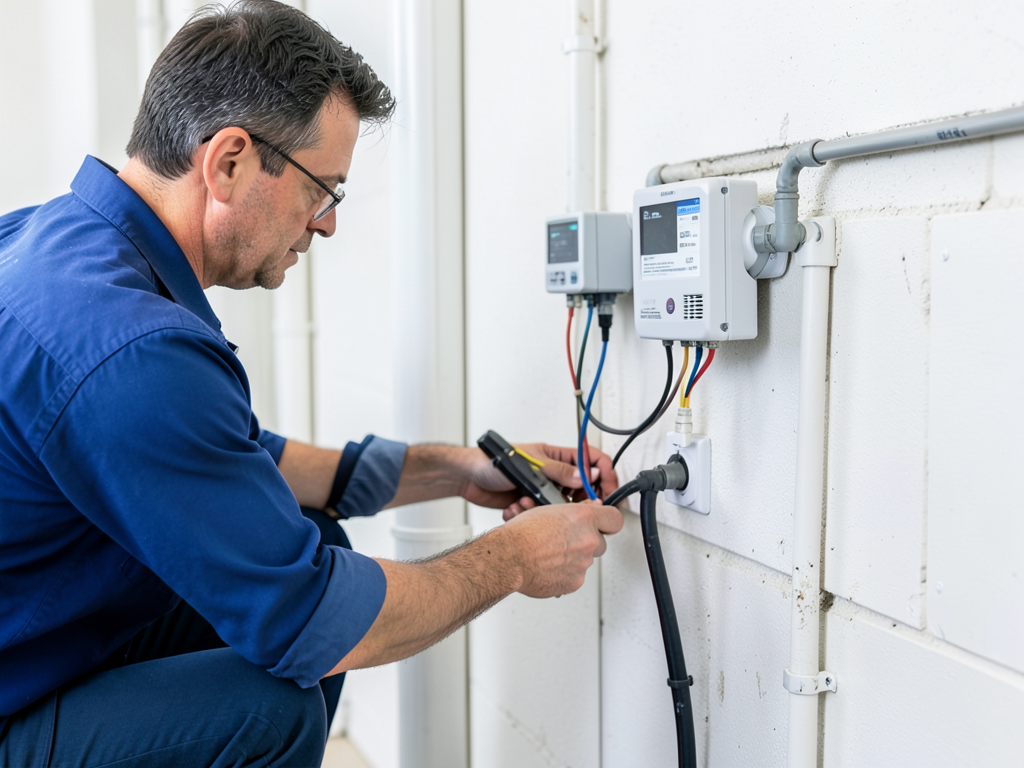
– Photo showing a professional installation of a smart irrigation controller connected to a copper manifold with pressure regulator and backflow preventer assembly.
Water Conservation & Valley Water Rebates
Santa Clara Valley Water District offers substantial rebates for smart irrigation installations through their Landscape Rebate Program. As of 2026, homeowners can receive up to $1,000 for converting traditional irrigation to smart controllers with weather-based sensors. The program requires pre-approval before installation and verification that the new system meets specific efficiency standards.
Smart irrigation systems in West San Jose typically reduce water usage by 20-30% compared to traditional timer-based systems. This reduction comes from weather-based scheduling, soil moisture sensors, and precise water delivery that prevents runoff. Given that outdoor irrigation accounts for approximately 50% of residential water use in the area, the potential savings are significant.. Read more about Adding a Gas Line for Your New Outdoor Fire Pit in the Penitencia Creek Area.
The rebate application process requires documentation including your water bill, irrigation plans, and receipts for approved equipment. Valley Water maintains a list of qualifying controllers and sensors that meet their efficiency criteria. Professional installation through certified contractors can simplify the rebate process and ensure all requirements are met.
Beyond rebates, smart systems provide ongoing savings through reduced water bills and improved plant health. The evapotranspiration data used by smart controllers is specific to West San Jose’s microclimate, accounting for local temperature patterns, humidity levels, and seasonal variations that affect plant water needs.
Step-by-Step Installation Process
Professional installation of a smart irrigation system connected to your plumbing follows a specific sequence to ensure code compliance and optimal performance. The process typically takes 1-3 days depending on system complexity and property size.
First, the technician conducts a comprehensive site evaluation including water pressure testing, soil analysis, and assessment of existing irrigation infrastructure. This diagnostic step identifies potential issues like pressure inconsistencies, pipe deterioration, or inadequate drainage that could affect system performance.
Next, the mainline tie-in occurs at the designated point of connection. This involves shutting off the home’s water supply, cutting into the existing plumbing, and installing the appropriate backflow prevention device. The tie-in point must be accessible for future maintenance and protected from physical damage.
Following the tie-in, the pressure regulator and master valve are installed. The pressure regulator ensures consistent pressure throughout the system, while the master valve provides the primary control point for the smart controller. Both components require specific mounting and orientation according to manufacturer specifications.
Zone valve installation comes next, with each valve connected to the controller via low-voltage wiring. The wiring must be properly rated for direct burial and protected from moisture. Each zone is then pressure tested to identify any leaks before proceeding to controller programming.
Finally, the smart controller is configured with zone information, weather data, and watering schedules. The technician programs the system based on your specific landscape needs and conducts a comprehensive system test to verify proper operation of all components.
– Technician performing pressure testing on a newly installed smart irrigation system using a digital pressure gauge and flow meter to verify system specifications.
Maintenance and Troubleshooting
Smart irrigation systems require regular maintenance to maintain efficiency and prevent costly failures. Annual backflow preventer testing is mandatory under San Jose code, typically costing $75-150 per device. The test ensures the internal check valves function correctly and the relief valve operates within specifications.
Monthly visual inspections can identify issues before they become major problems. Check for leaks around valve boxes, ensure sprinkler heads are functioning properly, and verify that smart controller connections remain stable. West San Jose’s clay soil can cause settling that affects sprinkler alignment and coverage patterns.
Seasonal adjustments are necessary even with smart controllers. During winter months, reduce watering frequency based on rainfall and cooler temperatures. In summer, the system may need slight adjustments to account for extreme heat waves that stress plants beyond normal ET calculations.
Common troubleshooting issues include controller connectivity problems, valve failures, and pressure inconsistencies. Most smart controllers provide diagnostic information through their apps, alerting you to issues like zone failures or abnormal flow rates. However, some problems require professional diagnosis, particularly those involving the mainline plumbing connections.
Choosing the Right Smart Irrigation System
Selecting appropriate equipment for your West San Jose property depends on several factors including property size, plant types, and existing infrastructure. Professional-grade systems offer better reliability and warranty coverage than consumer-grade options, though they come at a higher initial cost.
For properties under 10,000 square feet, a 12-zone controller typically suffices. Larger properties or those with complex landscaping may require 24-zone controllers. Consider future expansion needs when selecting your controller – adding zones later often costs more than installing extra capacity initially.
Weather-based controllers use different data sources. Some rely on local weather stations, while others use national weather service data. For West San Jose’s microclimate, controllers with multiple data sources provide the most accurate scheduling. Some advanced systems also incorporate soil moisture sensors for even greater precision.
Professional installation ensures proper integration with your home’s plumbing and compliance with all local codes. While DIY installation might seem cost-effective, mistakes can lead to water damage, code violations, or inefficient operation that negates potential water savings.
Frequently Asked Questions
Do I need a permit to install a smart irrigation system in West San Jose?
Yes, San Jose requires permits for irrigation systems connected to potable water supplies. The permit process ensures proper backflow prevention and compliance with local plumbing codes. Professional installers typically handle permit acquisition as part of their service.
How much does professional smart irrigation installation cost in West San Jose?
Professional installation typically ranges from $2,500 to $7,000 depending on system size and complexity. This includes backflow prevention, controller, valves, wiring, and labor. Additional costs may apply for pressure regulation or mainline modifications.
Can I keep my existing sprinkler heads with a new smart system?
Yes, existing sprinkler heads can often be retained if they’re in good condition and properly matched to your water pressure. However, upgrading to high-efficiency nozzles may improve system performance and water savings.
How long does installation take?
Most residential installations take 1-3 days. The first day typically involves plumbing connections and valve installation, while subsequent days focus on wiring, controller setup, and system testing.
Will a smart system work during a power outage?
Most smart controllers have battery backup that maintains programming for several days. However, WiFi connectivity and weather-based adjustments won’t function without power. Some systems offer cellular backup options for critical applications.
Call (408) 381-5355 today to schedule your smart irrigation consultation and take advantage of Valley Water rebates before they expire.
Ready to upgrade your irrigation system? Pick up the phone and call (408) 381-5355 before the next watering season begins.
Connecting your plumbing to a smart irrigation system represents a significant investment in your property’s efficiency and sustainability. The combination of proper backflow prevention, pressure regulation, and weather-based control creates a system that saves water while maintaining healthy landscapes. With San Jose’s ongoing drought concerns and rising water costs, the timing has never been better to make the switch to smart irrigation technology.
Professional installation ensures your system meets all local codes, qualifies for available rebates, and operates at peak efficiency from day one. The initial investment typically pays for itself within 2-3 years through water savings and improved plant health. Don’t wait until your current system fails or water rates increase further – contact a qualified professional today to discuss your smart irrigation options.
You may also find this helpful. Why Hanchett Park heritage trees are so hard on your sewer pipes.
{
“@context”: “https://schema.org”,
“@type”: “BlogPosting”,
“headline”: “Connecting your plumbing to a smart irrigation system in West San Jose”,
“description”: “Learn how to connect your plumbing to a smart irrigation system in West San Jose. Expert installation guide covering backflow prevention, pressure regulation, and Valley Water rebates.”,
“wordCount”: 2041,
“datePublished”: “2026-04-15T14:03:00.000Z”,
“dateModified”: “2026-04-15T14:03:00.000Z”,
“inLanguage”: “en-US”,
“mainEntityOfPage”: {
“@type”: “WebPage”,
“@id”: “https://heritageplumbingsanjose.com”
},
“publisher”: {
“@type”: “LocalBusiness”,
“name”: “Heritage Plumbing San Jose”,
“url”: “https://heritageplumbingsanjose.com”
},
“author”: {
“@type”: “Organization”,
“name”: “Heritage Plumbing San Jose”,
“url”: “https://heritageplumbingsanjose.com”
},
“image”: {
“@type”: “ImageObject”,
“url”: “https://heritageplumbingsanjose.com/wp-content/uploads/2026/03/connecting-your-plumbing-to-a-smart-irrigation-sys-1.png”
}
}
{
“@context”: “https://schema.org”,
“@type”: “Plumber”,
“name”: “Heritage Plumbing San Jose”,
“url”: “https://heritageplumbingsanjose.com”,
“address”: {
“@type”: “PostalAddress”,
“addressLocality”: “San Jose”
},
“areaServed”: {
“@type”: “City”,
“name”: “San Jose”
}
}
{
“@context”: “https://schema.org”,
“@type”: “FAQPage”,
“mainEntity”: [
{
“@type”: “Question”,
“name”: “Do I need a permit to install a smart irrigation system in West San Jose?”,
“acceptedAnswer”: {
“@type”: “Answer”,
“text”: “Yes, San Jose requires permits for irrigation systems connected to potable water supplies. The permit process ensures proper backflow prevention and compliance with local plumbing codes. Professional installers typically handle permit acquisition as part of their service.”
}
},
{
“@type”: “Question”,
“name”: “How much does professional smart irrigation installation cost in West San Jose?”,
“acceptedAnswer”: {
“@type”: “Answer”,
“text”: “Professional installation typically ranges from $2,500 to $7,000 depending on system size and complexity. This includes backflow prevention, controller, valves, wiring, and labor. Additional costs may apply for pressure regulation or mainline modifications.”
}
},
{
“@type”: “Question”,
“name”: “Can I keep my existing sprinkler heads with a new smart system?”,
“acceptedAnswer”: {
“@type”: “Answer”,
“text”: “Yes, existing sprinkler heads can often be retained if they’re in good condition and properly matched to your water pressure. However, upgrading to high-efficiency nozzles may improve system performance and water savings.”
}
},
{
“@type”: “Question”,
“name”: “How long does installation take?”,
“acceptedAnswer”: {
“@type”: “Answer”,
“text”: “Most residential installations take 1-3 days. The first day typically involves plumbing connections and valve installation, while subsequent days focus on wiring, controller setup, and system testing.”
}
},
{
“@type”: “Question”,
“name”: “Will a smart system work during a power outage?”,
“acceptedAnswer”: {
“@type”: “Answer”,
“text”: “Most smart controllers have battery backup that maintains programming for several days. However, WiFi connectivity and weather-based adjustments won’t function without power. Some systems offer cellular backup options for critical applications.”
}
}
]
}
{
“@context”: “https://schema.org”,
“@type”: “BreadcrumbList”,
“itemListElement”: [
{
“@type”: “ListItem”,
“position”: 1,
“name”: “Home”,
“item”: “https://heritageplumbingsanjose.com”
},
{
“@type”: “ListItem”,
“position”: 2,
“name”: “Blog”,
“item”: “https://heritageplumbingsanjose.com/blog”
},
{
“@type”: “ListItem”,
“position”: 3,
“name”: “Connecting your plumbing to a smart irrigation system in West San Jose”
}
]
}
{
“@context”: “https://schema.org”,
“@type”: “Service”,
“serviceType”: “Plumbing”,
“provider”: {
“@type”: “LocalBusiness”,
“name”: “Heritage Plumbing San Jose”,
“url”: “https://heritageplumbingsanjose.com”
},
“areaServed”: {
“@type”: “City”,
“name”: “San Jose”
},
“description”: “Learn how to connect your plumbing to a smart irrigation system in West San Jose. Expert installation guide covering backflow prevention, pressure regulation, and Valley Water rebates.”
}