menu

Sediment Buildup in Pipes in San Jose | Expert Diagnosis Stops Water Pressure Loss and Appliance Damage

Heritage Plumbing San Jose identifies the root cause of sediment accumulation in your plumbing system and removes mineral deposits, calcium buildup, and limescale before they destroy your water heater, clog fixtures, or force a complete repipe.

Slider Image 1
Slider Image 2
Slider Image 3
Slider Image 4
Slider Image 5
Slider Image 7
Slider Image 8
Slider Image 9
Slider Image 10
Slider Image 11

San Jose's Hard Water Creates a Silent Plumbing Crisis

You notice the shower pressure dropping. The water heater makes strange rumbling sounds. Your faucet aerators clog every few months. These symptoms point to sediment buildup in pipes, a problem amplified by San Jose's moderately hard to hard water supply.

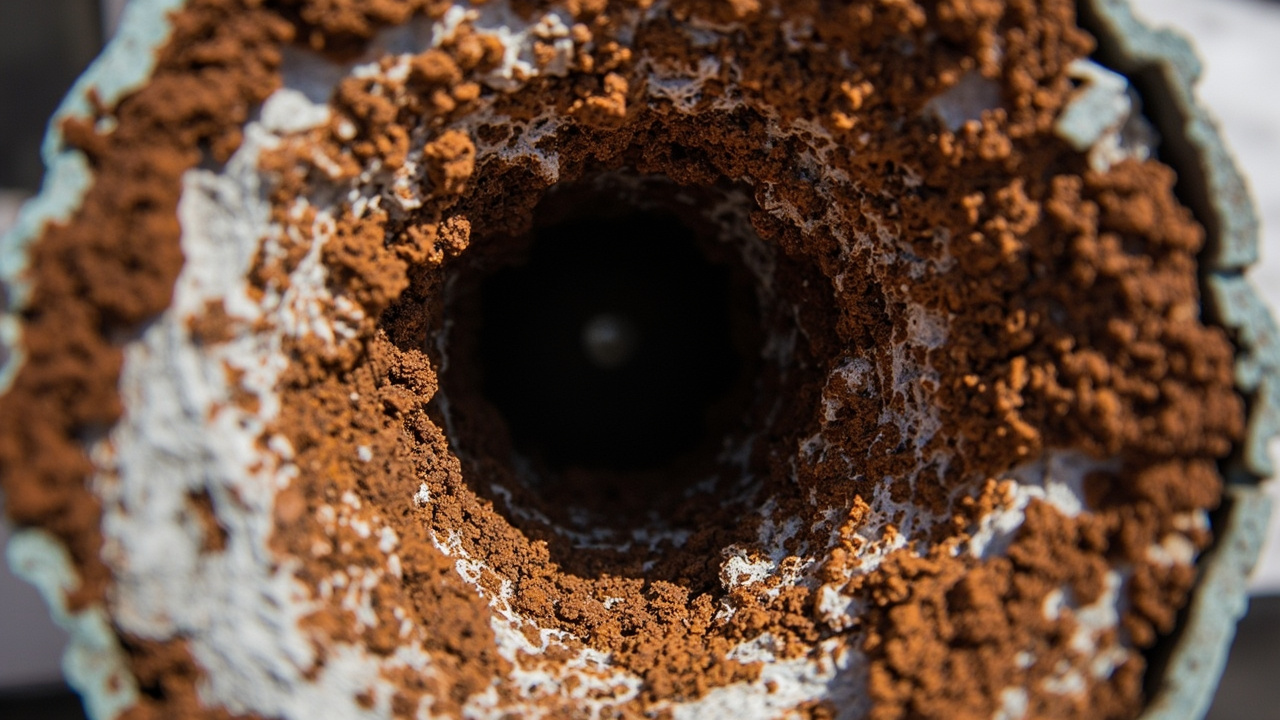
The Santa Clara Valley Water District reports dissolved mineral content between 120 and 180 mg/L in most of San Jose. That means calcium, magnesium, iron, and silica flow through your pipes every single day. Over time, these minerals precipitate out of solution and form hard deposits on pipe walls, water heater elements, and fixture screens.

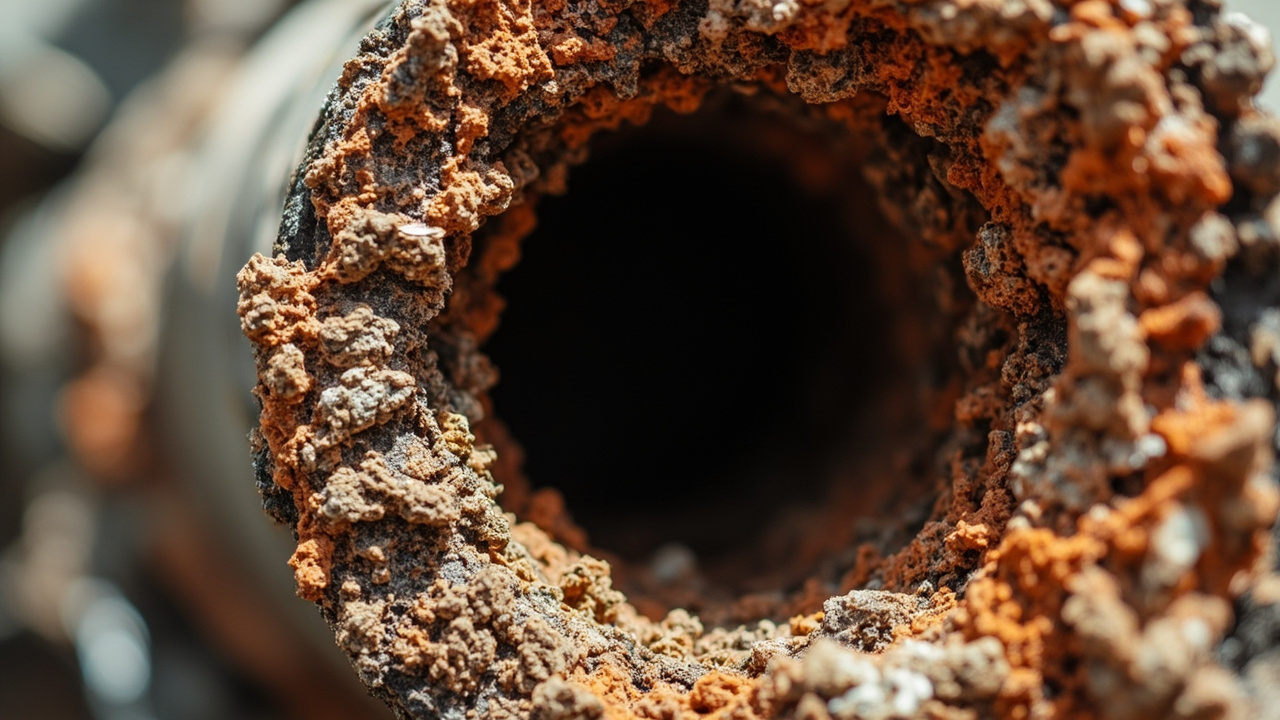
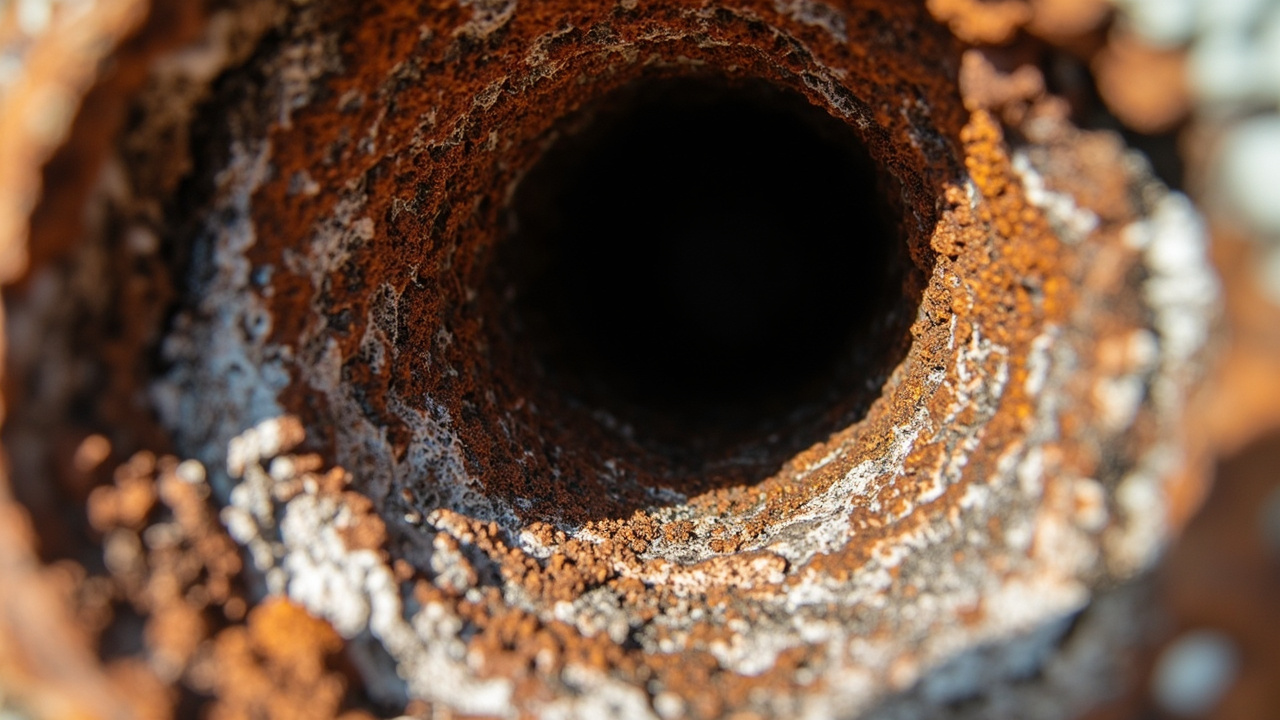
Calcium buildup in water lines restricts flow, creating turbulence that accelerates corrosion. Limescale accumulation in plumbing acts like an insulator inside your water heater tank, forcing the heating element to work harder and longer. The result is higher energy bills, premature appliance failure, and eventually, pinhole leaks in copper piping.

Older homes in neighborhoods like Willow Glen, Rose Garden, and Naglee Park face additional challenges. Many were built between 1920 and 1960 with galvanized steel pipes. These corrode from the inside out, creating rough surfaces where mineral deposits in water pipes bond aggressively. The combination of pipe calcification problems and internal corrosion creates a chokepoint that no amount of drain cleaner will fix.

Hard water pipe scaling does not happen overnight. It builds gradually, giving you false confidence until the day your water heater bursts or your pressure drops to a trickle. Recognizing the early signs lets you intervene before the damage becomes structural.

San Jose's Hard Water Creates a Silent Plumbing Crisis
How We Remove Sediment and Restore Flow

How We Remove Sediment and Restore Flow

Heritage Plumbing San Jose uses a combination of mechanical descaling, hydro jetting, and water chemistry analysis to eliminate sediment buildup in pipes. We do not guess. We diagnose first.

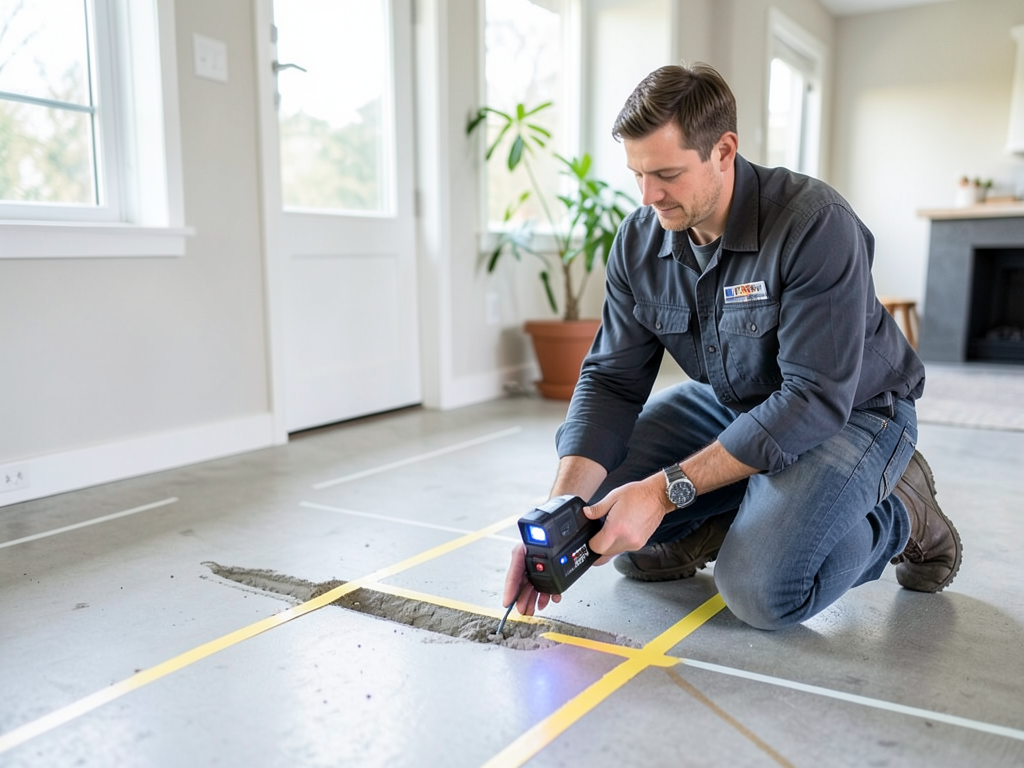
Our technicians start with a pressure test at multiple fixtures to map where restrictions exist. Low pressure at one fixture suggests a localized aerator clog. Low pressure throughout the house indicates systemic pipe calcification problems. We then inspect your water heater for sediment accumulation at the tank bottom. A simple drain test tells us how much particulate has settled. If the discharge water runs brown or gritty, your tank needs a full flush.

For calcium buildup in water lines, we use a camera inspection to visualize the interior condition of accessible pipes. This reveals whether deposits are evenly distributed or clustered at elbows and tees where flow slows. If scaling is moderate, we descale using a combination of mechanical snaking with descaling attachments and targeted hydro jetting. The high-pressure water stream (up to 4,000 PSI) blasts limescale accumulation off pipe walls without damaging the metal underneath.

When mineral deposits in water pipes are severe, we recommend segment replacement rather than temporary descaling. Attempting to clean pipes with advanced scaling often dislodges chunks that migrate downstream and lodge in valves or fixture cartridges. Replacing the affected section eliminates the problem permanently.

We also test your water hardness onsite. If your home exceeds 180 mg/L, we discuss point-of-entry water softening or whole-house filtration. Removing minerals before they enter your plumbing system stops future hard water pipe scaling at the source. This is not an upsell. It is the only way to prevent recurrence.

What Happens During a Sediment Removal Service

Sediment Buildup in Pipes in San Jose | Expert Diagnosis Stops Water Pressure Loss and Appliance Damage
01

System Pressure Mapping

We test static and dynamic water pressure at your main shutoff, water heater, and multiple fixtures throughout the house. This pinpoints where restrictions exist. We also inspect aerators and showerheads for visible calcium deposits. If sediment appears only at fixtures, the problem is localized. If pressure is low everywhere, your supply lines have scaling. This diagnostic phase takes 20 to 30 minutes and determines the correct intervention.
02

Descaling or Replacement

For moderate limescale accumulation, we use hydro jetting to clear pipe interiors. For severe calcification, we recommend replacing the affected segments with PEX or copper. We also flush your water heater tank, removing sediment that settles at the bottom and causes rumbling or uneven heating. If your tank has more than two inches of sediment, flushing extends its lifespan by several years. If the anode rod is corroded, we replace it to prevent tank failure.
03

Water Quality Testing

After clearing the pipes, we retest pressure and measure total dissolved solids in your water supply. This tells you whether a water softener or filtration system is necessary to prevent future buildup. We provide hardness readings in grains per gallon and explain what that means for your plumbing. If your water exceeds 10 grains per gallon, mineral deposits will return within 12 to 18 months without treatment. We give you the data. You decide.

Why San Jose Homeowners Trust Heritage Plumbing for Hard Water Solutions

San Jose sits in a valley fed by both surface water from local reservoirs and groundwater from aquifers beneath the Santa Clara Valley. Depending on your neighborhood, your water source varies, and so does your mineral content. Homes in East San Jose often draw from wells with higher calcium and magnesium concentrations. Homes in West San Jose receive treated surface water that still carries moderate hardness.

Heritage Plumbing San Jose understands these geographic variations. We do not apply a one-size-fits-all approach. A home in Almaden Valley with well water requires different treatment than a home in Berryessa connected to municipal supply. We tailor our descaling methods and prevention strategies to your specific water chemistry.

We also recognize the housing stock in San Jose. Many homes were built during the post-war boom and have original galvanized steel or early copper piping. These systems are more vulnerable to hard water pipe scaling than modern PEX installations. When we inspect a vintage home in Willow Glen or Naglee Park, we account for pipe age, material, and likely corrosion patterns. This experience prevents misdiagnosis and unnecessary work.

Local building codes also matter. San Jose requires backflow prevention devices on all irrigation systems and certain appliances. When we flush your water heater or descale your supply lines, we ensure all backflow preventers remain compliant. We also pull permits when necessary for repiping work, something handyman services and unlicensed contractors skip.

You want a plumber who knows the difference between Santa Clara Valley Water District supply and private well water. You want someone who has worked on hundreds of San Jose homes and understands how mineral deposits behave in local plumbing systems. That is what we do.

What to Expect When You Call for Sediment Removal

Same-Day Diagnosis Available

We schedule most diagnostic appointments within 24 hours. If you call before noon, we can often arrive the same day. The initial inspection takes 30 to 45 minutes. We test pressure, inspect your water heater, and check fixture aerators for visible scaling. You get a written report with hardness readings and photos of any problem areas. If descaling is required, we can often complete the work the same visit for localized issues. Whole-house hydro jetting or segment replacement requires scheduling a return visit with the proper equipment.

Transparent Hardness Testing

We measure total dissolved solids and hardness using a calibrated TDS meter and test strips. You see the results in real time. We explain what the numbers mean for your plumbing and appliances. If your water exceeds 180 mg/L, we discuss water softening or filtration options. We do not install water treatment systems ourselves, but we refer you to reputable vendors and explain what to look for. Our goal is accurate information, not equipment sales. You decide whether prevention is worth the investment.

Clean Pipes and Restored Pressure

After descaling or replacing affected segments, we retest pressure at every fixture. You should see immediate improvement. Showers run stronger. Faucets fill containers faster. Your water heater heats more efficiently because the heating element contacts water instead of insulating sediment. If we flush your water heater, the rumbling noise stops. The tank lasts longer. If we hydro jet your supply lines, mineral deposits are gone and flow is restored to original capacity. The work is complete when pressure meets manufacturer specifications.

Prevention Guidance Included

We provide a written maintenance plan tailored to your water hardness. If your water exceeds 10 grains per gallon, annual water heater flushing is necessary to prevent sediment accumulation. We also recommend inspecting aerators and showerheads every six months. For homes with severe scaling, we discuss water softener installation timelines and expected ROI. Softening your water eliminates future calcium buildup and extends the life of all water-using appliances. We follow up six months after service to confirm the problem has not returned.

Frequently Asked Questions

You Have Questions,
We Have Answers

What causes sediment in water pipes? +

Sediment enters your pipes from multiple sources. Corroded galvanized pipes shed zinc and iron particles as they age. Municipal water systems in San Jose carry mineral deposits like calcium and magnesium, which settle in low-flow areas. Sand and silt infiltrate through worn pipe joints or damaged well systems. Older homes near downtown or Willow Glen often have decades-old pipes that deteriorate faster. Water heaters accumulate heavy sediment at the bottom, releasing particles when water flows. Hard water common to Santa Clara County accelerates mineral buildup. Regular flushing prevents excessive accumulation that restricts water flow.

How long does it take to run water to get sediment out? +

Run cold water for two to three minutes at each fixture after water service restoration or plumbing work. Start with the lowest fixture in your home and work upward. If sediment persists beyond five minutes, stop and let particles settle for 30 minutes before trying again. For whole-house sediment from main line work, run outdoor hose bibs first to clear larger particles before using indoor fixtures. San Jose's hard water means sediment clears slower than soft water areas. Cloudy water that does not clear after 10 minutes total runtime signals a bigger problem requiring professional pipe flushing.

Is it okay to pour boiling water down drains in the house to clean them? +

Boiling water works for metal pipes but damages PVC and older glued joints common in San Jose homes built before 1990. Temperatures above 175 degrees can soften PVC cement and warp thinner drain lines. Pour water slowly to avoid thermal shock that cracks porcelain fixtures. Boiling water melts grease clogs temporarily but does not address sediment buildup or mineral deposits. It works best as maintenance, not a repair solution. For homes with mixed plumbing materials or unknown pipe types, use hot tap water instead. Repeated boiling water pours can weaken pipe joints over time.

How do you remove buildup from pipes? +

Professional hydro jetting removes stubborn buildup using high-pressure water streams that scour pipe walls clean. For minor accumulation, flush water heaters annually and install whole-house sediment filters at the main line. Vinegar soaks dissolve calcium deposits in aerators and showerheads. Chemical descalers work for accessible sections but cannot reach deep buildup. Older homes in Naglee Park or Rose Garden often need camera inspection first to assess pipe condition before aggressive cleaning. Severely corroded pipes require replacement rather than cleaning. Preventive maintenance every two years keeps San Jose's hard water minerals from cementing inside pipes.

How do you flush sediment out of pipes? +

Close the main water valve and open the lowest drain point in your home. Open all faucets to create airflow that pushes sediment through the system. Turn the main valve back on slowly, letting water push accumulated particles out through open fixtures. Start with outdoor hose bibs, then move to bathtubs and sinks. Run water until it clears at each location before closing that fixture. This process takes 20 to 40 minutes for typical homes. San Jose's municipal pressure helps flush effectively, but low-pressure areas near the foothills may need professional equipment for complete clearing.

How much does it cost for a plumber to unblock a pipe? +

Pipe clearing in San Jose ranges based on blockage severity and access difficulty. Simple toilet or drain auger service typically costs less than complex main line work requiring excavation. Location matters as well. Blockages under concrete slabs or in crawl spaces take longer to reach. Emergency calls after hours or weekends carry premium rates. Most plumbers charge trip fees plus hourly rates or flat pricing per job type. Get specific quotes from local contractors who understand San Jose's older pipe systems. Always request camera inspection for recurring clogs to identify root cause rather than temporary clearing.

How much do plumbers usually charge to unclog a drain? +

Drain clearing costs vary by method and location. Basic sink or tub clogs accessible with hand augers cost less than main line stoppages requiring powered equipment. Kitchen drains with grease buildup take longer than simple hair clogs. Second-story blockages or those requiring wall access increase labor time. San Jose plumbers typically offer flat-rate pricing for standard drain clearing or hourly rates for complex jobs. Camera inspection adds cost but prevents repeat calls for missed root intrusion or pipe damage. Always ask about pricing structure upfront and whether the quote includes cleanup and disposal of cleared material.

Why is my water full of sediment? +

Sediment indicates corroding pipes, disturbed municipal main lines, or failing water heaters. San Jose periodically flushes hydrants and repairs aging infrastructure, which stirs settled particles into the water supply. Galvanized pipes installed before 1970 deteriorate from inside, releasing rust and zinc flakes. Water heaters accumulate mineral deposits that break loose during heating cycles. Well water systems common in the foothills carry higher sediment loads than city water. Sudden sediment after clear water suggests recent pipe damage or municipal work. Persistent cloudiness means your system needs professional inspection to identify the source and prevent pipe damage.

How can I tell if the clog is deep? +

Slow drainage at multiple fixtures signals deep main line blockage rather than isolated fixture clogs. If plunging or drain cleaner fails to improve flow, the obstruction sits beyond your trap. Gurgling sounds from other drains when you run water indicate air displacement from blocked vents or sewer lines. Water backing up in lower fixtures when you use upper ones confirms main line issues. Camera inspection definitively locates blockage depth and cause. Main line clogs near the street require different approaches than branch line issues inside your foundation. Do not ignore deep clogs as they can cause sewage backup.

What does Dawn dish soap do to drains? +

Dawn cuts grease that coats pipe walls, allowing water to flush it through rather than letting it accumulate. Pour one-quarter cup down the drain, follow with boiling water, and let sit for 15 minutes before flushing with hot tap water. This works for maintenance, not established clogs. The surfactants in Dawn emulsify fats temporarily but do not remove sediment, hair, or mineral deposits. Use monthly as prevention in kitchen drains where cooking oils accumulate. Do not rely on dish soap for serious blockages requiring mechanical clearing or hydro jetting.

Why San Jose's Water Supply Makes Sediment Control Critical for Plumbing Longevity

San Jose receives water from a blend of local surface reservoirs, imported State Water Project supplies, and groundwater from the Santa Clara Valley aquifer. Each source carries different mineral concentrations. Surface water from Anderson and Calero Reservoirs has moderate hardness. Groundwater from wells in East San Jose and South San Jose can exceed 200 mg/L total dissolved solids. This variability means two homes five miles apart face different scaling risks. The only way to know your exposure is to test your specific supply and inspect your pipes for early mineral deposits.

Heritage Plumbing San Jose has worked on thousands of local homes, from historic Craftsman bungalows in Naglee Park to modern developments in Almaden Valley. We understand how San Jose's water chemistry interacts with different pipe materials and ages. We also know local plumbing code requirements for backflow prevention, water heater installation, and repiping permits. This local knowledge prevents costly mistakes and ensures every repair meets city inspection standards. When you choose a plumber familiar with San Jose water conditions, you get solutions that last.
Plumbing Services in The San Jose Area

Heritage Plumbing San Jose is proud to serve the entire San Jose community and its neighboring areas, offering prompt, reliable service right to your doorstep. Use the interactive map below to confirm our central location and see the extensive area we cover, or simply call our office to verify service in your specific neighborhood. We look forward to being your local, professional plumbing partner you can always trust for expert solutions and dedicated customer care.

Address:
Heritage Plumbing San Jose, 99 S Almaden Blvd, San Jose, CA, 95113

Additional Services We Offer

Our news updates

Latest Articles & News from The Blogs

How to Protect Your New Almaden Septic Tank During a Heavy Rainy Season Living in Almaden Valley means enjoying beautiful…

How to Protect Your New Almaden Septic Tank During a Heavy Rainy Season

How to Protect Your New Almaden Septic Tank During a Heavy Rainy Season Living in Almaden Valley means enjoying beautiful…

What San Jose Homeowners Need to Know About the 2026 Water Conservation Standards

What San Jose Homeowners Need to Know About the 2026 Water Conservation Standards Starting in 2026 San Jose homeowners will…

Why Your Fairglen Eichler Needs a Specialist for Radiant Floor Heating Leaks

Why Your Fairglen Eichler Needs a Specialist for Radiant Floor Heating Leaks If your Fairglen Eichler is showing signs of…

Contact Us

Call Heritage Plumbing San Jose at (408) 381-5355 to schedule a hardness test and pressure evaluation. We diagnose the problem, remove the buildup, and show you how to prevent recurrence. Same-day appointments available.