menu

How to Prevent Frozen Pipes in San Jose – Expert Winterizing Strategies That Work When Temperatures Drop

Protect your home from burst pipes and costly water damage with proven frozen pipe prevention tips designed for San Jose's unique winter conditions and plumbing systems.

Slider Image 1
Slider Image 2
Slider Image 3
Slider Image 4
Slider Image 5
Slider Image 7
Slider Image 8
Slider Image 9
Slider Image 10
Slider Image 11

Why San Jose Homes Face Frozen Pipe Risks Despite Mild Winters

San Jose's Mediterranean climate lulls many homeowners into a false sense of security. You assume frozen pipes only happen in Minnesota or Montana. That assumption costs San Jose residents thousands every winter.

The danger zone sits between 20 and 32 degrees Fahrenheit. San Jose hits these temperatures roughly 10 to 15 nights per winter, particularly in outlying areas like Almaden Valley and the Evergreen foothills where elevation increases vulnerability. When temperatures drop suddenly after weeks of 50-degree weather, your plumbing system lacks the gradual hardening that colder climates experience.

The real problem is exposure. Many San Jose homes built in the 1950s through 1980s feature exterior hose bibs, crawl space plumbing, and inadequate insulation in attic spaces. Developers assumed mild weather meant minimal winterizing. That gamble fails when a cold snap hits and your supply lines lack protection.

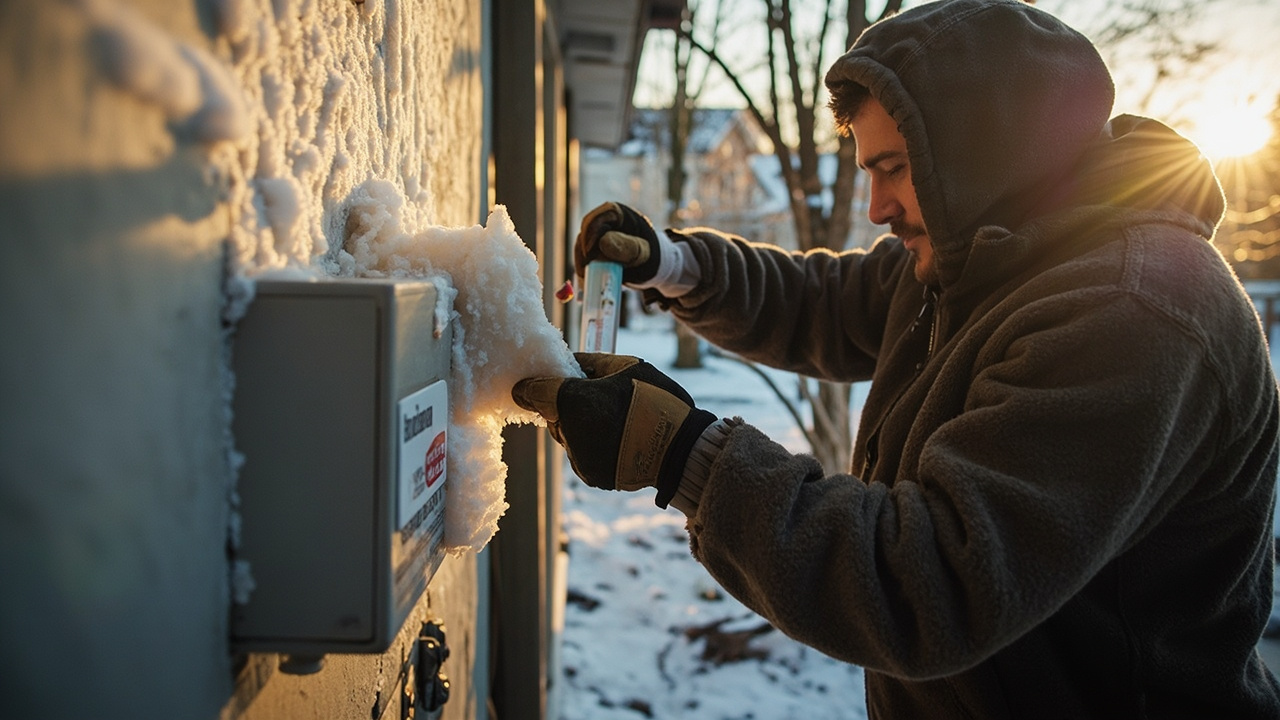
Stopping pipes from freezing requires understanding where your system is vulnerable. Unheated garages, north-facing exterior walls, and crawl spaces create the perfect storm for ice formation. When water freezes, it expands with 3,000 PSI of force. Copper pipes split. PEX connections separate. Galvanized steel cracks at the threads.

The damage happens fast. One night of 28-degree weather can crack a pipe. You wake up to a functioning system. Then the ice melts, water flows through the fracture, and you discover the problem when your ceiling caves in or your water bill triples.

Keeping water pipes from freezing is not about reacting to cold weather warnings. It is about preparing your system before the first hard freeze arrives.

Why San Jose Homes Face Frozen Pipe Risks Despite Mild Winters
The Engineering Behind Effective Frozen Pipe Prevention

The Engineering Behind Effective Frozen Pipe Prevention

Winterizing plumbing pipes requires a systematic approach based on thermal dynamics and water flow physics. Water freezes from the outside of the pipe inward. The ice forms first at the pipe wall, then progresses toward the center. Once the blockage forms, pressure builds on the supply side. That pressure finds the weakest point, usually a fitting or valve.

Protecting pipes from freezing starts with identifying critical zones. We map every vulnerable section in your home. Exterior walls with plumbing need insulation rated to R-19 minimum. Crawl spaces require both insulation and controlled ventilation. You want enough air movement to prevent moisture accumulation but not so much that you introduce cold air directly onto pipes.

Heat tape application follows specific protocols. We use self-regulating heat cable that adjusts output based on ambient temperature. The cable runs along the length of the pipe, never crossing itself, with coverage extending six inches beyond the last heated space. Thermostat settings hold at 40 degrees, providing enough warmth to prevent freezing without wasting energy.

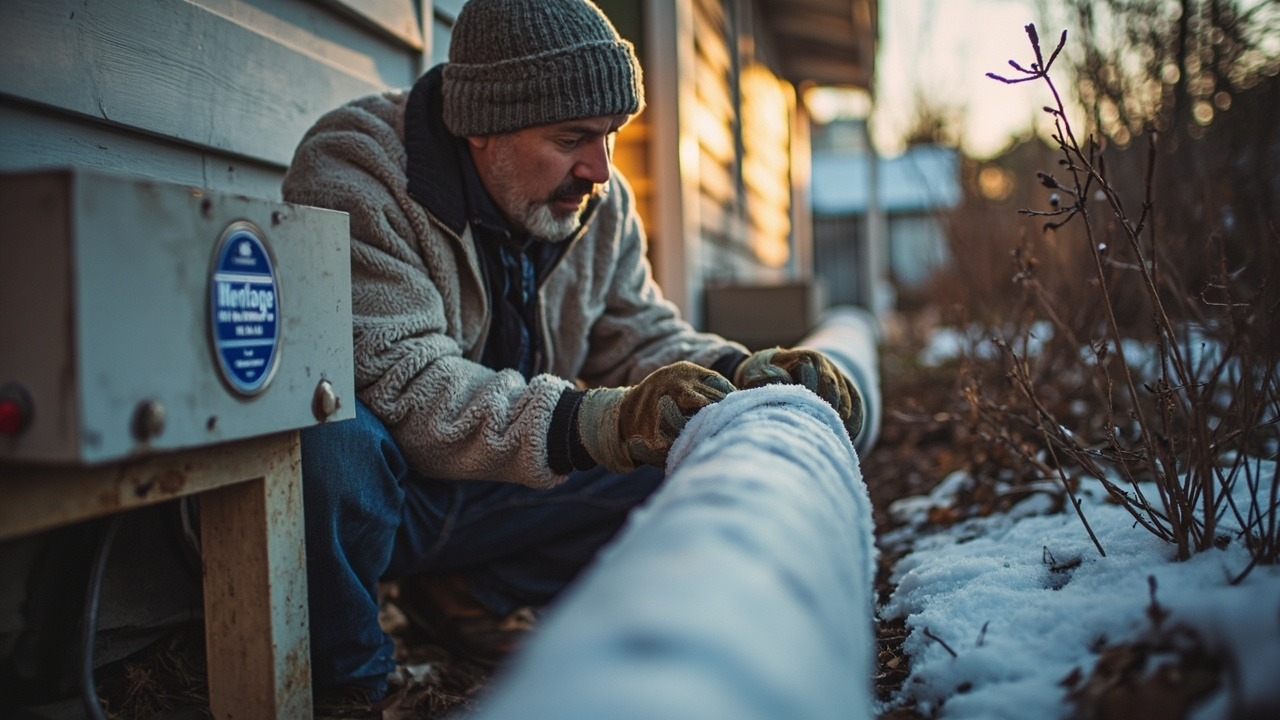
Pipe insulation comes in two forms. Foam sleeves work for easily accessible pipes in conditioned spaces. Fiberglass wrap with vapor barrier handles exposed pipes in unconditioned areas. The insulation must cover the entire pipe length, with special attention to elbows and fittings where heat loss accelerates.

Flow equals safety. Moving water resists freezing better than static water. We install freeze-prevention valves that allow a trickle flow when temperatures drop. The slight water movement and pressure relief prevent ice formation. For homes with well systems or private water sources, we configure recirculation systems that keep water moving through vulnerable sections.

The key is redundancy. One method helps. Three methods stacked together provide real protection when San Jose temperatures plummet unexpectedly.

Your Step-by-Step Pipe Winterization Process

How to Prevent Frozen Pipes in San Jose – Expert Winterizing Strategies That Work When Temperatures Drop
01

Comprehensive Vulnerability Assessment

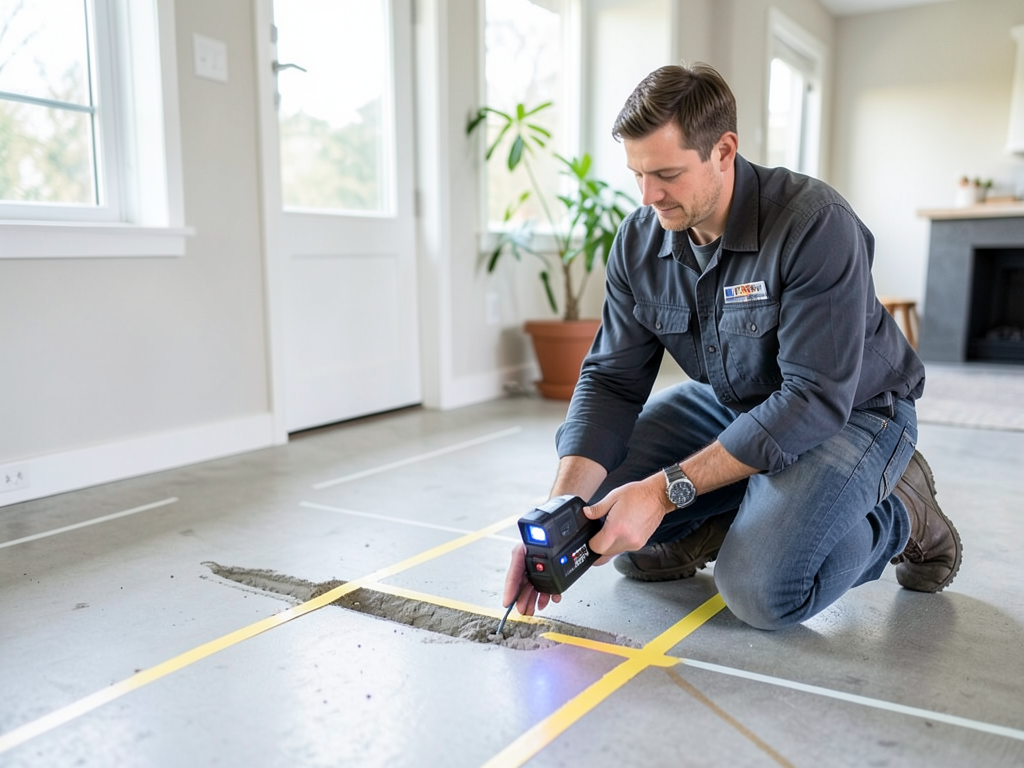
We walk your entire property, inside and out, mapping every pipe location. Our technicians check crawl spaces, attics, and exterior walls with thermal imaging cameras. These devices reveal temperature differentials that indicate vulnerable pipes. We document every hose bib, irrigation line, and supply pipe that sits in an unheated space. You receive a detailed map showing exactly which pipes need protection and why they are at risk in your specific home.
02

Strategic Protection Installation

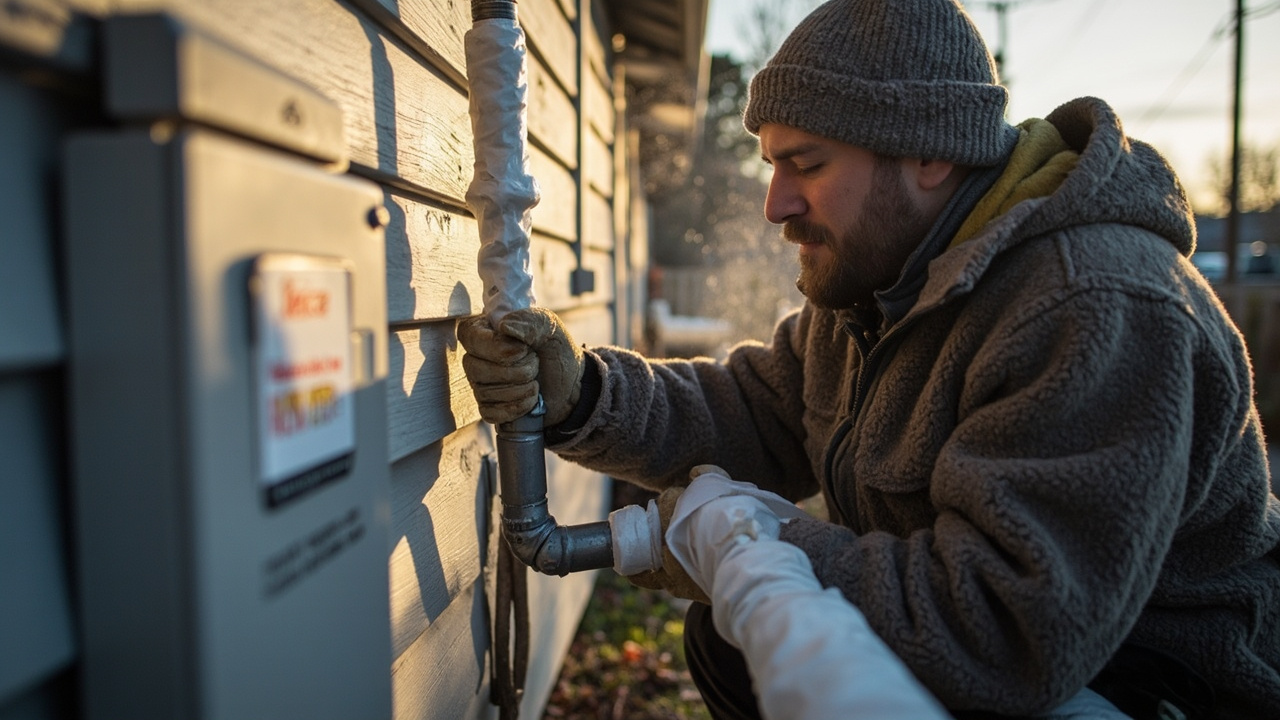
Based on the assessment, we install appropriate protection for each vulnerable zone. This includes wrapping pipes with insulation, applying heat tape to exposed sections, and sealing air leaks in walls or foundations. We insulate hose bibs with foam covers and install interior shutoff valves where needed. For homes with irrigation systems, we drain lines and blow out remaining water using compressed air. Each protection method targets the specific vulnerability we identified in your system.
03

System Testing and Documentation

After installation, we test every modification. Heat tape receives voltage checks to confirm proper operation. Insulation gets inspected for gaps or compression that reduces effectiveness. We verify that emergency shutoff valves function correctly and that you know their locations. You receive written documentation of all work performed, including maintenance requirements for heat tape and insulation. We also provide a winter preparation checklist you can follow each year to maintain protection without requiring a service call.

Why Local Expertise Matters for San Jose Pipe Protection

San Jose building codes changed significantly over the decades. Homes in Willow Glen built in the 1920s have different plumbing configurations than tract homes in South San Jose from the 1970s. Heritage Plumbing San Jose understands these distinctions because we work in these neighborhoods daily.

Older homes near downtown often feature galvanized steel pipes that are already compromised by decades of corrosion. These pipes need different protection strategies than modern PEX systems in newer developments. We know which pipes can handle heat tape installation and which require alternative methods to avoid damaging already weakened materials.

The microclimate variations across San Jose create different freeze risks. Properties near the foothills experience colder temperatures than homes closer to the bay. Elevation changes of just 200 feet can mean the difference between frozen pipes and safe operation. We factor in your specific location when designing protection systems.

Local water chemistry also plays a role. San Jose water contains minerals that affect how quickly ice forms and how much damage results from freezing. Hard water with high mineral content can accelerate pipe deterioration when freeze-thaw cycles occur repeatedly. We account for these factors when recommending prevention strategies.

Building code compliance matters for insurance claims. If a pipe bursts and your insurer discovers you failed to meet San Jose's weatherization requirements, your claim faces denial. We ensure all protection measures meet or exceed current code requirements, giving you documentation that protects your coverage.

The relationship between your plumbing system and your home's structure requires local knowledge. San Jose's clay soil causes foundation movement. This movement stresses pipes differently than stable soil would. We understand how your foundation type affects pipe vulnerability and adjust protection methods accordingly.

You want someone who has winterized hundreds of San Jose homes, not a technician learning on your property.

What Your Pipe Protection Service Includes

Same-Week Service Scheduling

You call today, we schedule your assessment within 48 hours. Full winterization installation happens within one week of your initial contact. We understand that cold snaps arrive with little warning in San Jose. Weather forecasts give you maybe three days notice before temperatures drop. Our scheduling system prioritizes freeze prevention work in late fall and early winter. You get on the calendar fast because waiting until the cold arrives defeats the purpose. We maintain dedicated crews for winterization work from October through January, ensuring availability when you need protection installed quickly.

Detailed Thermal Assessment

Our initial evaluation uses FLIR thermal imaging cameras that detect temperature variations invisible to the naked eye. These cameras reveal exactly where cold air penetrates your walls and where pipes sit in vulnerable zones. We measure ambient temperatures in crawl spaces and attics to establish baseline conditions. You receive photographs showing thermal signatures of problem areas. We also test water pressure and flow rates to identify restrictions that could worsen freeze damage. The assessment takes 60 to 90 minutes depending on home size. You get a written report with prioritized recommendations, not a vague suggestion to add insulation somewhere.

Professional-Grade Materials and Installation

We install self-regulating heat cable rated for continuous operation, not the cheap hardware store variety that fails after one season. Pipe insulation comes from commercial suppliers and carries fire ratings required by code. Foam hose bib covers include interior insulation and exterior weatherproofing. All electrical connections for heat tape follow NEC standards with GFCI protection. Installation quality determines whether protection actually works when temperatures drop. We secure insulation with UV-resistant zip ties, seal penetrations with expanding foam rated for plumbing applications, and verify that all materials maintain their protective properties in San Jose's temperature range. You get a system built to last multiple winters, not a temporary patch.

Ongoing Seasonal Maintenance Options

Pipe protection requires annual verification. Heat tape connections corrode. Insulation compresses and loses effectiveness. We offer fall inspection services that check all protection systems before winter arrives. These inspections catch problems before cold weather tests your defenses. We verify heat tape operation, check insulation for damage from rodents or moisture, and confirm that shutoff valves still function correctly. You receive reminder calls each October so you don't forget to schedule your pre-winter checkup. For clients who want complete peace of mind, we offer monitoring services that alert you via text if heat tape systems lose power or if temperatures in protected areas drop below safe thresholds.

Frequently Asked Questions

You Have Questions,
We Have Answers

Do all faucets need to drip to prevent freezing? +

No. Focus on faucets served by pipes in unheated areas like crawlspaces, garages, or exterior walls. In San Jose, homes with pier-and-beam foundations or older construction often have exposed pipes under the house. These are your priority. Interior pipes in conditioned spaces rarely need dripping. Check your attic and garage too. If you see exposed copper or PEX runs near vents or uninsulated sections, drip those faucets. You do not need every tap running. Target the vulnerable spots. This saves water and focuses your freeze prevention where it matters most.

How do I stop my pipes from freezing? +

Insulate exposed pipes in crawlspaces, attics, and garages using foam pipe sleeves. Seal gaps around pipes where they enter your home to block cold air. Disconnect and drain garden hoses, then shut off exterior hose bibs from inside if possible. Open cabinet doors under sinks on exterior walls to let warm air circulate. During freezing nights in San Jose, let vulnerable faucets drip slightly to keep water moving. Homes built before the 1980s often lack proper insulation around plumbing, so pay extra attention to older construction common in Willow Glen and Naglee Park neighborhoods.

At what temperature will pipes freeze? +

Pipes begin to freeze when temperatures drop to 32 degrees Fahrenheit, but risk increases significantly below 20 degrees. In San Jose, hard freezes are rare but do occur during December and January cold snaps. Your risk depends on pipe location and insulation. Exposed pipes in unheated crawlspaces or attics freeze faster than those inside walls. Wind chill matters too. A 28-degree night with wind can freeze poorly insulated pipes faster than a calm 25-degree night. Homes near the Diablo Range foothills face greater freeze risk than properties closer to the bay.

How much water should I run to keep pipes from freezing? +

A pencil-lead-thin stream is enough. You want movement, not volume. Five drips per minute keeps water flowing and prevents freezing in vulnerable pipes. This slight trickle maintains pressure and stops ice formation without wasting excessive water. In San Jose, where water conservation matters, focus on dripping only during freeze warnings, not every cold night. Both hot and cold taps should drip if they serve exposed pipes. The goal is circulation. A steady drip costs less than repairing burst pipes and water damage. Set a timer reminder to start dripping before bed on freeze nights.

Should you drip faucets all day or just at night? +

Drip faucets only at night when temperatures drop lowest, typically between 10 PM and 8 AM. In San Jose, daytime temps usually stay above freezing even during cold spells, so all-day dripping wastes water. Check the National Weather Service forecast for overnight lows. If temps will drop below 28 degrees, start dripping before bed. Stop once morning temps rise above 32 degrees. This targeted approach conserves water while protecting pipes during the highest-risk hours. San Jose Water Company encourages smart conservation, so avoid unnecessary 24-hour dripping unless forecasts predict sustained below-freezing conditions.

What freezes first, hot or cold water pipes? +

Hot water pipes freeze first. This surprises people, but hot water holds less dissolved air and loses heat faster through the Mpemba effect. Hot water pipes also tend to be emptier after use, giving ice more room to expand. In San Jose homes, hot water lines running through uninsulated attics or crawlspaces freeze before cold lines. Both need protection, but prioritize hot water pipes in vulnerable areas. Insulate hot water supply lines first, especially those serving exterior hose bibs or running through garage spaces. Cold water pipes still need attention, but hot lines demand faster action.

At what temperature should you let your faucets drip? +

Start dripping faucets when outdoor temperatures will drop to 28 degrees or below. San Jose typically sees freeze risk December through February during clear, calm nights. The 28-degree threshold gives you a safety buffer before the 32-degree freezing point. Pipes in unheated spaces cool faster than outdoor air temps suggest. Wind increases freeze risk, so drip faucets at 30 degrees if forecasts include wind. Check evening weather reports and start dripping before bedtime. Morning temps often rise quickly in San Jose, so you can stop dripping once temps climb back above freezing after sunrise.

Do ping pong balls keep water from freezing? +

No. This is a myth. Ping pong balls floating in pools or stock tanks may slightly slow surface ice formation through movement, but they do nothing for pipes. Your home plumbing system is enclosed and pressurized. You cannot float objects inside pipes. Prevent frozen pipes through proven methods like insulation, sealing air leaks, and maintaining drip flow during freezes. San Jose homeowners waste money on gimmicks when simple foam pipe insulation and cabinet door positioning work better. Skip the tricks. Focus on insulating vulnerable pipes in your crawlspace and keeping conditioned air circulating around plumbing on exterior walls.

Should I run hot water to keep pipes from freezing? +

Yes, run both hot and cold water. Hot water pipes freeze faster, so dripping the hot side is critical. Open both taps slightly to maintain circulation through the entire system. In San Jose homes with tankless water heaters, running hot water also keeps the unit cycling, which generates warmth near pipes. If you have a traditional tank heater in the garage, hot water flow helps prevent freezing in that exposed space. The key is movement. Stagnant water freezes. Flowing water does not. A thin stream from both taps protects your entire plumbing system during freeze events.

What temperature should I keep my house in winter to keep pipes from freezing? +

Keep your thermostat at 55 degrees minimum, even when away. San Jose winters are mild, but interior temps below 50 degrees put pipes at risk, especially those in exterior walls or unheated spaces. Homes in neighborhoods like Almaden Valley or the East Foothills cool faster on clear nights due to elevation. Do not shut off heat completely to save money. Burst pipe repairs cost thousands more than a few days of heating. Open interior doors to circulate warm air throughout your home. Keep cabinet doors open under sinks on exterior walls so heated air reaches vulnerable pipes.

How San Jose's Freeze-Thaw Cycles Damage Unprotected Plumbing Systems

San Jose's winter pattern creates a perfect storm for pipe damage. Daytime temperatures climb into the 50s, melting any ice that formed overnight. Then temperatures plunge back below freezing after sunset. This freeze-thaw cycle repeats 15 to 20 times each winter. Each cycle weakens pipe walls and fittings. Copper develops microfractures. PEX connections loosen. Galvanized steel corrodes at accelerated rates. The damage accumulates over weeks, then fails catastrophically during one particularly cold night. Coastal moisture compounds the problem. San Jose sits close enough to the bay that humidity levels stay elevated even in winter. That moisture penetrates insulation and conducts cold directly to pipe surfaces, accelerating ice formation in exposed areas.

Santa Clara County building codes updated freeze protection requirements in 2019 following a particularly damaging cold snap that caused widespread pipe failures. Current code requires R-11 minimum insulation for pipes in unconditioned spaces and heat tape installation for exterior hose bibs in new construction. Existing homes are not required to upgrade unless major plumbing work triggers permit requirements. Heritage Plumbing San Jose helped draft portions of these updated standards based on our experience responding to hundreds of frozen pipe emergencies. We understand not just what the code requires but why those requirements exist and how to exceed them cost-effectively. That local involvement means your protection system meets standards other contractors might overlook.
Plumbing Services in The San Jose Area

Heritage Plumbing San Jose is proud to serve the entire San Jose community and its neighboring areas, offering prompt, reliable service right to your doorstep. Use the interactive map below to confirm our central location and see the extensive area we cover, or simply call our office to verify service in your specific neighborhood. We look forward to being your local, professional plumbing partner you can always trust for expert solutions and dedicated customer care.

Address:
Heritage Plumbing San Jose, 99 S Almaden Blvd, San Jose, CA, 95113

Additional Services We Offer

Our news updates

Latest Articles & News from The Blogs

How to Protect Your New Almaden Septic Tank During a Heavy Rainy Season Living in Almaden Valley means enjoying beautiful…

How to Protect Your New Almaden Septic Tank During a Heavy Rainy Season

How to Protect Your New Almaden Septic Tank During a Heavy Rainy Season Living in Almaden Valley means enjoying beautiful…

What San Jose Homeowners Need to Know About the 2026 Water Conservation Standards

What San Jose Homeowners Need to Know About the 2026 Water Conservation Standards Starting in 2026 San Jose homeowners will…

Why Your Fairglen Eichler Needs a Specialist for Radiant Floor Heating Leaks

Why Your Fairglen Eichler Needs a Specialist for Radiant Floor Heating Leaks If your Fairglen Eichler is showing signs of…

Contact Us

One frozen pipe causes thousands in damage. Prevention costs a fraction of repair bills. Call Heritage Plumbing San Jose at (408) 381-5355 now to schedule your pipe winterization assessment. We will protect your system before temperatures drop.