menu

Tank vs. Tankless Water Heaters in San Jose – Expert Guidance to Cut Your Energy Bills and Free Up Space

Choosing between storage water heaters and instantaneous systems affects your monthly utility costs, available square footage, and long-term maintenance budgets. Heritage Plumbing San Jose breaks down the real differences so you can make the right decision for your home.

Slider Image 1
Slider Image 2
Slider Image 3
Slider Image 4
Slider Image 5
Slider Image 7
Slider Image 8
Slider Image 9
Slider Image 10
Slider Image 11

Why San Jose Homeowners Are Rethinking Their Water Heating Strategy

San Jose's rising energy costs and tight housing stock have pushed homeowners to question the traditional tank water heater model. When natural gas rates climb and every square foot counts in a 1,200-square-foot bungalow near Willow Glen or a compact condo in Santana Row, the standard 50-gallon storage tank suddenly looks wasteful.

The conventional water heater sits in your garage or utility closet, heating 40 to 80 gallons of water around the clock whether you need it or not. That continuous energy draw adds up fast in San Jose's moderate climate, where you are not fighting extreme cold but still running hot water for showers, laundry, and dishwashing daily. The tank also occupies 16 to 24 inches of floor diameter, a footprint that matters when you are trying to carve out workshop space or extra storage.

On-demand water heaters eliminate standby heat loss by firing only when you open a hot water tap. The unit mounts on a wall, freeing up floor space entirely. But the initial equipment and installation costs run higher, and your existing gas line may need upgrading to deliver the BTU input an instantaneous system demands.

The decision between traditional vs on-demand water heaters hinges on your household size, usage patterns, and how long you plan to stay in the home. A family of five will stress a single tankless unit during morning rush hour, while a retired couple may never notice the difference. Understanding the trade-offs between storage vs instantaneous water heaters means looking at real energy consumption, peak demand periods, and the upfront investment required to retrofit your plumbing and gas infrastructure. Heritage Plumbing San Jose walks you through the numbers so you can see which system actually saves you money over a 10- to 15-year lifespan.

Why San Jose Homeowners Are Rethinking Their Water Heating Strategy
How We Compare Conventional and Tankless Systems for Your Home

How We Compare Conventional and Tankless Systems for Your Home

We start with a load calculation based on your fixture count and simultaneous usage. A standard three-bathroom home in San Jose typically runs two showers, one dishwasher, and one washing machine during peak morning hours. That scenario demands roughly 7 to 9 gallons per minute at a 70-degree temperature rise. A single tankless unit rated at 180,000 BTU input can handle that load, but only if your gas meter and supply line deliver adequate pressure. We measure your existing gas line diameter, check the meter capacity with PG&E records, and calculate whether you need a larger supply pipe from the meter to the unit.

For tank systems, we evaluate recovery rate, which tells you how many gallons per hour the burner can reheat after a heavy draw. A 40-gallon tank with a 38-gallon first-hour rating will leave you with cold water mid-shower if three people bathe back-to-back. We size the tank based on your peak hourly demand, not just the number of occupants, because a household that runs laundry and showers simultaneously needs more capacity than one that staggers usage.

We also inspect your venting pathway. Tankless units require Category III stainless steel venting or PVC depending on condensing efficiency, and the vent must terminate through an exterior wall with specific clearance from windows, doors, and air intakes per San Jose building code. Standard tank heaters use Type B double-wall vent pipe that runs vertically through the roof. If your existing vent is damaged or undersized, we factor that retrofit cost into the comparison.

Water hardness in San Jose ranges from 8 to 15 grains per gallon depending on whether you are on city supply or a private well in the foothills. Hard water accelerates scale buildup in heat exchangers, which means tankless systems need annual descaling flushes to maintain efficiency. Tank heaters suffer anode rod depletion and sediment accumulation, requiring flushing every six months. We explain the maintenance cadence for each system so you know the real ongoing cost beyond the utility bill.

What Happens When You Request a Water Heater Consultation

Tank vs. Tankless Water Heaters in San Jose – Expert Guidance to Cut Your Energy Bills and Free Up Space
01

Usage Audit and Load Mapping

We document every hot water fixture in your home and ask about your daily routines. How many people shower before 8 a.m.? Do you run the dishwasher and laundry simultaneously? We measure flow rates at each tap and showerhead to calculate your true peak demand. This data determines whether a single on-demand unit will keep up or if you need a hybrid setup with a small recirculation loop for instant delivery at distant fixtures.
02

System Sizing and Infrastructure Check

We inspect your gas meter, measure the supply line diameter, and confirm the available BTU capacity. For electric tankless systems, we verify your electrical panel can support a 150-amp or 200-amp load. We also check your water pressure at the main shutoff because tankless units require a minimum 30 psi to activate the flow sensor. If your pressure is borderline, we recommend a pressure booster or a different approach.
03

Cost and Payback Analysis

We provide a side-by-side comparison showing equipment cost, installation labor, estimated annual energy consumption, and projected lifespan for both conventional and tankless options. You see the payback period in years based on your actual utility rates and usage patterns. We break out optional upgrades like recirculation pumps, water softener loops, and expanded venting so you can prioritize what matters most for your household and budget.

Why San Jose Homeowners Trust Heritage Plumbing for Water Heater Decisions

San Jose's housing mix includes 1950s ranch homes with galvanized supply lines, 1980s tract houses with original builder-grade equipment, and new construction with high-efficiency mandates. Each generation of home has different infrastructure constraints, and retrofitting a tankless system into a 70-year-old house requires knowledge of local code amendments and realistic expectations about what the existing plumbing and gas system can support.

We have pulled permits for water heater replacements across every San Jose neighborhood, from the Almaden Valley hillsides to the older Burbank district near downtown. We know which inspectors focus on earthquake strapping details, which require seismic shut-off valves, and when you need a separate permit for gas line upgrades. That familiarity keeps your project on schedule and prevents surprise costs when the inspector flags an outdated installation method.

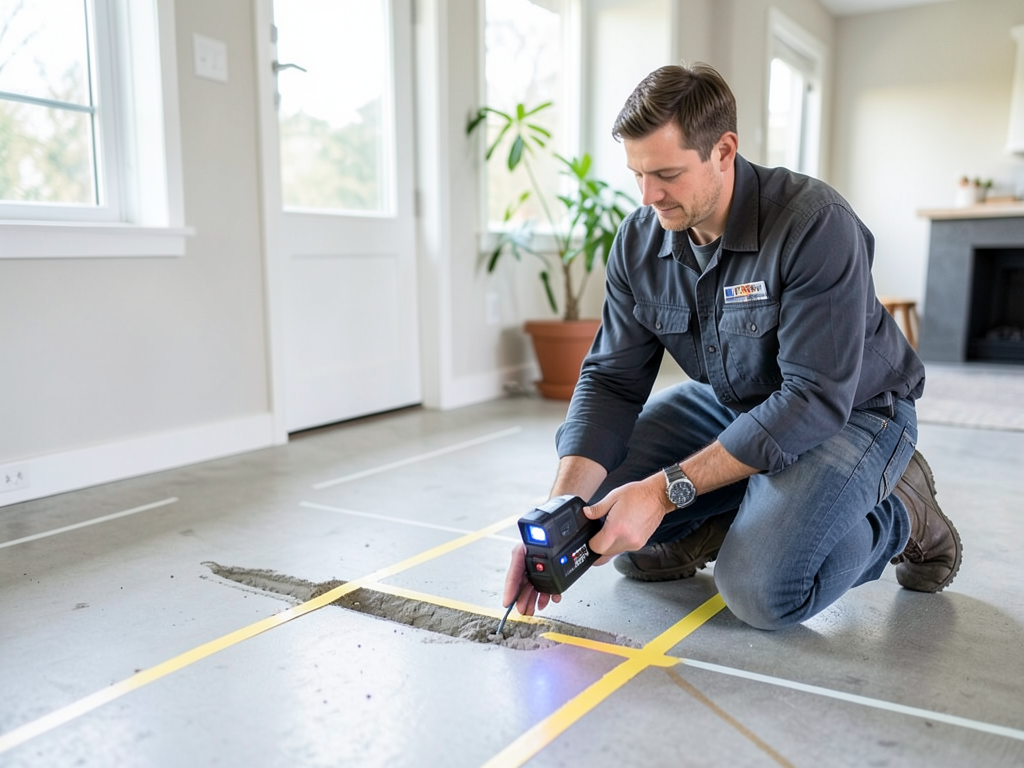
Our technicians carry manometers to measure gas pressure at the appliance, thermal imaging cameras to spot hidden leaks in heat exchangers, and combustion analyzers to verify burner efficiency on both standard and condensing units. We do not guess whether your existing vent will work with a new high-efficiency tank or whether your gas line will support a 199,000 BTU tankless unit. We measure, calculate, and show you the data.

We also understand the local water chemistry. San Jose's calcium carbonate levels vary by elevation and water district. Homes supplied by the Santa Clara Valley Water District see different hardness levels than properties on private wells near Mount Hamilton. We recommend inline water softeners or point-of-use filtration based on your actual water test results, not generic advice. That specificity protects your investment and extends equipment life.

Heritage Plumbing San Jose does not push one technology over another. If a 50-gallon power-vented tank makes more sense for your budget and usage, we say so. If a condensing tankless system will cut your gas bill by 30 percent and you plan to stay in the home for 10 years, we run the numbers and show you the return. You get honest guidance rooted in local building science and real-world San Jose installation experience.

What to Expect When You Compare Water Heater Options with Heritage Plumbing

Consultation Scheduling and Timing

We schedule your in-home evaluation within two business days of your call. The consultation takes 45 to 60 minutes and includes a full walkthrough of your existing system, gas and electrical infrastructure assessment, and a detailed usage interview. You receive a written comparison document the same day via email, showing equipment specs, installation scope, and projected energy savings for both tank and tankless configurations. If you need same-day service due to a failed water heater, we stock both standard atmospheric tanks and power-vented models on every truck for immediate replacement.

Technical Assessment and Load Calculation

We measure the incoming water temperature at your main supply, which averages 55 to 60 degrees in San Jose year-round. That baseline determines the temperature rise your system must deliver to reach 120 degrees at the tap. We calculate peak demand by adding up the flow rates of all fixtures you might use simultaneously, then compare that total against the gallon-per-minute output of various tankless models and the first-hour rating of different tank sizes. You see exactly how each system will perform during your household's busiest usage period.

Installation Quality and Code Compliance

We pull all required permits and coordinate inspections with the city of San Jose building department. Earthquake straps meet the current six-inch minimum vertical separation requirement. Gas connections use corrugated stainless steel tubing or black iron pipe depending on run length and accessibility. We install a thermal expansion tank on all closed-loop systems to protect your plumbing from pressure surges. Venting follows the appliance manufacturer's specifications and NFPA 54 standards for clearance and termination height. You receive a copy of the final inspection approval and a detailed diagram of your new system for future reference.

Maintenance Plans and Service Intervals

Tankless systems need an annual descaling flush to remove mineral deposits from the heat exchanger. We perform that service with food-grade citric acid solution and a dedicated flush pump. Standard tank heaters require sediment flushing every six months and anode rod inspection annually. We offer a scheduled maintenance plan that sends you a reminder 30 days before each service interval, and we keep records of every flush, inspection, and component replacement tied to your home address. That documented maintenance history protects your manufacturer warranty and helps the next homeowner if you sell.

Frequently Asked Questions

You Have Questions,
We Have Answers

What is better, a tankless water heater or a tank? +

Neither is universally better. Your choice depends on your household size, hot water demand, and budget. Tankless heaters provide endless hot water and save space, making them popular in San Jose homes with limited square footage. They also reduce standby energy loss. Tank heaters cost less upfront and work well for homes with predictable, moderate hot water needs. In San Jose, where energy efficiency matters due to California utility rates, tankless units can lower monthly bills. However, simultaneous use in larger homes may require multiple units. Evaluate your daily usage patterns and installation costs before deciding.

What is the downside of a tankless water heater? +

The main downsides are higher upfront cost and complex installation requirements. Tankless units often require upgraded gas lines or electrical panels, especially in older San Jose homes. Initial investment runs significantly higher than tank models. Flow rate limitations can be problematic if multiple fixtures run simultaneously. You may experience a slight delay before hot water arrives at distant faucets. Hard water in some San Jose neighborhoods can cause mineral buildup, requiring annual descaling maintenance. Some homeowners find the investment payback period longer than expected, particularly if natural gas rates fluctuate or household demand is lower than anticipated.

Why do plumbers not recommend tankless water heaters? +

This is a misconception. Many plumbers recommend tankless systems when they fit the application. Some plumbers hesitate due to installation complexity, the need for proper venting and gas line sizing, or unfamiliarity with newer technology. In San Jose, where building codes are strict and permit requirements detailed, improper installation creates callbacks and liability. Experienced plumbers who understand flow rates, venting requirements, and electrical demands confidently install tankless units. The key is matching the system to your home's infrastructure and hot water demand. Poor experiences often stem from undersized units or inadequate installations, not the technology itself.

Are tank water heaters being phased out? +

No. Tank water heaters remain widely manufactured and installed across the country. While California pushes energy efficiency standards that favor high-efficiency models, traditional tank heaters meet current codes when properly rated. San Jose homeowners still choose tank models for lower upfront costs and simpler replacement in homes with existing tank infrastructure. New efficiency regulations affect both tank and tankless designs equally. The market is shifting toward more efficient options overall, but tanks will remain available and code-compliant for years. Your choice should be based on your specific needs, not fears of obsolescence or unavailability.

Why do people still use tank water heaters? +

Tank heaters offer lower upfront costs, simpler installation, and familiar technology. Many San Jose homes already have the infrastructure for tank models, making replacement straightforward and affordable. They deliver consistent flow rates for simultaneous use without complex sizing calculations. Households with predictable hot water schedules find tanks perfectly adequate. Repair costs tend to be lower, and more technicians service them. For budget-conscious homeowners or those planning to sell soon, the return on investment for tankless may not justify the expense. Tanks also work during power outages if gas-powered, providing hot water when electricity fails.

How do amish get hot water? +

This question falls outside typical San Jose residential plumbing concerns. Amish communities traditionally use wood-fired water heating systems, propane heaters, or solar thermal collectors depending on their specific community rules. Some use tankless propane heaters that require no electricity. These methods align with off-grid lifestyles. For San Jose homeowners interested in alternative water heating, solar thermal systems or heat pump water heaters offer energy savings while remaining grid-connected and code-compliant. If you need reliable hot water solutions for your home, focus on systems approved for California residential use that meet local building standards.

What is the most common problem with tankless water heaters? +

Mineral buildup from hard water is the most frequent issue. San Jose water hardness varies by neighborhood, but calcium and magnesium deposits accumulate inside heat exchangers, reducing efficiency and flow rates. This requires annual descaling maintenance using vinegar or commercial solutions. Ignoring this maintenance leads to premature failure. Other common problems include ignition failure, flame sensor issues, and error codes from improper venting. Cold water sandwiches, brief bursts of cold water during use, frustrate some users. Regular maintenance by a qualified technician prevents most problems and extends unit lifespan significantly.

Can you run out of hot water with a tankless water heater? +

No. Tankless heaters provide continuous hot water as long as demand stays within the unit's flow rate capacity. You get hot water on demand without waiting for a tank to refill and reheat. However, if multiple fixtures exceed the unit's gallon-per-minute rating, you will experience reduced water temperature or pressure. For example, running two showers and a dishwasher simultaneously might exceed capacity in smaller units. Proper sizing during installation prevents this issue. In San Jose homes with high simultaneous demand, installing multiple units or a larger model ensures you never run out, unlike tank systems with finite capacity.

Can I replace my 40 gallon water heater with a tankless water heater? +

Yes, but expect significant installation differences. Your 40-gallon tank replacement requires assessing your home's gas line size, electrical capacity, and venting requirements. Many San Jose homes need gas line upgrades to supply adequate BTUs for tankless operation. You may need a dedicated 120V outlet for the control board. Venting through existing flues often does not meet tankless requirements, requiring new PVC venting through walls or roofs. Permits are required in San Jose for this work. Budget for these infrastructure upgrades beyond the unit cost. A qualified plumber will evaluate your home's readiness and provide accurate conversion costs.

Is there an IRS tax credit for a tankless water heater? +

Federal tax credits for water heaters change annually based on energy legislation. As of recent updates, the Inflation Reduction Act provides credits for qualified energy-efficient home improvements, including certain water heaters. Tankless gas models must meet specific Energy Star efficiency ratings to qualify. Electric heat pump water heaters often qualify for larger credits than standard tankless units. Check the IRS website or consult a tax professional for current credit amounts and eligibility requirements. California may offer additional state rebates or utility company incentives for high-efficiency water heaters. Verify qualifications before purchasing to maximize available savings.

How San Jose's Water Chemistry Affects Your Tank vs Tankless Decision

San Jose's water supply averages 10 grains per gallon hardness, high enough to cause noticeable scale buildup in heat exchangers and tank sediment within 18 months. The calcium carbonate precipitates faster in tankless units because the water passes through narrow channels in the heat exchanger at high velocity. That scale acts as an insulator, forcing the burner to work harder and reducing efficiency by 20 to 30 percent within two years if you skip maintenance. Standard tank heaters tolerate hard water better because the sediment settles at the bottom rather than coating a heating surface, but the anode rod depletes faster in mineral-rich water, leaving the steel tank vulnerable to corrosion. Heritage Plumbing San Jose factors your local water hardness into every recommendation and explains whether a whole-house softener or point-of-use filter makes sense for your system choice.

San Jose adopted updated plumbing code provisions in 2022 that require seismic shut-off valves on all new gas appliance installations in seismic zone 4. Your water heater replacement must include earthquake-rated flexible connectors and dual-strap restraint systems anchored to structural framing. We stay current with these amendments and ensure every installation meets the latest standards. That compliance protects you during a seismic event and prevents problems when you sell the home, because buyers' inspectors will flag outdated installations. Choosing a local plumber who understands San Jose's specific code requirements saves you from costly re-work and gives you confidence that your system is safe and legally compliant.
Plumbing Services in The San Jose Area

Heritage Plumbing San Jose is proud to serve the entire San Jose community and its neighboring areas, offering prompt, reliable service right to your doorstep. Use the interactive map below to confirm our central location and see the extensive area we cover, or simply call our office to verify service in your specific neighborhood. We look forward to being your local, professional plumbing partner you can always trust for expert solutions and dedicated customer care.

Address:
Heritage Plumbing San Jose, 99 S Almaden Blvd, San Jose, CA, 95113

Additional Services We Offer

Our news updates

Latest Articles & News from The Blogs

How to Protect Your New Almaden Septic Tank During a Heavy Rainy Season Living in Almaden Valley means enjoying beautiful…

How to Protect Your New Almaden Septic Tank During a Heavy Rainy Season

How to Protect Your New Almaden Septic Tank During a Heavy Rainy Season Living in Almaden Valley means enjoying beautiful…

What San Jose Homeowners Need to Know About the 2026 Water Conservation Standards

What San Jose Homeowners Need to Know About the 2026 Water Conservation Standards Starting in 2026 San Jose homeowners will…

Why Your Fairglen Eichler Needs a Specialist for Radiant Floor Heating Leaks

Why Your Fairglen Eichler Needs a Specialist for Radiant Floor Heating Leaks If your Fairglen Eichler is showing signs of…

Contact Us

Stop guessing which system will work best for your San Jose home. Call Heritage Plumbing San Jose at (408) 381-5355 to schedule your in-home evaluation. We provide a detailed side-by-side analysis and honest recommendations based on your actual usage and infrastructure.