menu

Medical & Dental Gas Plumbing in San Jose | Code-Compliant Systems That Keep Your Facility Operational

Heritage Plumbing San Jose delivers NFPA 99 and Title 22 compliant medical gas pipeline installations, retrofits, and certifications for hospitals, surgical centers, and dental practices across the South Bay.

Slider Image 1
Slider Image 2
Slider Image 3
Slider Image 4
Slider Image 5
Slider Image 7
Slider Image 8
Slider Image 9
Slider Image 10
Slider Image 11

Why Medical Gas System Failures Put San Jose Healthcare Facilities at Risk

San Jose's healthcare corridor along Bascom Avenue and the medical facilities near Good Samaritan Hospital operate under strict California Title 22 regulations that treat medical gas pipeline failures as zero-tolerance events. A single contamination incident in your medical oxygen lines or nitrous oxide system can trigger immediate shutdown orders from the California Department of Public Health.

The challenge intensifies in older San Jose medical buildings constructed before 1990. Many facilities in Willow Glen and downtown San Jose still run copper medical gas piping systems installed before current brazing standards existed. These legacy systems develop microscopic leaks at joints, allowing atmospheric contamination into medical oxygen supplies. The result is failed purity testing, surgical delays, and potential patient harm.

Dental practices face parallel risks with nitrous oxide delivery systems. California requires specific ventilation rates and scavenging systems that many older dental suites in Almaden Valley and Rose Garden neighborhoods lack. Without proper dental gas piping design, staff exposure to trace anesthetic gases exceeds OSHA permissible exposure limits.

Medical gas installation services in San Jose must account for seismic requirements unique to the Bay Area. Your medical gas pipeline services need expansion loops and flexible connections that accommodate building movement during earthquakes while maintaining gas purity. Standard installations from contractors unfamiliar with California's seismic codes fail inspection immediately.

The liability exposure is binary. Either your certified med gas plumbers deliver a system that passes third-party verification testing, or your facility cannot legally operate.

Why Medical Gas System Failures Put San Jose Healthcare Facilities at Risk
How Compliant Medical Gas Piping Systems Protect Your Operations

How Compliant Medical Gas Piping Systems Protect Your Operations

Heritage Plumbing San Jose approaches medical gas piping systems as life safety infrastructure, not standard plumbing. Our certified med gas plumbers hold active Medical Gas Installer Certification (MGIC) and complete continuing education on NFPA 99 Health Care Facilities Code updates annually.

We begin every med gas installation service with a load calculation specific to your clinical equipment. A surgical center performing conscious sedation has different nitrous oxide demand than a pediatric dental practice. We size medical gas pipeline services based on simultaneous use scenarios, not generic fixture counts. This prevents pressure drops during peak demand that compromise anesthesia delivery.

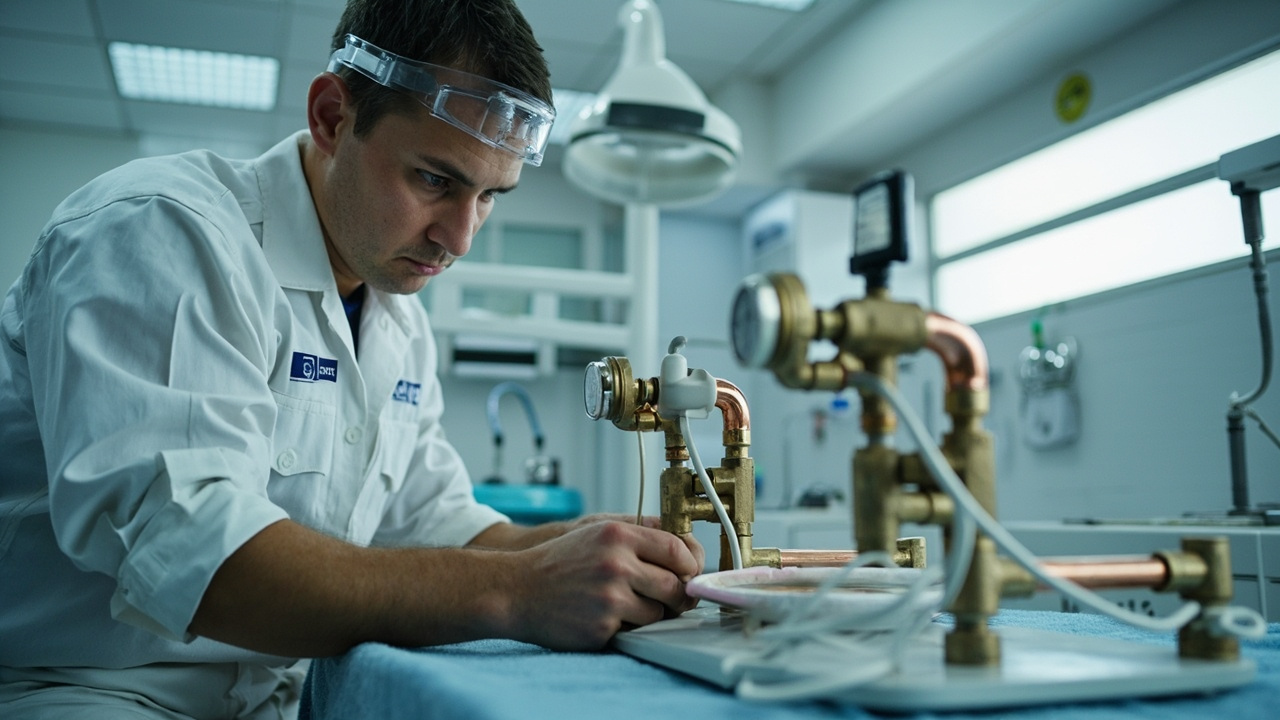
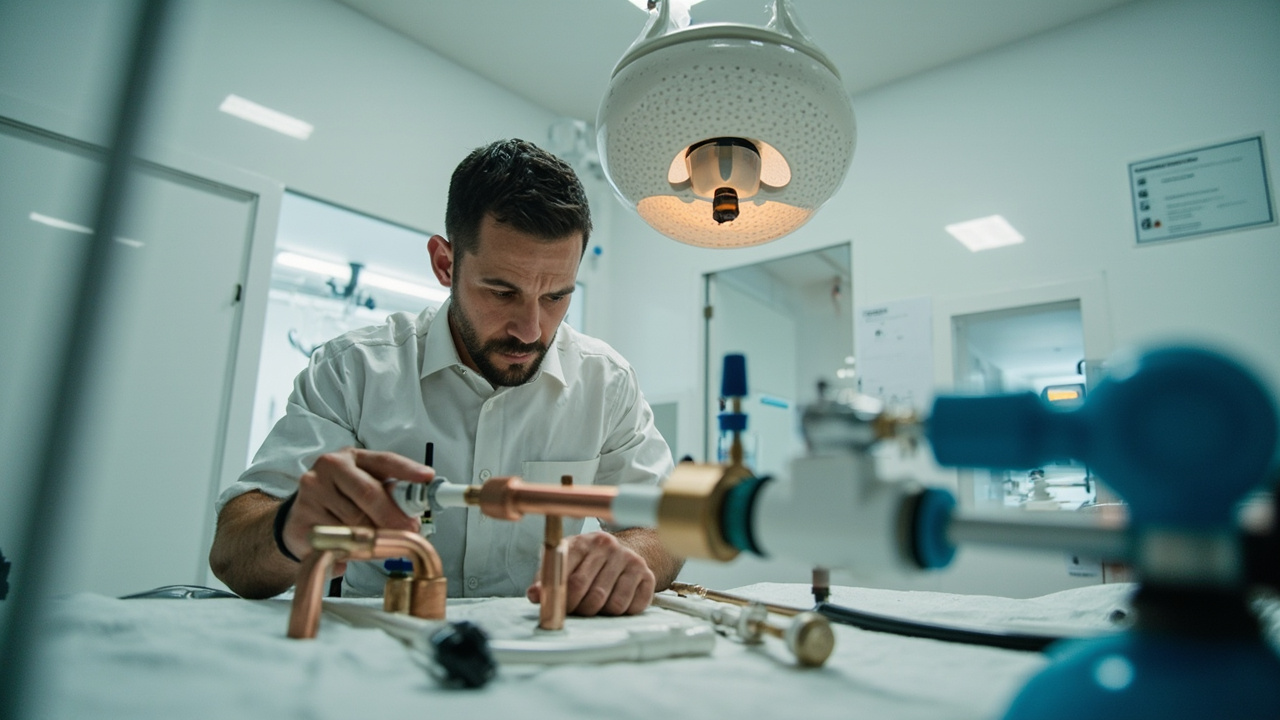
Our brazing protocols for medical oxygen lines use nitrogen purging throughout the joining process. This prevents internal oxidation that creates particulate contamination. Standard plumbers skip this step because they cannot see the invisible copper oxide scale forming inside the pipe. We verify zero particulate presence using white cloth testing before any system goes live.

For dental gas piping, we install dedicated vacuum systems with oil-free pumps and HEPA filtration. The scavenging systems we design capture nitrous oxide at the mask interface and exhaust it above the roofline, meeting NIOSH recommendations for occupational exposure control.

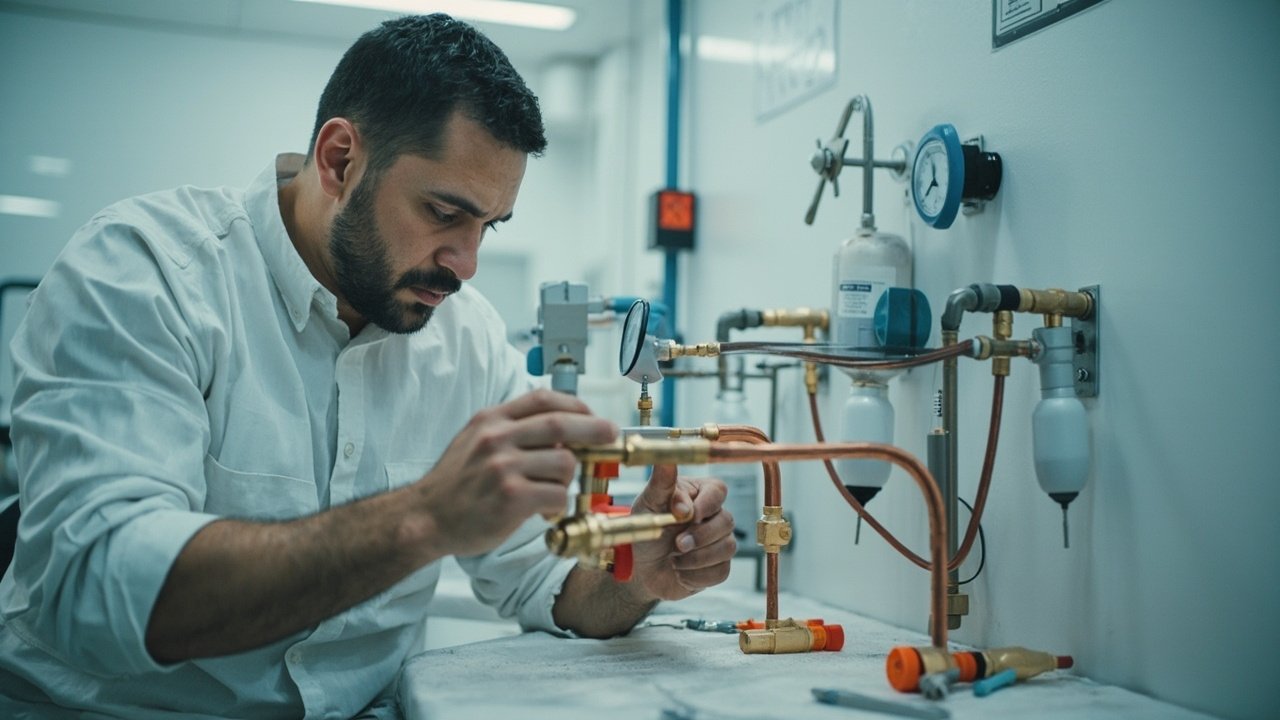
Every medical gas pipeline installation includes zone valve boxes with DISS-specific connections that prevent cross-connection errors. We label systems using the color-coding and text requirements specified in NFPA 99 Section 5.1.13. The medical director can identify gas types instantly during emergency scenarios.

Third-party verification testing happens before we hand over any system. This includes pressure decay testing, cross-connection testing, and purity analysis performed by California-approved agencies.

What Installing Medical Gas Systems in Your San Jose Facility Looks Like

Medical & Dental Gas Plumbing in San Jose | Code-Compliant Systems That Keep Your Facility Operational
01

Engineering and Permitting

We create stamped engineering drawings showing medical gas piping routes, valve locations, and alarm panel placement. These drawings go to San Jose's Building Department with OSHPD pre-approval documentation if your facility falls under California's hospital seismic requirements. We coordinate inspections with both city inspectors and the medical gas verifier who will perform final testing. This front-end planning prevents mid-project shutdowns when inspectors identify code deviations.
02

Controlled Installation Process

Our certified installers work in active healthcare environments using containment barriers and HEPA-filtered negative air machines. We schedule hot work during your lowest census periods to minimize operational disruption. All brazing happens with continuous nitrogen flow through the pipes. We cap and pressure-test each day's work before leaving the site. Medical gas pipeline integrity is never compromised by overnight exposure. You receive daily progress documentation showing completed sections and upcoming tie-in points.
03

Verification and Commissioning

A state-approved verifier performs pressure decay testing, cross-connection checks, and gas purity analysis per ASHRAE 7 standards. We provide you with the Certificate of Verification required by California Title 22 before any clinical use begins. Your staff receives training on zone valve operation, alarm response, and emergency shutdown procedures. We turn over complete as-built drawings showing every valve, outlet, and alarm location. These documents become part of your facility's permanent compliance records.

Why San Jose Medical Facilities Choose Local Med Gas Specialists

Medical gas work in San Jose requires familiarity with the specific inspection protocols used by Santa Clara County's Office of Statewide Health Planning and Development reviewers. OSHPD has interpretation standards for seismic bracing and fire-stopping that differ from standard plumbing code. Heritage Plumbing San Jose maintains direct relationships with local OSHPD plan checkers, which accelerates approval timelines for your project.

We understand the operational constraints of San Jose's healthcare environment. Facilities near Regional Medical Center and Kaiser Permanente campuses operate at capacity. You cannot afford multi-day shutdowns for medical gas installations. Our crews stage equipment off-site, prefabricate assemblies in our shop, and execute installations during your scheduled downtime windows. We have completed entire surgical suite gas retrofits over three-day weekends without impacting Monday morning case schedules.

The South Bay's medical community operates on referral relationships and reputation. When your medical gas system fails verification testing, your opening date slides and your revenue projections collapse. We stake our local reputation on first-time test passage. Our quality control checklist catches the installation errors that cause verification failures before the third-party inspector arrives.

California's medical gas regulations reference multiple conflicting standards including NFPA 99, CGA standards, and FDA guidelines. Navigating these overlapping requirements requires daily immersion in medical gas code interpretation. General plumbing contractors encounter medical gas work occasionally. We perform med gas installation services exclusively and maintain current knowledge of enforcement trends from California Department of Public Health site inspectors.

Your facility's liability insurance and accreditation status depend on compliant medical gas piping systems. We deliver documentation that satisfies Joint Commission surveyors and malpractice carriers.

What Your Medical Gas Installation Project Includes

Project Timeline and Sequencing

Medical gas pipeline projects in San Jose typically span four to eight weeks from permit submission to final verification. The timeline depends on system complexity and whether OSHPD approval is required. We provide a detailed schedule showing rough-in phases, inspection hold points, and verification testing dates. You receive weekly progress updates with photographs documenting completed work. Our project managers coordinate with your construction team, medical equipment installers, and IT contractors to prevent trade conflicts. We meet interim deadlines that keep your overall facility opening on schedule.

Comprehensive System Design

Your medical gas piping system design includes source equipment specifications, pipe sizing calculations, and alarm panel programming logic. We identify optimal locations for zone valves that allow isolated shutdowns without affecting unrelated clinical areas. The design accounts for future expansion capacity so you can add outlets without replacing trunk lines. You receive equipment submittals for source equipment, outlet stations, and alarm components before we order materials. This allows your clinical staff to verify compatibility with existing anesthesia machines and ventilators. Our designs include seismic bracing calculations stamped by California-licensed engineers.

Verified System Performance

Every medical gas pipeline we install passes third-party verification testing on the first attempt. You receive documentation showing zero cross-connections, zero pressure decay, and gas purity exceeding USP standards for medical oxygen and nitrous oxide. The verification report includes outlet flow testing confirming adequate delivery pressure at every terminal unit. Your master alarm panel demonstrates proper response to supply pressure loss, reserve switching, and zone valve closures. We provide training for your maintenance staff on routine testing requirements and documentation procedures. The completed system meets California Title 22 operational standards from day one.

Ongoing Compliance Support

California regulations require annual testing of medical gas pipeline services including alarm functionality, reserve supply activation, and outlet pressure verification. Heritage Plumbing San Jose provides scheduled preventive maintenance that keeps your facility compliant between Joint Commission surveys. We maintain service records documenting every inspection, repair, and testing event. When you add clinical equipment or modify spaces, we evaluate whether your existing medical gas system requires updates to maintain code compliance. Our emergency response covers after-hours gas supply failures that threaten patient care. You receive priority scheduling because we understand that medical gas problems cannot wait until Monday morning.

Frequently Asked Questions

You Have Questions,
We Have Answers

What is medical gas plumbing? +

Medical gas plumbing refers to the specialized installation and maintenance of piping systems that deliver therapeutic gases in healthcare facilities. These systems transport oxygen, nitrous oxide, medical air, nitrogen, and vacuum services directly to patient care areas. The infrastructure must meet strict NFPA 99 standards and requires dedicated piping, pressure regulation, and alarm monitoring. Medical gas systems differ from standard plumbing because contamination or pressure failures can directly impact patient safety. In San Jose, hospitals, surgery centers, dental offices, and veterinary clinics all rely on compliant medical gas installations to maintain operational certification and ensure uninterrupted patient care.

How much does it cost for a plumber to run a gas line? +

The question likely refers to natural gas lines rather than medical gas systems. Standard residential gas line installation costs are not relevant here. Medical gas piping operates under entirely different regulatory and material standards. Medical gas installations require ASSE 6010-certified installers, specialized brazing techniques, pressure testing, and documentation for Joint Commission compliance. Costs depend on system complexity, gas types, outlet quantities, and facility size. San Jose healthcare facilities should budget for engineering consultations, permit compliance, ongoing testing, and documentation. Medical gas is a capital infrastructure investment focused on patient safety and regulatory compliance, not a simple service call.

What are the five classes of medical gas piping? +

Medical gas piping systems fall into five classes under NFPA 99. Class 1 systems serve facilities performing major surgery. Class 2 systems serve facilities performing minor surgery or obstetrical care. Class 3 systems serve facilities providing basic patient care without surgery. Class 4 systems serve dental offices and outpatient facilities. Class 5 systems serve veterinary facilities. Each class determines specific design requirements, alarm thresholds, testing protocols, and documentation standards. San Jose healthcare administrators must identify their correct classification to ensure code compliance. Misclassification creates liability exposure and jeopardizes accreditation during Joint Commission or state health department inspections.

What type of pipe is used for medical gas? +

Medical gas systems use Type K or Type L copper pipe, specifically cleaned and capped for oxygen service. This medical-grade copper prevents contamination that could ignite under pressure or harm patients. Stainless steel is approved for certain applications. Standard plumbing copper is never acceptable because residual oils, flux, and particulates create safety hazards. All components must arrive with medical gas certification and remain sealed until installation. Brazing, not soldering, joins medical gas pipe to prevent flux contamination. San Jose facilities must verify material certifications during inspections. Using incorrect pipe voids insurance coverage and creates direct patient safety risks that can halt operations immediately.

How much do med gas plumbers make per hour? +

This question is not relevant to facility operators evaluating medical gas installation services. Medical gas installer wages vary based on certification level, union affiliation, and regional market conditions. What matters for San Jose healthcare facilities is contractor qualifications, not hourly labor rates. Focus on ASSE 6010 certification, verifiable healthcare project experience, and compliance documentation capabilities. Medical gas system failures create patient safety events and regulatory violations that far exceed any labor cost considerations. Evaluate contractors on their ability to deliver compliant, documented installations that pass Joint Commission review and state health department inspections without delays or rework.

What qualifications do you need to work with gas? +

Medical gas installers must hold ASSE 6010 professional certification, which requires documented training, examination, and continuing education. California also requires appropriate contractor licensing. Natural gas work requires different credentials than medical gas certification. Medical gas installers must understand NFPA 99 standards, brazing techniques for medical applications, pressure testing protocols, and documentation requirements. Many hold additional certifications in specific gas types or alarm systems. San Jose healthcare facilities should verify installer credentials before contract execution. Unlicensed or improperly certified work creates immediate liability, voids insurance coverage, and can trigger state health department enforcement actions that suspend facility operations.

Are gas lines covered by home insurance? +

Standard homeowner insurance does not apply to commercial healthcare facilities. Medical gas systems in San Jose hospitals, surgery centers, or dental offices fall under commercial property and liability policies. Coverage depends on policy language, installation compliance, and maintenance records. Failures caused by non-compliant installation or deferred maintenance typically face coverage denials. Insurers require documented testing, certifications, and preventive maintenance programs. Medical gas incidents that harm patients trigger professional liability claims separate from property coverage. Facilities must maintain installation documentation and testing records to support claims and demonstrate due diligence. Consult your commercial insurance broker about specific medical gas system coverage requirements and exclusions.

Can all plumbers work on gas lines? +

No. Medical gas systems require specialized ASSE 6010 certification that standard plumbing licenses do not provide. Medical gas work involves different materials, techniques, testing protocols, and regulatory frameworks than water or drain systems. Even licensed plumbers with natural gas qualifications lack the specific training for medical applications. Contamination risks, pressure requirements, and patient safety implications demand specialized expertise. San Jose healthcare facilities that hire unqualified contractors face compliance violations, failed inspections, and potential patient harm. Only ASSE 6010-certified installers understand NFPA 99 standards, medical-grade brazing, and documentation requirements. Using standard plumbers for medical gas work creates direct liability and jeopardizes facility accreditation.

Why is the gas line so expensive? +

This question likely references residential natural gas lines. Medical gas systems cost more than standard plumbing because they demand specialized materials, certified installers, rigorous testing, and comprehensive documentation. Medical-grade copper, precision brazing, and contamination control add material costs. ASSE 6010-certified labor commands premium rates. Pressure testing, flow verification, and particulate analysis require time and equipment. Regulatory documentation for Joint Commission and state health departments adds administrative overhead. San Jose healthcare facilities pay for patient safety assurance and compliance certainty. Medical gas system failures create catastrophic liability exposure that dwarfs installation costs. The investment protects operational continuity and patient safety in critical care environments.

What's better, PVC or pex? +

Neither PVC nor PEX is approved for medical gas systems. Medical gas installations require Type K or Type L copper pipe specifically cleaned for oxygen service, or approved stainless steel for certain applications. PVC and PEX are plastic materials unsuitable for therapeutic gas delivery because they cannot withstand pressure requirements, may introduce contaminants, and lack necessary fire resistance. This question reveals a fundamental misunderstanding of medical gas requirements. San Jose healthcare facility managers must ensure engineering and maintenance teams understand that medical gas systems operate under NFPA 99, not standard plumbing codes. Using unapproved materials creates immediate patient safety hazards and regulatory violations.

How San Jose's Healthcare Growth Demands Upgraded Medical Gas Infrastructure

San Jose's transformation into a biotechnology and medical device hub has driven demand for ambulatory surgical centers and specialty clinics along the North First Street corridor and near Mineta San Jose International Airport. These new facilities require medical gas piping systems designed for minimally invasive procedures using moderate sedation, not the outdated designs based on traditional operating room assumptions. California's Title 22 regulations impose stricter requirements on facilities performing endoscopy and pain management procedures than existed when most legacy medical buildings were constructed. Retrofitting older structures in Japantown and Downtown requires creative routing solutions that maintain NFPA 99 clearances within tight ceiling plenums and seismically braced assemblies.

The South Bay's competitive healthcare market means your facility cannot afford the revenue loss from delayed openings due to medical gas system failures. Heritage Plumbing San Jose has relationships with the limited pool of California-approved medical gas verifiers, which accelerates scheduling for final testing. We understand San Jose Building Department's specific documentation requirements for medical gas permit applications, including the seismic calculations and OSHPD pre-approval letters that general contractors often overlook. Our local presence means we respond immediately when your gas supply alarm activates or verification testing identifies problems requiring correction. Healthcare facilities throughout Santa Clara County rely on certified med gas plumbers who understand that patient safety and operational continuity depend on flawless medical gas pipeline services.
Plumbing Services in The San Jose Area

Heritage Plumbing San Jose is proud to serve the entire San Jose community and its neighboring areas, offering prompt, reliable service right to your doorstep. Use the interactive map below to confirm our central location and see the extensive area we cover, or simply call our office to verify service in your specific neighborhood. We look forward to being your local, professional plumbing partner you can always trust for expert solutions and dedicated customer care.

Address:
Heritage Plumbing San Jose, 99 S Almaden Blvd, San Jose, CA, 95113

Additional Services We Offer

Our news updates

Latest Articles & News from The Blogs

How to Protect Your New Almaden Septic Tank During a Heavy Rainy Season Living in Almaden Valley means enjoying beautiful…

How to Protect Your New Almaden Septic Tank During a Heavy Rainy Season

How to Protect Your New Almaden Septic Tank During a Heavy Rainy Season Living in Almaden Valley means enjoying beautiful…

What San Jose Homeowners Need to Know About the 2026 Water Conservation Standards

What San Jose Homeowners Need to Know About the 2026 Water Conservation Standards Starting in 2026 San Jose homeowners will…

Why Your Fairglen Eichler Needs a Specialist for Radiant Floor Heating Leaks

Why Your Fairglen Eichler Needs a Specialist for Radiant Floor Heating Leaks If your Fairglen Eichler is showing signs of…

Contact Us

Your facility opening depends on medical gas systems that pass verification testing. Heritage Plumbing San Jose delivers NFPA 99 compliant installations backed by third-party certification. Call (408) 381-5355 now to discuss your medical gas pipeline project with certified specialists who understand California healthcare regulations.