
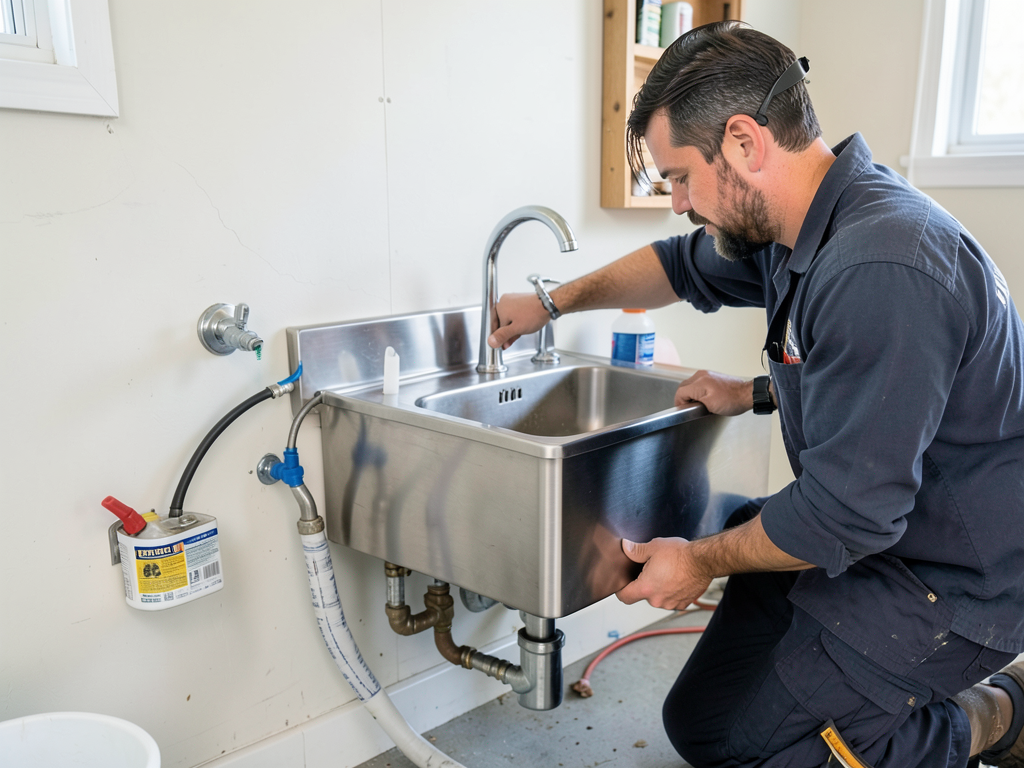
The Best Way to Add a Utility Sink to Your West San Jose Garage
Adding a utility sink to your West San Jose garage gives you a dedicated space for messy projects like gardening, car detailing, and workshop cleanup without tracking dirt through your home. The process involves running new water supply lines, connecting to your home’s drainage system, and ensuring proper venting to meet San Jose building codes. Whether you’re a DIY enthusiast or hiring a professional, understanding the local requirements and technical steps helps you plan a successful installation that adds convenience and value to your property. San Jose Building Division.
Why Install a Utility Sink in Your San Jose Garage
A garage utility sink serves as a practical workstation for West San Jose homeowners who tackle outdoor projects, automotive maintenance, or home improvement tasks. The sink provides a dedicated spot for cleaning paintbrushes, washing muddy boots, or rinsing off garden tools without contaminating your kitchen or bathroom fixtures. Many San Jose properties feature detached or attached garages where a utility sink becomes an essential addition for hobbyists, mechanics, and gardeners who need a utility space separate from living areas.. Read more about Adding a Utility Sink to Your Garage or Workshop in Washington-Guadalupe.
Beyond convenience, installing a utility sink can increase your property value by adding functional square footage to your garage workspace. San Jose’s mild climate means garage temperatures rarely drop below freezing, making year-round installation feasible without extensive winterization measures. The addition also helps protect your indoor plumbing fixtures from grease, chemicals, and debris that could cause costly damage to kitchen and bathroom drains. Plumbing Palo Alto.
Our Installation Process: From Rough-in to Finish
The installation process begins with planning the water supply and drainage routes through your garage walls and floor. Most West San Jose garages sit on concrete slabs, requiring careful routing of supply lines through walls or along baseboards to reach the desired sink location. Professional plumbers typically use PEX piping for water supply lines due to its flexibility and resistance to freezing, though copper remains an option for exposed runs where aesthetics matter. Getting help from a 24 hour plumber in South San Jose right now.
Drainage presents the biggest challenge when installing a utility sink in a garage slab. The sink must connect to your home’s Drain-Waste-Vent (DWV) system, typically through a 2-inch PVC pipe that ties into an existing branch drain. If your garage sits below the main sewer line elevation, you’ll need a sewage ejector pump or macerating system to lift wastewater to the proper drainage height. The California Plumbing Code requires all fixtures to have proper venting, either through a roof vent or an Air Admittance Valve (AAV) installed within 6 feet of the trap weir. California Plumbing Code.
Professional installation includes securing the sink to wall studs or a dedicated stand, connecting hot and cold water supplies with shut-off valves, and installing a P-trap to prevent sewer gases from entering your garage. The final step involves pressure testing all connections and ensuring proper drainage flow before the system becomes operational.. Read more about Everything You Need to Know Before Adding a Wet Bar to Your Rinconada Basement.
San Jose Plumbing Codes & Permitting
The City of San Jose requires permits for any new plumbing fixture installation, including utility sinks in garages. The San Jose Building Division enforces the California Plumbing Code, which mandates specific requirements for fixture placement, pipe sizing, and venting configurations. For a typical garage utility sink installation, you’ll need a plumbing permit that costs between $75 and $150, depending on the project scope and your property’s location within the city. Plumbing Los Altos Hills.
San Jose’s building codes specify that all new fixtures must connect to the municipal sewer system and cannot discharge greywater onto your property. The code requires a minimum 1.5-inch trap for kitchen and utility sinks, with 2-inch drain pipes for proper flow capacity. Vent pipes must extend through the roof or terminate with an approved AAV, and all connections must be accessible for future inspection and maintenance.
West San Jose’s soil conditions, characterized by clay-rich earth that expands and contracts with moisture changes, can affect underground pipe stability. Professional plumbers account for these soil movements by using flexible couplings and proper pipe supports to prevent future leaks or disconnections. The installation must also comply with San Jose’s seismic requirements, which mandate flexible water supply connections to prevent pipe breaks during earthquakes.
Average Cost of Garage Sink Installation in the Bay Area
Garage utility sink installation costs in San Jose typically range from $800 to $2,500, depending on the complexity of the project and existing plumbing infrastructure. The most significant cost factors include the distance from existing water supply lines, the need for new drainage connections, and whether your garage requires a sewage ejector pump for below-grade drainage.. Read more about Solving Common Plumbing Headaches in San Jose Guest Houses and In-Law Suites.
Basic installations where water lines and drains are nearby might cost as little as $600 for materials and labor. However, projects requiring extensive trenching through concrete slabs, new vent pipe runs through walls or roofs, or macerating pump systems can exceed $3,000. Premium fixtures like stainless steel slop sinks with built-in cabinets add $200 to $500 to the base cost.
San Jose’s high labor rates, currently averaging $120 to $180 per hour for licensed plumbers, significantly impact total installation costs. The permitting process adds $75 to $150 in city fees, while materials for a complete installation typically cost $300 to $600 for standard PVC piping, PEX supply lines, and basic fixtures. Emergency installations or weekend work may incur additional premium charges.
Frequently Asked Questions
Can I install a utility sink if my garage doesn’t have a floor drain?
Yes, you can install a utility sink without a floor drain. The sink connects directly to your home’s DWV system through wall-mounted drain pipes. Floor drains are only necessary for specific applications like car wash bays or areas where water might accumulate on the floor surface.
Do I need a hot water line for my garage utility sink?
While not mandatory, a hot water line adds significant functionality for cleaning grease, oil, and stubborn grime. Most homeowners opt for both hot and cold supplies, though cold-only installations work for basic cleanup tasks and cost less to install. Getting rid of stubborn drain clogs in Berryessa for good.
How long does garage utility sink installation take?
Professional installation typically requires 4 to 8 hours for straightforward projects where plumbing connections are nearby. Complex installations involving concrete cutting, new vent runs, or pump systems may take 1 to 2 days to complete properly.
Will adding a utility sink increase my property taxes?
Adding a utility sink may trigger a reassessment of your property value, potentially increasing your property taxes slightly. However, the added functionality and convenience often outweigh the minimal tax impact for most homeowners.
Can I install the sink myself to save money?
While DIY installation is possible for experienced homeowners, San Jose requires permits and inspections for all new plumbing fixtures. Improper installation can lead to leaks, code violations, and expensive repairs. Professional installation ensures compliance with local codes and provides warranty protection.
What type of utility sink works best for garage use?
Heavy-duty slop sinks made from stainless steel or high-impact plastic resist chemicals and withstand heavy use. Look for deep basins (12-15 inches) with sturdy legs or wall mounts that can support the weight of tools and equipment during cleaning.
Do I need to worry about freezing pipes in my garage?
San Jose’s mild climate rarely experiences freezing temperatures that would threaten garage plumbing. However, insulating exposed pipes near exterior walls provides extra protection and improves energy efficiency for hot water lines.
What about drainage if my garage is below the main sewer line?
Garages below the main sewer elevation require a sewage ejector pump or macerating system to lift wastewater to the proper drainage height. These systems automatically activate when water enters the basin and pump it up to the home’s main drain line.
Can I tie the utility sink drain into my washing machine drain?
While possible in some configurations, tying multiple fixtures into a single drain requires careful sizing and venting to meet code requirements. Professional assessment ensures proper drainage capacity and prevents backups when both fixtures operate simultaneously.
What permits do I need for a garage utility sink in San Jose?
You need a plumbing permit from the City of San Jose Building Division for any new fixture installation. The permit ensures your installation meets California Plumbing Code requirements and will pass inspection. Your plumber typically handles permit acquisition as part of the installation process.
How do I maintain my new utility sink?
Regular maintenance includes cleaning the sink basin, checking supply line connections for leaks, and ensuring the P-trap remains filled with water to block sewer gases. Periodically inspect the drain for debris buildup and address slow drainage before it becomes a major clog.
Can I add a utility sink to a detached garage?
Yes, but detached garage installations require running new water supply and drain lines from your main house, which increases complexity and cost. You’ll also need to consider freeze protection for supply lines that run through unconditioned spaces.
What’s the difference between a utility sink and a slop sink?
The terms are often used interchangeably, though slop sinks typically feature deeper basins (12-15 inches) designed for heavy-duty cleaning tasks. Utility sinks may have shallower bowls and are sometimes marketed for laundry room use rather than garage applications.
Will my homeowner’s insurance cover damage from a DIY plumbing installation?
Most homeowner’s insurance policies exclude coverage for damage resulting from unpermitted or DIY plumbing work. Professional installation with proper permits ensures your coverage remains valid and provides documentation for insurance claims if needed.
How do I choose between wall-mounted and floor-standing utility sinks?
Wall-mounted sinks save floor space and make cleaning underneath easier, while floor-standing models offer more stability for heavy items. Your choice depends on available space, intended use, and whether you need storage cabinets beneath the sink.
What about venting requirements for garage utility sinks?
All plumbing fixtures require proper venting to prevent trap siphonage and allow proper drainage. Your garage utility sink must connect to the home’s vent system or use an approved AAV installed within 6 feet of the trap weir, as required by the California Plumbing Code.
Can I install a utility sink near my water heater?
Installing a utility sink near your water heater can be convenient for draining and maintenance tasks. However, ensure proper clearance around the water heater for safety and service access, and verify that local codes allow this configuration.
What should I do if my garage has asbestos-containing materials?
If your older garage contains asbestos in floor tiles, insulation, or other materials, professional abatement may be required before plumbing modifications. Never disturb suspected asbestos materials yourself, as they pose serious health risks when airborne.
How do I winterize my garage utility sink if I go on vacation?
Even though San Jose rarely experiences freezing temperatures, you can winterize by shutting off the water supply, opening the faucet to drain remaining water, and insulating exposed pipes near exterior walls for added protection during extended absences.
What are the best materials for garage utility sinks in San Jose?
Stainless steel offers excellent durability and chemical resistance for garage use, while high-density polyethylene plastic provides good impact resistance at a lower cost. Both materials withstand San Jose’s temperature fluctuations and resist the chemicals commonly used in garage workshops.
Ready to Add Convenience to Your Garage?
Installing a utility sink in your West San Jose garage transforms your workspace into a more functional area for all your projects. Professional installation ensures your new sink meets all local codes, drains properly, and provides years of reliable service. Whether you need a simple cold-water setup or a complete hot-and-cold system with proper venting, our experienced plumbers can handle every aspect of your garage utility sink installation.
Don’t let another muddy gardening project or greasy car repair job dirty up your kitchen sink. Call (408) 381-5355 today to schedule your garage utility sink installation and take the first step toward a more organized, efficient workspace. Our team serves West San Jose and surrounding areas with prompt, professional service that gets the job done right the first time. Finding the right water heater replacement for your Almaden Valley home.
You may also find this helpful. Finding the Perfect Pet Wash Station Setup for Your New San Jose Laundry Room Remodel.
You may also find this helpful. Comparing Cast Iron vs PVC for Soundproofing Your Tamien Home Waste Lines.
{
“@context”: “https://schema.org”,
“@type”: “BlogPosting”,
“headline”: “The Best Way to Add a Utility Sink to Your West San Jose Garage”,
“description”: “Learn the best way to add a utility sink to your West San Jose garage with professional installation tips, San Jose plumbing codes, and cost factors.”,
“wordCount”: 2041,
“datePublished”: “2026-06-08T09:51:00.000Z”,
“dateModified”: “2026-06-08T09:51:00.000Z”,
“inLanguage”: “en-US”,
“mainEntityOfPage”: {
“@type”: “WebPage”,
“@id”: “https://heritageplumbingsanjose.com”
},
“publisher”: {
“@type”: “LocalBusiness”,
“name”: “Heritage Plumbing San Jose”,
“url”: “https://heritageplumbingsanjose.com”
},
“author”: {
“@type”: “Organization”,
“name”: “Heritage Plumbing San Jose”,
“url”: “https://heritageplumbingsanjose.com”
},
“image”: {
“@type”: “ImageObject”,
“url”: “https://heritageplumbingsanjose.com/wp-content/uploads/2026/03/the-best-way-to-add-a-utility-sink-to-your-west-sa-1.png”
}
}
{
“@context”: “https://schema.org”,
“@type”: “Plumber”,
“name”: “Heritage Plumbing San Jose”,
“url”: “https://heritageplumbingsanjose.com”,
“address”: {
“@type”: “PostalAddress”,
“addressLocality”: “San Jose”
},
“areaServed”: {
“@type”: “City”,
“name”: “San Jose”
}
}
{
“@context”: “https://schema.org”,
“@type”: “FAQPage”,
“mainEntity”: [
{
“@type”: “Question”,
“name”: “Can I install a utility sink if my garage doesn’t have a floor drain?”,
“acceptedAnswer”: {
“@type”: “Answer”,
“text”: “Yes, you can install a utility sink without a floor drain. The sink connects directly to your home’s DWV system through wall-mounted drain pipes. Floor drains are only necessary for specific applications like car wash bays or areas where water might accumulate on the floor surface.”
}
},
{
“@type”: “Question”,
“name”: “Do I need a hot water line for my garage utility sink?”,
“acceptedAnswer”: {
“@type”: “Answer”,
“text”: “While not mandatory, a hot water line adds significant functionality for cleaning grease, oil, and stubborn grime. Most homeowners opt for both hot and cold supplies, though cold-only installations work for basic cleanup tasks and cost less to install. Getting rid of stubborn drain clogs in Berryessa for good.”
}
},
{
“@type”: “Question”,
“name”: “How long does garage utility sink installation take?”,
“acceptedAnswer”: {
“@type”: “Answer”,
“text”: “Professional installation typically requires 4 to 8 hours for straightforward projects where plumbing connections are nearby. Complex installations involving concrete cutting, new vent runs, or pump systems may take 1 to 2 days to complete properly.”
}
},
{
“@type”: “Question”,
“name”: “Will adding a utility sink increase my property taxes?”,
“acceptedAnswer”: {
“@type”: “Answer”,
“text”: “Adding a utility sink may trigger a reassessment of your property value, potentially increasing your property taxes slightly. However, the added functionality and convenience often outweigh the minimal tax impact for most homeowners.”
}
},
{
“@type”: “Question”,
“name”: “Can I install the sink myself to save money?”,
“acceptedAnswer”: {
“@type”: “Answer”,
“text”: “While DIY installation is possible for experienced homeowners, San Jose requires permits and inspections for all new plumbing fixtures. Improper installation can lead to leaks, code violations, and expensive repairs. Professional installation ensures compliance with local codes and provides warranty protection.”
}
},
{
“@type”: “Question”,
“name”: “What type of utility sink works best for garage use?”,
“acceptedAnswer”: {
“@type”: “Answer”,
“text”: “Heavy-duty slop sinks made from stainless steel or high-impact plastic resist chemicals and withstand heavy use. Look for deep basins (12-15 inches) with sturdy legs or wall mounts that can support the weight of tools and equipment during cleaning.”
}
},
{
“@type”: “Question”,
“name”: “Do I need to worry about freezing pipes in my garage?”,
“acceptedAnswer”: {
“@type”: “Answer”,
“text”: “San Jose’s mild climate rarely experiences freezing temperatures that would threaten garage plumbing. However, insulating exposed pipes near exterior walls provides extra protection and improves energy efficiency for hot water lines.”
}
},
{
“@type”: “Question”,
“name”: “What about drainage if my garage is below the main sewer line?”,
“acceptedAnswer”: {
“@type”: “Answer”,
“text”: “Garages below the main sewer elevation require a sewage ejector pump or macerating system to lift wastewater to the proper drainage height. These systems automatically activate when water enters the basin and pump it up to the home’s main drain line.”
}
},
{
“@type”: “Question”,
“name”: “Can I tie the utility sink drain into my washing machine drain?”,
“acceptedAnswer”: {
“@type”: “Answer”,
“text”: “While possible in some configurations, tying multiple fixtures into a single drain requires careful sizing and venting to meet code requirements. Professional assessment ensures proper drainage capacity and prevents backups when both fixtures operate simultaneously.”
}
},
{
“@type”: “Question”,
“name”: “What permits do I need for a garage utility sink in San Jose?”,
“acceptedAnswer”: {
“@type”: “Answer”,
“text”: “You need a plumbing permit from the City of San Jose Building Division for any new fixture installation. The permit ensures your installation meets California Plumbing Code requirements and will pass inspection. Your plumber typically handles permit acquisition as part of the installation process.”
}
},
{
“@type”: “Question”,
“name”: “How do I maintain my new utility sink?”,
“acceptedAnswer”: {
“@type”: “Answer”,
“text”: “Regular maintenance includes cleaning the sink basin, checking supply line connections for leaks, and ensuring the P-trap remains filled with water to block sewer gases. Periodically inspect the drain for debris buildup and address slow drainage before it becomes a major clog.”
}
},
{
“@type”: “Question”,
“name”: “Can I add a utility sink to a detached garage?”,
“acceptedAnswer”: {
“@type”: “Answer”,
“text”: “Yes, but detached garage installations require running new water supply and drain lines from your main house, which increases complexity and cost. You’ll also need to consider freeze protection for supply lines that run through unconditioned spaces.”
}
},
{
“@type”: “Question”,
“name”: “What’s the difference between a utility sink and a slop sink?”,
“acceptedAnswer”: {
“@type”: “Answer”,
“text”: “The terms are often used interchangeably, though slop sinks typically feature deeper basins (12-15 inches) designed for heavy-duty cleaning tasks. Utility sinks may have shallower bowls and are sometimes marketed for laundry room use rather than garage applications.”
}
},
{
“@type”: “Question”,
“name”: “Will my homeowner’s insurance cover damage from a DIY plumbing installation?”,
“acceptedAnswer”: {
“@type”: “Answer”,
“text”: “Most homeowner’s insurance policies exclude coverage for damage resulting from unpermitted or DIY plumbing work. Professional installation with proper permits ensures your coverage remains valid and provides documentation for insurance claims if needed.”
}
},
{
“@type”: “Question”,
“name”: “How do I choose between wall-mounted and floor-standing utility sinks?”,
“acceptedAnswer”: {
“@type”: “Answer”,
“text”: “Wall-mounted sinks save floor space and make cleaning underneath easier, while floor-standing models offer more stability for heavy items. Your choice depends on available space, intended use, and whether you need storage cabinets beneath the sink.”
}
},
{
“@type”: “Question”,
“name”: “What about venting requirements for garage utility sinks?”,
“acceptedAnswer”: {
“@type”: “Answer”,
“text”: “All plumbing fixtures require proper venting to prevent trap siphonage and allow proper drainage. Your garage utility sink must connect to the home’s vent system or use an approved AAV installed within 6 feet of the trap weir, as required by the California Plumbing Code.”
}
},
{
“@type”: “Question”,
“name”: “Can I install a utility sink near my water heater?”,
“acceptedAnswer”: {
“@type”: “Answer”,
“text”: “Installing a utility sink near your water heater can be convenient for draining and maintenance tasks. However, ensure proper clearance around the water heater for safety and service access, and verify that local codes allow this configuration.”
}
},
{
“@type”: “Question”,
“name”: “What should I do if my garage has asbestos-containing materials?”,
“acceptedAnswer”: {
“@type”: “Answer”,
“text”: “If your older garage contains asbestos in floor tiles, insulation, or other materials, professional abatement may be required before plumbing modifications. Never disturb suspected asbestos materials yourself, as they pose serious health risks when airborne.”
}
},
{
“@type”: “Question”,
“name”: “How do I winterize my garage utility sink if I go on vacation?”,
“acceptedAnswer”: {
“@type”: “Answer”,
“text”: “Even though San Jose rarely experiences freezing temperatures, you can winterize by shutting off the water supply, opening the faucet to drain remaining water, and insulating exposed pipes near exterior walls for added protection during extended absences.”
}
},
{
“@type”: “Question”,
“name”: “What are the best materials for garage utility sinks in San Jose?”,
“acceptedAnswer”: {
“@type”: “Answer”,
“text”: “Stainless steel offers excellent durability and chemical resistance for garage use, while high-density polyethylene plastic provides good impact resistance at a lower cost. Both materials withstand San Jose’s temperature fluctuations and resist the chemicals commonly used in garage workshops.”
}
},
{
“@type”: “Question”,
“name”: “Ready to Add Convenience to Your Garage?”,
“acceptedAnswer”: {
“@type”: “Answer”,
“text”: “Installing a utility sink in your West San Jose garage transforms your workspace into a more functional area for all your projects. Professional installation ensures your new sink meets all local codes, drains properly, and provides years of reliable service. Whether you need a simple cold-water setup or a complete hot-and-cold system with proper venting, our experienced plumbers can handle every aspect of your garage utility sink installation.”
}
}
]
}
{
“@context”: “https://schema.org”,
“@type”: “BreadcrumbList”,
“itemListElement”: [
{
“@type”: “ListItem”,
“position”: 1,
“name”: “Home”,
“item”: “https://heritageplumbingsanjose.com”
},
{
“@type”: “ListItem”,
“position”: 2,
“name”: “Blog”,
“item”: “https://heritageplumbingsanjose.com/blog”
},
{
“@type”: “ListItem”,
“position”: 3,
“name”: “The Best Way to Add a Utility Sink to Your West San Jose Garage”
}
]
}
{
“@context”: “https://schema.org”,
“@type”: “Service”,
“serviceType”: “Plumbing”,
“provider”: {
“@type”: “LocalBusiness”,
“name”: “Heritage Plumbing San Jose”,
“url”: “https://heritageplumbingsanjose.com”
},
“areaServed”: {
“@type”: “City”,
“name”: “San Jose”
},
“description”: “Learn the best way to add a utility sink to your West San Jose garage with professional installation tips, San Jose plumbing codes, and cost factors.”
}