
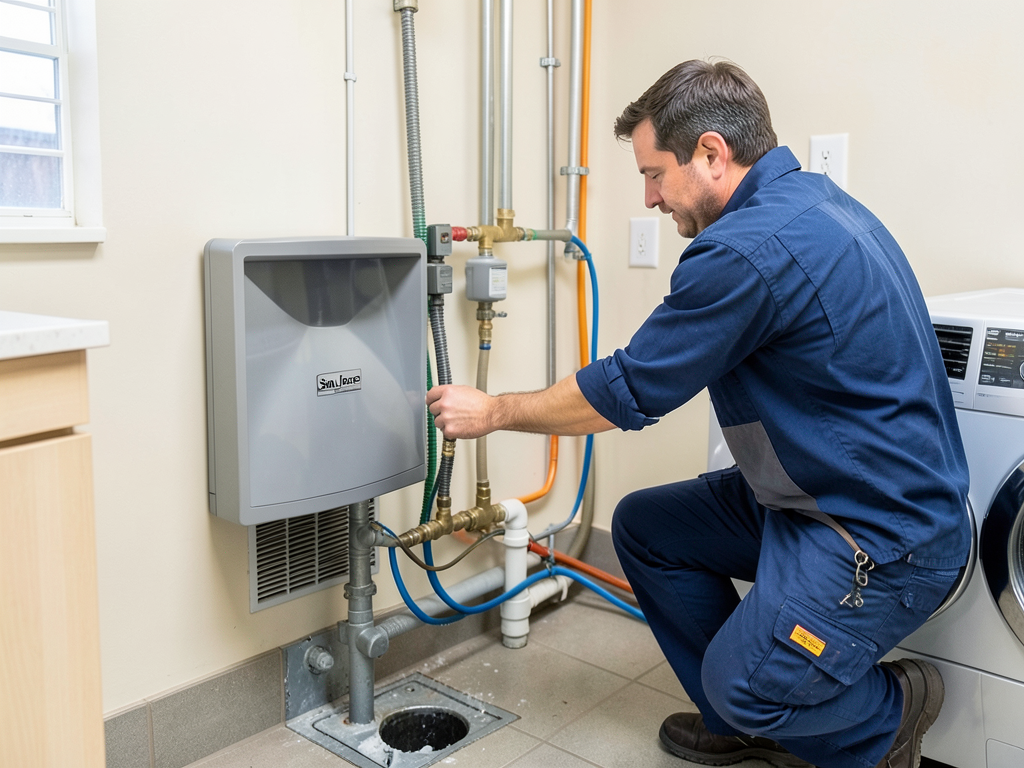
Finding the Perfect Pet Wash Station Setup for Your New San Jose Laundry Room Remodel
Adding a pet wash station to your San Jose laundry room remodel requires proper drainage water supply lines and code compliance. San Jose’s hard water building codes and local soil conditions affect how these systems perform long-term.
Most pet owners in the Bay Area install these stations after dealing with muddy paws from Alum Rock Park hikes or Silicon Valley dog park visits. The plumbing must handle pet hair prevent sewer backups and maintain safe water temperatures for your pet’s comfort and safety. Plumbing Palo Alto.
San Jose Water Quality and Plumbing Requirements
The Santa Clara Valley Water District reports that San Jose’s water hardness averages 15-25 grains per gallon. This mineral content builds up in sprayer nozzles and requires specific fixture materials that resist scale formation. Chrome-plated brass fixtures with rubber seals perform better than stainless steel in hard water conditions. Santa Clara Valley Water District.
San Jose’s municipal water system delivers water at 50-60 PSI to most residential areas. Pet wash sprayers require 30-40 PSI for effective cleaning but the water temperature must stay between 90-100°F to prevent scalding. This requires a thermostatic mixing valve that blends hot and cold water automatically.
Technical Plumbing Requirements for Pet Wash Stations
The plumbing manifold for a pet wash station needs three dedicated lines: hot water supply cold water supply and drain. Each line must be sized correctly to prevent pressure drops and ensure proper drainage. Plumbing Los Altos Hills.
Hot water lines should be 1/2-inch copper or PEX tubing. Cold water lines can be 1/2-inch PEX for flexibility. The drain line requires 2-inch PVC pipe with a minimum slope of 1/4 inch per foot toward the main sewer connection.
Backflow prevention is mandatory in San Jose per California Plumbing Code Section 608. Every pet wash station with a handheld sprayer needs a vacuum breaker installed at the hose bib connection. This prevents contaminated water from flowing back into your clean water supply. California Title 24 Energy Standards.
Water pressure regulators may be necessary if your home’s pressure exceeds 80 PSI. High pressure can damage sprayer components and cause leaks at connection points. A pressure-reducing valve set to 60-65 PSI protects your entire plumbing system. Plumbing Mountain View.
Drainage and Hair Interceptor Requirements
Pet hair is the primary cause of drain clogs in wash stations. A commercial-grade hair interceptor captures 95% of pet hair before it enters your main sewer line. These units have removable baskets that you clean monthly.
San Jose building codes require a minimum 2-inch diameter drain line for pet wash stations. This prevents clogs from pet hair and sediment. The drain must have a P-trap and connect to the main sewer line with proper venting to prevent sewer gases from entering your home.
Older San Jose neighborhoods like Willow Glen and Rose Garden often have clay sewer pipes that are more prone to root intrusion and sediment buildup. A hair interceptor is especially important in these areas to prevent mainline backups.
The interceptor should be installed in an accessible location below the drain outlet. Most units are 4-6 inches in diameter and 12-18 inches long. They connect directly to the 2-inch drain line with slip-joint fittings for easy maintenance.
San Jose Building Codes and Permit Requirements
Adding new plumbing fixtures in San Jose requires a building permit from the City of San Jose Building Division. The permit fee for a pet wash station installation typically ranges from $150-300 depending on the project scope. City of San Jose Building Division.
California Plumbing Code requires all new drain lines to have proper venting. For pet wash stations this usually means connecting to an existing vent stack or installing a new vent that extends through the roof. Without proper venting drains will gurgle and may allow sewer gases into your home.
San Jose enforces Title 24 energy efficiency standards that affect water heater sizing and insulation requirements. If your pet wash station requires a new dedicated water heater it must meet minimum efficiency ratings and include proper insulation on all hot water pipes.
Seismic requirements in Santa Clara County mandate flexible water connections for all fixtures. This prevents supply line breaks during earthquakes. Stainless steel braided hoses with built-in shut-off valves are the standard for pet wash sprayers.
Installation Options and Material Selection
Custom tiled pet showers offer the most flexibility for San Jose homes. You can match existing bathroom tile add storage niches and incorporate non-slip surfaces. However custom installations require more plumbing work and waterproofing expertise.
Prefabricated grooming tubs come in stainless steel or heavy-duty polyethylene. These units have built-in drains hose connections and sometimes even booster steps for larger dogs. Installation is faster but offers less design flexibility.
Plumbing a custom shower requires installing a shower pan with a pre-sloped surface toward the drain. The drain must be centered and connected to the 2-inch waste line. Waterproofing involves applying a liquid membrane or installing a sheet membrane over the entire shower area.
Prefabricated units often connect to existing laundry room plumbing. You may need to add a new hot water line if the laundry room only has cold water for the washing machine. The drain connection is simpler since these units come with pre-installed P-traps.
Waterproofing and Moisture Protection
Pet wash stations create constant moisture exposure that can damage walls and floors. Waterproofing starts with a cement backer board substrate that resists moisture absorption. This board should be installed with moisture-resistant screws and sealed at all joints.
Silicon Valley homes in areas like Los Gatos and Saratoga often have slab foundations. This makes floor-level pet wash stations easier to install since you don’t have to cut through wood subflooring. However you must still protect the slab from moisture with a waterproofing membrane.
Wall protection involves installing moisture-resistant drywall or cement board behind the station. The area should extend at least 3 feet above the highest water spray point. Seal all penetrations around plumbing lines with silicone caulk rated for wet areas.
Floor drains in laundry rooms need special attention. Install a drain with a removable strainer that catches debris. The drain should connect to a trap primer line that maintains water in the P-trap to prevent sewer gas entry when the station isn’t used regularly.
Installation Timeline and Process
Professional pet wash station installation in San Jose typically takes 2-3 days. The first day involves demolition of existing fixtures cutting into walls for new plumbing lines and installing the drain system. This includes running new supply lines and connecting to the main sewer.
Day two focuses on waterproofing and installing the station itself. For custom showers this means applying waterproofing membrane installing cement board and setting tile. For prefabricated units it involves mounting the tub and connecting all plumbing components.
Day three includes final connections testing for leaks and installing accessories like shelving or hooks. The plumber tests water pressure checks for proper drainage and ensures all backflow prevention devices function correctly. Getting help from a 24 hour plumber in South San Jose right now.
Permit inspections occur after rough plumbing installation and again after final completion. The city inspector checks that all work meets code requirements for venting drainage and water supply connections.
Maintenance Requirements
San Jose’s hard water requires monthly cleaning of sprayer nozzles to prevent mineral buildup. Remove the sprayer head and soak it in vinegar solution for 30 minutes. This dissolves calcium deposits that restrict water flow.
Hair interceptors need cleaning every 2-4 weeks depending on your pet’s shedding. Remove the basket clean it thoroughly and check for any damage to the screen. Replace damaged baskets immediately to prevent hair from entering your main sewer line.
Check supply line connections quarterly for signs of moisture or corrosion. The flexible hoses can develop small leaks over time especially at connection points. Replace any hoses showing signs of wear or cracking.
Annual professional inspection ensures all plumbing components function correctly. A plumber can check water pressure test backflow prevention devices and inspect drain lines for potential clogs before they cause problems.
Cost Factors and Budget Considerations
Professional pet wash station installation in San Jose ranges from $2500 to $6000 depending on complexity. Basic prefabricated units with existing plumbing connections cost less than custom tiled showers requiring new drain lines and waterproofing.
Permit fees add $150-300 to the total cost. Additional expenses may include upgrading your home’s water pressure regulator installing a new dedicated water heater or adding electrical outlets for grooming tools.
DIY kits start around $500 but often lack proper drainage systems and code-compliant plumbing connections. Professional installation ensures your station meets all local requirements and won’t cause water damage or sewer problems.
Consider the long-term value. A properly installed pet wash station can increase your home’s appeal to pet-owning buyers and prevent costly water damage from DIY plumbing mistakes.
Frequently Asked Questions
Can I use my existing laundry drain for a pet wash station?
Existing laundry drains are often 1.5 inches in diameter which is too small for pet wash stations. San Jose code requires 2-inch drains for these fixtures. You’ll need to upgrade the drain line or install a separate drain system.
How much does a pet wash station cost in the Bay Area?
Professional installation costs $2500-6000 in San Jose with most homeowners spending around $3500 for a quality setup. This includes permits proper drainage and code-compliant plumbing. DIY kits cost less but may not meet local requirements.
How long does installation take?
Professional installation takes 2-3 days total. This includes one day for plumbing rough-in one day for waterproofing and station installation and one day for final connections and testing. Permit inspections add time to the overall project.
Do I need a permit for a pet wash station?
Yes San Jose requires permits for new plumbing fixtures. The permit ensures your installation meets California Plumbing Code requirements for drainage venting and backflow prevention. Permit fees typically range from $150-300.
What’s the best material for pet wash fixtures in hard water areas?
Chrome-plated brass with rubber seals performs best in San Jose’s hard water. These materials resist mineral buildup better than stainless steel and are more durable than plastic components. Look for fixtures specifically rated for hard water use.
How do I prevent sewer backups from pet hair?
Install a commercial-grade hair interceptor below the drain. These units capture 95% of pet hair before it enters your main sewer line. Clean the interceptor basket every 2-4 weeks to maintain proper drainage and prevent clogs.
Can I install a pet wash station in a garage?
Yes garage installations are common in San Jose. However you’ll need to run new water supply lines and install proper drainage to the main sewer. The garage floor must be sloped toward a drain and you’ll need adequate waterproofing to protect the concrete slab.
What water temperature is safe for pet washing?
Keep water between 90-100°F for pet safety. This range is warm enough for comfort but not hot enough to cause burns. Install a thermostatic mixing valve to maintain consistent temperature and prevent accidental scalding.
How do I protect my walls from water damage?
Install moisture-resistant drywall or cement board behind the station extending at least 3 feet above the spray area. Apply waterproofing membrane to all walls within the splash zone. Seal all penetrations around plumbing lines with silicone caulk rated for wet areas.
Will a pet wash station increase my home’s value?
A properly installed pet wash station can increase appeal to pet-owning buyers especially in pet-friendly neighborhoods like Cambrian Park or Almaden Valley. However the return on investment is typically modest compared to kitchen or bathroom remodels.
Ready to Install Your Pet Wash Station?
Don’t risk water damage or code violations with DIY plumbing. Heritage Plumbing San Jose has installed dozens of pet wash stations throughout the Bay Area from Los Altos to Milpitas. We handle everything from permit acquisition to final inspection ensuring your new station works perfectly for years to come.
Call (408) 381-5355 today to schedule your consultation. Our experienced plumbers will assess your space explain your options and provide a detailed quote with no hidden fees. We serve all of San Jose and surrounding communities with fast professional service.
Don’t wait until your next muddy hike through Alum Rock Park or dog park visit to Silicon Valley. Get your pet wash station installed right the first time by calling (408) 381-5355 now. Finding the right water heater replacement for your Almaden Valley home.
{
“@context”: “https://schema.org”,
“@type”: “BlogPosting”,
“headline”: “Finding the Perfect Pet Wash Station Setup for Your New San Jose Laundry Room Remodel”,
“description”: “Learn San Jose-specific pet wash station plumbing requirements, building codes, and hard water solutions for your laundry room remodel.”,
“wordCount”: 2097,
“datePublished”: “2026-05-01T09:37:00.000Z”,
“dateModified”: “2026-05-01T09:37:00.000Z”,
“inLanguage”: “en-US”,
“mainEntityOfPage”: {
“@type”: “WebPage”,
“@id”: “https://heritageplumbingsanjose.com”
},
“publisher”: {
“@type”: “LocalBusiness”,
“name”: “Heritage Plumbing San Jose”,
“url”: “https://heritageplumbingsanjose.com”
},
“author”: {
“@type”: “Organization”,
“name”: “Heritage Plumbing San Jose”,
“url”: “https://heritageplumbingsanjose.com”
},
“image”: {
“@type”: “ImageObject”,
“url”: “https://heritageplumbingsanjose.com/wp-content/uploads/2026/03/finding-the-perfect-pet-wash-station-setup-for-you-1.png”
}
}
{
“@context”: “https://schema.org”,
“@type”: “Plumber”,
“name”: “Heritage Plumbing San Jose”,
“url”: “https://heritageplumbingsanjose.com”,
“address”: {
“@type”: “PostalAddress”,
“addressLocality”: “San Jose”
},
“areaServed”: {
“@type”: “City”,
“name”: “San Jose”
}
}
{
“@context”: “https://schema.org”,
“@type”: “FAQPage”,
“mainEntity”: [
{
“@type”: “Question”,
“name”: “Can I use my existing laundry drain for a pet wash station?”,
“acceptedAnswer”: {
“@type”: “Answer”,
“text”: “Existing laundry drains are often 1.5 inches in diameter which is too small for pet wash stations. San Jose code requires 2-inch drains for these fixtures. You’ll need to upgrade the drain line or install a separate drain system.”
}
},
{
“@type”: “Question”,
“name”: “How much does a pet wash station cost in the Bay Area?”,
“acceptedAnswer”: {
“@type”: “Answer”,
“text”: “Professional installation costs $2500-6000 in San Jose with most homeowners spending around $3500 for a quality setup. This includes permits proper drainage and code-compliant plumbing. DIY kits cost less but may not meet local requirements.”
}
},
{
“@type”: “Question”,
“name”: “How long does installation take?”,
“acceptedAnswer”: {
“@type”: “Answer”,
“text”: “Professional installation takes 2-3 days total. This includes one day for plumbing rough-in one day for waterproofing and station installation and one day for final connections and testing. Permit inspections add time to the overall project.”
}
},
{
“@type”: “Question”,
“name”: “Do I need a permit for a pet wash station?”,
“acceptedAnswer”: {
“@type”: “Answer”,
“text”: “Yes San Jose requires permits for new plumbing fixtures. The permit ensures your installation meets California Plumbing Code requirements for drainage venting and backflow prevention. Permit fees typically range from $150-300.”
}
},
{
“@type”: “Question”,
“name”: “What’s the best material for pet wash fixtures in hard water areas?”,
“acceptedAnswer”: {
“@type”: “Answer”,
“text”: “Chrome-plated brass with rubber seals performs best in San Jose’s hard water. These materials resist mineral buildup better than stainless steel and are more durable than plastic components. Look for fixtures specifically rated for hard water use.”
}
},
{
“@type”: “Question”,
“name”: “How do I prevent sewer backups from pet hair?”,
“acceptedAnswer”: {
“@type”: “Answer”,
“text”: “Install a commercial-grade hair interceptor below the drain. These units capture 95% of pet hair before it enters your main sewer line. Clean the interceptor basket every 2-4 weeks to maintain proper drainage and prevent clogs.”
}
},
{
“@type”: “Question”,
“name”: “Can I install a pet wash station in a garage?”,
“acceptedAnswer”: {
“@type”: “Answer”,
“text”: “Yes garage installations are common in San Jose. However you’ll need to run new water supply lines and install proper drainage to the main sewer. The garage floor must be sloped toward a drain and you’ll need adequate waterproofing to protect the concrete slab.”
}
},
{
“@type”: “Question”,
“name”: “What water temperature is safe for pet washing?”,
“acceptedAnswer”: {
“@type”: “Answer”,
“text”: “Keep water between 90-100°F for pet safety. This range is warm enough for comfort but not hot enough to cause burns. Install a thermostatic mixing valve to maintain consistent temperature and prevent accidental scalding.”
}
},
{
“@type”: “Question”,
“name”: “How do I protect my walls from water damage?”,
“acceptedAnswer”: {
“@type”: “Answer”,
“text”: “Install moisture-resistant drywall or cement board behind the station extending at least 3 feet above the spray area. Apply waterproofing membrane to all walls within the splash zone. Seal all penetrations around plumbing lines with silicone caulk rated for wet areas.”
}
},
{
“@type”: “Question”,
“name”: “Will a pet wash station increase my home’s value?”,
“acceptedAnswer”: {
“@type”: “Answer”,
“text”: “A properly installed pet wash station can increase appeal to pet-owning buyers especially in pet-friendly neighborhoods like Cambrian Park or Almaden Valley. However the return on investment is typically modest compared to kitchen or bathroom remodels.”
}
},
{
“@type”: “Question”,
“name”: “Ready to Install Your Pet Wash Station?”,
“acceptedAnswer”: {
“@type”: “Answer”,
“text”: “Don’t risk water damage or code violations with DIY plumbing. Heritage Plumbing San Jose has installed dozens of pet wash stations throughout the Bay Area from Los Altos to Milpitas. We handle everything from permit acquisition to final inspection ensuring your new station works perfectly for years to come.”
}
}
]
}
{
“@context”: “https://schema.org”,
“@type”: “BreadcrumbList”,
“itemListElement”: [
{
“@type”: “ListItem”,
“position”: 1,
“name”: “Home”,
“item”: “https://heritageplumbingsanjose.com”
},
{
“@type”: “ListItem”,
“position”: 2,
“name”: “Blog”,
“item”: “https://heritageplumbingsanjose.com/blog”
},
{
“@type”: “ListItem”,
“position”: 3,
“name”: “Finding the Perfect Pet Wash Station Setup for Your New San Jose Laundry Room Remodel”
}
]
}
{
“@context”: “https://schema.org”,
“@type”: “Service”,
“serviceType”: “Plumbing”,
“provider”: {
“@type”: “LocalBusiness”,
“name”: “Heritage Plumbing San Jose”,
“url”: “https://heritageplumbingsanjose.com”
},
“areaServed”: {
“@type”: “City”,
“name”: “San Jose”
},
“description”: “Learn San Jose-specific pet wash station plumbing requirements, building codes, and hard water solutions for your laundry room remodel.”
}