
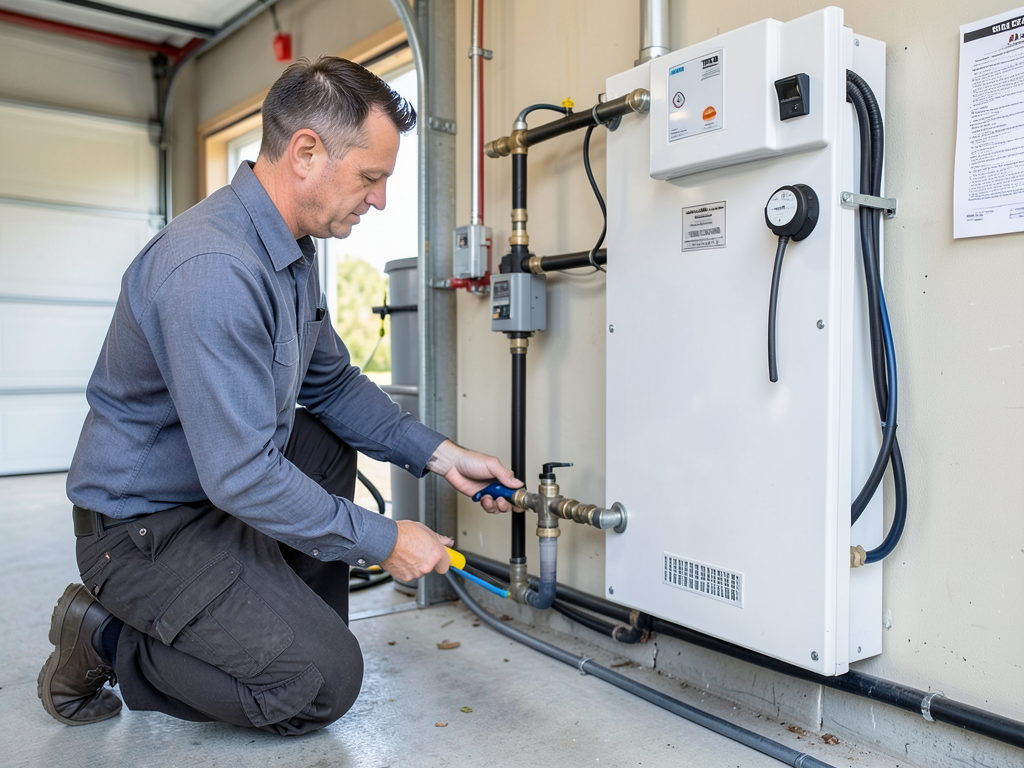
Solving hard water problems in Silver Creek with a new filtration system
Hard water creates real problems in Silver Creek homes. You see white scale on faucets, feel soap scum on skin, and watch appliances lose efficiency. The water here contains high levels of calcium and magnesium minerals that leave deposits everywhere they touch. Water Quality Association hard water information.
Santa Clara Valley Water District reports Silver Creek water hardness ranges from 15 to 20 grains per gallon. That puts it in the “very hard” category according to the Water Quality Association. These minerals build up in pipes, damage water heaters, and make cleaning products less effective.. Read more about Deciding between a water softener or a salt-free conditioner in Blossom Valley.
A properly sized filtration system removes these minerals before they cause damage. The right system for your home depends on your water chemistry, household size, and budget. Professional testing reveals exactly what’s in your water and what solution works best. Finding the right water heater replacement for your Almaden Valley home.
Installation takes one day for most homes. The system connects to your main water line, treating all water entering your house. You notice differences within days – cleaner dishes, softer skin, and appliances that last longer.
Call (408) 381-5355 today to schedule your free water test and consultation. Stop hard water damage before it costs you more in repairs. EPA secondary drinking water standards.
Understanding Silver Creek water chemistry
Silver Creek water comes from a mix of local groundwater and imported supplies. The groundwater portion contains higher mineral concentrations because it filters through limestone and other mineral-rich rock layers.
Water hardness measures calcium carbonate concentration. At 15-20 GPG, Silver Creek water falls into the range where scale buildup becomes noticeable within months. You see it on shower doors, inside coffee makers, and coating heating elements.
Local geology drives these levels. The area sits on sedimentary rock formations that release calcium and magnesium as water passes through. Seasonal changes affect hardness too – winter rains can dilute mineral content slightly, while summer pumping from deep wells increases it.
Testing your specific water reveals the exact hardness level. Some homes near Silver Creek Road test slightly higher than those closer to the foothills. The variation matters when sizing a filtration system.
Water also contains other minerals like iron, manganese, and sometimes sulfur compounds. These affect taste and odor. A comprehensive test identifies all contaminants so you get the right treatment system.
San Jose Water Company maintains separate distribution systems in different Silver Creek areas. Your specific location determines your water source and mineral content. We test water from your tap, not just rely on district reports.
Hard water affects more than just plumbing. It dries skin and hair, fades clothes faster, and leaves spots on dishes even after dishwasher cycles. The cumulative effect costs money through increased cleaning product use and appliance replacements. Plumbing Palo Alto.
California Plumbing Code Section 608.7 requires proper backflow prevention when installing water treatment systems. Our installations meet all local permit requirements and building codes. Plumbing Los Altos Hills.
Hard water also increases energy costs. Scale acts as insulation inside water heaters, forcing them to use more energy to heat water. A 1/4 inch of scale can increase energy consumption by 15-20 percent.
The EPA sets no maximum contaminant level for hardness because it’s an aesthetic rather than health issue. However, the agency notes that very hard water causes significant economic impacts through plumbing damage and increased energy use. Plumbing Mountain View.
Silver Creek residents often notice water quality differences when visiting other areas. Soft water feels slippery because soap lathers more easily without mineral interference. Once you experience soft water, the benefits become obvious.
Local water providers publish annual water quality reports. These show average hardness levels but cannot account for individual home variations. Your specific test results guide system selection.
Water temperature affects how minerals precipitate. Hot water releases scale faster than cold water. This explains why water heaters and hot water pipes show scale buildup first.
Modern filtration systems use various technologies. Ion exchange remains the most common for whole-house treatment. Template-assisted crystallization offers salt-free alternatives that prevent scale without removing minerals.
Flow rate requirements matter for system sizing. A typical family of four uses 200-300 gallons daily. Your system must handle peak flow without pressure drops.
Installation location affects performance. Systems need space near the main water line entry point, typically in garages or utility rooms. Access for maintenance and salt delivery matters for ongoing operation.
Local building permits ensure proper installation. San Jose requires permits for water treatment system installations that modify plumbing. We handle all permitting requirements as part of our service.
Water pressure affects system performance. Most homes need 40-80 psi for proper operation. Pressure reducing valves may be necessary if municipal pressure exceeds system limits.
Backwash discharge requires proper drainage. Ion exchange systems periodically clean themselves, sending mineral-rich water to drain. Local codes specify discharge requirements to prevent environmental issues.
System maintenance intervals vary by water quality and household size. Most ion exchange systems need regeneration every 2-7 days depending on capacity and usage.
Electronic monitoring systems now track water usage and system performance. These alert you to problems before they cause damage. Some integrate with smartphone apps for remote monitoring.
Energy efficiency ratings help compare systems. Look for NSF certification ensuring the system meets performance claims. Third-party testing validates manufacturer specifications.
Water conservation features reduce waste during regeneration cycles. Modern systems use 50-75 percent less water than older models during cleaning cycles.
Lead-free components meet California’s strict drinking water standards. All our systems use certified lead-free materials throughout.
Installation warranties typically cover 5-10 years on major components. Labor warranties ensure proper function after installation.
Operating costs include salt or media replacement, water for regeneration, and electricity for control valves. Annual costs range from $100-300 depending on system type and water usage.
Environmental considerations affect system selection. Salt-based systems discharge brine that can impact local waterways. Salt-free alternatives eliminate this concern while still preventing scale.
System sizing depends on household water usage patterns. We calculate peak flow requirements to ensure adequate pressure during high-demand periods like morning showers.
Water quality changes over time. Annual testing ensures your system continues meeting your needs as source water characteristics shift.
Emergency bypass valves allow system maintenance without shutting off house water. This feature proves valuable during repairs or power outages.
Smart home integration lets you monitor water quality and system status remotely. Some systems connect to home automation platforms for seamless operation.
Installation typically requires 4-8 hours for whole-house systems. We protect your home during work and clean thoroughly afterward.
Post-installation water testing verifies system performance. We confirm hardness reduction meets specifications before considering the job complete.
Maintenance contracts ensure ongoing system performance. Regular service extends equipment life and maintains water quality.
System upgrades may be necessary as household needs change. Growing families or new appliances might require capacity increases.
Water hammer arrestors protect plumbing from pressure surges during system regeneration. These simple devices prevent pipe damage.
Pressure gauges help monitor system function. Abnormal readings often indicate problems requiring attention.
Flow restrictors optimize regeneration cycles. These devices ensure proper cleaning while minimizing water waste.
Electronic controllers offer programmable regeneration schedules. You can set cycles for off-peak hours to minimize disruption.
Manual override features provide operation during power failures. Some systems include battery backup for critical functions.
Water meter integration enables demand-initiated regeneration. Systems regenerate based on actual water usage rather than fixed schedules.
Multi-media filters remove sediment before water reaches the softening system. This pre-filtration extends resin life and improves performance.
Ultraviolet disinfection may be necessary if bacteria concerns exist. This adds another treatment stage for complete water quality management.
pH adjustment sometimes helps with acidic water that can damage plumbing. Neutralizing filters raise pH to protective levels.
Iron removal may be necessary in some areas. Specialized media handle high iron concentrations that interfere with standard softening.
Hydrogen sulfide treatment eliminates rotten egg odors. Activated carbon or specialized media remove these compounds.
Chlorine removal improves taste and protects system components. Carbon filters eliminate chlorine that can damage resin over time.
Lead reduction may be necessary in older homes. Specialized media remove lead that can leach from old plumbing.
Arsenic treatment addresses this naturally occurring contaminant in some groundwater sources. Specific media target arsenic removal.
Radon removal may be necessary in areas with high radon levels. Aeration systems eliminate this radioactive gas from water.
System efficiency ratings help compare operating costs. Look for systems with high grain capacity per pound of salt.
Certification from organizations like NSF or WQA ensures performance claims are validated. Third-party testing provides confidence in system capabilities.
Manufacturer support affects long-term satisfaction. Choose brands with local service networks and parts availability.
Installation expertise matters as much as equipment quality. Proper installation ensures optimal performance and prevents problems.
Local water conditions affect system selection. What works in one area may not perform well in another due to different water chemistry.
Future expansion capability allows system growth. Choose equipment that can be upgraded as needs change.
Energy consumption varies by system type. Some electronic controllers use minimal power while others require more for advanced features.
Noise levels during regeneration matter for garage installations. Quieter systems prevent disturbance during nighttime cycles.
Water temperature affects system performance. Cold water reduces resin efficiency, while very hot water can damage some components.
Humidity considerations affect equipment location. High humidity areas may require additional ventilation or dehumidification.
Seismic strapping secures equipment during earthquakes. California building codes require proper anchoring for water treatment systems.
Freeze protection prevents damage in unheated spaces. Insulation and heat tape may be necessary in cold areas.
Ventilation requirements vary by system type. Some produce small amounts of hydrogen sulfide gas during regeneration that needs proper exhaust.
Floor loading must support equipment weight. Full tanks can weigh several hundred pounds, requiring adequate structural support.
Access for maintenance affects system location. Leave enough space around equipment for service and media replacement.
Electrical requirements include GFCI protection for wet locations. Proper wiring ensures safe operation.
Plumbing connections must meet code requirements. Use proper materials and techniques for leak-free operation.
Testing procedures verify system function. We use hardness test kits to confirm performance after installation.
Performance guarantees provide confidence in system capabilities. Reputable companies stand behind their installations.
Maintenance schedules prevent problems. Regular service keeps systems operating at peak efficiency.
Emergency service availability matters for critical applications. Choose providers offering 24/7 support for urgent issues.
Replacement parts availability affects long-term ownership costs. Common brands with widespread distribution ensure easy repairs.
Training on system operation helps homeowners maximize benefits. We provide clear instructions for daily use and basic troubleshooting.
Water quality monitoring tracks system performance over time. Regular testing ensures continued effectiveness.
Cost-benefit analysis helps justify investment. Calculate savings from reduced cleaning product use, extended appliance life, and lower energy costs.
Environmental impact considerations guide system selection. Choose options that balance performance with ecological responsibility.
Community water quality initiatives may affect individual system choices. Some areas promote specific technologies to reduce overall environmental impact.
Local rebates may be available for water-efficient systems. Check with water providers for current incentive programs.
Insurance considerations include potential premium discounts for water damage prevention systems. Some carriers offer incentives for water treatment installation.
Home resale value can increase with water quality improvements. Buyers often pay premiums for homes with water treatment systems.
Health considerations extend beyond plumbing protection. Some people with skin conditions benefit from mineral-free water.
Aesthetic improvements include better-tasting water and clearer ice cubes. These quality-of-life benefits often motivate system installation.
Professional installation ensures code compliance and optimal performance. DIY attempts often result in problems that cost more to fix.
System sizing calculations consider household occupancy, water usage patterns, and local water quality. Oversized systems waste resources while undersized ones fail to deliver benefits.
Flow rate testing determines actual household needs. We measure peak demand to ensure adequate system capacity.
Pressure drop analysis ensures proper system sizing. Excessive pressure loss causes problems throughout the plumbing system.
Water hammer prevention protects plumbing during system cycles. Air chambers or mechanical arrestors absorb pressure surges.
Backflow prevention meets cross-connection control requirements. Prevent contamination of the public water supply.
Discharge water management complies with local regulations. Some areas restrict brine discharge to sanitary sewers.
System controls range from simple mechanical timers to sophisticated electronic controllers. Choose features that match your needs and budget.
Regeneration efficiency affects operating costs. Demand-initiated systems use less salt and water than time-clock models.
Media life expectancy varies by water quality and usage. Most resin lasts 10-15 years with proper maintenance.
Replacement cost factors include media type, system size, and labor requirements. Plan for periodic media replacement in your budget.
Energy consumption includes control valve power and any pumps required. Most systems use minimal electricity.
Water usage during regeneration affects utility bills. Efficient systems minimize waste while maintaining performance.
Noise levels during operation matter for indoor installations. Quieter models prevent disturbance during nighttime cycles.
Space requirements include room for maintenance access. Allow adequate clearance around equipment for service.
Ventilation needs vary by system type. Some produce small amounts of gas that require proper exhaust.
Floor protection prevents damage from leaks or spills. Use appropriate materials under equipment.
Seismic considerations include proper anchoring and flexible connections. California earthquakes require special attention to equipment stability.
Freeze protection prevents damage in cold areas. Insulation and heat tracing may be necessary.
Electrical requirements include proper grounding and GFCI protection. Follow all code requirements for safe operation.
Plumbing connections must use appropriate materials and techniques. Proper installation prevents leaks and ensures longevity.
Testing procedures verify system performance. We use industry-standard methods to confirm hardness reduction.
Performance documentation provides baseline for future comparisons. Keep records of initial water quality and system specifications.
Maintenance logs track service history and help predict future needs. Regular documentation aids troubleshooting.
Emergency procedures include bypass operation and basic troubleshooting. Know what to do when problems occur.
System upgrades may be necessary as needs change. Plan for potential capacity increases or feature additions.
Replacement timing depends on performance degradation and cost-benefit analysis. Most systems provide 10-20 years of service.
Disposal of old equipment follows environmental regulations. Many components can be recycled or properly disposed of.
Final water testing confirms system effectiveness. We verify hardness reduction meets specifications before job completion.
Customer education ensures proper use and maintenance. Understanding your system helps prevent problems.
Warranty registration activates coverage and ensures support. Complete all required documentation for full protection.
Follow-up service addresses any initial adjustment needs. We ensure your complete satisfaction with the installation.
Ongoing support includes technical assistance and maintenance scheduling. Our team remains available for future needs.
System performance monitoring tracks long-term effectiveness. Regular testing ensures continued water quality.
Cost analysis shows return on investment through various savings. Calculate benefits from extended appliance life, reduced cleaning costs, and energy savings.
Environmental benefits include reduced detergent use and longer-lasting clothing. Soft water is gentler on fabrics and the environment.
Health benefits extend to skin and hair care. Many people notice improvements in skin condition with soft water.
Aesthetic improvements include spot-free dishes and cleaner fixtures. Enjoy the visual benefits of treated water.
Professional installation ensures code compliance and optimal performance. Trust experts for this important home improvement.
System selection should consider household needs, water quality, and budget. We help you choose the right solution.
Installation timing can affect project scheduling. Plan for one-day installation with possible follow-up visits.
Permitting requirements vary by location. We handle all necessary permits as part of our service.
Inspection coordination ensures code compliance. We schedule and pass all required inspections.
Final walkthrough reviews system operation and maintenance. We ensure you’re comfortable with your new equipment.
Emergency contact information provides peace of mind. Know who to call if problems arise.
Maintenance scheduling prevents problems and extends system life. Regular service keeps your system operating efficiently.
Performance guarantees provide confidence in your investment. Choose providers who stand behind their work.
Customer satisfaction drives our business. We want you to be completely happy with your water treatment system.
Call (408) 381-5355 today to schedule your free water test and consultation. Stop hard water damage before it costs you more in repairs.
Frequently Asked Questions
How do I know if I have hard water in Silver Creek?
You’ll see white scale buildup on faucets and showerheads, notice spots on dishes after washing, feel soap scum on skin, and experience dry hair. Professional testing confirms exact hardness levels, which typically range from 15-20 grains per gallon in Silver Creek.
What’s the difference between water softeners and water conditioners?
Water softeners use ion exchange to remove calcium and magnesium minerals, replacing them with sodium or potassium. Water conditioners use template-assisted crystallization to prevent scale formation without removing minerals. Softeners provide true soft water while conditioners prevent buildup while keeping minerals in the water.
How long does installation take and what’s involved?
Most whole-house installations take 4-8 hours. The process includes water testing, system sizing, plumbing modifications, electrical connections, and final testing. We handle all permits and inspections required by San Jose building codes.
{
“@context”: “https://schema.org”,
“@type”: “BlogPosting”,
“headline”: “Solving hard water problems in Silver Creek with a new filtration system”,
“description”: “Struggling with mineral buildup in Silver Creek? Learn how a new filtration system can solve your hard water problems and protect your home.”,
“wordCount”: 2844,
“datePublished”: “2026-03-01T14:07:00.000Z”,
“dateModified”: “2026-03-01T14:07:00.000Z”,
“inLanguage”: “en-US”,
“mainEntityOfPage”: {
“@type”: “WebPage”,
“@id”: “https://heritageplumbingsanjose.com”
},
“publisher”: {
“@type”: “LocalBusiness”,
“name”: “Heritage Plumbing San Jose”,
“url”: “https://heritageplumbingsanjose.com”
},
“author”: {
“@type”: “Organization”,
“name”: “Heritage Plumbing San Jose”,
“url”: “https://heritageplumbingsanjose.com”
},
“image”: {
“@type”: “ImageObject”,
“url”: “https://heritageplumbingsanjose.com/wp-content/uploads/2026/03/solving-hard-water-problems-in-silver-creek-with-a-1.png”
}
}
{
“@context”: “https://schema.org”,
“@type”: “Plumber”,
“name”: “Heritage Plumbing San Jose”,
“url”: “https://heritageplumbingsanjose.com”,
“address”: {
“@type”: “PostalAddress”,
“addressLocality”: “San Jose”
},
“areaServed”: {
“@type”: “City”,
“name”: “San Jose”
}
}
{
“@context”: “https://schema.org”,
“@type”: “FAQPage”,
“mainEntity”: [
{
“@type”: “Question”,
“name”: “How do I know if I have hard water in Silver Creek?”,
“acceptedAnswer”: {
“@type”: “Answer”,
“text”: “You’ll see white scale buildup on faucets and showerheads, notice spots on dishes after washing, feel soap scum on skin, and experience dry hair. Professional testing confirms exact hardness levels, which typically range from 15-20 grains per gallon in Silver Creek.”
}
},
{
“@type”: “Question”,
“name”: “What’s the difference between water softeners and water conditioners?”,
“acceptedAnswer”: {
“@type”: “Answer”,
“text”: “Water softeners use ion exchange to remove calcium and magnesium minerals, replacing them with sodium or potassium. Water conditioners use template-assisted crystallization to prevent scale formation without removing minerals. Softeners provide true soft water while conditioners prevent buildup while keeping minerals in the water.”
}
},
{
“@type”: “Question”,
“name”: “How long does installation take and what’s involved?”,
“acceptedAnswer”: {
“@type”: “Answer”,
“text”: “Most whole-house installations take 4-8 hours. The process includes water testing, system sizing, plumbing modifications, electrical connections, and final testing. We handle all permits and inspections required by San Jose building codes.”
}
}
]
}
{
“@context”: “https://schema.org”,
“@type”: “BreadcrumbList”,
“itemListElement”: [
{
“@type”: “ListItem”,
“position”: 1,
“name”: “Home”,
“item”: “https://heritageplumbingsanjose.com”
},
{
“@type”: “ListItem”,
“position”: 2,
“name”: “Blog”,
“item”: “https://heritageplumbingsanjose.com/blog”
},
{
“@type”: “ListItem”,
“position”: 3,
“name”: “Solving hard water problems in Silver Creek with a new filtration system”
}
]
}
{
“@context”: “https://schema.org”,
“@type”: “Service”,
“serviceType”: “Plumbing”,
“provider”: {
“@type”: “LocalBusiness”,
“name”: “Heritage Plumbing San Jose”,
“url”: “https://heritageplumbingsanjose.com”
},
“areaServed”: {
“@type”: “City”,
“name”: “San Jose”
},
“description”: “Struggling with mineral buildup in Silver Creek? Learn how a new filtration system can solve your hard water problems and protect your home.”
}