
Deciding between a water softener or a salt-free conditioner in Blossom Valley
Blossom Valley homeowners face a common San Jose problem: hard water that leaves white scale on faucets and makes skin feel dry. Before you buy a system, you need to understand how Blossom Valley’s specific water chemistry affects your choice between a traditional ion exchange softener and a salt-free conditioner.. Read more about Is a reverse osmosis system worth it for your Alviso kitchen.
San Jose’s water from the Santa Clara Valley Water District typically measures 12-18 grains per gallon of hardness. That level creates visible scale buildup in Blossom Valley homes within 12-18 months on untreated fixtures. The question isn’t whether you need treatment, but which technology handles our local mineral profile best. Santa Clara Valley Water District.
How Blossom Valley’s water affects your plumbing
Blossom Valley sits in South San Jose where the municipal water supply contains high levels of calcium and magnesium carbonates. These minerals precipitate out when water is heated or evaporates, creating the white crusty deposits you see on showerheads and inside your water heater.
The problem goes beyond aesthetics. Scale buildup reduces water flow through pipes by up to 30% over five years and forces your water heater to use 20-30% more energy to heat the same amount of water. In Blossom Valley’s mix of 1970s-1990s homes with copper and PEX plumbing, this mineral accumulation accelerates wear on fixtures and appliances. Plumbing Palo Alto.
What a water softener actually does
A traditional water softener uses ion exchange resin beads that swap sodium ions for calcium and magnesium ions. As hard water passes through the resin tank, the beads capture the hardness minerals and release sodium into the water.
The system regenerates automatically when the resin becomes saturated. During regeneration, brine from the salt tank flushes through the resin, removing accumulated minerals and recharging the beads with sodium. This process requires approximately 25-50 gallons of water per regeneration cycle and produces salty discharge that must drain properly.
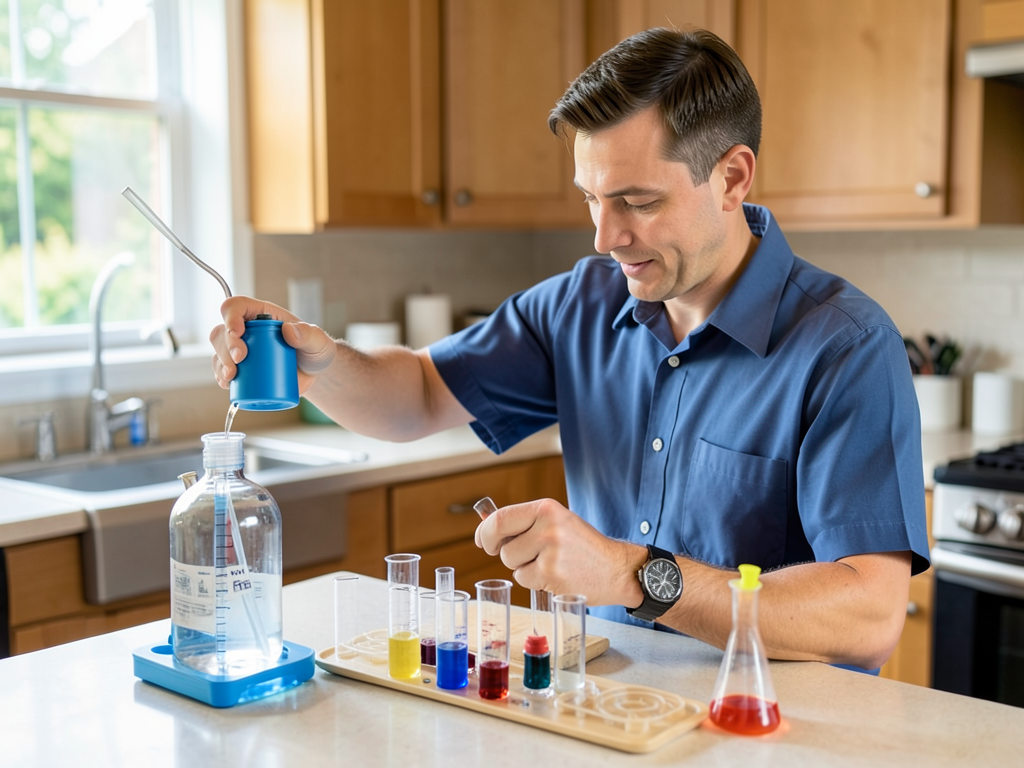
Heritage Plumbing tests water hardness using a titration kit that measures grains per gallon. For Blossom Valley homes testing above 10 GPG, ion exchange typically provides the most complete mineral removal. The resin lasts 10-15 years with proper maintenance, and monthly salt costs run $15-25 depending on household size and water usage. Plumbing Los Altos Hills.
What a salt-free conditioner actually does
Salt-free conditioners use template assisted crystallization (TAC) media that doesn’t remove minerals but changes their structure. As water flows through the catalytic media, calcium and magnesium ions form into microscopic crystals that remain suspended rather than sticking to surfaces.
The process requires no electricity, no drain line, and no salt regeneration. Water passes through the media once and exits conditioned. The media bed typically lasts 3-5 years before replacement, and the system uses zero water for backwashing. City of San Jose Building Department.
Testing shows TAC systems reduce scale formation by approximately 90% in San Jose’s water conditions. While some spots may still form on fixtures, the scale brushes off easily rather than requiring chemical cleaners. For Blossom Valley homes with septic systems or where salt discharge is restricted, this technology offers a viable alternative.
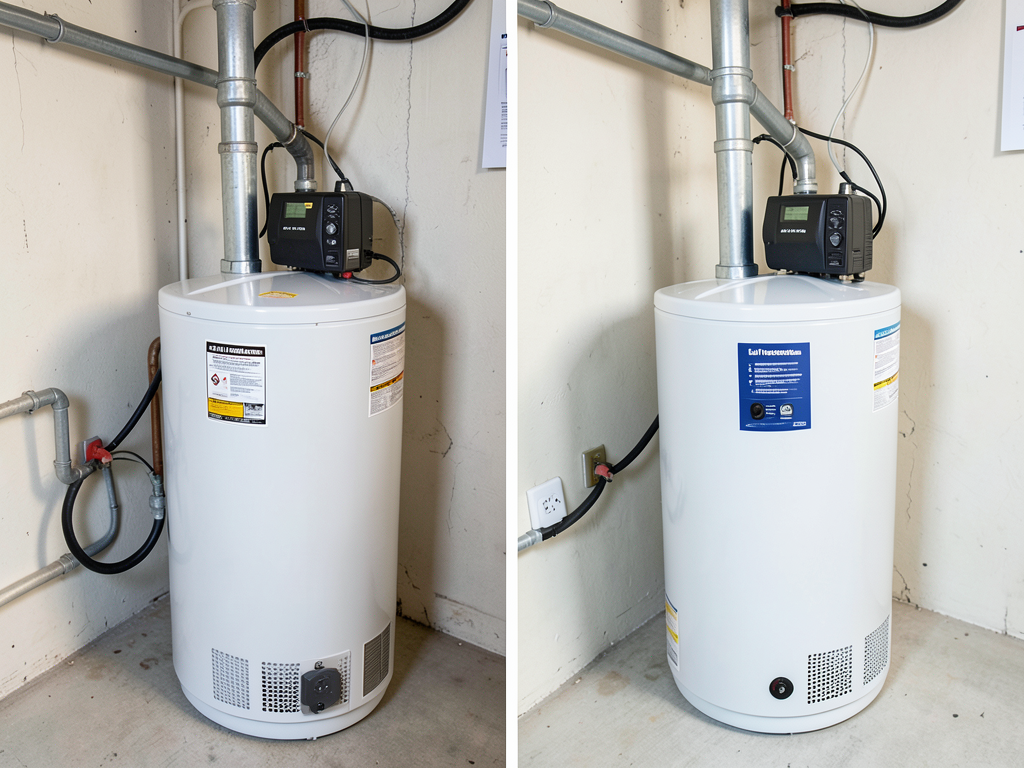
Comparing maintenance and operating costs
| Feature | Water Softener | Salt-Free Conditioner |
|---|---|---|
| Initial Cost | $1,200-2,500 | $1,000-2,000 |
| Monthly Salt | $15-25 | $0 |
| Media Replacement | Every 10-15 years | Every 3-5 years |
| Water Usage | 25-50 gallons/cycle | None |
| Electricity | Required | None |
| Floor Space | 36" x 24" | 24" x 8" |
| Installation Time | 3-4 hours | 1-2 hours |
Environmental impact in Blossom Valley
California’s brine discharge regulations affect water softener installations. The Santa Clara Valley Water District monitors chloride levels in wastewater, and some municipalities have restrictions on salt-based systems.
Traditional softeners discharge 50-100 gallons of brine solution weekly containing 2,000-4,000 mg/L of sodium chloride. This discharge enters the municipal sewer system and eventually affects agricultural areas downstream. Blossom Valley homes on septic systems face additional concerns as salt can impact soil absorption fields.
Salt-free conditioners produce zero brine discharge, making them compliant with current and potential future regulations. The catalytic media is typically made from polymer beads that last several years before requiring replacement. While not biodegradable, the reduced environmental footprint appeals to environmentally conscious Blossom Valley residents.
The California Building Code Section 1207.3 requires proper drainage for water treatment equipment. Heritage Plumbing ensures all installations meet local code requirements and obtain necessary permits from the City of San Jose Building Department. Plumbing Mountain View.
Which system works better for Blossom Valley homes
Water hardness testing determines the optimal solution. Homes testing above 15 GPG typically benefit more from ion exchange softening, while those between 10-15 GPG can choose based on other factors.
Blossom Valley’s mix of home ages affects system selection. Older homes with galvanized steel pipes may experience temporary increased water flow after softening as scale inside pipes begins dissolving. Newer homes with PEX plumbing don’t have this issue but still benefit from scale prevention.. Read more about Signs your older North San Jose home still has lead or galvanized pipes.
Household size and water usage patterns matter significantly. A family of four using 400 gallons daily creates different demands than a retired couple using 150 gallons. Heritage Plumbing calculates grain capacity requirements based on your specific water test results and household data.
Climate considerations affect performance. Blossom Valley’s moderate temperatures mean water heaters operate year-round, making scale prevention particularly important for energy efficiency. Tankless water heaters especially benefit from any scale prevention technology since mineral buildup directly reduces heat exchanger efficiency.
Installation considerations for Blossom Valley properties
Most Blossom Valley homes have main water lines entering through garages or crawl spaces. Water treatment equipment requires a 120V outlet and drain line within 10 feet. Heritage Plumbing evaluates your specific layout to determine optimal placement.
Permitting through the City of San Jose typically takes 1-3 business days for water treatment installations. The process includes inspection to ensure proper cross-connection prevention and drainage compliance. Heritage Plumbing handles all permitting and coordinates inspections.
Space requirements vary significantly. Traditional softeners need 30-40 inches of floor space plus clearance for salt storage and maintenance. Salt-free conditioners mount vertically and require only 6-8 inches of wall space, making them suitable for tight mechanical rooms.
Water pressure affects system selection. Homes with pressure below 40 PSI may need booster pumps for softener operation. Heritage Plumbing tests your incoming pressure and recommends solutions if needed.
Making your decision
The right choice depends on your priorities. If you want completely spot-free dishes, silky skin feel, and maximum appliance protection, ion exchange softening delivers the most complete results. If you prefer zero maintenance, no salt handling, and environmental compliance, salt-free conditioning offers practical benefits. Finding the right water heater replacement for your Almaden Valley home.
Heritage Plumbing provides free water testing to determine your exact hardness level and recommends the most cost-effective solution. We install both technologies and won’t push one over the other based on your specific needs and Blossom Valley’s water conditions.
Call (408) 381-5355 today to schedule your free water hardness test. Heritage Plumbing has served Blossom Valley and all of San Jose since 1995, helping homeowners make informed decisions about water treatment. Our technicians test your water on-site and show you exactly what’s in your supply before recommending any system.
Frequently Asked Questions
Will a water softener make my water taste salty?
No. The sodium added during ion exchange is minimal – approximately 12.5 mg per 8-ounce glass for 15 GPG water. This is less than the sodium in a slice of bread. The water tastes the same as before treatment.
How long does installation take?
Most installations complete in 3-4 hours for softeners and 1-2 hours for salt-free conditioners. Heritage Plumbing arrives on time, protects your home with drop cloths, and cleans up thoroughly after completion.
Do I need a permit for water treatment installation?
Yes. The City of San Jose requires permits for all water treatment equipment. Heritage Plumbing handles permitting, inspection scheduling, and ensures all work meets California plumbing code requirements.
Can I install the system myself?
DIY installation voids most manufacturer warranties and may violate local codes. Water treatment systems require proper drainage, cross-connection prevention, and pressure regulation. Heritage Plumbing’s licensed plumbers ensure correct installation and code compliance. Getting help from a 24 hour plumber in South San Jose right now.
What’s the warranty on these systems?
Warranty terms vary by manufacturer but typically include 5-10 years on tanks and valves, and 1-3 years on electronics. Heritage Plumbing provides a one-year labor warranty on all installations and honors manufacturer warranties for our customers.
You may also find this helpful. Why your Naglee Park toilets keep running and how to choose a more efficient replacement.
{
“@context”: “https://schema.org”,
“@type”: “BlogPosting”,
“headline”: “Deciding between a water softener or a salt-free conditioner in Blossom Valley”,
“description”: “Compare water softeners vs. salt-free conditioners for Blossom Valley homes. Learn about San Jose’s hard water, maintenance costs, and which system fits your needs.”,
“wordCount”: 1403,
“datePublished”: “2026-03-07T12:47:00.000Z”,
“dateModified”: “2026-03-07T12:47:00.000Z”,
“inLanguage”: “en-US”,
“mainEntityOfPage”: {
“@type”: “WebPage”,
“@id”: “https://heritageplumbingsanjose.com”
},
“publisher”: {
“@type”: “LocalBusiness”,
“name”: “Heritage Plumbing San Jose”,
“url”: “https://heritageplumbingsanjose.com”
},
“author”: {
“@type”: “Organization”,
“name”: “Heritage Plumbing San Jose”,
“url”: “https://heritageplumbingsanjose.com”
},
“image”: {
“@type”: “ImageObject”,
“url”: “https://heritageplumbingsanjose.com/wp-content/uploads/2026/03/deciding-between-a-water-softener-or-a-salt-free-c-1.png”
}
}
{
“@context”: “https://schema.org”,
“@type”: “Plumber”,
“name”: “Heritage Plumbing San Jose”,
“url”: “https://heritageplumbingsanjose.com”,
“address”: {
“@type”: “PostalAddress”,
“addressLocality”: “San Jose”
},
“areaServed”: {
“@type”: “City”,
“name”: “San Jose”
}
}
{
“@context”: “https://schema.org”,
“@type”: “FAQPage”,
“mainEntity”: [
{
“@type”: “Question”,
“name”: “Will a water softener make my water taste salty?”,
“acceptedAnswer”: {
“@type”: “Answer”,
“text”: “No. The sodium added during ion exchange is minimal – approximately 12.5 mg per 8-ounce glass for 15 GPG water. This is less than the sodium in a slice of bread. The water tastes the same as before treatment.”
}
},
{
“@type”: “Question”,
“name”: “How long does installation take?”,
“acceptedAnswer”: {
“@type”: “Answer”,
“text”: “Most installations complete in 3-4 hours for softeners and 1-2 hours for salt-free conditioners. Heritage Plumbing arrives on time, protects your home with drop cloths, and cleans up thoroughly after completion.”
}
},
{
“@type”: “Question”,
“name”: “Do I need a permit for water treatment installation?”,
“acceptedAnswer”: {
“@type”: “Answer”,
“text”: “Yes. The City of San Jose requires permits for all water treatment equipment. Heritage Plumbing handles permitting, inspection scheduling, and ensures all work meets California plumbing code requirements.”
}
},
{
“@type”: “Question”,
“name”: “Can I install the system myself?”,
“acceptedAnswer”: {
“@type”: “Answer”,
“text”: “DIY installation voids most manufacturer warranties and may violate local codes. Water treatment systems require proper drainage, cross-connection prevention, and pressure regulation. Heritage Plumbing’s licensed plumbers ensure correct installation and code compliance. Getting help from a 24 hour plumber in South San Jose right now.”
}
},
{
“@type”: “Question”,
“name”: “What’s the warranty on these systems?”,
“acceptedAnswer”: {
“@type”: “Answer”,
“text”: “Warranty terms vary by manufacturer but typically include 5-10 years on tanks and valves, and 1-3 years on electronics. Heritage Plumbing provides a one-year labor warranty on all installations and honors manufacturer warranties for our customers.”
}
}
]
}
{
“@context”: “https://schema.org”,
“@type”: “BreadcrumbList”,
“itemListElement”: [
{
“@type”: “ListItem”,
“position”: 1,
“name”: “Home”,
“item”: “https://heritageplumbingsanjose.com”
},
{
“@type”: “ListItem”,
“position”: 2,
“name”: “Blog”,
“item”: “https://heritageplumbingsanjose.com/blog”
},
{
“@type”: “ListItem”,
“position”: 3,
“name”: “Deciding between a water softener or a salt-free conditioner in Blossom Valley”
}
]
}
{
“@context”: “https://schema.org”,
“@type”: “Service”,
“serviceType”: “Plumbing”,
“provider”: {
“@type”: “LocalBusiness”,
“name”: “Heritage Plumbing San Jose”,
“url”: “https://heritageplumbingsanjose.com”
},
“areaServed”: {
“@type”: “City”,
“name”: “San Jose”
},
“description”: “Compare water softeners vs. salt-free conditioners for Blossom Valley homes. Learn about San Jose’s hard water, maintenance costs, and which system fits your needs.”
}