
Solving Common Plumbing Headaches in San Jose Guest Houses and In-Law Suites
Building a guest house or in-law suite in San Jose comes with unique plumbing challenges that many homeowners discover too late. From navigating the San Jose Building Division’s permit requirements to handling the complex sewer tie-ins and water line extensions, these secondary dwelling units require specialized expertise. Whether you’re converting a garage into an ADU or constructing a detached unit in your backyard, understanding the specific plumbing requirements for San Jose’s soil conditions, building codes, and utility infrastructure is essential for a successful project. San Jose Building Division.
San Jose’s rapid growth in accessory dwelling units has created a surge in demand for experienced plumbers who understand the local permitting process and technical requirements. The city’s expansive clay soils, combined with the need to tie into existing municipal systems, makes each installation a unique puzzle requiring careful planning and execution. Property owners in neighborhoods from Willow Glen to Almaden Valley face similar challenges when adding these valuable living spaces to their properties. San Jose Water Company.
Understanding San Jose ADU Permit Requirements
Before any plumbing work begins on your guest house, you must secure the proper permits through the San Jose Building Division. The city requires detailed plumbing plans that show how your new unit will connect to existing water and sewer lines. These plans must comply with the California Plumbing Code and Santa Clara County’s specific requirements for secondary dwelling units. Plumbing Palo Alto.
The permitting process typically takes 4-6 weeks for review, and your plumber must demonstrate that all work meets Title 24 energy efficiency standards. This includes proper pipe insulation, water heater specifications, and backflow prevention devices. Many homeowners underestimate the complexity of this process, leading to costly delays and rework. Getting help from a 24 hour plumber in South San Jose right now.
San Jose’s building department has specific requirements for ADUs that differ from standard residential construction. Your plumbing plans must show proper drainage slopes, vent locations, and fixture counts that comply with both state and local codes. The city also requires inspections at multiple stages, including the rough-in inspection before walls are closed and the final inspection before occupancy. Plumbing Los Altos Hills.
Main Water Line Extension Options
Extending your main water line to serve a guest house requires careful consideration of several factors. The distance from your primary residence, the number of fixtures in the ADU, and the existing water pressure all influence the sizing and routing of new pipes. Most San Jose properties use copper or PEX piping for these extensions, with each material offering distinct advantages for local conditions.
Copper piping remains popular for its durability and resistance to UV damage when running through crawl spaces or exterior walls. However, PEX piping has gained traction in San Jose due to its flexibility and resistance to the region’s expansive clay soils. PEX can expand slightly without breaking when soil shifts occur, a common issue in areas like Almaden Valley and parts of Evergreen. Protecting your Evergreen basement with professional sump pump repair.
The water pressure requirements for your ADU depend on the fixture count. A typical guest house with one bathroom, a kitchen, and laundry facilities requires a minimum of 40 PSI at the farthest fixture. Your plumber will need to calculate the pressure loss through the extended piping system and may recommend a pressure-boosting pump if your existing system cannot maintain adequate pressure.
San Jose Water Company has specific requirements for new connections, including backflow prevention devices and pressure-reducing valves where necessary. These devices protect the municipal water supply from contamination and ensure that your system operates within safe pressure ranges.. Read more about Deciding Where to Place Your New Tankless Water Heater for Maximum Efficiency in Northwood.
Sewer Tie-In Procedures and Considerations
Connecting your guest house to the existing sewer system presents one of the most complex plumbing challenges. The tie-in point must be carefully selected to maintain proper drainage slopes while avoiding interference with existing utilities. San Jose’s building code requires a minimum slope of 1/4 inch per foot for sewer lines, which can be difficult to achieve in flat yards or when working around mature trees and landscaping.
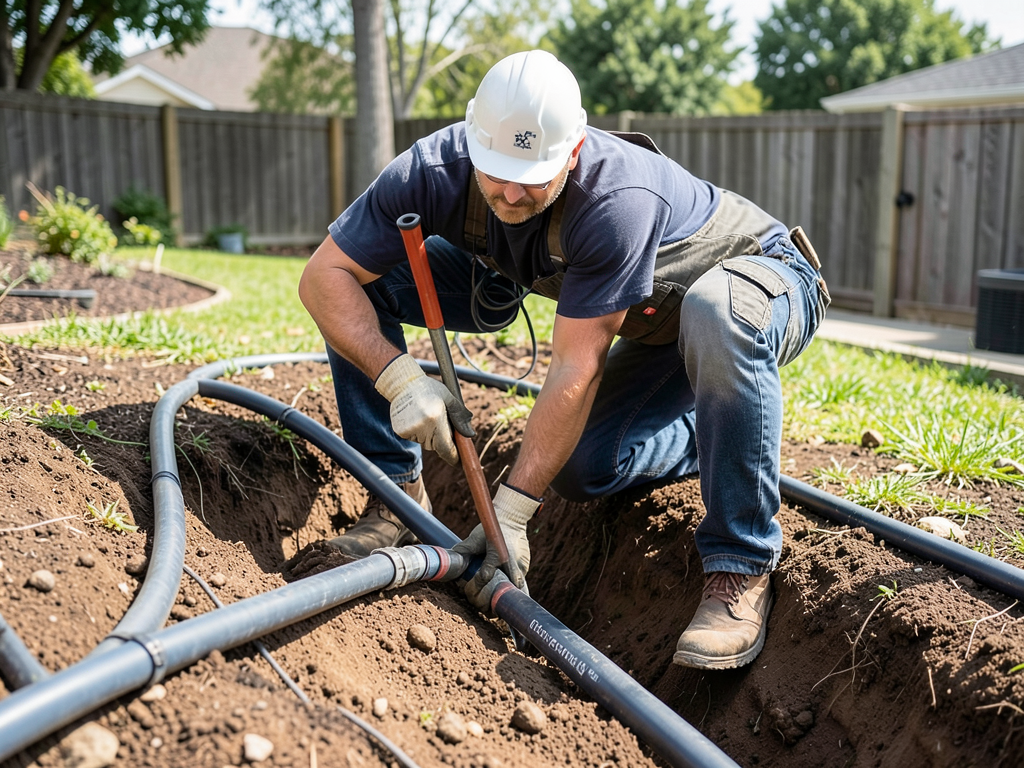
Traditional trenching methods involve digging a trench from your ADU to the main sewer line, typically 18-24 inches deep for residential applications. This process can disrupt existing landscaping and may require temporary relocation of sprinkler systems or other underground utilities. The trench must be wide enough to accommodate the new pipe and provide working space for proper connections.
Trenchless technology offers an alternative for properties where traditional trenching would cause significant damage to existing landscaping. This method uses directional boring equipment to create a path for the new sewer line without extensive surface disruption. While more expensive upfront, trenchless installation can save thousands in landscape restoration costs, particularly in established neighborhoods with mature trees and gardens.. Read more about Comparing the Costs of a Tub-to-Shower Conversion in Your Westgate Bathroom.
San Jose’s sewer lateral inspection requirements add another layer of complexity. The city requires video inspection of the connection point to ensure proper installation and identify any existing issues with the main sewer line. This inspection must be completed before the trench is backfilled, and any deficiencies must be corrected before final approval.
Tankless Water Heater Installation for ADUs
Selecting the right water heating system for your guest house involves balancing energy efficiency, space constraints, and hot water demand. Tankless water heaters have become the standard choice for ADUs in San Jose due to their compact size and energy efficiency, which aligns with Title 24 requirements. Finding the right water heater replacement for your Almaden Valley home.
Gas-fired tankless units offer the highest flow rates and can serve multiple fixtures simultaneously, making them ideal for guest houses with full bathrooms and kitchens. However, they require proper venting and gas line sizing that must be included in your permit plans. Electric tankless units eliminate venting requirements but may struggle to provide adequate hot water for simultaneous use in multiple fixtures.
The location of your water heater significantly impacts both installation costs and energy efficiency. Installing the unit close to the main bathroom minimizes hot water wait times and reduces energy waste. In detached ADUs, this often means mounting the heater on an exterior wall with proper weatherproofing and freeze protection.
San Jose’s building code requires specific clearances and ventilation for all water heaters, whether tank or tankless. Gas units must have adequate combustion air supply and proper venting to the exterior. Electric units have less stringent requirements but still need proper mounting and electrical connections that meet current code standards.
Point of Connection Analysis for ADUs
Determining the optimal point of connection for your guest house utilities requires a comprehensive site analysis. Your plumber must evaluate the existing water main location, sewer lateral position, and electrical service to minimize installation costs while ensuring code compliance. This analysis often reveals opportunities for cost savings that homeowners might not consider.
The distance between your primary residence and the ADU significantly impacts installation costs. Each linear foot of trenching adds labor and material expenses, making the routing of utility lines a critical cost factor. In some cases, connecting to a closer municipal utility line rather than extending from the main house proves more economical, though this requires coordination with the city.. Read more about Adding a Utility Sink to Your Garage or Workshop in Washington-Guadalupe.
Soil conditions in different San Jose neighborhoods affect installation methods and costs. The expansive clay soils common in areas like Almaden Valley and parts of Evergreen require wider trenching and may necessitate additional compaction during backfill to prevent future settling. Sandy soils, more common near the bay, drain better but may require deeper installation to prevent frost heave in exposed areas.
Underground utility mapping becomes essential before any excavation begins. San Jose’s underground service alert requirements help identify existing utilities, but many older properties have undocumented lines that can complicate installation. A thorough site survey prevents costly damage to irrigation systems, electrical conduits, or communication lines during trenching operations.
Common ADU Plumbing Challenges in San Jose
Guest house plumbing projects in San Jose frequently encounter specific challenges that require experienced problem-solving. One common issue involves dealing with the city’s requirement for separate water meters for ADUs in many zones. This requirement can add significant cost and complexity to your project, particularly if the existing meter is at capacity or located far from your ADU site.
Another frequent challenge involves meeting San Jose’s strict backflow prevention requirements. The city mandates specific devices based on the hazard level of your plumbing system. Guest houses with irrigation systems or swimming pool connections require higher-grade backflow preventers than those with only interior plumbing fixtures.
Winterizing considerations for San Jose’s occasional freezing temperatures often surprise homeowners from warmer climates. While deep freezes are rare, exposed pipes in detached structures can still burst during cold snaps. Proper insulation and freeze protection become essential design elements, particularly for ADUs used as rental properties where damage could affect tenants.
Noise transmission through plumbing pipes presents another common issue in attached ADU conversions. Sound-dampening techniques, including proper pipe supports and insulation, become necessary to prevent water hammer and drainage sounds from disturbing occupants of either dwelling. This consideration often influences the routing of pipes within wall cavities.
Cost Factors for Guest House Plumbing Installation
The total cost of plumbing an ADU in San Jose varies significantly based on several key factors. Distance from existing utilities represents one of the largest cost variables, with each additional linear foot of trenching adding $20-30 to your project cost. A guest house located 50 feet from your main home might cost $5,000-7,000 for utility extensions, while one 150 feet away could exceed $15,000.
The number and type of fixtures dramatically influence both material and permit costs. A basic ADU with one bathroom and kitchen requires significantly less plumbing infrastructure than a luxury unit with multiple bathrooms, a laundry room, and outdoor plumbing connections. Each additional fixture adds permit fees, material costs, and inspection requirements.
Soil conditions and site accessibility affect excavation costs in ways many homeowners don’t anticipate. Properties with extensive landscaping, mature trees, or difficult access for equipment may require specialized excavation techniques that increase labor costs. Conversely, properties with easy access and minimal landscaping might reduce excavation costs by 30-40% compared to average conditions.
Permit fees for ADU plumbing in San Jose typically range from $800-2,500 depending on the project scope and complexity. These fees cover plan review, inspections, and administrative costs. Additional fees may apply for environmental impact assessments if your project affects protected trees or drainage patterns.
Choosing the Right Materials for San Jose Conditions
Selecting appropriate plumbing materials for your guest house requires understanding how different products perform in San Jose’s specific conditions. The region’s combination of occasional freezing temperatures, expansive soils, and high water tables influences material selection in ways that might not be obvious to homeowners from other regions.
PEX piping has become increasingly popular for ADU applications due to its flexibility and resistance to freeze damage. Unlike rigid copper, PEX can expand slightly when water freezes, reducing the likelihood of burst pipes during rare cold snaps. This characteristic proves particularly valuable in detached structures where freeze protection might be less comprehensive than in the main residence.
Copper remains the preferred choice for main water lines and visible applications due to its proven longevity and resistance to UV degradation. Modern copper installations use lead-free solder and comply with current drinking water standards. The material’s natural antimicrobial properties also appeal to health-conscious homeowners, though the higher material cost must be factored into project budgets.
Chlorinated polyvinyl chloride (CPVC) offers a middle-ground option for hot and cold water distribution. This material resists corrosion and scale buildup better than copper in areas with hard water, a common issue in parts of San Jose. CPVC also costs less than copper while providing good temperature resistance for typical residential applications.
Inspection and Testing Requirements
San Jose’s inspection process for ADU plumbing involves multiple stages that must be completed in sequence. The rough-in inspection occurs after all pipes are installed but before walls are closed, allowing inspectors to verify proper slope, support, and installation techniques. This inspection is critical because errors discovered after wall closure require expensive demolition to correct.
Pressure testing represents a mandatory step before final inspection approval. Your plumber must demonstrate that all water lines hold pressure without leakage for a specified duration. This test identifies small leaks that might not be visible but could cause significant damage over time. The test pressure typically exceeds normal operating pressure by 50% to ensure system integrity.
Sewer line testing involves smoke testing or dye testing to verify that all connections are watertight and properly vented. These tests prevent sewer gases from entering the living space and ensure that the drainage system functions as designed. Any deficiencies discovered during testing must be corrected before final approval.
The final inspection includes verification of all fixtures, testing of water heaters, and confirmation that all required devices are installed and functioning. This inspection must be passed before the building department will issue a certificate of occupancy, making it the final hurdle before your ADU can be legally occupied.
Maintenance Considerations for ADU Plumbing Systems
Planning for long-term maintenance should influence your initial plumbing design decisions. Guest houses often serve as rental properties or accommodations for elderly family members, making reliability and ease of maintenance critical factors. Including access panels for key plumbing components can save thousands in repair costs over the building’s lifetime.
Water quality considerations specific to different San Jose neighborhoods affect fixture longevity and maintenance requirements. Areas with hard water may benefit from water softening systems to prevent scale buildup in tankless water heaters and faucets. The initial investment in water treatment can extend the life of plumbing fixtures by several years.
Drain cleaning access points should be strategically located to facilitate maintenance. Cleanouts at key junctions allow plumbers to clear blockages without destructive exploration. This consideration becomes particularly important in ADUs where the drainage path may be longer or more complex than in typical residential construction.
Shut-off valve placement influences both emergency response and routine maintenance. Individual fixture shut-offs allow for repairs without disrupting the entire system, while a main shut-off near the point of connection enables quick emergency response. These valves should be easily accessible and clearly labeled for all occupants.
Energy Efficiency and Sustainability Options
San Jose’s commitment to sustainability and energy efficiency creates opportunities for incorporating green plumbing features into your ADU design. Greywater recycling systems can capture water from sinks and showers for landscape irrigation, reducing both water consumption and utility costs. These systems require separate plumbing infrastructure but can provide significant long-term savings.
Rainwater harvesting systems offer another sustainability option, particularly for ADUs with extensive landscaping needs. These systems collect roof runoff in storage tanks for non-potable uses like toilet flushing and irrigation. While requiring additional plumbing infrastructure, they can reduce water consumption by 30-50% in properties with adequate roof area.
Solar water heating integration represents a growing trend in San Jose ADU construction. These systems use roof-mounted collectors to preheat water before it enters the conventional water heater, reducing energy consumption by 40-60%. The plumbing modifications required are relatively simple but must be planned during initial construction rather than added later.
Low-flow fixtures and smart water monitors help ADUs meet Title 24 requirements while reducing utility costs for owners and tenants. Modern low-flow fixtures provide adequate performance while using 30-50% less water than standard fixtures. Smart monitors can detect leaks immediately and provide usage data that helps identify opportunities for conservation.
Working with Heritage Plumbing for Your ADU Project
Heritage Plumbing brings over 15 years of experience serving San Jose homeowners with complex plumbing projects. Our team understands the unique challenges of ADU construction in Santa Clara County, from navigating the San Jose Building Division’s requirements to handling the specific soil and climate conditions that affect local installations.
We provide comprehensive ADU plumbing services, including permit acquisition assistance, detailed project planning, and complete installation from rough-in to final inspection. Our experience with hundreds of local projects means we can anticipate and prevent common problems before they become costly delays. We work directly with your architect or contractor to ensure seamless integration of all building systems.
Our team stays current with all San Jose building codes and Title 24 requirements, ensuring your project passes inspection the first time. We provide detailed estimates that include all necessary components, from backflow preventers to pressure-reducing valves, so you can budget accurately without surprise costs. Our work comes with comprehensive warranties that protect your investment long after installation.
Ready to start your guest house or in-law suite project? Call (408) 381-5355 today to schedule a consultation. We’ll evaluate your property, discuss your options, and provide a detailed plan that meets all San Jose requirements while staying within your budget. Don’t let plumbing complications delay your ADU dreams – let Heritage Plumbing handle the technical details while you focus on your vision.
Frequently Asked Questions
How long does it take to get permits for ADU plumbing in San Jose?
The permit process typically takes 4-6 weeks for review by the San Jose Building Division. Complex projects or those requiring environmental review may take longer. Working with an experienced plumber who understands local requirements can help streamline this process.
Can I use my existing water meter for a new guest house?
In most cases, San Jose requires a separate water meter for ADUs to track usage accurately. The San Jose Water Company will evaluate your existing meter’s capacity and may require upgrades if it cannot handle the additional demand.
What’s the difference between trenching and trenchless sewer installation?
Trenching involves digging an open trench from your ADU to the main sewer line, while trenchless methods use directional boring to install pipes underground without extensive surface disruption. Trenchless installation costs more upfront but can save significant landscape restoration expenses.
Do I need a separate water heater for my guest house?
Yes, building codes require separate water heating systems for ADUs. Tankless water heaters are popular for ADUs due to their compact size and energy efficiency, which aligns with Title 24 requirements.
How much does it cost to plumb an ADU in San Jose?
ADU plumbing costs typically range from $8,000 to $25,000 depending on distance from utilities, number of fixtures, and site conditions. Distance from existing water and sewer lines is usually the largest cost factor.
What permits are required for ADU plumbing in San Jose?
You need both building and plumbing permits from the San Jose Building Division. Your plans must show compliance with California Plumbing Code, Title 24 energy requirements, and Santa Clara County health department standards.
Can I install plumbing myself for my guest house?
California law requires licensed plumbers to perform most plumbing work, including water line installation, sewer connections, and water heater installation. DIY plumbing is not permitted for ADUs and can result in failed inspections and costly rework.
How do I handle drainage for a guest house on a sloped lot?
Sloped lots require careful planning to maintain proper drainage slopes while avoiding interference with existing utilities. Ejector pumps or lift stations may be necessary if gravity drainage cannot be achieved within code requirements.
What type of piping is best for San Jose ADUs?
PEX piping is popular for its flexibility and freeze resistance, while copper remains preferred for main lines due to durability. The best choice depends on your specific conditions, including soil type, exposure to sunlight, and local water quality.
How do I ensure my ADU plumbing passes inspection?
Working with an experienced plumber who understands San Jose requirements is the best way to ensure passing inspection. This includes proper permits, code-compliant installations, and scheduling required inspections at each construction phase.
You may also find this helpful. How to Stop Your Garbage Disposal from Backing Up Into Your Dishwasher in Cory.
{
“@context”: “https://schema.org”,
“@type”: “BlogPosting”,
“headline”: “Solving Common Plumbing Headaches in San Jose Guest Houses and In-Law Suites”,
“description”: “Expert ADU plumbing solutions for San Jose guest houses. Learn about permits, sewer tie-ins, tankless water heaters, and code compliance for your accessory dwelling unit.”,
“wordCount”: 3280,
“datePublished”: “2026-06-04T09:35:00.000Z”,
“dateModified”: “2026-06-04T09:35:00.000Z”,
“inLanguage”: “en-US”,
“mainEntityOfPage”: {
“@type”: “WebPage”,
“@id”: “https://heritageplumbingsanjose.com”
},
“publisher”: {
“@type”: “LocalBusiness”,
“name”: “Heritage Plumbing San Jose”,
“url”: “https://heritageplumbingsanjose.com”
},
“author”: {
“@type”: “Organization”,
“name”: “Heritage Plumbing San Jose”,
“url”: “https://heritageplumbingsanjose.com”
},
“image”: {
“@type”: “ImageObject”,
“url”: “https://heritageplumbingsanjose.com/wp-content/uploads/2026/03/solving-common-plumbing-headaches-in-san-jose-gues-1.png”
}
}
{
“@context”: “https://schema.org”,
“@type”: “Plumber”,
“name”: “Heritage Plumbing San Jose”,
“url”: “https://heritageplumbingsanjose.com”,
“address”: {
“@type”: “PostalAddress”,
“addressLocality”: “San Jose”
},
“areaServed”: {
“@type”: “City”,
“name”: “San Jose”
}
}
{
“@context”: “https://schema.org”,
“@type”: “FAQPage”,
“mainEntity”: [
{
“@type”: “Question”,
“name”: “How long does it take to get permits for ADU plumbing in San Jose?”,
“acceptedAnswer”: {
“@type”: “Answer”,
“text”: “The permit process typically takes 4-6 weeks for review by the San Jose Building Division. Complex projects or those requiring environmental review may take longer. Working with an experienced plumber who understands local requirements can help streamline this process.”
}
},
{
“@type”: “Question”,
“name”: “Can I use my existing water meter for a new guest house?”,
“acceptedAnswer”: {
“@type”: “Answer”,
“text”: “In most cases, San Jose requires a separate water meter for ADUs to track usage accurately. The San Jose Water Company will evaluate your existing meter’s capacity and may require upgrades if it cannot handle the additional demand.”
}
},
{
“@type”: “Question”,
“name”: “What’s the difference between trenching and trenchless sewer installation?”,
“acceptedAnswer”: {
“@type”: “Answer”,
“text”: “Trenching involves digging an open trench from your ADU to the main sewer line, while trenchless methods use directional boring to install pipes underground without extensive surface disruption. Trenchless installation costs more upfront but can save significant landscape restoration expenses.”
}
},
{
“@type”: “Question”,
“name”: “Do I need a separate water heater for my guest house?”,
“acceptedAnswer”: {
“@type”: “Answer”,
“text”: “Yes, building codes require separate water heating systems for ADUs. Tankless water heaters are popular for ADUs due to their compact size and energy efficiency, which aligns with Title 24 requirements.”
}
},
{
“@type”: “Question”,
“name”: “How much does it cost to plumb an ADU in San Jose?”,
“acceptedAnswer”: {
“@type”: “Answer”,
“text”: “ADU plumbing costs typically range from $8,000 to $25,000 depending on distance from utilities, number of fixtures, and site conditions. Distance from existing water and sewer lines is usually the largest cost factor.”
}
},
{
“@type”: “Question”,
“name”: “What permits are required for ADU plumbing in San Jose?”,
“acceptedAnswer”: {
“@type”: “Answer”,
“text”: “You need both building and plumbing permits from the San Jose Building Division. Your plans must show compliance with California Plumbing Code, Title 24 energy requirements, and Santa Clara County health department standards.”
}
},
{
“@type”: “Question”,
“name”: “Can I install plumbing myself for my guest house?”,
“acceptedAnswer”: {
“@type”: “Answer”,
“text”: “California law requires licensed plumbers to perform most plumbing work, including water line installation, sewer connections, and water heater installation. DIY plumbing is not permitted for ADUs and can result in failed inspections and costly rework.”
}
},
{
“@type”: “Question”,
“name”: “How do I handle drainage for a guest house on a sloped lot?”,
“acceptedAnswer”: {
“@type”: “Answer”,
“text”: “Sloped lots require careful planning to maintain proper drainage slopes while avoiding interference with existing utilities. Ejector pumps or lift stations may be necessary if gravity drainage cannot be achieved within code requirements.”
}
},
{
“@type”: “Question”,
“name”: “What type of piping is best for San Jose ADUs?”,
“acceptedAnswer”: {
“@type”: “Answer”,
“text”: “PEX piping is popular for its flexibility and freeze resistance, while copper remains preferred for main lines due to durability. The best choice depends on your specific conditions, including soil type, exposure to sunlight, and local water quality.”
}
},
{
“@type”: “Question”,
“name”: “How do I ensure my ADU plumbing passes inspection?”,
“acceptedAnswer”: {
“@type”: “Answer”,
“text”: “Working with an experienced plumber who understands San Jose requirements is the best way to ensure passing inspection. This includes proper permits, code-compliant installations, and scheduling required inspections at each construction phase.”
}
}
]
}
{
“@context”: “https://schema.org”,
“@type”: “BreadcrumbList”,
“itemListElement”: [
{
“@type”: “ListItem”,
“position”: 1,
“name”: “Home”,
“item”: “https://heritageplumbingsanjose.com”
},
{
“@type”: “ListItem”,
“position”: 2,
“name”: “Blog”,
“item”: “https://heritageplumbingsanjose.com/blog”
},
{
“@type”: “ListItem”,
“position”: 3,
“name”: “Solving Common Plumbing Headaches in San Jose Guest Houses and In-Law Suites”
}
]
}
{
“@context”: “https://schema.org”,
“@type”: “Service”,
“serviceType”: “Plumbing”,
“provider”: {
“@type”: “LocalBusiness”,
“name”: “Heritage Plumbing San Jose”,
“url”: “https://heritageplumbingsanjose.com”
},
“areaServed”: {
“@type”: “City”,
“name”: “San Jose”
},
“description”: “Expert ADU plumbing solutions for San Jose guest houses. Learn about permits, sewer tie-ins, tankless water heaters, and code compliance for your accessory dwelling unit.”
}