
Deciding Where to Place Your New Tankless Water Heater for Maximum Efficiency in Northwood
Choosing the right location for your new tankless water heater can cut installation costs by hundreds of dollars and reduce your wait time for hot water by several minutes. In Northwood, the mild climate and typical home layouts create unique opportunities and constraints that most generic guides overlook. Finding the right water heater replacement for your Almaden Valley home.
Most Northwood homes built between 1980 and 2005 have the main water line entering near the garage with the gas meter on the exterior side wall. This creates a natural installation zone that minimizes both plumbing and gas line runs. A properly placed unit can deliver hot water to your master bathroom in under 15 seconds instead of the 45 seconds common with poorly positioned units. Plumbing Palo Alto.
Indoor vs. Outdoor Installation: What Works in Northwood
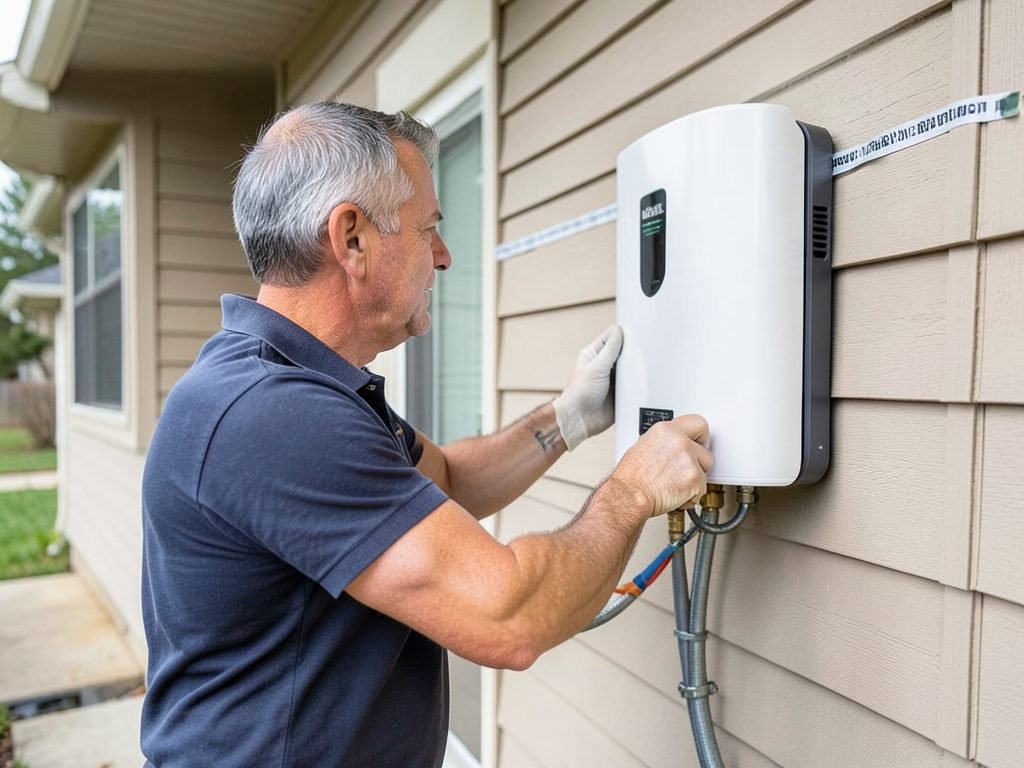
Northwood’s climate rarely drops below freezing but does experience occasional cold snaps that can damage outdoor units without freeze protection. Most homeowners find that outdoor installation reduces initial costs by $500 to $800 since you avoid venting requirements and indoor space modifications.
However, outdoor units require a recessed mounting box with proper drainage and freeze protection. The box must be mounted on a concrete pad with seismic straps per California Plumbing Code Section 510.7. Indoor installation in a garage or utility closet provides better freeze protection and easier maintenance access but requires proper venting and combustion air. Plumbing Los Altos Hills.
Optimal Indoor Locations for Northwood Homes
Garages offer the most cost-effective indoor installation in Northwood. The concrete floor provides a stable mounting surface and the proximity to the gas meter typically keeps gas line runs under 15 feet. You will need a condensate neutralizer if you choose a condensing unit since the garage floor cannot handle acidic water.
Utility closets work well for homes without garage space but require careful planning. The closet must have a 4-inch PVC drain for condensate and provide 12 inches of clearance on all sides for service access. Most Northwood utility closets measure 24 by 36 inches which barely accommodates a standard 18 by 26 inch tankless unit.
Laundry rooms offer another option but create unique challenges. The high humidity environment can affect electronic controls and the proximity to washing machine drains requires careful condensate routing to avoid cross-contamination.
Venting Requirements and Clearance Codes
California requires specific venting configurations for indoor tankless units. You must use Category III stainless steel venting for non-condensing units or PVC for condensing models. The vent must terminate at least 12 inches above any operable window or door within 10 feet horizontal distance.
Combustion air requirements depend on your installation location. Garage installations need two permanent openings totaling at least 100 square inches if the unit is in an enclosed space. Utility closet installations require direct outdoor air intake through a dedicated duct.
Clearance requirements vary by manufacturer but typically include 12 inches from side walls, 36 inches from the front for service access, and 12 inches above the unit. These measurements increase to 24 inches for units installed near electrical panels or flammable materials.
The Golden Triangle of Placement
Efficient placement follows what plumbers call the Golden Triangle principle. Your tankless unit should sit within 10 feet of the gas meter, 15 feet of the main water line, and have access to a 240-volt electrical outlet. Moving outside this triangle increases installation costs exponentially. Getting help from a 24 hour plumber in South San Jose right now.
Gas line sizing becomes critical in older Northwood homes. Most homes built before 2000 have 3/4 inch gas lines that may not support a 199,000 BTU tankless unit. You will need a 1 inch line which requires running new pipe from the meter. This upgrade costs $800 to $1,200 depending on wall access.
Water line proximity affects both installation cost and performance. Copper lines within 10 feet of your proposed location keep repiping costs under $300. Galvanized lines require replacement since they corrode internally and restrict flow.
San Jose Permitting and Seismic Strapping
San Jose requires permits for all tankless water heater replacements regardless of fuel type. The permit process includes a rough-in inspection before wall closure and a final inspection that verifies seismic strapping and proper venting. San Jose Building Division permit requirements.
California Plumbing Code Section 510.7 mandates seismic strapping for all water heaters. Tankless units require two straps placed within the upper and lower thirds of the unit height. The straps must be rated for the unit weight plus 1.5 times the water capacity in gallons. Plumbing Mountain View.
Outdoor units in Northwood must include freeze protection rated for 20 degrees Fahrenheit. This typically means an electric freeze kit that draws 2 to 3 amps continuously during cold weather. The electrical circuit must be dedicated and GFCI protected.
Cost Factors by Location
| Location Type | Installation Cost Range | Typical Gas Line Run | Venting Required |
|---|---|---|---|
| Outdoor Recessed | $1,800 – $2,400 | 5-10 feet | No |
| Garage Wall | $2,200 – $2,800 | 10-15 feet | Category III vent |
| Utility Closet | $2,500 – $3,200 | 15-25 feet | PVC or Category III |
Noise Considerations for Shared Walls
Tankless units generate 40 to 60 decibels during operation depending on the model and installation quality. Units mounted on shared walls in townhomes or condos require additional sound deadening. A rubber isolation kit costs $150 to $200 but reduces noise transmission by 50 percent.
Outdoor units near bedroom windows may create noise issues during early morning showers. The exhaust fan operates continuously during hot water demand and creates a whooshing sound similar to a bathroom exhaust fan on high speed.
Access Requirements for Annual Maintenance
Northwood’s hard water requires annual descaling to maintain efficiency. Your installation location must provide 36 inches of clearance in front of the unit for the descaling pump connection. The water shutoff valve should be easily accessible without moving the unit.
Condensing units produce acidic condensate that requires a neutralizer cartridge replacement every 12 to 18 months. The neutralizer should be mounted at eye level for easy cartridge changes without special tools.
Making the Final Decision
Your ideal tankless water heater location balances installation cost, hot water delivery speed, and long-term maintenance access. Start by measuring the distance from your gas meter to the most frequently used hot water fixtures. This distance often determines your most cost-effective installation location.
Consider your home’s construction era when planning the installation. Homes built before 1990 may need gas line upgrades and additional seismic bracing. Homes built after 2000 typically have the infrastructure to support tankless units with minimal modifications.
Outdoor installation offers the lowest initial cost but requires freeze protection and weatherproof housing. Indoor installation provides better freeze protection and easier maintenance but requires proper venting and may increase installation costs by $500 to $1,000.
The best way to determine your optimal location is to have a licensed plumber perform a site evaluation. They will measure gas line capacity, check water pressure, and identify the shortest route for both gas and water lines. This evaluation typically costs $100 to $200 but saves you from costly mistakes during installation.
Frequently Asked Questions
How far can a tankless water heater be from the point of use?
The ideal distance is under 50 feet for acceptable wait times. Beyond 50 feet, you may wait 30 seconds or more for hot water. Recirculation pumps can eliminate wait times but add $300 to $500 to installation costs.
Does a tankless water heater need a drain?
Yes, condensing units produce 1 to 2 gallons of acidic condensate per day that must drain to a sanitary sewer or exterior location. The drain requires a condensate neutralizer to prevent pipe corrosion.
Can I install a tankless water heater myself?
California requires a licensed plumber for tankless water heater installation including gas line connections and venting. DIY installation voids manufacturer warranties and may create safety hazards.
How long does installation take?
Most installations require 6 to 8 hours for a straightforward replacement. Complex installations involving gas line upgrades or new venting may take 1 to 2 days.
What maintenance does a tankless water heater need?
Annual descaling removes mineral buildup that reduces efficiency by up to 30 percent. The process takes 2 to 3 hours and costs $150 to $300 depending on your water hardness.
Ready to find the perfect spot for your new tankless water heater? Call (408) 381-5355 today to schedule your professional site evaluation. Our Northwood plumbing experts will measure your gas line capacity, check water pressure, and recommend the most cost-effective installation location for your home. For more information, visit EPA water efficiency standards.
{
“@context”: “https://schema.org”,
“@type”: “BlogPosting”,
“headline”: “Deciding Where to Place Your New Tankless Water Heater for Maximum Efficiency in Northwood”,
“description”: “Learn the best tankless water heater placement strategies for Northwood homes. Get local San Jose code compliance tips, venting requirements, and installation cost factors.”,
“wordCount”: 1446,
“datePublished”: “2026-05-05T13:06:00.000Z”,
“dateModified”: “2026-05-05T13:06:00.000Z”,
“inLanguage”: “en-US”,
“mainEntityOfPage”: {
“@type”: “WebPage”,
“@id”: “https://heritageplumbingsanjose.com”
},
“publisher”: {
“@type”: “LocalBusiness”,
“name”: “Heritage Plumbing San Jose”,
“url”: “https://heritageplumbingsanjose.com”
},
“author”: {
“@type”: “Organization”,
“name”: “Heritage Plumbing San Jose”,
“url”: “https://heritageplumbingsanjose.com”
},
“image”: {
“@type”: “ImageObject”,
“url”: “https://heritageplumbingsanjose.com/wp-content/uploads/2026/03/deciding-where-to-place-your-new-tankless-water-he-1.png”
}
}
{
“@context”: “https://schema.org”,
“@type”: “Plumber”,
“name”: “Heritage Plumbing San Jose”,
“url”: “https://heritageplumbingsanjose.com”,
“address”: {
“@type”: “PostalAddress”,
“addressLocality”: “San Jose”
},
“areaServed”: {
“@type”: “City”,
“name”: “San Jose”
}
}
{
“@context”: “https://schema.org”,
“@type”: “FAQPage”,
“mainEntity”: [
{
“@type”: “Question”,
“name”: “How far can a tankless water heater be from the point of use?”,
“acceptedAnswer”: {
“@type”: “Answer”,
“text”: “The ideal distance is under 50 feet for acceptable wait times. Beyond 50 feet, you may wait 30 seconds or more for hot water. Recirculation pumps can eliminate wait times but add $300 to $500 to installation costs.”
}
},
{
“@type”: “Question”,
“name”: “Does a tankless water heater need a drain?”,
“acceptedAnswer”: {
“@type”: “Answer”,
“text”: “Yes, condensing units produce 1 to 2 gallons of acidic condensate per day that must drain to a sanitary sewer or exterior location. The drain requires a condensate neutralizer to prevent pipe corrosion.”
}
},
{
“@type”: “Question”,
“name”: “Can I install a tankless water heater myself?”,
“acceptedAnswer”: {
“@type”: “Answer”,
“text”: “California requires a licensed plumber for tankless water heater installation including gas line connections and venting. DIY installation voids manufacturer warranties and may create safety hazards.”
}
},
{
“@type”: “Question”,
“name”: “How long does installation take?”,
“acceptedAnswer”: {
“@type”: “Answer”,
“text”: “Most installations require 6 to 8 hours for a straightforward replacement. Complex installations involving gas line upgrades or new venting may take 1 to 2 days.”
}
},
{
“@type”: “Question”,
“name”: “What maintenance does a tankless water heater need?”,
“acceptedAnswer”: {
“@type”: “Answer”,
“text”: “Annual descaling removes mineral buildup that reduces efficiency by up to 30 percent. The process takes 2 to 3 hours and costs $150 to $300 depending on your water hardness.”
}
}
]
}
{
“@context”: “https://schema.org”,
“@type”: “BreadcrumbList”,
“itemListElement”: [
{
“@type”: “ListItem”,
“position”: 1,
“name”: “Home”,
“item”: “https://heritageplumbingsanjose.com”
},
{
“@type”: “ListItem”,
“position”: 2,
“name”: “Blog”,
“item”: “https://heritageplumbingsanjose.com/blog”
},
{
“@type”: “ListItem”,
“position”: 3,
“name”: “Deciding Where to Place Your New Tankless Water Heater for Maximum Efficiency in Northwood”
}
]
}
{
“@context”: “https://schema.org”,
“@type”: “Service”,
“serviceType”: “Plumbing”,
“provider”: {
“@type”: “LocalBusiness”,
“name”: “Heritage Plumbing San Jose”,
“url”: “https://heritageplumbingsanjose.com”
},
“areaServed”: {
“@type”: “City”,
“name”: “San Jose”
},
“description”: “Learn the best tankless water heater placement strategies for Northwood homes. Get local San Jose code compliance tips, venting requirements, and installation cost factors.”
}