
Why Your Horace Mann Rental Property Needs a Sewage Ejector Pump Maintenance Plan
Basement bathrooms in San Jose’s Horace Mann neighborhood rely on sewage ejector pumps to move waste uphill when gravity won’t do the job. These systems work quietly until they fail—and when they do, raw sewage floods your rental unit within minutes. The combination of San Jose’s clay-rich soils, seasonal groundwater fluctuations, and the age of many Horace Mann homes creates a perfect storm for pump failures that can cost thousands in cleanup and tenant displacement. San Jose Municipal Code.
A proper maintenance plan prevents these disasters by catching worn bearings, clogged impellers, and failing float switches before they cause backups. This guide covers everything you need to know about protecting your investment property from sewage ejector pump failures. Protecting your Evergreen basement with professional sump pump repair.
How Sewage Ejector Pumps Work in Horace Mann Homes
Sewage ejector pumps sit in a sealed basin below basement floor level. When wastewater from toilets, sinks, or washing machines reaches a certain level, a float switch activates the pump motor. The pump grinds solids and forces sewage through a discharge pipe up to the main sewer line. A check valve prevents backflow, while a vent pipe releases sewer gases.. Read more about What San Jose home sellers need to know about sewer lateral inspections before listing.
Most Horace Mann homes built before 2000 have cast-iron or older plastic basins that corrode over time. The clay soils common in this area shift seasonally, putting stress on discharge pipes and causing misalignment that leads to leaks and pump strain.
San Jose-Specific Risks for Ejector Pump Systems
The Santa Clara Valley Water District reports that groundwater levels in the Horace Mann area fluctuate 3-5 feet seasonally. During winter rains, rising water tables can flood pump basins if seals fail. The high mineral content in San Jose water—averaging 300-400 parts per million hardness—creates calcium scale buildup on pump impellers and seals, reducing efficiency by up to 30% over three years.
Older homes in the area often share sewer laterals that date back to the 1950s. These aging pipes develop cracks that allow tree roots and soil infiltration, creating additional strain on ejector pumps that must work harder to move waste through partially blocked lines.. Read more about How to Stop Sewer Gas Smells from Coming Out of Your East Foothills Basement Floor Drain.
Warning Signs Your Pump Needs Immediate Attention
Listen for unusual sounds during pump operation. A healthy motor runs smoothly with a consistent hum. Grinding or rattling noises indicate worn bearings or debris in the impeller. If you hear gurgling from drains when the pump activates, the check valve may be failing.
Check for slow draining fixtures in basement bathrooms. This often means the pump can’t keep up with wastewater volume. A burning smell near the pump indicates motor overheating—a sign the pump is working too hard due to scale buildup or partial blockages.
High-water alarm activation means the pump isn’t removing water fast enough. Don’t ignore this warning. The alarm typically sounds when water reaches 6-8 inches below the top of the basin, giving you only minutes before overflow occurs.
Essential Annual Maintenance Tasks
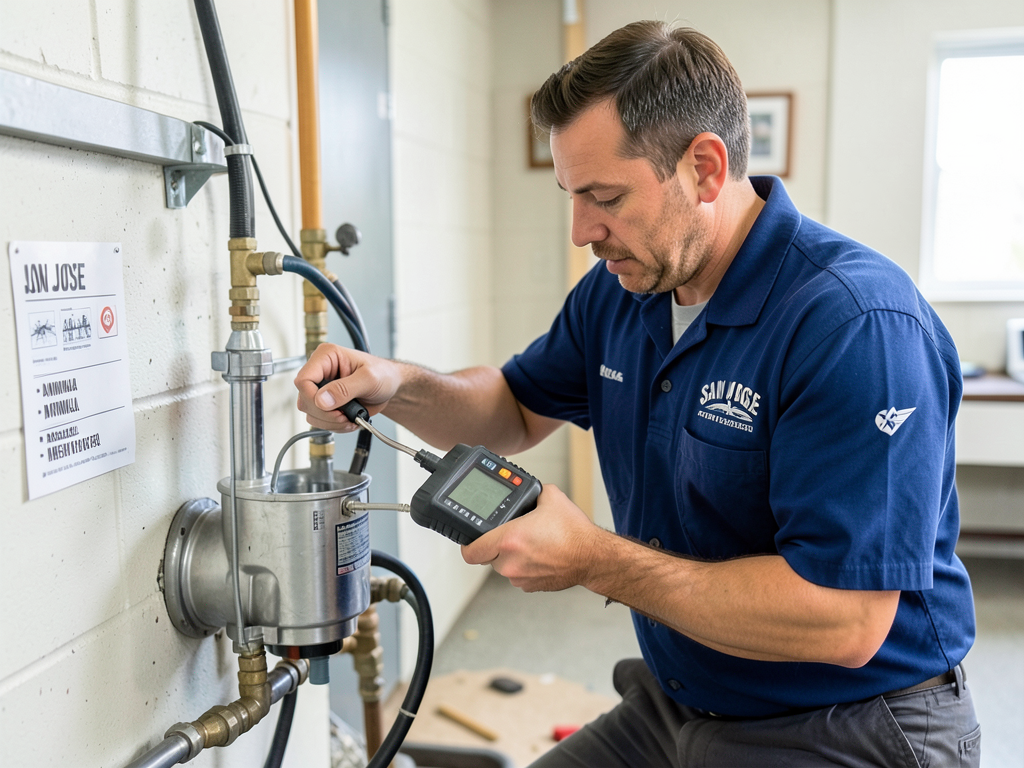
Professional maintenance should include testing the pump’s amp draw with a clamp meter. A healthy submersible pump typically draws 5-8 amps. Readings outside this range indicate motor wear or electrical issues. The technician should also measure discharge pressure—normal systems produce 20-40 PSI depending on lift height.. Read more about Dealing with drainage issues in low-lying properties near Coyote Creek.
Clean the basin interior using a wet vacuum to remove sludge and debris. Inspect the float switch for free movement and test it manually by lifting it to ensure the pump activates. Check the check valve for debris and proper sealing. A failing check valve allows sewage to flow back into the basin, causing the pump to cycle unnecessarily.
Test the high-water alarm by lifting the float until it activates. Replace backup batteries annually—most systems use 9-volt batteries that last 1-2 years. Inspect the vent pipe for blockages and ensure the basin cover seals properly to prevent sewer gas infiltration.
DIY Maintenance vs. Professional Service
Homeowners can perform basic visual inspections and test the alarm system. However, tasks requiring electrical testing, pump removal, or basin cleaning should be handled by licensed plumbers. The San Jose Municipal Code requires that any work on sewage systems follow specific safety protocols to prevent contamination. Getting help from a 24 hour plumber in South San Jose right now.
Professional service includes camera inspection of discharge pipes to identify root intrusion or pipe damage. Technicians use specialized tools to measure pump performance metrics that homeowners cannot access. They also carry proper personal protective equipment for handling raw sewage, which contains harmful bacteria including E. coli and Salmonella.
The cost of professional maintenance typically runs $150-300 annually. Compare this to cleanup costs that can exceed $5,000 for a single sewage backup, plus potential mold remediation and tenant relocation expenses.
Common Failure Causes and Prevention
Flushable wipes cause 60% of pump failures in rental properties. Despite marketing claims, these products don’t break down like toilet paper and create fibrous clogs in pump impellers. Grease from kitchen sinks solidifies in discharge pipes, creating blockages that force pumps to work harder until they burn out.
Power outages during winter storms can disable pumps for hours. Installing a battery backup system provides 4-8 hours of continued operation during outages. Some modern systems include WiFi connectivity that sends alerts to your phone when the pump activates or if it detects abnormal conditions.
Improper pump sizing causes premature failure. A pump rated for a single bathroom struggles when multiple tenants use fixtures simultaneously. Calculate peak demand by adding fixture units—each toilet counts as 4 units, each sink as 2 units. Total demand should not exceed the pump’s capacity by more than 20%.
Emergency Response Plan for Property Managers
Create a written emergency response plan that includes shut-off procedures and contact information. Post clear instructions in the basement showing how to locate the pump’s circuit breaker and main water shut-off valve. Keep a wet vacuum and rubber gloves accessible for minor overflows.
Establish relationships with 24/7 emergency plumbing services before disasters occur. Response time matters—raw sewage damage worsens by the minute. Heritage Plumbing San Jose offers emergency service throughout the Horace Mann area with average arrival times under 45 minutes. Plumbing Palo Alto.
Document all maintenance activities in a property log. This creates a maintenance history that helps diagnose recurring issues and provides documentation for insurance claims if failures occur despite proper maintenance.
Cost-Benefit Analysis of Maintenance Plans
Consider a typical Horace Mann duplex with two basement units. Annual maintenance costs run $250-400. Without maintenance, the probability of pump failure within five years approaches 60%. A single backup cleanup costs $3,000-8,000, plus potential lost rent during repairs and tenant relocation costs of $1,000-2,000. EPA guidelines.
Maintenance extends pump life from 5-7 years to 10-12 years. Replacement costs run $1,500-3,000 installed. By doubling pump lifespan through maintenance, you save $750-1,500 per pump over ten years. Add in avoided cleanup costs and the net savings exceed $5,000 per property over a decade.
Insurance companies often offer premium discounts for properties with documented maintenance plans. Some policies exclude sewage backup damage if regular maintenance isn’t performed, leaving property owners fully responsible for cleanup costs.
Modern Smart Pump Technology
Smart ejector pumps now include WiFi connectivity and mobile app monitoring. These systems track pump cycles, power consumption, and alarm status in real-time. You receive instant alerts when the pump activates, if it runs longer than normal, or if the alarm sounds.
Advanced models include predictive maintenance algorithms that analyze pump performance trends. The system can alert you weeks before failure occurs, allowing scheduled replacement during convenient times rather than emergency repairs. Some systems integrate with smart home platforms to automatically shut off water supply if a backup is detected.
While smart pumps cost 30-50% more upfront, they can prevent catastrophic failures and provide peace of mind for remote property owners who can’t check properties daily.
Local Building Code Requirements
The San Jose Municipal Code Section 15.03.050 requires proper venting for all sewage ejector systems. Vents must terminate above the roof line and be at least 2 inches in diameter. The code also mandates that pump basins be airtight with gasketed covers to prevent sewer gas infiltration.
California Plumbing Code Section 1017 requires that discharge pipes from ejector pumps be a minimum of 2 inches in diameter and slope continuously upward. Check valves must be accessible for inspection and replacement. The code prohibits direct connection of ejector pump discharges to floor drains or other drainage systems. Plumbing Los Altos Hills.
Permits are required for pump replacement or major repairs. The Santa Clara County Department of Environmental Health must inspect installations to ensure compliance with health and safety standards.
Creating Your Maintenance Schedule
Establish a quarterly inspection routine for rental properties. Check for unusual sounds, test the alarm, and inspect for visible leaks. Schedule professional maintenance annually, preferably in late summer when groundwater levels are lowest and technicians are less busy.
Keep a maintenance log that includes pump model number, installation date, and all service records. Take photos during each inspection to document the pump’s condition over time. This information helps technicians diagnose issues more quickly and provides documentation for warranty claims.
Train tenants on proper usage. Provide written guidelines about what not to flush and post them near basement bathrooms. Include ejector pump information in your lease agreement so tenants understand the system’s importance and their responsibility to report problems immediately.
Frequently Asked Questions
How often should sewage ejector pumps be serviced?
Professional servicing should occur annually for most residential properties. High-use rental properties or those with older systems benefit from semi-annual inspections. Quarterly visual checks by property managers help catch developing issues early.
What causes sewage ejector pumps to fail prematurely?
Common causes include flushable wipes creating impeller clogs, calcium scale buildup from hard water, power outages without battery backup, and improper pump sizing for the property’s wastewater volume. Tree root intrusion in shared sewer lines also forces pumps to work harder than designed.
Can I install a sewage ejector pump myself?
California Plumbing Code requires licensed plumbers for sewage system installations. Improper installation can cause health hazards, code violations, and system failures. DIY installations also void manufacturer warranties and may not qualify for insurance coverage. Plumbing Mountain View.
How long do sewage ejector pumps typically last?
With proper maintenance, submersible ejector pumps last 10-15 years. Neglected systems may fail in 3-5 years. Pump lifespan depends on usage patterns, water quality, and whether the system was properly sized for the property’s needs.
What should I do if my ejector pump alarm goes off?
First, stop using water fixtures in the affected area to prevent overflow. Check if the pump is receiving power by verifying the circuit breaker hasn’t tripped. If the alarm continues, contact emergency plumbing services immediately. Most alarms provide 15-30 minutes of warning before overflow occurs.. Read more about Planning the plumbing for a new hair salon or home studio in Almaden Valley.
Take Action Before Disaster Strikes
Don’t wait for sewage to back up into your rental property. The cost of prevention is always less than the cost of cleanup and tenant displacement. Heritage Plumbing San Jose has served the Horace Mann area for over 15 years, handling everything from routine maintenance to emergency pump replacements.
Our technicians understand the specific challenges of San Jose’s clay soils, hard water, and aging infrastructure. We provide detailed maintenance reports and can help you create a customized service plan for your property’s needs.
Call (408) 381-5355 today to schedule your ejector pump inspection. Our team will evaluate your system’s condition, test all safety features, and provide recommendations to prevent costly failures. Don’t let a preventable problem turn into an emergency that disrupts your tenants and damages your property.
Pick up the phone and call (408) 381-5355 before the next heavy rain or before your pump’s bearings finally give out. A quick inspection now can save you thousands in cleanup costs and keep your rental property running smoothly.
{
“@context”: “https://schema.org”,
“@type”: “BlogPosting”,
“headline”: “Why Your Horace Mann Rental Property Needs a Sewage Ejector Pump Maintenance Plan”,
“description”: “Protect your Horace Mann rental from sewage backups with expert ejector pump maintenance. Learn San Jose-specific risks, warning signs, and when to call Heritage Plumbing.”,
“wordCount”: 1973,
“datePublished”: “2026-05-08T12:23:00.000Z”,
“dateModified”: “2026-05-08T12:23:00.000Z”,
“inLanguage”: “en-US”,
“mainEntityOfPage”: {
“@type”: “WebPage”,
“@id”: “https://heritageplumbingsanjose.com”
},
“publisher”: {
“@type”: “LocalBusiness”,
“name”: “Heritage Plumbing San Jose”,
“url”: “https://heritageplumbingsanjose.com”
},
“author”: {
“@type”: “Organization”,
“name”: “Heritage Plumbing San Jose”,
“url”: “https://heritageplumbingsanjose.com”
},
“image”: {
“@type”: “ImageObject”,
“url”: “https://heritageplumbingsanjose.com/wp-content/uploads/2026/03/why-your-horace-mann-rental-property-needs-a-sewag-1.png”
}
}
{
“@context”: “https://schema.org”,
“@type”: “Plumber”,
“name”: “Heritage Plumbing San Jose”,
“url”: “https://heritageplumbingsanjose.com”,
“address”: {
“@type”: “PostalAddress”,
“addressLocality”: “San Jose”
},
“areaServed”: {
“@type”: “City”,
“name”: “San Jose”
}
}
{
“@context”: “https://schema.org”,
“@type”: “FAQPage”,
“mainEntity”: [
{
“@type”: “Question”,
“name”: “How often should sewage ejector pumps be serviced?”,
“acceptedAnswer”: {
“@type”: “Answer”,
“text”: “Professional servicing should occur annually for most residential properties. High-use rental properties or those with older systems benefit from semi-annual inspections. Quarterly visual checks by property managers help catch developing issues early.”
}
},
{
“@type”: “Question”,
“name”: “What causes sewage ejector pumps to fail prematurely?”,
“acceptedAnswer”: {
“@type”: “Answer”,
“text”: “Common causes include flushable wipes creating impeller clogs, calcium scale buildup from hard water, power outages without battery backup, and improper pump sizing for the property’s wastewater volume. Tree root intrusion in shared sewer lines also forces pumps to work harder than designed.”
}
},
{
“@type”: “Question”,
“name”: “Can I install a sewage ejector pump myself?”,
“acceptedAnswer”: {
“@type”: “Answer”,
“text”: “California Plumbing Code requires licensed plumbers for sewage system installations. Improper installation can cause health hazards, code violations, and system failures. DIY installations also void manufacturer warranties and may not qualify for insurance coverage. Plumbing Mountain View.”
}
},
{
“@type”: “Question”,
“name”: “How long do sewage ejector pumps typically last?”,
“acceptedAnswer”: {
“@type”: “Answer”,
“text”: “With proper maintenance, submersible ejector pumps last 10-15 years. Neglected systems may fail in 3-5 years. Pump lifespan depends on usage patterns, water quality, and whether the system was properly sized for the property’s needs.”
}
},
{
“@type”: “Question”,
“name”: “What should I do if my ejector pump alarm goes off?”,
“acceptedAnswer”: {
“@type”: “Answer”,
“text”: “First, stop using water fixtures in the affected area to prevent overflow. Check if the pump is receiving power by verifying the circuit breaker hasn’t tripped. If the alarm continues, contact emergency plumbing services immediately. Most alarms provide 15-30 minutes of warning before overflow occurs.”
}
}
]
}
{
“@context”: “https://schema.org”,
“@type”: “BreadcrumbList”,
“itemListElement”: [
{
“@type”: “ListItem”,
“position”: 1,
“name”: “Home”,
“item”: “https://heritageplumbingsanjose.com”
},
{
“@type”: “ListItem”,
“position”: 2,
“name”: “Blog”,
“item”: “https://heritageplumbingsanjose.com/blog”
},
{
“@type”: “ListItem”,
“position”: 3,
“name”: “Why Your Horace Mann Rental Property Needs a Sewage Ejector Pump Maintenance Plan”
}
]
}
{
“@context”: “https://schema.org”,
“@type”: “Service”,
“serviceType”: “Plumbing”,
“provider”: {
“@type”: “LocalBusiness”,
“name”: “Heritage Plumbing San Jose”,
“url”: “https://heritageplumbingsanjose.com”
},
“areaServed”: {
“@type”: “City”,
“name”: “San Jose”
},
“description”: “Protect your Horace Mann rental from sewage backups with expert ejector pump maintenance. Learn San Jose-specific risks, warning signs, and when to call Heritage Plumbing.”
}