
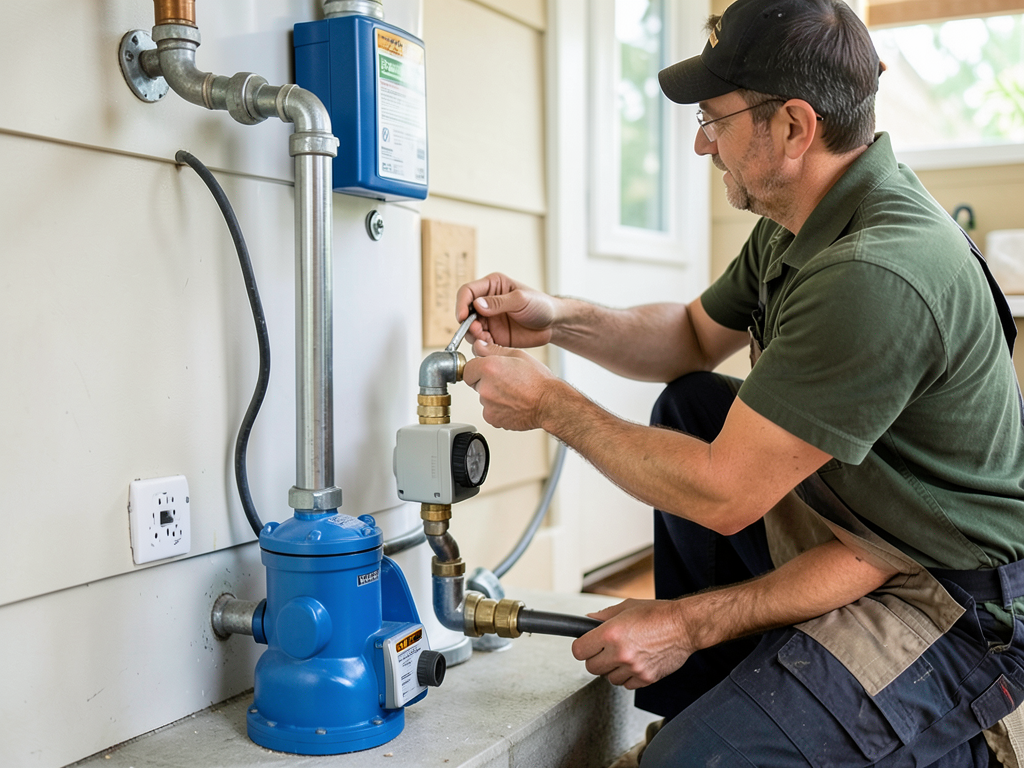
Why you should install a hot water recirculating pump in your Evergreen house
Living in Evergreen means enjoying spacious suburban homes with modern amenities. But if you have ever stood at the kitchen sink waiting for hot water to reach the faucet, you know the frustration of wasted time and water. A hot water recirculating pump eliminates that wait by keeping hot water moving through your pipes so it is ready the moment you turn on the tap. This simple upgrade delivers instant hot water, reduces water waste by thousands of gallons per year, and can lower your utility bills. For Evergreen homeowners dealing with larger floor plans and longer pipe runs, the benefits are even more pronounced. Protecting your Evergreen basement with professional sump pump repair.
California’s ongoing drought concerns make water conservation a priority for every household. The Santa Clara Valley Water District estimates that a typical home can waste up to 12,000 gallons annually waiting for hot water to arrive. In a region where every drop counts, installing a recirculating pump is both an environmental and financial win. Plus, modern systems are designed to work efficiently with both tank and tankless water heaters, making them a versatile solution for any Evergreen home. Santa Clara Valley Water District.
How a hot water recirculating pump works
A recirculating pump moves hot water from your water heater through the plumbing system and back again. This creates a continuous loop that keeps hot water available at every fixture. The pump can be controlled by a timer, thermostat, or motion sensor to operate only when needed, maximizing efficiency. In homes without a dedicated return line, under-sink bypass systems use the cold water line as the return path, making installation possible even in older homes. Plumbing Palo Alto.
The pump typically mounts near the water heater and pushes water through the hot water line. A check valve prevents cold water from mixing with the hot supply. When the water at the farthest fixture reaches the desired temperature, the pump shuts off automatically. This ensures you get instant hot water without wasting energy keeping the entire system hot all day.
Benefits of installing a recirculating pump in Evergreen
Evergreen homes often feature open floor plans and multiple bathrooms spread across large square footage. This layout means longer pipe runs and more wait time for hot water. A recirculating pump solves this by delivering hot water to every fixture within seconds. You will no longer waste water down the drain while waiting for it to heat up.
Water conservation is critical in Santa Clara County. By reducing the amount of cold water wasted while waiting for hot water, a recirculating system can save an average family up to 12,000 gallons per year. Over time, this adds up to significant savings on your water bill and helps protect our local water supply during drought conditions.
Energy efficiency is another key benefit. Modern recirculating pumps use as little as 25 to 50 watts of power, similar to a standard light bulb. When paired with a timer or thermostat, the system runs only when needed, minimizing electricity usage. Some homeowners report a reduction in their monthly utility bills after installation. City of San Jose Building Division.
Types of recirculating pump systems
Choosing the right system depends on your home’s plumbing layout and your hot water needs. There are two main categories: dedicated return line systems and under-sink bypass systems. Finding the right water heater replacement for your Almaden Valley home.
Dedicated return line systems require a separate pipe that runs from the farthest fixture back to the water heater. This creates a true loop and provides the most consistent hot water delivery. However, installing new plumbing lines can be costly and disruptive, especially in finished homes. Plumbing Los Altos Hills.
Under-sink bypass systems are more common in retrofit installations. These units install at the fixture farthest from the water heater and use the existing cold water line as the return path. When the water in the hot line cools below a set temperature, the pump activates and pushes the cooled water back through the cold line until hot water reaches the fixture.
Within these categories, you can choose between timer-controlled, thermostat-controlled, or motion-sensor-activated pumps. Timer systems run on a schedule, thermostat systems activate based on water temperature, and motion sensors turn the pump on when someone approaches the fixture.
Impact of San Jose hard water on pump longevity
San Jose’s water supply contains moderate to high levels of dissolved minerals, particularly calcium and magnesium. This hard water can cause scale buildup inside plumbing fixtures and appliances over time. For recirculating pumps, scale accumulation on the impeller can reduce efficiency and shorten the pump’s lifespan.
Professional installation includes selecting pumps with corrosion-resistant materials and ensuring proper water chemistry balance. Some systems feature built-in filters or scale inhibitors to protect internal components. Regular maintenance, such as flushing the system annually, can prevent mineral buildup and keep your pump running smoothly for years.
The Santa Clara Valley Water District recommends water softeners for homes with hardness levels above 7 grains per gallon. If your home falls into this category, consider installing a whole-house water softener alongside your recirculating pump to maximize both systems’ efficiency and longevity.
Installation process and what to expect
Professional installation ensures your recirculating pump operates safely and efficiently. The process typically begins with an assessment of your home’s plumbing layout and hot water usage patterns. The plumber will determine whether a dedicated return line is feasible or if an under-sink bypass system is more appropriate. Getting help from a 24 hour plumber in South San Jose right now.
Installation usually takes between two to four hours for a standard under-sink system. The plumber will mount the pump, connect it to the water heater and fixture, install the check valve, and set up the control mechanism. For dedicated return line systems, installation may take longer due to the additional plumbing work required.
After installation, the system undergoes pressure testing to check for leaks and proper operation. The plumber will program the control settings based on your household’s schedule and preferences. You will receive guidance on maintenance, including how to clean filters and when to schedule professional servicing.
Most installations require a plumbing permit from the City of San Jose Building Division, especially if new plumbing lines are being added. Your licensed plumber will handle permit acquisition and ensure the work complies with Santa Clara County plumbing codes.
Cost considerations and available rebates
The cost of installing a hot water recirculating pump varies based on the system type and installation complexity. Under-sink bypass systems typically range from $400 to $800 for parts and labor. Dedicated return line installations can cost $1,200 to $2,500 due to the additional plumbing work involved.
Several local utility companies offer rebates for water-saving devices. The Santa Clara Valley Water District occasionally provides rebates for recirculating pumps that meet specific efficiency standards. PG&E also offers incentives for energy-efficient home improvements. Check with your utility provider for current rebate programs and eligibility requirements.
While the upfront cost may seem significant, the water and energy savings typically offset the investment within two to three years. Factor in the convenience of instant hot water and the environmental benefits when making your decision.
Maintenance requirements for recirculating pumps
Hot water recirculating pumps require minimal maintenance to operate efficiently. The most important task is annual system flushing to remove sediment and mineral buildup. This involves shutting off the water supply, draining the system, and running clean water through the pump and lines.
Check the pump’s filter regularly if your system includes one. Clean or replace the filter according to the manufacturer’s recommendations to prevent debris from entering the pump. Listen for unusual noises, which may indicate bearing wear or impeller damage.
If you notice a drop in hot water pressure or temperature, it may signal a problem with the check valve or pump motor. These issues require professional diagnosis and repair to prevent further damage to your plumbing system.
Most recirculating pumps have a lifespan of 10 to 15 years with proper maintenance. Scheduling annual inspections with a licensed plumber can help identify potential issues before they become major problems.
Compatibility with tankless water heaters
Many Evergreen homeowners have switched to tankless water heaters for their energy efficiency. The good news is that recirculating pumps work with both tank and tankless systems. However, the installation approach differs slightly.
For tankless water heaters, the pump must be installed with a small buffer tank or thermal bypass valve. This prevents the tankless unit from firing up every time the pump circulates water, which would waste energy. The buffer tank stores a small amount of hot water that the pump can circulate without activating the heater.
Some manufacturers offer integrated systems specifically designed for tankless water heaters. These units combine the pump, bypass valve, and controls in a single package optimized for on-demand heating systems.
Professional installation is crucial for tankless-compatible systems to ensure proper integration and prevent damage to your expensive water heater.
Smart pump technology and automation
Modern recirculating pumps offer smart features that enhance convenience and efficiency. Wi-Fi-enabled pumps allow you to control the system from your smartphone, setting schedules, adjusting temperatures, and monitoring energy usage remotely.
Motion-sensor technology activates the pump only when someone approaches the fixture, eliminating unnecessary circulation. Some systems integrate with smart home platforms like Amazon Alexa or Google Home, allowing voice control and automation with other home systems.
Learning algorithms in advanced pumps can analyze your household’s hot water usage patterns and automatically adjust operation times for maximum efficiency. These systems can reduce energy consumption by up to 30 percent compared to basic timer-controlled models.
While smart pumps cost more upfront, the convenience and potential energy savings make them an attractive option for tech-savvy homeowners in Silicon Valley.
Comparing top recirculating pump brands
Several manufacturers produce reliable hot water recirculating pumps. Here is a comparison of the most popular options for San Jose homes.
| Brand | Model Type</n | Key Features | Best For | |
|---|---|---|---|---|
| Grundfos | Comfort Series | Timer/thermostat control, quiet operation | Standard residential use | |
| Watts | Premier Instant Hot Water | Under-sink installation, easy DIY | Retrofit applications | |
| Taco</n | Comfort Hot Water | Smart controls, energy monitoring | Tech-savvy homes | |
| AO Smith | Recirculating Pump Kit | Designed for AO Smith water heaters | Brand-matched systems |
Grundfos and Watts dominate the residential market due to their reliability and ease of installation. Taco offers more advanced features for homeowners wanting smart home integration. Always choose a pump with a stainless steel or bronze construction to resist corrosion from San Jose’s hard water.
Frequently Asked Questions
How much water does a recirculating pump save?
A typical household can save 8,000 to 12,000 gallons per year by eliminating the wait for hot water. The exact amount depends on your home’s size, the number of fixtures, and your water usage patterns.
Will a recirculating pump increase my electricity bill?
Modern pumps use 25 to 50 watts of power, adding only a few dollars to your monthly electricity bill. When paired with a timer or thermostat, the actual energy consumption is minimal compared to the water and energy savings from not running the tap while waiting for hot water.
Can I install a recirculating pump myself?
While some under-sink systems are marketed as DIY-friendly, professional installation is recommended. A licensed plumber ensures proper sizing, correct installation, code compliance, and optimal system performance. DIY installation may void warranties and could lead to leaks or water damage if not done correctly.
How long does installation take?
Standard under-sink installations typically take two to four hours. Dedicated return line systems may require a full day or more, depending on the complexity of the plumbing work required.
Is a permit required for installation?
Most installations require a plumbing permit from the City of San Jose Building Division, especially if new plumbing lines are being added. Your licensed plumber will handle permit acquisition and ensure the work meets all local codes.
How do I know if my home needs a recirculating pump?
Signs you need a recirculating pump include long wait times for hot water, wasting cold water while waiting, and having fixtures far from the water heater. Homes with multiple bathrooms or large square footage typically benefit the most.
Take the next step toward instant hot water
Stop wasting water and time waiting for hot water to reach your faucet. A professionally installed hot water recirculating pump delivers instant hot water, reduces your water bill, and helps conserve our precious California water resources. For Evergreen homeowners dealing with larger homes and longer pipe runs, this upgrade makes daily life more convenient while supporting environmental sustainability.
Heritage Plumbing San Jose has been serving South Bay homeowners for over 15 years. Our licensed plumbers understand the unique challenges of San Jose’s hard water and local building codes. We will assess your home’s needs, recommend the right system, handle all permitting, and ensure professional installation that lasts.
Call (408) 381-5355 today to schedule your free estimate and take the first step toward instant hot water throughout your Evergreen home. Our team is ready to help you save water, energy, and time with a recirculating pump system tailored to your specific needs.
Don’t wait another day to enjoy the convenience of instant hot water. Pick up the phone and call (408) 381-5355 now to speak with our plumbing experts about your recirculating pump installation options.
{
“@context”: “https://schema.org”,
“@type”: “BlogPosting”,
“headline”: “Why you should install a hot water recirculating pump in your Evergreen house”,
“description”: “Tired of waiting for hot water in your Evergreen home? Discover how a recirculating pump saves water, cuts energy costs, and delivers instant hot water with professional installation.”,
“wordCount”: 2243,
“datePublished”: “2026-04-20T10:29:00.000Z”,
“dateModified”: “2026-04-20T10:29:00.000Z”,
“inLanguage”: “en-US”,
“mainEntityOfPage”: {
“@type”: “WebPage”,
“@id”: “https://heritageplumbingsanjose.com”
},
“publisher”: {
“@type”: “LocalBusiness”,
“name”: “Heritage Plumbing San Jose”,
“url”: “https://heritageplumbingsanjose.com”
},
“author”: {
“@type”: “Organization”,
“name”: “Heritage Plumbing San Jose”,
“url”: “https://heritageplumbingsanjose.com”
},
“image”: {
“@type”: “ImageObject”,
“url”: “https://heritageplumbingsanjose.com/wp-content/uploads/2026/03/why-you-should-install-a-hot-water-recirculating-p-1.png”
}
}
{
“@context”: “https://schema.org”,
“@type”: “Plumber”,
“name”: “Heritage Plumbing San Jose”,
“url”: “https://heritageplumbingsanjose.com”,
“address”: {
“@type”: “PostalAddress”,
“addressLocality”: “San Jose”
},
“areaServed”: {
“@type”: “City”,
“name”: “San Jose”
}
}
{
“@context”: “https://schema.org”,
“@type”: “FAQPage”,
“mainEntity”: [
{
“@type”: “Question”,
“name”: “How much water does a recirculating pump save?”,
“acceptedAnswer”: {
“@type”: “Answer”,
“text”: “A typical household can save 8,000 to 12,000 gallons per year by eliminating the wait for hot water. The exact amount depends on your home’s size, the number of fixtures, and your water usage patterns.”
}
},
{
“@type”: “Question”,
“name”: “Will a recirculating pump increase my electricity bill?”,
“acceptedAnswer”: {
“@type”: “Answer”,
“text”: “Modern pumps use 25 to 50 watts of power, adding only a few dollars to your monthly electricity bill. When paired with a timer or thermostat, the actual energy consumption is minimal compared to the water and energy savings from not running the tap while waiting for hot water.”
}
},
{
“@type”: “Question”,
“name”: “Can I install a recirculating pump myself?”,
“acceptedAnswer”: {
“@type”: “Answer”,
“text”: “While some under-sink systems are marketed as DIY-friendly, professional installation is recommended. A licensed plumber ensures proper sizing, correct installation, code compliance, and optimal system performance. DIY installation may void warranties and could lead to leaks or water damage if not done correctly.”
}
},
{
“@type”: “Question”,
“name”: “How long does installation take?”,
“acceptedAnswer”: {
“@type”: “Answer”,
“text”: “Standard under-sink installations typically take two to four hours. Dedicated return line systems may require a full day or more, depending on the complexity of the plumbing work required.”
}
},
{
“@type”: “Question”,
“name”: “Is a permit required for installation?”,
“acceptedAnswer”: {
“@type”: “Answer”,
“text”: “Most installations require a plumbing permit from the City of San Jose Building Division, especially if new plumbing lines are being added. Your licensed plumber will handle permit acquisition and ensure the work meets all local codes.”
}
},
{
“@type”: “Question”,
“name”: “How do I know if my home needs a recirculating pump?”,
“acceptedAnswer”: {
“@type”: “Answer”,
“text”: “Signs you need a recirculating pump include long wait times for hot water, wasting cold water while waiting, and having fixtures far from the water heater. Homes with multiple bathrooms or large square footage typically benefit the most.”
}
}
]
}
{
“@context”: “https://schema.org”,
“@type”: “BreadcrumbList”,
“itemListElement”: [
{
“@type”: “ListItem”,
“position”: 1,
“name”: “Home”,
“item”: “https://heritageplumbingsanjose.com”
},
{
“@type”: “ListItem”,
“position”: 2,
“name”: “Blog”,
“item”: “https://heritageplumbingsanjose.com/blog”
},
{
“@type”: “ListItem”,
“position”: 3,
“name”: “Why you should install a hot water recirculating pump in your Evergreen house”
}
]
}
{
“@context”: “https://schema.org”,
“@type”: “Service”,
“serviceType”: “Plumbing”,
“provider”: {
“@type”: “LocalBusiness”,
“name”: “Heritage Plumbing San Jose”,
“url”: “https://heritageplumbingsanjose.com”
},
“areaServed”: {
“@type”: “City”,
“name”: “San Jose”
},
“description”: “Tired of waiting for hot water in your Evergreen home? Discover how a recirculating pump saves water, cuts energy costs, and delivers instant hot water with professional installation.”
}