
Smelling gas in your Japantown kitchen is a life-threatening emergency that demands immediate action. That rotten egg odor you detect is mercaptan, a chemical additive that makes naturally odorless methane detectable. Every second counts when dealing with a gas leak, and your first priority is getting everyone out safely before attempting to identify the source or calling for help. Getting rid of stubborn drain clogs in Berryessa for good.
Natural gas leaks in San Jose homes often occur due to aging infrastructure, seismic activity along the Hayward Fault, or faulty appliance connections. The dense urban environment of Japantown means gas lines run through older buildings with varying maintenance histories, making leaks more likely in certain areas. Your immediate response could prevent a catastrophic explosion or fire that would endanger not just your household but your entire neighborhood.
Immediate Danger: What to Do If You Smell Gas Right Now
If you detect that distinctive sulfur smell in your Japantown kitchen, your response needs to be automatic and decisive. Gas accumulates quickly in enclosed spaces, and even a small spark can trigger an explosion. Your priority is evacuation and calling for help from a safe distance.
- Leave Immediately
Don’t search for the leak source or try to ventilate the area. Exit the building with everyone inside, including pets. Leave doors open as you exit to allow gas to dissipate.
- Do Not Use Electronics
Avoid using phones, light switches, garage door openers, or any electrical devices inside the building. Even static electricity from clothing can ignite accumulated gas.
- Shut Off Gas if Safe
If you can reach your gas meter quickly without passing through the affected area, turn the main valve 90 degrees perpendicular to the pipe. This only works if the valve handle is parallel to the pipe when on.
- Call for Help
Once outside at a safe distance, call 911 and then PG&E’s emergency line at 1-800-743-5000. Do not return inside until emergency responders declare it safe. PG&E Gas Safety Information.
San Jose’s Japantown area has specific vulnerabilities due to its mix of older and newer construction. Many buildings along Jackson Street and Fifth Street were constructed before modern seismic gas shut-off valve requirements became standard. This means gas lines in these structures may lack automatic shut-off mechanisms that activate during earthquakes or sudden pressure drops.
The proximity to major infrastructure like Highway 101 and the 87 interchange means gas lines in Japantown often run parallel to transportation corridors, increasing the risk of damage from construction or accidents. Additionally, the area’s soil composition includes clay-rich deposits that expand and contract with moisture changes, potentially stressing underground gas lines over time.
Physical Symptoms of a Gas Leak in Humans and Pets
Gas leaks don’t just create environmental hazards—they directly impact human and animal health through oxygen displacement and chemical exposure. Understanding these symptoms helps you recognize problems even when the odor is faint or masked by other kitchen smells.
Acute exposure to high concentrations of natural gas produces immediate effects. You might experience sudden dizziness, severe headaches, nausea, or difficulty breathing. These symptoms often appear within minutes of entering a gas-contaminated space. The sensation is similar to sudden altitude sickness or extreme fatigue, but it comes on much faster and more intensely.
Low-level chronic exposure creates different symptoms that develop over days or weeks. Persistent headaches, especially in the morning, unexplained fatigue, nosebleeds, and skin irritation can all indicate a slow gas leak. Pets often show symptoms first since they’re closer to the floor where gas concentrations are highest. Watch for unusual lethargy, vomiting, or breathing difficulties in your animals.
Carbon monoxide poisoning from incomplete gas combustion presents differently. While natural gas leaks primarily displace oxygen, faulty appliances can produce CO, causing cherry-red lips, confusion, and loss of consciousness. This is why proper ventilation and regular appliance maintenance are critical in Japantown’s older buildings where original heating systems may still be in use.
Environmental Signs Around the Home
Gas leaks create visible and audible environmental changes that can alert you before you smell anything. These signs often appear gradually, making them easy to miss unless you know what to look for in your Japantown home’s specific conditions.
The classic rotten egg smell comes from mercaptan, but gas leaks don’t always produce strong odors. Faint hissing sounds near gas lines, appliances, or meters indicate escaping gas under pressure. In quiet Japantown kitchens, especially those in older buildings with less ambient noise, these sounds become more noticeable during early morning or late evening hours.
Plants provide early warning signs of gas leaks. Houseplants near gas lines or appliances may suddenly wilt or die despite proper care. Outdoor plants above underground gas lines can develop brown patches or die completely as escaping gas displaces oxygen in the soil. In Japantown’s urban gardens and balcony planters, unexplained plant deaths near gas meters warrant investigation.. Read more about Adding a Gas Line for Your New Outdoor Fire Pit in the Penitencia Creek Area.
Bubble tests reveal hidden leaks. Mix dish soap with water and apply it to suspected leak points. Rising bubbles indicate gas escape. This simple test works on pipe joints, appliance connectors, and meter connections. However, never perform this test if you strongly smell gas—evacuate instead.
Gas meters show consumption patterns that reveal leaks. Unexplained increases in your PG&E bill, especially during months when you’re not using gas appliances heavily, suggest a leak. Modern smart meters can detect abnormal usage patterns, but older meters in Japantown’s historic buildings require manual monitoring.
Common Causes of Gas Leaks in San Jose Properties
Understanding why gas leaks occur helps prevent them. San Jose’s unique combination of aging infrastructure, seismic activity, and specific building practices creates patterns of vulnerability that affect Japantown homes differently than newer developments.
Earthquake damage represents the most serious risk in seismically active areas. The Hayward Fault runs through the East Bay, but its effects reach San Jose, causing ground movement that can break gas line connections. California Building Code Section 1208.2.3.1 requires seismic shut-off valves on new gas installations, but many Japantown buildings predate this requirement. These older structures lack automatic safety mechanisms that could prevent gas flow during seismic events. California Gas Safety Regulations.
Appliance wear creates gradual leak development. Gas stoves, water heaters, and furnaces in Japantown’s older apartments and homes often have original connectors that deteriorate over decades. The rubber or brass connectors flex with each use, eventually developing microscopic cracks that grow into visible leaks. Regular inspection by licensed plumbers catches these issues before they become dangerous. Getting help from a 24 hour plumber in South San Jose right now.
Construction damage causes sudden, severe leaks. Japantown’s ongoing development and renovation projects occasionally damage underground gas lines. Even minor excavation work can rupture pipes if utility locations aren’t properly marked. The area’s mix of new construction and historic preservation creates situations where old and new infrastructure intersect, increasing damage risks.
Corrosion affects exposed gas lines, particularly in areas with high humidity or salt air exposure. While San Jose’s inland location reduces salt corrosion compared to coastal areas, the region’s temperature fluctuations cause metal expansion and contraction that weakens pipe joints over time. Japantown’s older buildings often have exposed gas lines in basements or utility areas that experience these stresses.
Gas Leak Detection and Professional Repair
Professional gas leak detection requires specialized equipment and expertise that goes far beyond simple bubble tests. Licensed plumbers use electronic sensors, pressure testing, and infrared technology to locate leaks with precision, even when they’re too small for homeowners to detect.
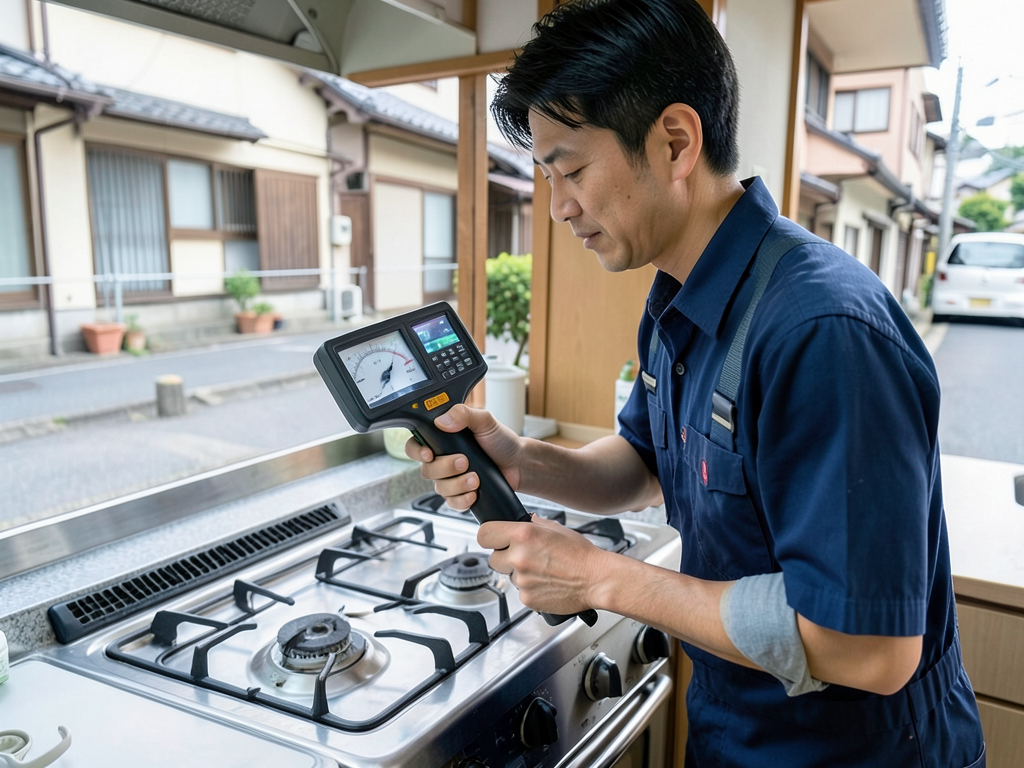
Electronic gas detectors measure methane concentrations in parts per million. These handheld devices can pinpoint leak locations within inches, even through walls or underground. Professional plumbers use combustible gas indicators that sound alarms when methane levels exceed safe thresholds. This technology is essential for finding leaks in Japantown’s older buildings where gas lines may be concealed behind multiple layers of renovation. Finding and fixing hidden pipe leaks in Cambrian Park houses.
Pressure testing reveals system integrity. Plumbers isolate sections of your gas system and pressurize them with air or nitrogen. Pressure drops indicate leaks, and the rate of pressure loss helps determine leak severity. This method works even when leaks are too small to produce detectable odors or sounds.
Infrared thermal imaging detects temperature differences caused by escaping gas. Gas leaks create cold spots as expanding gas absorbs heat from surrounding materials. Thermal cameras visualize these temperature variations, revealing leak locations behind walls or underground without destructive testing.
Professional repair involves more than just fixing the immediate leak. Licensed plumbers evaluate your entire gas system for vulnerabilities, checking all connections, valves, and appliances. They ensure repairs meet California Plumbing Code requirements and coordinate with PG&E for final safety certification before restoring gas service. Plumbing Palo Alto.
Prevention and Long-Term Safety
Preventing gas leaks requires ongoing vigilance and maintenance, especially in older Japantown buildings where infrastructure ages differently than in newer developments. Establishing safety routines protects your household and neighbors from the devastating effects of gas-related accidents.
Annual gas system inspections by licensed professionals catch developing problems before they become emergencies. These inspections include checking all appliance connections, testing shut-off valves, examining visible piping for corrosion or damage, and verifying proper ventilation for gas appliances. For Japantown’s older buildings, inspections should specifically evaluate whether seismic shut-off valves meet current California safety standards.
Appliance maintenance prevents many common leak sources. Gas stoves need regular cleaning to prevent food debris from blocking burner ports and causing incomplete combustion. Water heaters require annual flushing to prevent sediment buildup that can stress gas control valves. Professional servicing ensures all safety mechanisms function correctly and detects early signs of component wear.
Education protects your household. Everyone in your home should know the smell of mercaptan, understand emergency evacuation procedures, and recognize basic gas safety principles. Teach children to report unusual smells immediately and establish meeting points outside the building for emergency situations.
Documentation helps track system age and maintenance history. Keep records of appliance installation dates, repair history, and inspection reports. This information helps plumbers assess your system’s overall condition and recommend appropriate upgrades or replacements before failures occur.
Modern safety technology adds protection layers. Gas detectors provide early warning of leaks, carbon monoxide alarms detect dangerous combustion byproducts, and automatic shut-off valves can stop gas flow when sensors detect problems. These devices are particularly valuable in Japantown’s older buildings where original safety systems may be outdated.
Community awareness improves neighborhood safety. Share gas safety information with neighbors, especially in multi-unit buildings where one leak affects multiple households. Participate in neighborhood emergency preparedness programs and know your building’s evacuation procedures.
Professional relationships provide peace of mind. Establish connections with licensed plumbers before emergencies occur. Knowing who to call and having their contact information readily available reduces response time when seconds count. Heritage Plumbing San Jose offers 24/7 emergency service for gas leak situations throughout the South Bay area.
Remember that gas safety is everyone’s responsibility. A leak in one unit can affect an entire building, and community-wide awareness prevents small problems from becoming disasters. Stay vigilant, maintain your systems, and know that professional help is available when you need it.
If you smell gas in your Japantown kitchen right now, don’t wait. Evacuate immediately and call 911, then contact PG&E at 1-800-743-5000 from a safe location. For professional gas line inspection, repair, or seismic safety upgrades in your San Jose home, call Heritage Plumbing at (408) 381-5355. Our licensed plumbers are ready to help 24/7, because your family’s safety can’t wait. Finding the right water heater replacement for your Almaden Valley home.
Frequently Asked Questions
How can I tell if I have a gas leak if I don’t smell anything?
Gas leaks sometimes produce no odor due to odorant fade or very small leaks. Watch for unexplained dead plants near gas lines, hissing sounds, bubbles in standing water, or sudden increases in your gas bill. Electronic gas detectors provide the most reliable detection for odorless leaks.
Who is responsible for fixing a gas leak in my home?
PG&E is responsible for the gas line up to your meter. From the meter into your home and to your appliances, you’re responsible. Licensed plumbers handle indoor gas line repairs and appliance connections, while PG&E handles main line repairs and meter issues.
How long does it take to repair a gas leak?
Minor repairs might take 1-2 hours once the leak is located. Major repairs involving pipe replacement could take several hours or require multiple visits. After repairs, PG&E must inspect and restore service, which can add additional time depending on their availability.
{
“@context”: “https://schema.org”,
“@type”: “BlogPosting”,
“headline”: “What you need to do immediately if you smell gas in your Japantown kitchen”,
“description”: “Smelling gas in your Japantown kitchen? Follow these life-saving steps from a San Jose plumber before calling PG&E or emergency services.”,
“wordCount”: 2088,
“datePublished”: “2026-04-02T12:57:00.000Z”,
“dateModified”: “2026-04-02T12:57:00.000Z”,
“inLanguage”: “en-US”,
“mainEntityOfPage”: {
“@type”: “WebPage”,
“@id”: “https://heritageplumbingsanjose.com”
},
“publisher”: {
“@type”: “LocalBusiness”,
“name”: “Heritage Plumbing San Jose”,
“url”: “https://heritageplumbingsanjose.com”
},
“author”: {
“@type”: “Organization”,
“name”: “Heritage Plumbing San Jose”,
“url”: “https://heritageplumbingsanjose.com”
},
“image”: {
“@type”: “ImageObject”,
“url”: “https://heritageplumbingsanjose.com/wp-content/uploads/2026/03/what-you-need-to-do-immediately-if-you-smell-gas-i-1.png”
}
}
{
“@context”: “https://schema.org”,
“@type”: “Plumber”,
“name”: “Heritage Plumbing San Jose”,
“url”: “https://heritageplumbingsanjose.com”,
“address”: {
“@type”: “PostalAddress”,
“addressLocality”: “San Jose”
},
“areaServed”: {
“@type”: “City”,
“name”: “San Jose”
}
}
{
“@context”: “https://schema.org”,
“@type”: “FAQPage”,
“mainEntity”: [
{
“@type”: “Question”,
“name”: “How can I tell if I have a gas leak if I don’t smell anything?”,
“acceptedAnswer”: {
“@type”: “Answer”,
“text”: “Gas leaks sometimes produce no odor due to odorant fade or very small leaks. Watch for unexplained dead plants near gas lines, hissing sounds, bubbles in standing water, or sudden increases in your gas bill. Electronic gas detectors provide the most reliable detection for odorless leaks.”
}
},
{
“@type”: “Question”,
“name”: “Who is responsible for fixing a gas leak in my home?”,
“acceptedAnswer”: {
“@type”: “Answer”,
“text”: “PG&E is responsible for the gas line up to your meter. From the meter into your home and to your appliances, you’re responsible. Licensed plumbers handle indoor gas line repairs and appliance connections, while PG&E handles main line repairs and meter issues.”
}
},
{
“@type”: “Question”,
“name”: “How long does it take to repair a gas leak?”,
“acceptedAnswer”: {
“@type”: “Answer”,
“text”: “Minor repairs might take 1-2 hours once the leak is located. Major repairs involving pipe replacement could take several hours or require multiple visits. After repairs, PG&E must inspect and restore service, which can add additional time depending on their availability.”
}
}
]
}
{
“@context”: “https://schema.org”,
“@type”: “HowTo”,
“name”: “Emergency Gas Leak Protocol”,
“step”: [
{
“@type”: “HowToStep”,
“position”: 1,
“name”: “Leave Immediately”,
“text”: “Don’t search for the leak source or try to ventilate the area. Exit the building with everyone inside, including pets. Leave doors open as you exit to allow gas to dissipate.”
},
{
“@type”: “HowToStep”,
“position”: 2,
“name”: “Do Not Use Electronics”,
“text”: “Avoid using phones, light switches, garage door openers, or any electrical devices inside the building. Even static electricity from clothing can ignite accumulated gas.”
},
{
“@type”: “HowToStep”,
“position”: 3,
“name”: “Shut Off Gas if Safe”,
“text”: “If you can reach your gas meter quickly without passing through the affected area, turn the main valve 90 degrees perpendicular to the pipe. This only works if the valve handle is parallel to the pipe when on.”
},
{
“@type”: “HowToStep”,
“position”: 4,
“name”: “Call for Help”,
“text”: “Once outside at a safe distance, call 911 and then PG&E’s emergency line at 1-800-743-5000. Do not return inside until emergency responders declare it safe. PG&E Gas Safety Information.”
}
],
“image”: “https://heritageplumbingsanjose.com/wp-content/uploads/2026/03/what-you-need-to-do-immediately-if-you-smell-gas-i-1.png”
}
{
“@context”: “https://schema.org”,
“@type”: “BreadcrumbList”,
“itemListElement”: [
{
“@type”: “ListItem”,
“position”: 1,
“name”: “Home”,
“item”: “https://heritageplumbingsanjose.com”
},
{
“@type”: “ListItem”,
“position”: 2,
“name”: “Blog”,
“item”: “https://heritageplumbingsanjose.com/blog”
},
{
“@type”: “ListItem”,
“position”: 3,
“name”: “What you need to do immediately if you smell gas in your Japantown kitchen”
}
]
}
{
“@context”: “https://schema.org”,
“@type”: “Service”,
“serviceType”: “Plumbing”,
“provider”: {
“@type”: “LocalBusiness”,
“name”: “Heritage Plumbing San Jose”,
“url”: “https://heritageplumbingsanjose.com”
},
“areaServed”: {
“@type”: “City”,
“name”: “San Jose”
},
“description”: “Smelling gas in your Japantown kitchen? Follow these life-saving steps from a San Jose plumber before calling PG&E or emergency services.”
}