
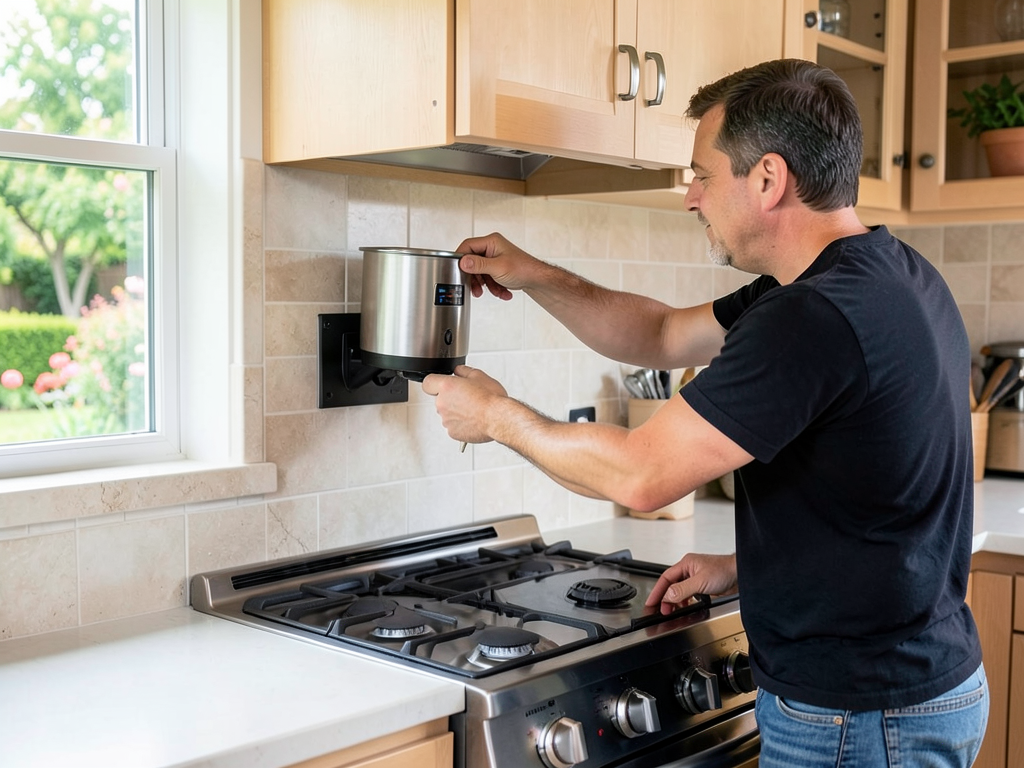
The best way to add a pot filler to your Rose Garden kitchen remodel
Adding a pot filler to your Rose Garden kitchen remodel requires precise plumbing modifications and knowledge of San Jose building codes. The right installation ensures your luxury fixture works flawlessly while protecting your historic home’s integrity. San Jose Plumbing Permit Requirements.
Rose Garden homeowners face unique challenges when installing pot fillers. The neighborhood’s mix of early 20th-century bungalows and mid-century ranches means each kitchen remodel requires careful assessment of existing plumbing infrastructure. Many homes have galvanized pipes that need replacement before adding new fixtures. Plumbing Palo Alto.
The best pot filler installation starts with a licensed plumber evaluating your current water lines. Most Rose Garden kitchens need a dedicated cold water line extension from the nearest supply pipe. This typically means cutting into walls near your stove to run new PEX or copper piping. Getting help from a 24 hour plumber in South San Jose right now.
Professional installation includes proper stub-out height, usually 12-18 inches above the range surface. This height allows easy access for large pots while preventing splashing. The plumber also installs a shut-off valve for emergency water control and tests the system for leaks before completing the job.
San Jose building codes require permits for new plumbing lines, even for luxury fixtures like pot fillers. A licensed plumber handles permit acquisition and ensures all work meets California Plumbing Code Section 609 requirements for fixture installations. California Plumbing Code Requirements.
Rose Garden kitchen plumbing considerations
Rose Garden’s mature trees and established infrastructure create specific plumbing challenges. Tree roots often infiltrate older sewer lines, making wall penetrations for new water lines more complex. Professional plumbers use specialized cameras to locate existing pipes before cutting. Plumbing Los Altos Hills.
Many Rose Garden homes built before 1970 have lead solder in their plumbing joints. Installing a pot filler requires replacing these sections to meet current safety standards. The California Plumbing Code mandates lead-free materials for all new installations. Plumbing Mountain View.
Water pressure in Rose Garden typically ranges from 40-60 PSI, suitable for most pot fillers. However, some homes near Bascom Avenue experience pressure fluctuations. Professional installation includes pressure testing to ensure consistent flow rates.
The neighborhood’s clay soil can cause foundation shifts over time. Quality pot filler installation accounts for this movement with flexible connections that prevent pipe stress and future leaks.
Pot filler types and mounting options
Wall-mounted pot fillers remain the most popular choice for Rose Garden kitchens. These fixtures fold flat against the wall when not in use, preserving the classic aesthetic of historic homes. Installation requires cutting into the backsplash and running water lines through wall cavities.
Deck-mounted pot fillers install directly on the countertop behind the range. This option works well for kitchen islands and modern remodels. The installation is less invasive since it doesn’t require wall penetration, but it does occupy valuable counter space.
Single-arm pot fillers offer simplicity with one water source, while dual-arm models provide hot and cold water options. Most Rose Garden homeowners choose single-arm models to avoid the complexity of running hot water lines to the stove area.
Material selection impacts both function and style. Stainless steel pot fillers resist corrosion and match most kitchen appliances. Brushed nickel and oil-rubbed bronze finishes complement historic home details common in Rose Garden.
Installation process and timeline
Professional pot filler installation typically takes 4-6 hours for straightforward jobs. Complex installations in older homes may require two days, especially if wall repairs are needed.
The process begins with water shut-off and pipe preparation. Plumbers locate the nearest cold water supply line, usually under the kitchen sink or in an adjacent wall. They cut into the existing line and install a T-fitting to create the new water source.
Next comes the rough-in installation. The plumber runs new piping through wall cavities to the stove area, installs the shut-off valve, and creates the stub-out for the pot filler. All connections are tested under pressure to check for leaks.
Finally, the pot filler fixture mounts to the wall or countertop. The plumber connects the final fittings, tests water flow, and ensures proper operation of the folding arm mechanism.
Cost factors for Rose Garden installations
Pot filler installation costs in Rose Garden typically range from $800 to $2,500, depending on complexity. Basic installations in newer homes with accessible plumbing run toward the lower end.. Read more about Planning the plumbing for your new outdoor kitchen in Willow Glen.
Older homes with galvanized pipes often require complete water line replacement, adding $1,000-$2,000 to the project. Wall repairs, especially in historic homes with plaster walls, increase costs by $300-$600.
Permit fees for new plumbing lines in San Jose average $150-$300. Professional plumbers include permit acquisition in their quotes, ensuring all work meets local code requirements.
High-end pot fillers from brands like Delta, Moen, or Kohler add $300-$1,000 to the total cost. These fixtures offer better warranties and more durable construction than budget options.
San Jose permit requirements
California Plumbing Code Section 109.1 requires permits for new water line installations. San Jose Environmental Services Agency enforces these requirements to ensure public health and safety.
The permit process involves submitting detailed plumbing plans showing fixture locations, pipe routing, and material specifications. Licensed plumbers handle this paperwork as part of their service.
Inspectors verify proper pipe sizing, material compliance, and fixture installation during the rough-in and final inspection phases. This oversight protects homeowners from substandard work that could cause water damage.
Unpermitted work can result in fines up to $500 per day and may void homeowner’s insurance coverage if water damage occurs. Professional installation includes all necessary permits and inspections.
Common installation mistakes to avoid
Incorrect stub-out height causes the most frequent installation problems. Pot fillers mounted too low splash water onto the range, while those too high are difficult to use. Professional plumbers follow manufacturer specifications and local building practices.
Using incorrect pipe materials leads to premature failures. Galvanized pipes corrode from the inside, reducing water flow over time. PEX piping offers flexibility and resistance to mineral buildup, making it ideal for pot filler installations.
Skipping pressure testing allows small leaks to develop into major problems. Professional installation includes testing at 150% of normal operating pressure to identify weak points before walls close up.
Ignoring seismic requirements can cause fixture damage during earthquakes. California Plumbing Code Section 609.3 requires flexible connections to accommodate building movement.
Maintenance and troubleshooting
Pot fillers require minimal maintenance when properly installed. The main task is checking the shut-off valve annually to ensure it operates smoothly in case of emergencies.
Hard water in San Jose can cause mineral buildup on pot filler nozzles. Monthly cleaning with vinegar solution removes deposits and maintains smooth water flow.
Leaking at the wall connection often indicates improper installation or pipe movement. This requires immediate attention to prevent water damage to walls and cabinets.
If the pot filler arm becomes difficult to move, the internal joint may need lubrication. Most manufacturers recommend silicone-based lubricants for smooth operation.
Kitchen remodel coordination
Pot filler installation works best during kitchen remodels before backsplash installation. This timing allows plumbers to run pipes through wall cavities without damaging finished surfaces.
Coordinating with electricians ensures proper placement of outlets and lighting around the new fixture. The pot filler location should complement the overall kitchen workflow and design.
Countertop templating requires knowing the final pot filler location. Professional plumbers work with remodelers to ensure accurate measurements and proper clearance for the folding arm mechanism.
Painting and finishing should occur after plumbing installation to avoid damaging the new fixture during construction work.
Frequently Asked Questions
Can I install a pot filler myself?
DIY pot filler installation violates San Jose building codes and California Plumbing Code requirements. Improper installation can cause water damage, void warranties, and create safety hazards. Professional installation ensures code compliance and protects your investment.
How far from the stove should a pot filler be?
Most pot fillers mount 12-18 inches above the cooking surface. This height provides clearance for large pots while preventing splashing. The exact distance depends on your range height and pot filler model specifications.
Does a pot filler need hot water?
Most pot fillers use only cold water, which is sufficient for filling pots. Hot water lines require additional plumbing complexity and increase installation costs. Cold water works fine for most cooking applications.
How long does installation take?
Simple installations take 4-6 hours. Complex jobs in older homes may require two days, especially if wall repairs or pipe replacements are needed. Your plumber provides specific timelines after evaluating your kitchen layout.
Will installation damage my walls?
Professional installation minimizes wall damage through careful planning and precise cutting. Plumbers use stud finders and wall cameras to locate existing utilities before cutting. Minor drywall repairs are typically included in the installation cost.
What permits are required?
San Jose requires permits for new plumbing lines under California Plumbing Code Section 109.1. Professional plumbers handle permit acquisition and ensure all work meets local code requirements. Unpermitted work can result in fines and insurance issues.
Ready to upgrade your Rose Garden kitchen?
Professional pot filler installation transforms your cooking experience while adding value to your Rose Garden home. Licensed plumbers handle everything from permit acquisition to final testing, ensuring your new fixture works perfectly for years to come.
Don’t risk water damage or code violations with DIY installation. Call (408) 381-5355 today to schedule your pot filler consultation. Our experienced team serves all of Rose Garden and surrounding San Jose neighborhoods with quality workmanship and guaranteed results.
Pick up the phone and call (408) 381-5355 before your next kitchen remodel. We’ll help you choose the perfect pot filler and ensure professional installation that meets all San Jose building codes.
{
“@context”: “https://schema.org”,
“@type”: “BlogPosting”,
“headline”: “The best way to add a pot filler to your Rose Garden kitchen remodel”,
“description”: “Professional pot filler installation in Rose Garden kitchens. Learn local plumbing codes, installation costs, and why licensed plumbers are essential for your San Jose remodel.”,
“wordCount”: 1616,
“datePublished”: “2026-04-21T12:14:00.000Z”,
“dateModified”: “2026-04-21T12:14:00.000Z”,
“inLanguage”: “en-US”,
“mainEntityOfPage”: {
“@type”: “WebPage”,
“@id”: “https://heritageplumbingsanjose.com”
},
“publisher”: {
“@type”: “LocalBusiness”,
“name”: “Heritage Plumbing San Jose”,
“url”: “https://heritageplumbingsanjose.com”
},
“author”: {
“@type”: “Organization”,
“name”: “Heritage Plumbing San Jose”,
“url”: “https://heritageplumbingsanjose.com”
},
“image”: {
“@type”: “ImageObject”,
“url”: “https://heritageplumbingsanjose.com/wp-content/uploads/2026/03/the-best-way-to-add-a-pot-filler-to-your-rose-gard-1.png”
}
}
{
“@context”: “https://schema.org”,
“@type”: “Plumber”,
“name”: “Heritage Plumbing San Jose”,
“url”: “https://heritageplumbingsanjose.com”,
“address”: {
“@type”: “PostalAddress”,
“addressLocality”: “San Jose”
},
“areaServed”: {
“@type”: “City”,
“name”: “San Jose”
}
}
{
“@context”: “https://schema.org”,
“@type”: “FAQPage”,
“mainEntity”: [
{
“@type”: “Question”,
“name”: “Can I install a pot filler myself?”,
“acceptedAnswer”: {
“@type”: “Answer”,
“text”: “DIY pot filler installation violates San Jose building codes and California Plumbing Code requirements. Improper installation can cause water damage, void warranties, and create safety hazards. Professional installation ensures code compliance and protects your investment.”
}
},
{
“@type”: “Question”,
“name”: “How far from the stove should a pot filler be?”,
“acceptedAnswer”: {
“@type”: “Answer”,
“text”: “Most pot fillers mount 12-18 inches above the cooking surface. This height provides clearance for large pots while preventing splashing. The exact distance depends on your range height and pot filler model specifications.”
}
},
{
“@type”: “Question”,
“name”: “Does a pot filler need hot water?”,
“acceptedAnswer”: {
“@type”: “Answer”,
“text”: “Most pot fillers use only cold water, which is sufficient for filling pots. Hot water lines require additional plumbing complexity and increase installation costs. Cold water works fine for most cooking applications.”
}
},
{
“@type”: “Question”,
“name”: “How long does installation take?”,
“acceptedAnswer”: {
“@type”: “Answer”,
“text”: “Simple installations take 4-6 hours. Complex jobs in older homes may require two days, especially if wall repairs or pipe replacements are needed. Your plumber provides specific timelines after evaluating your kitchen layout.”
}
},
{
“@type”: “Question”,
“name”: “Will installation damage my walls?”,
“acceptedAnswer”: {
“@type”: “Answer”,
“text”: “Professional installation minimizes wall damage through careful planning and precise cutting. Plumbers use stud finders and wall cameras to locate existing utilities before cutting. Minor drywall repairs are typically included in the installation cost.”
}
},
{
“@type”: “Question”,
“name”: “What permits are required?”,
“acceptedAnswer”: {
“@type”: “Answer”,
“text”: “San Jose requires permits for new plumbing lines under California Plumbing Code Section 109.1. Professional plumbers handle permit acquisition and ensure all work meets local code requirements. Unpermitted work can result in fines and insurance issues.”
}
},
{
“@type”: “Question”,
“name”: “Ready to upgrade your Rose Garden kitchen?”,
“acceptedAnswer”: {
“@type”: “Answer”,
“text”: “Professional pot filler installation transforms your cooking experience while adding value to your Rose Garden home. Licensed plumbers handle everything from permit acquisition to final testing, ensuring your new fixture works perfectly for years to come.”
}
}
]
}
{
“@context”: “https://schema.org”,
“@type”: “BreadcrumbList”,
“itemListElement”: [
{
“@type”: “ListItem”,
“position”: 1,
“name”: “Home”,
“item”: “https://heritageplumbingsanjose.com”
},
{
“@type”: “ListItem”,
“position”: 2,
“name”: “Blog”,
“item”: “https://heritageplumbingsanjose.com/blog”
},
{
“@type”: “ListItem”,
“position”: 3,
“name”: “The best way to add a pot filler to your Rose Garden kitchen remodel”
}
]
}
{
“@context”: “https://schema.org”,
“@type”: “Service”,
“serviceType”: “Plumbing”,
“provider”: {
“@type”: “LocalBusiness”,
“name”: “Heritage Plumbing San Jose”,
“url”: “https://heritageplumbingsanjose.com”
},
“areaServed”: {
“@type”: “City”,
“name”: “San Jose”
},
“description”: “Professional pot filler installation in Rose Garden kitchens. Learn local plumbing codes, installation costs, and why licensed plumbers are essential for your San Jose remodel.”
}