
Repairing a Sewer Line Belly Under Your Sunol-Midtown Property
A sewer line belly is a sag or low spot in your underground sewer pipe that collects waste and water instead of allowing it to flow freely to the main sewer line. This creates a chronic problem for Sunol-Midtown homeowners because the standing water becomes a breeding ground for clogs, tree roots, and foul odors. The issue stems from soil settling beneath your pipe, causing it to lose its proper slope and create a trap for debris.
The expansive clay soils common throughout San Jose’s older neighborhoods shift and settle over time, particularly in areas with a history of construction or fill dirt. When this happens under your sewer lateral, the pipe develops a belly that prevents normal wastewater flow. Unlike a simple clog that can be cleared with a drain snake, a belly requires structural repair to restore the pipe’s proper grade and eliminate the standing water pocket. San Jose Municipal Code Section 15.04.400.
Why Sunol-Midtown Homes Are Vulnerable to Sewer Line Bellies
Sunol-Midtown sits on land that was originally marsh and creek areas before development in the early 1900s. Many properties here were built on fill dirt that has been settling for over a century. The combination of expansive clay soil, aging infrastructure, and the area’s proximity to former waterways creates perfect conditions for sewer line bellies to develop.
The neighborhood’s mix of early 20th century bungalows and mid-century homes means most sewer lines are made from clay or cast iron pipes that are now 50-100 years old. These materials are particularly susceptible to soil movement and cracking, which accelerates belly formation. The soil composition in this area contains high clay content that expands when wet and contracts when dry, causing constant shifting beneath your underground pipes.
Additionally, the area’s older tree canopy means extensive root systems are searching for water sources, often finding small cracks in sewer pipes and making bellies worse over time. The combination of soil movement, pipe age, and root intrusion creates a perfect storm for chronic sewer problems in Sunol-Midtown properties. Finding and fixing hidden pipe leaks in Cambrian Park houses.
Common Symptoms of a Sewer Line Belly
Recurring drain clogs that return within weeks of clearing are often the first sign of a belly. You might notice multiple drains backing up simultaneously, or hear gurgling sounds from toilets when other fixtures are used. Foul odors emanating from drains or your yard can indicate standing wastewater in a belly section.
Another telltale symptom is when hydro-jetting or drain cleaning provides only temporary relief. If your plumber clears a blockage but the problem returns quickly, it’s likely because the belly is still holding water and debris. The standing water creates a perfect environment for grease, soap scum, and other materials to accumulate, causing repeated clogs. Getting help from a 24 hour plumber in South San Jose right now.
Outside your home, you might notice unusually lush patches of grass or vegetation near your sewer line path, indicating a leak from a damaged section. In some cases, you may even see wastewater surfacing in your yard during heavy water usage periods like laundry days or when multiple fixtures are running.
Professional Video Camera Inspection Process
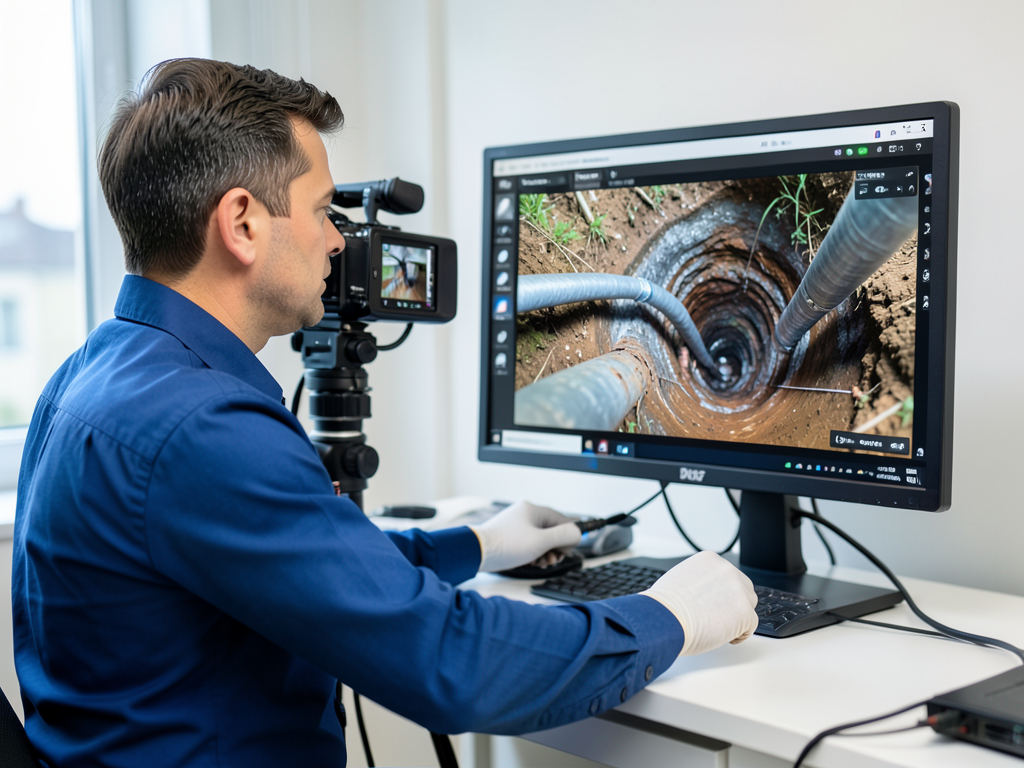
The only way to definitively diagnose a sewer line belly is through a professional video camera inspection. Our technicians insert a high-definition camera mounted on a flexible cable into your sewer line, allowing us to see exactly what’s happening underground. The camera displays real-time video on a monitor, showing pipe conditions, blockages, and any sags or bellies.
During the inspection, we look for specific indicators of a belly: standing water visible on the camera, changes in pipe diameter, and areas where the camera moves slowly or gets stuck. The technician can measure the depth of any sag and determine if it’s severe enough to require repair. We also check for pipe damage, root intrusion, and joint separation that might be contributing to the problem. EPA Sewer System Information.
The camera inspection also reveals the pipe material and age, helping us determine the best repair approach. For Sunol-Midtown homes, we often find clay pipes that have separated at the joints or cast iron pipes that have corroded and lost structural integrity. This information is crucial for recommending the most effective and cost-efficient repair solution.
Repair Options for Sewer Line Bellies
Spot repairs involve excavating only the affected section of pipe and replacing it with new material. This approach works well when the belly is isolated and the rest of the line is in good condition. We excavate to the problem area, remove the damaged section, and install new pipe with proper slope and support to prevent future sagging.
Trenchless pipe bursting is often the preferred method for Sunol-Midtown properties because it minimizes landscape disruption. This process involves pulling a new pipe through the existing line while simultaneously breaking apart the old pipe. The new pipe is typically made of high-density polyethylene (HDPE) that resists root intrusion and soil movement better than older materials.
However, pipe bursting has limitations for fixing bellies. Since the new pipe follows the path of the old one, it may still develop a sag if the soil underneath hasn’t been properly compacted and graded. For severe bellies, we sometimes need to use a combination approach: excavating to re-grade the soil, then using trenchless methods to install the new pipe on properly prepared ground.
San Jose Municipal Code Requirements
Repairing a sewer line belly in San Jose requires permits from the Department of Planning, Building and Code Enforcement. According to San Jose Municipal Code Section 15.04.400, any work on sewer laterals must meet specific slope requirements and use approved materials. The code mandates a minimum slope of 1/4 inch per foot for sewer pipes to ensure proper flow.
Before excavation begins, we must contact Underground Service Alert to mark all underground utilities. This is required by California law and prevents damage to gas lines, electrical conduits, and other buried infrastructure. We also coordinate with the San Jose Water Company if your property is near any of their utility lines.
The permitting process includes inspections at multiple stages: before excavation begins, after pipe installation but before backfilling, and a final inspection when the repair is complete. These inspections ensure your repair meets all local codes and won’t cause problems for your neighbors or the municipal sewer system.
The Impact of Expansive Clay Soil on Sewer Repairs
San Jose’s expansive clay soil creates unique challenges for sewer repairs that generic plumbing companies often don’t understand. Clay soil expands when wet and contracts when dry, causing constant movement that can undo repairs if not properly addressed. This is why simply replacing a damaged section of pipe without addressing the soil conditions often leads to repeat problems. Plumbing Palo Alto.
For Sunol-Midtown properties, we use specific techniques to combat soil movement. This includes installing sand or gravel bedding beneath new pipes to provide stable support, using flexible couplings that can accommodate minor soil movement, and in some cases, installing concrete cradles to prevent future sagging. We also ensure proper compaction of backfill material to prevent settling after the repair.
The depth of your sewer line also matters. In Sunol-Midtown, sewer laterals are typically 6-8 feet deep, which means they’re subject to significant soil pressure and temperature fluctuations. These factors can cause pipes to shift and joints to separate over time, especially in clay soil conditions.
Cost Factors for Sewer Line Belly Repairs
Several factors influence the cost of repairing a sewer line belly in Sunol-Midtown. The length of pipe that needs replacement is a primary factor – a small spot repair will cost significantly less than replacing an entire sewer lateral. The depth of excavation also affects cost, as deeper lines require more labor and equipment.
Accessibility is another major cost factor. If your sewer line runs under a concrete driveway, patio, or mature trees, the repair becomes more complex and expensive. We may need to use specialized equipment or hand-dig around obstacles to minimize damage to your property. The presence of roots or other obstructions can also increase labor time.
Permitting and inspection fees add to the overall cost, typically ranging from $200-$500 depending on the scope of work. While this might seem like an added expense, proper permitting ensures your repair meets all code requirements and won’t cause problems when you sell your home. Insurance may cover some repair costs if the damage is due to a covered peril, so we recommend checking your policy.
Preventing Future Sewer Line Problems
After repairing a sewer line belly, there are several steps you can take to prevent future problems. First, consider having your sewer line inspected every 2-3 years using video camera technology. This allows us to catch small issues before they become major problems. Regular inspections are especially important in older Sunol-Midtown homes with aging infrastructure.
Be mindful of what goes down your drains. Avoid pouring grease, coffee grounds, or fibrous materials that can contribute to clogs. Even with a properly repaired sewer line, these materials can still cause problems over time. Consider installing drain screens in sinks and showers to catch hair and debris.
If you have large trees near your sewer line, consider root barrier installation to prevent roots from seeking out your pipes. Tree roots are attracted to the moisture and nutrients in sewer lines, and can cause significant damage over time. A root barrier creates a physical barrier that directs roots away from your underground utilities.
Why Choose Local Expertise for Your Sewer Repair
Sewer line repair isn’t just about fixing pipes – it’s about understanding the unique conditions of your specific neighborhood. Sunol-Midtown’s combination of aging infrastructure, expansive clay soil, and historical development patterns requires specialized knowledge that generic plumbing companies often lack. Our team has repaired hundreds of sewer lines in this exact area and understands the specific challenges homeowners face. Plumbing Los Altos Hills.
We know which streets tend to have deeper sewer lines due to grading changes over the decades. We understand how the former marshland affects soil stability in different parts of the neighborhood. This local expertise means we can provide more accurate estimates, recommend the most effective repair methods, and complete the job with minimal disruption to your property.
Our experience with Sunol-Midtown’s specific soil conditions and building patterns allows us to anticipate problems before they occur. We know which repair methods work best for different pipe materials commonly found in the area, and we understand the permitting requirements that can affect your project timeline.
Frequently Asked Questions
How long does a sewer line belly repair take?
The timeline depends on the repair method and site conditions. A simple spot repair might take 1-2 days, while a full trenchless replacement could be completed in a single day. More complex repairs involving excavation around obstacles may take 3-5 days. We provide specific timelines after our initial inspection.
Will my homeowners insurance cover sewer line belly repairs?
Most standard homeowners policies don’t cover sewer line repairs, considering them maintenance issues. However, if the damage is caused by a covered peril like a tree falling on your line or earth movement, you might have coverage. Check your policy or contact your insurance agent for specifics about your coverage.
Can I prevent sewer line bellies from forming?
While you can’t control soil movement, you can minimize risk factors. Avoid planting large trees near your sewer line, be mindful of what goes down your drains, and consider having your line inspected periodically. If you’re building new construction, ensure proper soil compaction and use flexible pipe materials rated for expansive soils.
What’s the difference between a belly and a collapsed pipe?
A belly is a sag that still allows some flow but collects water and debris. A collapsed pipe is completely blocked and often has visible damage like cracks or separations. Bellies can often be repaired with spot fixes or trenchless methods, while collapsed pipes typically require full replacement of the affected section.
How much does it cost to repair a sewer line belly?
Costs vary widely based on the repair method, pipe length, and site conditions. Spot repairs might range from $1,500-$3,000, while trenchless replacements typically cost $4,000-$8,000. Full excavations with re-grading can exceed $10,000 for extensive work. We provide detailed estimates after our camera inspection.
Don’t Let a Sewer Belly Disrupt Your Home Life
A sewer line belly isn’t just an inconvenience – it’s a ticking time bomb that can cause sewage backups, property damage, and health hazards. The longer you wait to address the problem, the more expensive the repair becomes as the damage spreads and surrounding soil conditions worsen.
Our team understands the unique challenges of repairing sewer lines in Sunol-Midtown’s specific soil and infrastructure conditions. We combine local expertise with modern trenchless technology to provide solutions that last. Whether you need a simple spot repair or a complete sewer lateral replacement, we have the experience and equipment to get the job done right the first time. Finding the right water heater replacement for your Almaden Valley home.
Call (408) 381-5355 today to schedule your professional video camera inspection. We’ll diagnose your sewer problem, explain your repair options in plain language, and provide a detailed estimate with no hidden fees. Don’t let another day go by with a failing sewer line – your home and family deserve reliable plumbing service from experts who understand your neighborhood.
Pick up the phone and call (408) 381-5355 before the next heavy rain makes your sewer problems worse. Our team is ready to restore your plumbing to perfect working condition and give you peace of mind about your home’s underground infrastructure.
{
“@context”: “https://schema.org”,
“@type”: “BlogPosting”,
“headline”: “Repairing a sewer line belly under your Sunol-Midtown property”,
“description”: “Discover why sewer line bellies plague Sunol-Midtown homes and how our trenchless repair solutions restore proper drainage. Call (408) 381-5355 for expert service.”,
“wordCount”: 2290,
“datePublished”: “2026-04-22T07:43:00.000Z”,
“dateModified”: “2026-04-22T07:43:00.000Z”,
“inLanguage”: “en-US”,
“mainEntityOfPage”: {
“@type”: “WebPage”,
“@id”: “https://heritageplumbingsanjose.com”
},
“publisher”: {
“@type”: “LocalBusiness”,
“name”: “Heritage Plumbing San Jose”,
“url”: “https://heritageplumbingsanjose.com”
},
“author”: {
“@type”: “Organization”,
“name”: “Heritage Plumbing San Jose”,
“url”: “https://heritageplumbingsanjose.com”
},
“image”: {
“@type”: “ImageObject”,
“url”: “https://heritageplumbingsanjose.com/wp-content/uploads/2026/03/repairing-a-sewer-line-belly-under-your-sunol-midt-1.png”
}
}
{
“@context”: “https://schema.org”,
“@type”: “Plumber”,
“name”: “Heritage Plumbing San Jose”,
“url”: “https://heritageplumbingsanjose.com”,
“address”: {
“@type”: “PostalAddress”,
“addressLocality”: “San Jose”
},
“areaServed”: {
“@type”: “City”,
“name”: “San Jose”
}
}
{
“@context”: “https://schema.org”,
“@type”: “FAQPage”,
“mainEntity”: [
{
“@type”: “Question”,
“name”: “How long does a sewer line belly repair take?”,
“acceptedAnswer”: {
“@type”: “Answer”,
“text”: “The timeline depends on the repair method and site conditions. A simple spot repair might take 1-2 days, while a full trenchless replacement could be completed in a single day. More complex repairs involving excavation around obstacles may take 3-5 days. We provide specific timelines after our initial inspection.”
}
},
{
“@type”: “Question”,
“name”: “Will my homeowners insurance cover sewer line belly repairs?”,
“acceptedAnswer”: {
“@type”: “Answer”,
“text”: “Most standard homeowners policies don’t cover sewer line repairs, considering them maintenance issues. However, if the damage is caused by a covered peril like a tree falling on your line or earth movement, you might have coverage. Check your policy or contact your insurance agent for specifics about your coverage.”
}
},
{
“@type”: “Question”,
“name”: “Can I prevent sewer line bellies from forming?”,
“acceptedAnswer”: {
“@type”: “Answer”,
“text”: “While you can’t control soil movement, you can minimize risk factors. Avoid planting large trees near your sewer line, be mindful of what goes down your drains, and consider having your line inspected periodically. If you’re building new construction, ensure proper soil compaction and use flexible pipe materials rated for expansive soils.”
}
},
{
“@type”: “Question”,
“name”: “What’s the difference between a belly and a collapsed pipe?”,
“acceptedAnswer”: {
“@type”: “Answer”,
“text”: “A belly is a sag that still allows some flow but collects water and debris. A collapsed pipe is completely blocked and often has visible damage like cracks or separations. Bellies can often be repaired with spot fixes or trenchless methods, while collapsed pipes typically require full replacement of the affected section.”
}
},
{
“@type”: “Question”,
“name”: “How much does it cost to repair a sewer line belly?”,
“acceptedAnswer”: {
“@type”: “Answer”,
“text”: “Costs vary widely based on the repair method, pipe length, and site conditions. Spot repairs might range from $1,500-$3,000, while trenchless replacements typically cost $4,000-$8,000. Full excavations with re-grading can exceed $10,000 for extensive work. We provide detailed estimates after our camera inspection.”
}
}
]
}
{
“@context”: “https://schema.org”,
“@type”: “BreadcrumbList”,
“itemListElement”: [
{
“@type”: “ListItem”,
“position”: 1,
“name”: “Home”,
“item”: “https://heritageplumbingsanjose.com”
},
{
“@type”: “ListItem”,
“position”: 2,
“name”: “Blog”,
“item”: “https://heritageplumbingsanjose.com/blog”
},
{
“@type”: “ListItem”,
“position”: 3,
“name”: “Repairing a sewer line belly under your Sunol-Midtown property”
}
]
}
{
“@context”: “https://schema.org”,
“@type”: “Service”,
“serviceType”: “Plumbing”,
“provider”: {
“@type”: “LocalBusiness”,
“name”: “Heritage Plumbing San Jose”,
“url”: “https://heritageplumbingsanjose.com”
},
“areaServed”: {
“@type”: “City”,
“name”: “San Jose”
},
“description”: “Discover why sewer line bellies plague Sunol-Midtown homes and how our trenchless repair solutions restore proper drainage. Call (408) 381-5355 for expert service.”
}