
How to tell if your slab leak is a plumbing disaster or a simple fix (Advice for Los Paseos owners)
Slab leaks in Los Paseos homes can range from minor annoyances to major plumbing emergencies. The difference often comes down to how quickly you identify the problem and take action. Living in South San Jose means dealing with expansive clay soil that shifts and contracts with moisture changes, putting unique stress on your home’s foundation plumbing. Understanding the warning signs can save you thousands in water damage and foundation repairs. EPA mold guidelines.
Los Paseos residents face specific challenges due to the area’s soil composition and older home construction patterns. Many homes built before the 1990s have copper pipes running beneath concrete slabs that are now showing their age. The Santa Clara Valley’s clay soil expands when wet and contracts when dry, creating movement that copper pipes cannot withstand over decades of service. This geological reality makes slab leak detection a critical skill for local homeowners.
Common Symptoms You Can See, Hear, and Smell
Slab leaks manifest through several telltale signs that homeowners can observe without specialized equipment. The most obvious indicator is an unexplained increase in your water bill. If your Los Paseos home suddenly shows a 20-30% spike in water usage without any lifestyle changes, you may have a hidden leak. San Jose Water Company meters often reveal continuous flow even when all fixtures are turned off.
Warm spots on your floor represent another classic symptom, particularly if you have hot water lines under your slab. These areas feel noticeably warmer to the touch and may be accompanied by damp carpeting or warped hardwood flooring. The heat transfer through concrete creates these localized temperature differences that are impossible to ignore once detected.
Auditory clues provide another diagnostic avenue. When all water sources are turned off, listen carefully for the sound of running water. A hissing or rushing noise near your foundation walls often indicates pressurized water escaping from a pipe. This sound becomes more pronounced at night when ambient noise levels drop.
Musty odors near your foundation or along baseboards signal moisture accumulation that promotes mold growth. The combination of dark, warm conditions beneath your slab and escaping water creates an ideal environment for mold spores to thrive. These smells often precede visible mold growth by several weeks.
Foundation cracks represent the most severe symptom, appearing as diagonal lines in your exterior concrete or separation between walls and floors. These structural changes indicate that water has been undermining your foundation for an extended period. The Santa Clara County Building Code Section 1808.5.3 requires professional assessment of any foundation movement exceeding 1/4 inch.
The ‘Water Meter Test’: A DIY Diagnostic Step
Before calling a professional, homeowners can perform a simple water meter test to confirm the presence of a hidden leak. This test requires no special tools and takes about 30 minutes to complete. Start by locating your water meter, typically found in a concrete box near the street or in your front yard.
Turn off all water sources in your home, including ice makers, sprinkler systems, and any automatic water-using appliances. Check the water meter and note the exact position of the sweep hand or digital readout. Wait 15-20 minutes without using any water, then check the meter again. If the reading has changed, you have confirmed a leak somewhere in your system.
For homes with older analog meters, watch the leak indicator dial for movement. Even small leaks cause this dial to rotate continuously when no water is being used. Digital meters often display a flow indicator that shows real-time water usage in gallons per minute.
This test distinguishes between supply line leaks and drain line leaks. Supply lines maintain constant pressure, causing continuous meter movement. Drain line leaks only show when fixtures are actively draining, so the meter test may appear normal even with a significant drain line problem.
Why San Jose’s Expansive Clay Soil Causes Slab Leaks
The Santa Clara Valley’s soil composition creates unique challenges for plumbing systems. Expansive clay soils, classified as CL or CH by the Unified Soil Classification System, can expand up to 10% in volume when absorbing water. This expansion exerts tremendous pressure on anything buried within the soil, including copper water pipes. Unified Soil Classification System.
Seasonal moisture variations in Los Paseos cause the ground to heave and settle repeatedly. During wet winters, clay absorbs moisture and expands, pushing against pipes and foundations. Summer drought conditions cause the soil to contract, creating gaps and voids around plumbing. This constant movement fatigue copper pipes over time, leading to pinhole leaks and complete pipe failures. Plumbing Palo Alto.
The water table depth also affects slab leak frequency. Areas closer to the Guadalupe River or with poor drainage experience higher water tables, increasing hydrostatic pressure against foundation walls. This pressure forces water through the smallest cracks in concrete and can accelerate pipe corrosion from the outside in.
Temperature fluctuations compound these soil movement problems. San Jose experiences temperature swings of 30-40 degrees between day and night, causing pipes to expand and contract thermally. Copper pipes, while durable, become brittle with age and cannot accommodate this repeated movement without developing stress fractures.
Modern building codes now require flexible PEX piping for new construction, but many Los Paseos homes still contain original copper lines. The International Plumbing Code Section 312.2 mandates specific burial depths and protection for underground piping, but these requirements were not always followed in older construction. Plumbing Los Altos Hills.
Slab Leak Repair Options for Silicon Valley Homeowners
Once a slab leak is confirmed, homeowners face several repair options ranging from simple spot repairs to complete system replacements. The choice depends on factors including leak location, pipe age, and overall system condition. Each option carries different cost implications and disruption levels.
Spot repairs involve cutting through the concrete slab to access and replace the damaged pipe section. This approach works well for isolated leaks in relatively new plumbing systems. Technicians use electronic leak detection equipment to pinpoint the exact leak location, minimizing demolition. The repair typically takes 4-6 hours and costs between $500-$1,500 for accessible locations. Plumbing Mountain View.
Re-piping represents a more comprehensive solution where technicians bypass the damaged section entirely by running new pipes through walls or ceilings. This method avoids slab demolition and provides access to all plumbing for inspection. Re-piping works best for homes with multiple leaks or severely corroded systems. The process usually takes 2-3 days and costs $2,000-$5,000 depending on home size.
Trenchless pipe lining offers a non-invasive alternative where a flexible liner coated with epoxy resin is inserted into the existing pipe. The liner cures in place, creating a new pipe within the old one. This method works for pipes with multiple small leaks but cannot repair collapsed sections. Installation takes 1-2 days with minimal home disruption.
Complete repiping with PEX involves replacing all underground pipes with flexible cross-linked polyethylene tubing. PEX resists corrosion, handles temperature changes better than copper, and costs less per foot. This option provides the most reliable long-term solution but requires the highest upfront investment of $4,000-$8,000.
Insurance coverage varies significantly by policy. Standard homeowner’s insurance typically covers sudden, accidental water damage but not gradual deterioration or maintenance issues. The California Department of Insurance recommends reviewing policy details annually and considering additional coverage for slab-specific problems.
Frequently Asked Questions
How long can I wait before fixing a slab leak?
Delaying slab leak repairs compounds damage exponentially. Water under your foundation can cause structural settling within 30-60 days, leading to thousands in foundation repairs. Mold growth begins within 24-48 hours of moisture exposure. The EPA recommends addressing any indoor water leak within 24-48 hours to prevent mold colonization.
Will my insurance cover slab leak detection and repair?
Coverage depends on your specific policy and the leak’s cause. Sudden pipe ruptures from pressure surges or freezing typically qualify for coverage. Leaks from corrosion, soil movement, or poor maintenance are usually excluded as maintenance issues. Many policies cover water damage restoration but not the actual plumbing repair.
Can I fix a slab leak myself?
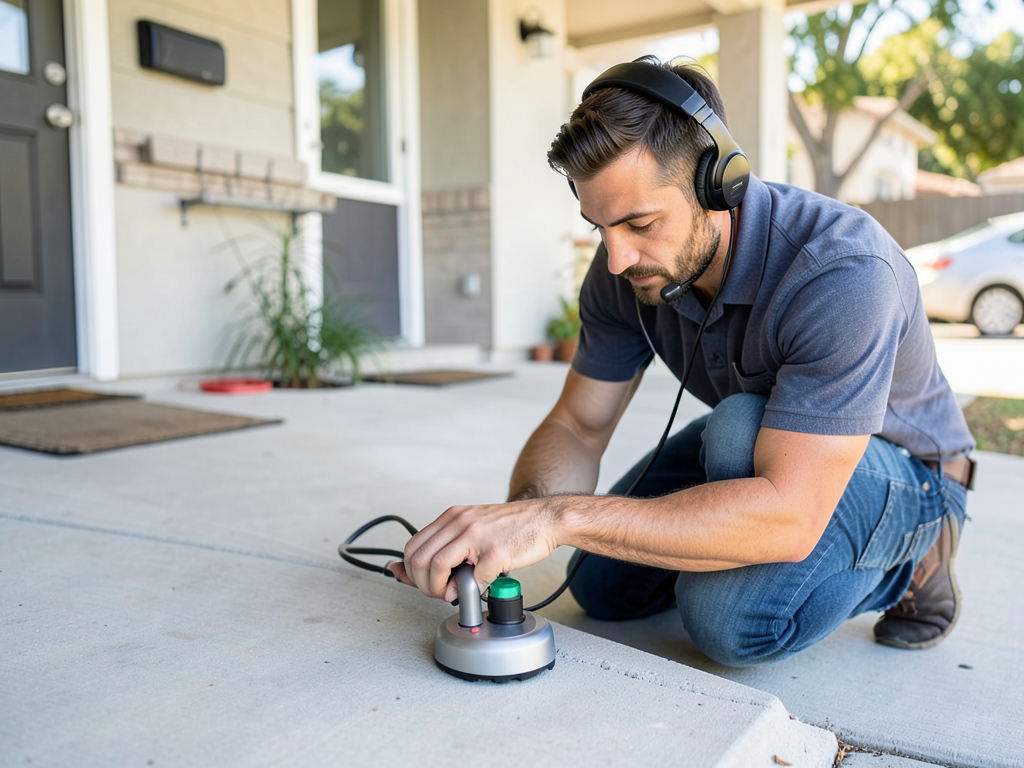
DIY slab leak repair is strongly discouraged due to the complexity and risks involved. Incorrect repairs can cause further damage, void insurance coverage, and create safety hazards. Professional technicians use specialized equipment like acoustic listening devices and thermal imaging cameras that homeowners cannot access. The California State License Board requires specific certifications for foundation work.
How do I prevent future slab leaks?
Prevention starts with understanding your home’s plumbing age and material. Homes built before 1970 likely have galvanized steel pipes prone to corrosion. Install water pressure regulators to maintain pressure below 80 PSI, as recommended by the Uniform Plumbing Code. Annual plumbing inspections can identify early warning signs before major failures occur.
What’s the difference between a slab leak and a foundation leak?
A slab leak originates from plumbing pipes within or beneath the concrete slab, while a foundation leak involves water penetrating through the foundation walls or floor due to hydrostatic pressure or poor drainage. Both can cause similar symptoms but require different repair approaches. Foundation leaks often need exterior waterproofing or French drain installation.
Immediate Steps for Los Paseos Homeowners
If you suspect a slab leak, take these immediate actions to minimize damage while waiting for professional help. First, locate your main water shut-off valve, typically found where the water line enters your home or near the water meter. Turning off the water stops additional damage but leaves you without water service.
Document all symptoms with photos and notes, including when you first noticed problems and any correlating events like recent heavy rainfall or construction nearby. This information helps technicians diagnose the issue more efficiently and may support insurance claims.
Move furniture and valuables away from suspected leak areas to prevent water damage. Place buckets under visible drips and use fans to circulate air in affected areas. Avoid walking on warm floor spots as this can indicate hot water escaping under pressure.
Check your water meter reading before shutting off the main valve. This baseline helps technicians calculate water loss and may indicate the leak’s severity. Also note the time of day when symptoms are most pronounced, as some leaks worsen with water usage patterns.
Call (408) 381-5355 immediately if you observe any of the following: water pooling around your foundation, visible mold growth, foundation cracks wider than 1/8 inch, or water meter indicating continuous flow with all fixtures off. These conditions require emergency response to prevent catastrophic damage.
Heritage Plumbing San Jose offers 24/7 emergency slab leak detection and repair throughout Los Paseos and surrounding South San Jose neighborhoods. Our technicians use state-of-the-art acoustic and thermal imaging equipment to locate leaks without unnecessary demolition. We provide upfront pricing and warranty all repairs for your peace of mind.
Don’t let a minor plumbing issue become a major disaster. The longer you wait, the more expensive the repair becomes. Contact Heritage Plumbing San Jose today to schedule your professional slab leak inspection and protect your Los Paseos home from water damage.
{
“@context”: “https://schema.org”,
“@type”: “BlogPosting”,
“headline”: “How to tell if your slab leak is a plumbing disaster or a simple fix (Advice for Los Paseos owners)”,
“description”: “Learn the warning signs of slab leaks in Los Paseos homes. Discover how to test for leaks yourself and when to call Heritage Plumbing San Jose for emergency repair.”,
“wordCount”: 1849,
“datePublished”: “2026-03-22T14:21:00.000Z”,
“dateModified”: “2026-03-22T14:21:00.000Z”,
“inLanguage”: “en-US”,
“mainEntityOfPage”: {
“@type”: “WebPage”,
“@id”: “https://heritageplumbingsanjose.com”
},
“publisher”: {
“@type”: “LocalBusiness”,
“name”: “Heritage Plumbing San Jose”,
“url”: “https://heritageplumbingsanjose.com”
},
“author”: {
“@type”: “Organization”,
“name”: “Heritage Plumbing San Jose”,
“url”: “https://heritageplumbingsanjose.com”
},
“image”: {
“@type”: “ImageObject”,
“url”: “https://heritageplumbingsanjose.com/wp-content/uploads/2026/03/how-to-tell-if-your-slab-leak-is-a-plumbing-disast-1.png”
}
}
{
“@context”: “https://schema.org”,
“@type”: “Plumber”,
“name”: “Heritage Plumbing San Jose”,
“url”: “https://heritageplumbingsanjose.com”,
“address”: {
“@type”: “PostalAddress”,
“addressLocality”: “San Jose”
},
“areaServed”: {
“@type”: “City”,
“name”: “San Jose”
}
}
{
“@context”: “https://schema.org”,
“@type”: “FAQPage”,
“mainEntity”: [
{
“@type”: “Question”,
“name”: “How long can I wait before fixing a slab leak?”,
“acceptedAnswer”: {
“@type”: “Answer”,
“text”: “Delaying slab leak repairs compounds damage exponentially. Water under your foundation can cause structural settling within 30-60 days, leading to thousands in foundation repairs. Mold growth begins within 24-48 hours of moisture exposure. The EPA recommends addressing any indoor water leak within 24-48 hours to prevent mold colonization.”
}
},
{
“@type”: “Question”,
“name”: “Will my insurance cover slab leak detection and repair?”,
“acceptedAnswer”: {
“@type”: “Answer”,
“text”: “Coverage depends on your specific policy and the leak’s cause. Sudden pipe ruptures from pressure surges or freezing typically qualify for coverage. Leaks from corrosion, soil movement, or poor maintenance are usually excluded as maintenance issues. Many policies cover water damage restoration but not the actual plumbing repair.”
}
},
{
“@type”: “Question”,
“name”: “Can I fix a slab leak myself?”,
“acceptedAnswer”: {
“@type”: “Answer”,
“text”: “DIY slab leak repair is strongly discouraged due to the complexity and risks involved. Incorrect repairs can cause further damage, void insurance coverage, and create safety hazards. Professional technicians use specialized equipment like acoustic listening devices and thermal imaging cameras that homeowners cannot access. The California State License Board requires specific certifications for foundation work.”
}
},
{
“@type”: “Question”,
“name”: “How do I prevent future slab leaks?”,
“acceptedAnswer”: {
“@type”: “Answer”,
“text”: “Prevention starts with understanding your home’s plumbing age and material. Homes built before 1970 likely have galvanized steel pipes prone to corrosion. Install water pressure regulators to maintain pressure below 80 PSI, as recommended by the Uniform Plumbing Code. Annual plumbing inspections can identify early warning signs before major failures occur.”
}
},
{
“@type”: “Question”,
“name”: “What’s the difference between a slab leak and a foundation leak?”,
“acceptedAnswer”: {
“@type”: “Answer”,
“text”: “A slab leak originates from plumbing pipes within or beneath the concrete slab, while a foundation leak involves water penetrating through the foundation walls or floor due to hydrostatic pressure or poor drainage. Both can cause similar symptoms but require different repair approaches. Foundation leaks often need exterior waterproofing or French drain installation.”
}
}
]
}
{
“@context”: “https://schema.org”,
“@type”: “BreadcrumbList”,
“itemListElement”: [
{
“@type”: “ListItem”,
“position”: 1,
“name”: “Home”,
“item”: “https://heritageplumbingsanjose.com”
},
{
“@type”: “ListItem”,
“position”: 2,
“name”: “Blog”,
“item”: “https://heritageplumbingsanjose.com/blog”
},
{
“@type”: “ListItem”,
“position”: 3,
“name”: “How to tell if your slab leak is a plumbing disaster or a simple fix (Advice for Los Paseos owners)”
}
]
}
{
“@context”: “https://schema.org”,
“@type”: “Service”,
“serviceType”: “Plumbing”,
“provider”: {
“@type”: “LocalBusiness”,
“name”: “Heritage Plumbing San Jose”,
“url”: “https://heritageplumbingsanjose.com”
},
“areaServed”: {
“@type”: “City”,
“name”: “San Jose”
},
“description”: “Learn the warning signs of slab leaks in Los Paseos homes. Discover how to test for leaks yourself and when to call Heritage Plumbing San Jose for emergency repair.”
}