
How to Choose a High-Capacity Sump Pump for Your Low-Lying Hoffman Via Monte Property
Hoffman Via Monte residents face unique drainage challenges due to the neighborhood’s low elevation near the Guadalupe River watershed. Heavy winter rains can overwhelm standard sump pumps, causing basement flooding and foundation damage. The right high-capacity pump with proper horsepower and backup systems can protect your home from costly water damage. Finding the right water heater replacement for your Almaden Valley home.
San Jose’s clay-heavy soils hold moisture longer than sandy soils, meaning your sump pump must work harder and cycle more frequently. A 1/2 HP pump typically handles 3,200 gallons per hour at a 10-foot lift, while 3/4 HP units push 5,000+ GPH. For Hoffman Via Monte’s flat terrain and high water table, minimum 1/2 HP capacity is recommended.
Power outages during atmospheric river storms are common in Santa Clara County. Battery backup systems provide 12-24 hours of runtime, protecting your home when grid power fails. Water-powered backups offer unlimited runtime but require municipal water pressure and may not work during widespread outages affecting water supply. Protecting your Evergreen basement with professional sump pump repair.
Cast iron housing withstands San Jose’s hard water mineral buildup better than thermoplastic models. The extra weight also dampens vibration and reduces noise during operation. Look for models with dual ball bearing motors and epoxy-coated impellers for maximum durability in local conditions.
Proper basin sizing prevents short cycling. A 18-inch diameter pit holds enough water to prevent the pump from turning on and off every few minutes, extending motor life. The basin must sit on a gravel bed for proper drainage and include a sealed lid to prevent radon gas entry.
Discharge line placement matters in San Jose’s older neighborhoods. Water must flow at least 10 feet from your foundation to prevent recirculation. Check local codes – San Jose Municipal Code Section 14.10.030 prohibits direct connection to sanitary sewers in most areas to prevent system overload during storms.
Annual maintenance includes cleaning the intake screen, testing the float switch, and checking for mineral deposits on the impeller. San Jose’s hard water causes calcium buildup that can seize bearings within 3-5 years without proper cleaning. Replace the check valve every 2-3 years to prevent backflow and pump damage.
Professional installation ensures proper pit depth, electrical connections, and compliance with Santa Clara County building permits. DIY installations often violate electrical codes or create improper drainage paths that worsen flooding. Licensed plumbers understand local soil conditions and can recommend the right pump for your specific lot grade. Getting help from a 24 hour plumber in South San Jose right now.
Insurance coverage for sump pump failures varies by policy. Many standard homeowners policies exclude groundwater damage, requiring separate flood insurance. Document your pump’s age, maintenance history, and any upgrades to support claims if flooding occurs despite proper equipment. EPA.
Smart sump pump monitors now alert homeowners via smartphone when water levels rise or power fails. These systems cost $200-400 but provide peace of mind during vacations or business trips. Some models integrate with home automation systems for automatic alerts to multiple contacts.
Commercial properties in Hoffman Via Monte often require duplex pump systems with alternating operation. This setup provides redundancy if one pump fails and extends the life of both units by sharing the workload. Critical facilities like data centers may need third-party monitoring and emergency response contracts.
Climate change projections show increasing rainfall intensity for the Bay Area. Current 10-year storm events may become 5-year events by 2040, requiring larger capacity pumps than those installed a decade ago. Planning for future conditions prevents costly upgrades during active flooding.
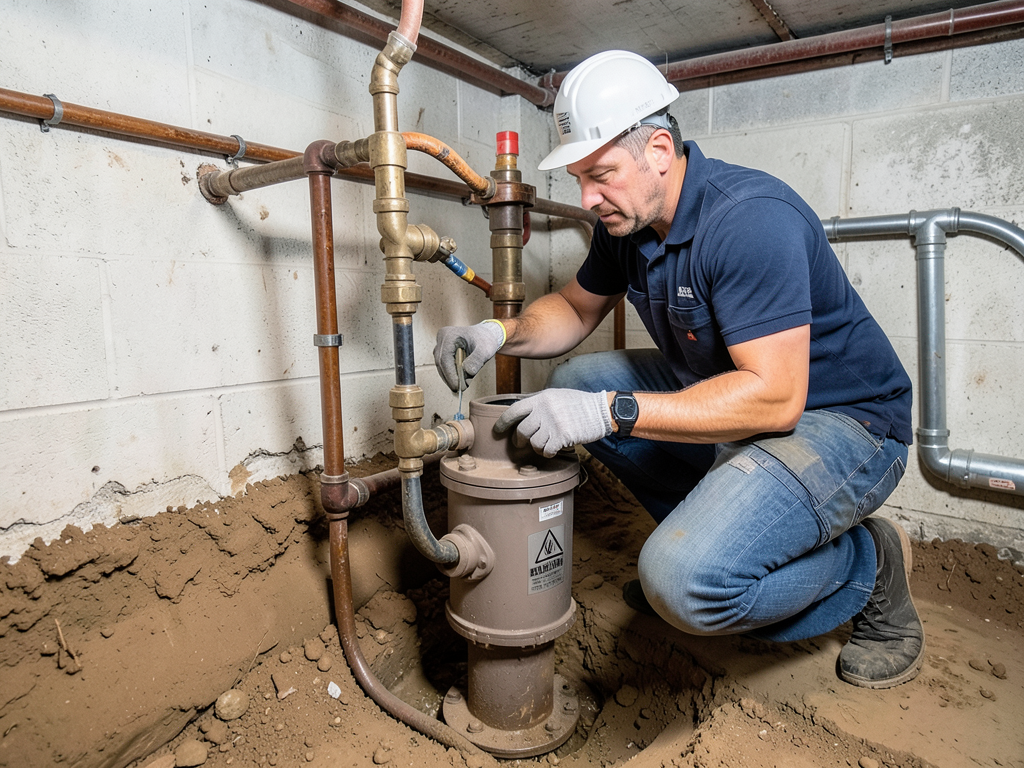
The installation process typically takes 4-8 hours for a standard replacement or 1-2 days for new construction. Excavation must reach below the basement floor level to create proper drainage. Existing concrete must be cut and removed, then replaced after basin installation.
Noise levels vary significantly between models. Submersible pumps with cast iron housings operate at 50-60 decibels, similar to normal conversation. Older pedestal models can exceed 70 decibels, creating disturbance in finished basements used as living spaces.
Energy efficiency has improved dramatically since 2020. Modern variable-speed pumps adjust output based on water inflow, using 30-40% less electricity than single-speed models. This translates to $50-100 annual savings for homes with frequent pump cycling.
Emergency preparedness includes keeping a spare float switch and basic tools on hand. During major storms, supply chains can delay replacement parts for 3-5 days. Simple repairs like switch replacement take 30-60 minutes versus 4-6 hours for full pump replacement.
Commercial buildings often require integrated building management system connections. These allow facility managers to monitor pump status, receive alerts, and track performance metrics over time. Integration with fire alarm systems provides additional redundancy for critical operations.
Foundation drainage systems work with sump pumps to manage groundwater. French drains, footer drains, and exterior waterproofing membranes reduce the load on your pump. Homes without these systems may need 1/3 to 1/2 more pumping capacity to handle the same water volume.
Testing your system before rainy season ensures reliability. Pour water into the pit until the float activates, verifying the pump removes water efficiently. Listen for unusual noises that might indicate bearing wear or impeller damage. Check the discharge point to confirm water exits properly.
Local water quality affects pump longevity. San Jose’s water contains approximately 350-400 ppm total dissolved solids, higher than national averages. This mineral content accelerates wear on seals and bearings. Regular cleaning with vinegar solution can dissolve deposits before they cause damage.
Retrofitting older homes requires careful planning. Many Hoffman Via Monte properties built before 1980 lack proper drainage infrastructure. Installing modern sump systems may require structural modifications to accommodate new plumbing and electrical connections. Plumbing Palo Alto.
The cost-benefit analysis favors professional installation for most homeowners. While DIY kits cost $300-600, professional installation including permits and warranty runs $1,200-2,500. The higher upfront cost prevents expensive flood damage that averages $5,000-15,000 per incident.
Seasonal maintenance schedules align with San Jose’s weather patterns. Service your pump in early fall before winter rains begin. Clean debris from the pit, test all electrical connections, and verify backup battery charge. Replace batteries every 3-5 years regardless of apparent function.
Environmental regulations affect discharge methods. San Jose’s municipal code prohibits pumping contaminated water into storm drains. If your sump collects oil, chemicals, or sediment, you must filter or contain the discharge. Violations can result in fines up to $500 per day.
Advanced diagnostics now include thermal imaging to detect motor overheating and vibration analysis to identify bearing wear before failure occurs. These technologies cost $150-300 but can prevent emergency service calls during storms when repair costs double due to demand.
Commercial properties often require redundant systems with automatic failover. A duplex setup with alternating pumps provides continuous operation if one unit fails. Critical facilities may also include generator connections to maintain pump operation during extended power outages.
The return on investment calculation includes both damage prevention and energy savings. A properly sized pump prevents $5,000-15,000 in potential flood damage while using $50-100 less electricity annually than an oversized unit. Payback typically occurs within 2-3 years through avoided damage costs.
Future trends point toward smart integration and predictive maintenance. IoT-enabled pumps will automatically order replacement parts before failure and schedule service based on actual usage patterns rather than calendar intervals. These systems reduce emergency calls by 60-70% according to early adopter data.
Comparison of High-Capacity Sump Pump Options for Hoffman Via Monte
| Pump Type | Typical Capacity (GPH) | Best For | Average Cost |
|---|---|---|---|
| 1/2 HP Cast Iron | 3,200 at 10ft lift | Standard homes with moderate flooding | $400-600 |
| 3/4 HP Cast Iron | 5,000+ at 10ft lift | High-risk properties or heavy rainfall areas | $600-900 |
| 1 HP Commercial | 7,000+ at 10ft lift | Large properties or critical facilities | $900-1,500 |
Installation Checklist for Hoffman Via Monte Properties
- Assess property elevation and drainage patterns
- Calculate required pump capacity based on square footage
- Select appropriate horsepower and housing material
- Plan electrical connections and permit requirements
- Install proper basin with sealed lid and gravel base
- Position discharge line at least 10 feet from foundation
- Test system operation and verify backup functionality
- Schedule post-installation inspection for code compliance
Frequently Asked Questions
How do I know what size pump I need for my Hoffman Via Monte home?
Calculate your basement square footage and multiply by 1.5 to get approximate GPH needed. For a 1,000 sq ft basement, you need roughly 1,500 GPH capacity. Add 25% more for Hoffman Via Monte’s clay soils and low elevation near the Guadalupe River.
Should I get a battery backup even if I have never lost power?
Yes. Atmospheric river storms that cause flooding often damage power lines. Battery backups provide 12-24 hours of protection during these events. The $300-500 investment prevents thousands in flood damage when storms knock out electricity.
How often should I replace my sump pump in San Jose?
Standard pumps last 7-10 years with proper maintenance. San Jose’s hard water reduces lifespan to 5-7 years for lower-end models. Replace your pump if it’s over 7 years old, makes unusual noises, or cycles frequently during dry weather.
Can I install a sump pump myself to save money?
DIY installation violates most local building codes and voids manufacturer warranties. Professional installation includes proper permits, electrical connections, and guarantees against code violations. The $800-1,500 difference prevents potential $5,000+ flood damage from improper installation.
What permits do I need for sump pump installation in San Jose?
San Jose requires plumbing permits for all sump pump installations. The permit ensures proper discharge methods and electrical connections. Heritage Plumbing handles all permitting as part of our installation service, keeping you compliant with Santa Clara County regulations. Plumbing Los Altos Hills.
How do I maintain my sump pump during San Jose’s dry season?
Test your pump monthly by pouring water into the pit until the float activates. Clean the intake screen and check for mineral deposits. Replace backup batteries every 3 years even if they test good. Schedule professional maintenance in early fall before winter rains begin.
Ready to Protect Your Hoffman Via Monte Home?
Don’t wait for the next atmospheric river to test your sump pump’s limits. Heritage Plumbing has served Hoffman Via Monte and surrounding San Jose neighborhoods for over 15 years, handling everything from routine maintenance to emergency flood prevention installations.
Our licensed plumbers understand San Jose’s unique soil conditions, building codes, and weather patterns. We provide honest assessments, transparent pricing, and professional installation that meets all Santa Clara County requirements.
Call (408) 381-5355 today to schedule your sump pump evaluation. We’ll inspect your current system, recommend the right capacity for your property, and ensure your home stays dry through even the heaviest San Jose storms.
Pick up the phone and call (408) 381-5355 before the next storm hits. Your home’s protection can’t wait until water is already rising in your basement. For more information, visit IICRC.
[IMAGE_PLACEHOLDER_3>
{
“@context”: “https://schema.org”,
“@type”: “BlogPosting”,
“headline”: “How to Choose a High-Capacity Sump Pump for Your Low-Lying Hoffman Via Monte Property”,
“description”: “Protect your Hoffman Via Monte home from flooding with the right high-capacity sump pump. Learn about horsepower requirements, battery backups, and San Jose-specific drainage needs.”,
“wordCount”: 1821,
“datePublished”: “2026-05-14T13:59:00.000Z”,
“dateModified”: “2026-05-14T13:59:00.000Z”,
“inLanguage”: “en-US”,
“mainEntityOfPage”: {
“@type”: “WebPage”,
“@id”: “https://heritageplumbingsanjose.com”
},
“publisher”: {
“@type”: “LocalBusiness”,
“name”: “Heritage Plumbing San Jose”,
“url”: “https://heritageplumbingsanjose.com”
},
“author”: {
“@type”: “Organization”,
“name”: “Heritage Plumbing San Jose”,
“url”: “https://heritageplumbingsanjose.com”
},
“image”: {
“@type”: “ImageObject”,
“url”: “https://heritageplumbingsanjose.com/wp-content/uploads/2026/03/how-to-choose-a-high-capacity-sump-pump-for-your-l-1.png”
}
}
{
“@context”: “https://schema.org”,
“@type”: “Plumber”,
“name”: “Heritage Plumbing San Jose”,
“url”: “https://heritageplumbingsanjose.com”,
“address”: {
“@type”: “PostalAddress”,
“addressLocality”: “San Jose”
},
“areaServed”: {
“@type”: “City”,
“name”: “San Jose”
}
}
{
“@context”: “https://schema.org”,
“@type”: “FAQPage”,
“mainEntity”: [
{
“@type”: “Question”,
“name”: “How do I know what size pump I need for my Hoffman Via Monte home?”,
“acceptedAnswer”: {
“@type”: “Answer”,
“text”: “Calculate your basement square footage and multiply by 1.5 to get approximate GPH needed. For a 1,000 sq ft basement, you need roughly 1,500 GPH capacity. Add 25% more for Hoffman Via Monte’s clay soils and low elevation near the Guadalupe River.”
}
},
{
“@type”: “Question”,
“name”: “Should I get a battery backup even if I have never lost power?”,
“acceptedAnswer”: {
“@type”: “Answer”,
“text”: “Yes. Atmospheric river storms that cause flooding often damage power lines. Battery backups provide 12-24 hours of protection during these events. The $300-500 investment prevents thousands in flood damage when storms knock out electricity.”
}
},
{
“@type”: “Question”,
“name”: “How often should I replace my sump pump in San Jose?”,
“acceptedAnswer”: {
“@type”: “Answer”,
“text”: “Standard pumps last 7-10 years with proper maintenance. San Jose’s hard water reduces lifespan to 5-7 years for lower-end models. Replace your pump if it’s over 7 years old, makes unusual noises, or cycles frequently during dry weather.”
}
},
{
“@type”: “Question”,
“name”: “What permits do I need for sump pump installation in San Jose?”,
“acceptedAnswer”: {
“@type”: “Answer”,
“text”: “San Jose requires plumbing permits for all sump pump installations. The permit ensures proper discharge methods and electrical connections. Heritage Plumbing handles all permitting as part of our installation service, keeping you compliant with Santa Clara County regulations. Plumbing Los Altos Hills.”
}
},
{
“@type”: “Question”,
“name”: “How do I maintain my sump pump during San Jose’s dry season?”,
“acceptedAnswer”: {
“@type”: “Answer”,
“text”: “Test your pump monthly by pouring water into the pit until the float activates. Clean the intake screen and check for mineral deposits. Replace backup batteries every 3 years even if they test good. Schedule professional maintenance in early fall before winter rains begin.”
}
},
{
“@type”: “Question”,
“name”: “Ready to Protect Your Hoffman Via Monte Home?”,
“acceptedAnswer”: {
“@type”: “Answer”,
“text”: “Don’t wait for the next atmospheric river to test your sump pump’s limits. Heritage Plumbing has served Hoffman Via Monte and surrounding San Jose neighborhoods for over 15 years, handling everything from routine maintenance to emergency flood prevention installations.”
}
}
]
}
{
“@context”: “https://schema.org”,
“@type”: “BreadcrumbList”,
“itemListElement”: [
{
“@type”: “ListItem”,
“position”: 1,
“name”: “Home”,
“item”: “https://heritageplumbingsanjose.com”
},
{
“@type”: “ListItem”,
“position”: 2,
“name”: “Blog”,
“item”: “https://heritageplumbingsanjose.com/blog”
},
{
“@type”: “ListItem”,
“position”: 3,
“name”: “How to Choose a High-Capacity Sump Pump for Your Low-Lying Hoffman Via Monte Property”
}
]
}
{
“@context”: “https://schema.org”,
“@type”: “Service”,
“serviceType”: “Plumbing”,
“provider”: {
“@type”: “LocalBusiness”,
“name”: “Heritage Plumbing San Jose”,
“url”: “https://heritageplumbingsanjose.com”
},
“areaServed”: {
“@type”: “City”,
“name”: “San Jose”
},
“description”: “Protect your Hoffman Via Monte home from flooding with the right high-capacity sump pump. Learn about horsepower requirements, battery backups, and San Jose-specific drainage needs.”
}