
Making Sense of California Earthquake Strapping Requirements for Your San Jose Water Heater
California Plumbing Code Section 507.3 requires every water heater in San Jose to be properly strapped to prevent tipping during earthquakes. This isn’t optional—it’s the law. With the San Andreas and Hayward faults running through the Bay Area, a properly secured water heater protects your home from fire, flooding, and gas leaks when the ground shakes. The strapping system must include two heavy-duty straps placed at the upper and lower thirds of the tank, anchored to wall studs with approved hardware. California Plumbing Code Section 507.3.
Why Seismic Strapping is Mandatory in San Jose
San Jose sits in one of the most seismically active regions in the country. The city’s location near major fault lines means ground movement happens regularly, from minor tremors to potentially catastrophic quakes. When a water heater tips over during shaking, it can break gas lines causing explosions, rupture water connections flooding your home, or even block escape routes during an emergency. San Jose Building Division permit requirements.
California Health and Safety Code Section 19211 specifically mandates that all water heaters be anchored or strapped to resist horizontal displacement. This requirement applies whether you’re installing a new unit or have an existing one. During home sales, inspectors check for proper strapping as part of the Point of Sale requirements. Missing or inadequate straps can delay your closing or require costly emergency repairs.
The San Jose Building Division enforces these codes strictly. When you replace a water heater, you need a permit that includes inspection of the strapping system. The city’s building inspectors verify that straps meet code requirements before signing off on the installation. This ensures every home in San Jose maintains the same safety standard.
California Plumbing Code Requirements for Water Heater Strapping
The California Plumbing Code outlines specific requirements for seismic bracing systems. Your water heater needs two straps, not one. The upper strap goes around the top third of the tank, and the lower strap goes around the bottom third. This dual-strap system provides stability from both ends of the tank. Plumbing Palo Alto.
Strap spacing matters. The upper strap must be located within the upper third of the tank height, and the lower strap within the lower third. For a typical 50-gallon tank that’s about 18-20 inches from the top and bottom. The straps need to be at least 24 inches apart to prevent rotation.
Approved strapping materials include heavy-duty metal straps or kits specifically rated for seismic applications. The straps must be at least 2 inches wide and rated to handle the weight of your water heater when full. Generic hardware store straps often fail these requirements. Look for kits labeled as meeting California Plumbing Code standards or DSA (Division of the State Architect) approved. Plumbing Los Altos Hills.
Attachment points are critical. Straps must connect directly to wall studs, not just drywall. The hardware includes lag bolts that penetrate at least 2 inches into wood framing. For concrete or masonry walls, approved expansion anchors are required. The connection must support the full weight of the tank plus water without pulling out.
Flexible connectors are part of the system. Water and gas lines need approved flexible connectors that allow movement without breaking. Rigid pipes can snap during shaking even if the tank stays in place. The connectors absorb vibration and prevent line ruptures.

Diagram showing proper two-strap placement on a 50-gallon water heater with measurements and stud connection points.
Types of Approved Seismic Strapping Kits
Commercial strapping kits fall into several categories based on your water heater type and location. Standard residential kits work for most gas and electric tanks up to 80 gallons. These include pre-formed metal straps, mounting brackets, and all necessary hardware.. Read more about How to transition your North San Jose home from gas to electric water heating.
Heavy-duty kits are available for larger commercial units or areas with higher seismic risk. These use thicker gauge steel and heavier mounting hardware. Some include additional cross-bracing for extra stability.
Specialty kits exist for tankless water heaters. While tankless units are lighter, they still need seismic bracing. These kits use different mounting methods since there’s no tank to wrap. Wall-mounted units get brackets that secure the entire assembly to multiple studs.
DIY kits from big box stores often don’t meet code requirements. The straps may be too narrow, the hardware too weak, or the instructions incomplete. Professional-grade kits specify compliance with California codes and include engineering specs.
Material quality varies significantly. Galvanized steel resists rust better than plain steel. Stainless steel costs more but lasts longer in damp areas like garages or basements. The coating quality affects long-term performance.
Installation Process and Best Practices
Proper installation starts with locating wall studs. Use a stud finder to mark stud centers, then verify with small test holes if needed. The straps need solid wood backing, not just drywall. For tanks in corners or against walls without studs, special mounting plates spread the load across multiple points.
Strap tension is critical. The straps should be snug but not so tight they deform the tank or stress the connections. Over-tightening can crack glass-lined tanks or damage fittings. Most kits specify a torque range for the mounting bolts.
Clearance requirements matter. Leave space for the temperature-pressure relief valve discharge line. Don’t block access panels or electrical connections. The straps shouldn’t interfere with the draft hood on gas heaters or the thermostat access on electric units.
Level installation prevents stress on the tank. Use shims if the floor isn’t perfectly level. An unlevel tank puts uneven pressure on the glass lining and can cause premature failure. Check level in both directions before final tightening.
Testing the installation involves checking all connections and giving the tank a firm shake. The tank should feel solid with no movement. Check that flexible connectors have enough slack to move without stress. Verify that the temperature-pressure relief valve discharge line is properly routed.
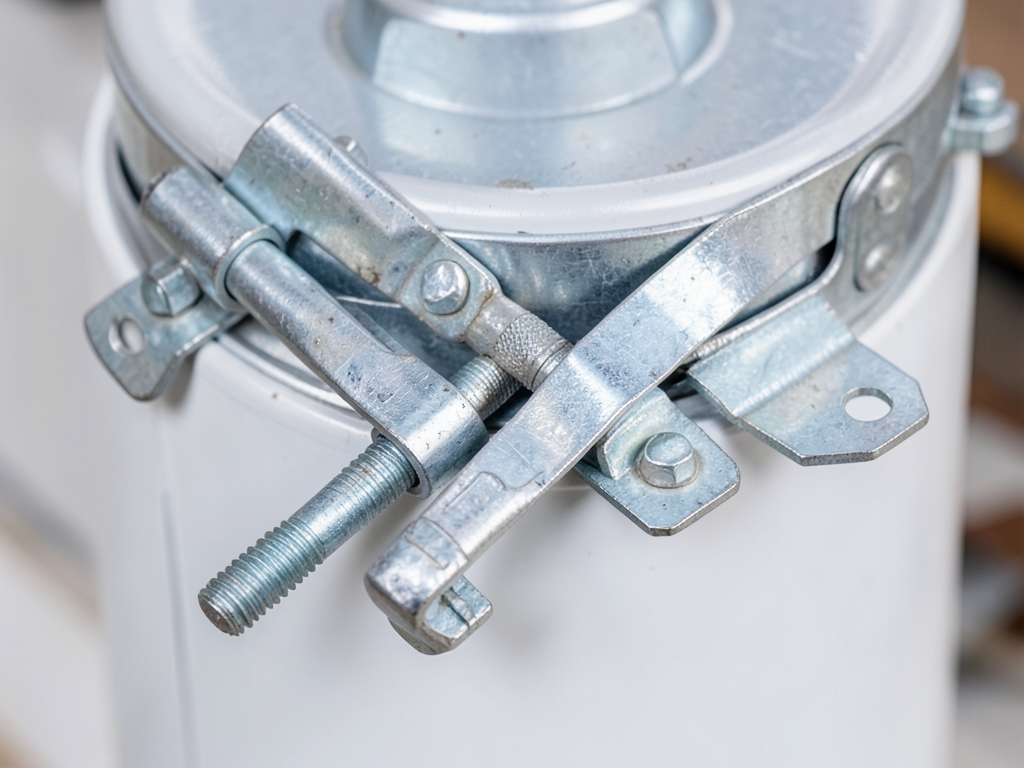
Photo of a properly installed seismic strapping system showing heavy-duty straps, stud mounting, and flexible connectors on a 50-gallon gas water heater.
San Jose Building Permits and Inspections
San Jose requires permits for water heater replacements, including strapping-only upgrades. The permit process ensures your installation meets current codes. You apply through the San Jose Building Division, either online or in person at City Hall.
Permit fees depend on the scope of work. A simple strapping upgrade costs less than a full water heater replacement. The city’s website provides current fee schedules based on project value. Most residential permits process within 24-48 hours.
Inspection requirements vary by project. For strapping upgrades on existing heaters, you typically need one final inspection. For new installations, you might need rough-in and final inspections. The inspector checks strap placement, hardware connections, and flexible connector installation.
Common inspection failures include straps placed too high or low, hardware not anchored to studs, or using non-approved materials. These failures require corrections and re-inspection, adding time and cost to your project.
DIY installations face the same inspection requirements as professional work. Many homeowners discover too late that their installation doesn’t meet code. Professional plumbers know the current requirements and typically pass inspection on the first try. Getting help from a 24 hour plumber in South San Jose right now.
Impact on Home Insurance and Real Estate Transactions
Insurance companies in California often require seismic strapping for coverage. Some policies give discounts for properly secured water heaters since they reduce risk of major claims. During claims investigations, missing straps can affect coverage decisions for earthquake-related damage.
Real estate transactions trigger strapping inspections. Buyers’ inspectors check for proper seismic bracing as part of standard home inspections. Missing straps become negotiating points or repair requirements before closing. Some lenders won’t fund loans on properties with code violations.
Natural Hazard Disclosure reports include seismic strapping status. Sellers must disclose whether water heaters meet current safety standards. Non-compliance can affect property value and marketability in earthquake-prone areas like San Jose.
Property transfer timelines often depend on strapping compliance. If inspection reveals missing straps, sellers may need emergency repairs to meet contract deadlines. This can delay closings and create additional costs.
Earthquake Gas Shut-off Valves and Integration
Seismic gas shut-off valves work with strapping systems to prevent fires. These valves automatically cut gas flow when they detect earthquake-level shaking. When combined with properly strapped water heaters, they significantly reduce fire risk.
Installation timing matters. Many homeowners add gas shut-off valves when replacing water heaters since both require permits and involve gas line work. The combined project often costs less than separate installations.
Valve locations affect system performance. The valve needs placement where it can detect building movement but remain accessible for testing and reset. Professional installers know optimal locations based on your home’s layout.
Testing procedures ensure both systems work together. Annual testing of gas shut-off valves includes checking that water heater connections remain secure. This integrated approach maintains overall system safety.
Common Mistakes and How to Avoid Them
Incorrect strap placement is the most common error. Straps that are too high, too low, or too close together won’t provide proper stability. Always measure from the top of the tank and use a level to ensure even placement.
Using wrong hardware causes failures. Drywall anchors, sheet metal screws, or plastic anchors can’t support the weight of a full water heater. Only lag bolts into wood studs or approved concrete anchors provide adequate strength.
Ignoring flexible connectors creates hidden risks. Rigid pipes may look secure but can snap during movement. Always use approved flexible connectors for both water and gas lines.
Over-tightening straps damages tanks. The straps should immobilize the tank without deforming it. Use a torque wrench if specified in the instructions, and check for gaps between the strap and tank surface.
Skipping permits leads to problems. Unpermitted work may need costly corrections during home sales or insurance claims. The small permit fee saves money compared to emergency repairs later.
Maintenance and Inspection Guidelines
Annual inspections catch problems before they become emergencies. Check strap tightness, hardware connections, and signs of rust or corrosion. Look for cracks in the tank near strap contact points.
Corrosion affects metal straps over time, especially in humid environments. White powder or rust indicates deterioration. Replace corroded hardware immediately before it fails.
Floor movement can loosen connections. If you notice the tank shifting or straps becoming loose, have the system checked. Even small movements can weaken hardware over time.
Water heater replacement provides opportunity to upgrade strapping. New tanks may have different dimensions requiring strap adjustment. Always install new straps with replacement units.
Professional inspections every few years ensure ongoing compliance. Plumbers can identify issues that homeowners miss and verify that all components meet current codes.
Before and after comparison showing a failing DIY strapping job (left) versus a professionally installed code-compliant system (right).
Frequently Asked Questions
Do I need seismic strapping for a tankless water heater?
Yes, tankless water heaters still require seismic bracing, but the method differs. Instead of wrapping straps around a tank, the entire unit gets secured to wall studs using brackets that support the heat exchanger and mounting assembly. The bracing prevents tipping and protects gas and water connections.
How much does professional seismic strapping installation cost in San Jose?
Professional installation typically costs between $150-300 for standard residential water heaters. This includes permits, materials, labor, and inspection coordination. Complex installations or larger commercial units cost more. The investment protects against potential earthquake damage costing thousands in repairs.
Can I install seismic strapping myself to save money?
While DIY installation is possible, most DIY jobs fail inspection due to code violations. Common mistakes include using wrong hardware, improper strap placement, or missing flexible connectors. Professional installation ensures compliance and often includes warranty coverage.
What happens if my water heater isn’t properly strapped during an earthquake?
An unstrapped water heater can tip over, breaking gas lines that cause explosions and fires. Water connections can rupture, flooding your home. The heavy tank can also block exits or cause injuries. Proper strapping prevents these hazards and is legally required.
How do I know if my current strapping meets California code?
California code requires two straps at the upper and lower thirds of the tank, anchored to wall studs with approved hardware. The straps must be at least 2 inches wide and rated for the tank’s weight. A professional inspection can verify compliance and identify needed upgrades.
Take Action Today for Peace of Mind Tomorrow
California earthquakes don’t follow schedules. The next big one could happen tomorrow or next year. Proper seismic strapping for your water heater isn’t just about code compliance—it’s about protecting your family, your home, and your investment from preventable damage. Protecting your Evergreen basement with professional sump pump repair.
Don’t wait for an inspection to fail or an earthquake to strike. Heritage Plumbing San Jose specializes in code-compliant seismic strapping installations throughout the South Bay. Our licensed plumbers know the exact requirements for San Jose and surrounding areas, and we handle all permitting and inspection coordination. Plumbing Mountain View.
Call (408) 381-5355 today to schedule your water heater safety inspection. We’ll check your current setup, recommend any needed upgrades, and ensure your system meets all California requirements. Whether you need simple strapping upgrades or a complete water heater replacement with proper seismic bracing, we’re ready to help.
Pick up the phone and call (408) 381-5355 before the next earthquake hits. Your family’s safety and your home’s protection are worth the call.
{
“@context”: “https://schema.org”,
“@type”: “BlogPosting”,
“headline”: “Making Sense of California Earthquake Strapping Requirements for Your San Jose Water Heater”,
“description”: “California law requires seismic strapping for water heaters in San Jose. Learn the exact code requirements, proper installation methods, and how to stay compliant with local safety standards.”,
“wordCount”: 2241,
“datePublished”: “2026-05-15T07:15:00.000Z”,
“dateModified”: “2026-05-15T07:15:00.000Z”,
“inLanguage”: “en-US”,
“mainEntityOfPage”: {
“@type”: “WebPage”,
“@id”: “https://heritageplumbingsanjose.com”
},
“publisher”: {
“@type”: “LocalBusiness”,
“name”: “Heritage Plumbing San Jose”,
“url”: “https://heritageplumbingsanjose.com”
},
“author”: {
“@type”: “Organization”,
“name”: “Heritage Plumbing San Jose”,
“url”: “https://heritageplumbingsanjose.com”
},
“image”: {
“@type”: “ImageObject”,
“url”: “https://heritageplumbingsanjose.com/wp-content/uploads/2026/03/making-sense-of-california-earthquake-strapping-re-1.png”
}
}
{
“@context”: “https://schema.org”,
“@type”: “Plumber”,
“name”: “Heritage Plumbing San Jose”,
“url”: “https://heritageplumbingsanjose.com”,
“address”: {
“@type”: “PostalAddress”,
“addressLocality”: “San Jose”
},
“areaServed”: {
“@type”: “City”,
“name”: “San Jose”
}
}
{
“@context”: “https://schema.org”,
“@type”: “FAQPage”,
“mainEntity”: [
{
“@type”: “Question”,
“name”: “Do I need seismic strapping for a tankless water heater?”,
“acceptedAnswer”: {
“@type”: “Answer”,
“text”: “Yes, tankless water heaters still require seismic bracing, but the method differs. Instead of wrapping straps around a tank, the entire unit gets secured to wall studs using brackets that support the heat exchanger and mounting assembly. The bracing prevents tipping and protects gas and water connections.”
}
},
{
“@type”: “Question”,
“name”: “How much does professional seismic strapping installation cost in San Jose?”,
“acceptedAnswer”: {
“@type”: “Answer”,
“text”: “Professional installation typically costs between $150-300 for standard residential water heaters. This includes permits, materials, labor, and inspection coordination. Complex installations or larger commercial units cost more. The investment protects against potential earthquake damage costing thousands in repairs.”
}
},
{
“@type”: “Question”,
“name”: “Can I install seismic strapping myself to save money?”,
“acceptedAnswer”: {
“@type”: “Answer”,
“text”: “While DIY installation is possible, most DIY jobs fail inspection due to code violations. Common mistakes include using wrong hardware, improper strap placement, or missing flexible connectors. Professional installation ensures compliance and often includes warranty coverage.”
}
},
{
“@type”: “Question”,
“name”: “What happens if my water heater isn’t properly strapped during an earthquake?”,
“acceptedAnswer”: {
“@type”: “Answer”,
“text”: “An unstrapped water heater can tip over, breaking gas lines that cause explosions and fires. Water connections can rupture, flooding your home. The heavy tank can also block exits or cause injuries. Proper strapping prevents these hazards and is legally required.”
}
},
{
“@type”: “Question”,
“name”: “How do I know if my current strapping meets California code?”,
“acceptedAnswer”: {
“@type”: “Answer”,
“text”: “California code requires two straps at the upper and lower thirds of the tank, anchored to wall studs with approved hardware. The straps must be at least 2 inches wide and rated for the tank’s weight. A professional inspection can verify compliance and identify needed upgrades.”
}
}
]
}
{
“@context”: “https://schema.org”,
“@type”: “BreadcrumbList”,
“itemListElement”: [
{
“@type”: “ListItem”,
“position”: 1,
“name”: “Home”,
“item”: “https://heritageplumbingsanjose.com”
},
{
“@type”: “ListItem”,
“position”: 2,
“name”: “Blog”,
“item”: “https://heritageplumbingsanjose.com/blog”
},
{
“@type”: “ListItem”,
“position”: 3,
“name”: “Making Sense of California Earthquake Strapping Requirements for Your San Jose Water Heater”
}
]
}
{
“@context”: “https://schema.org”,
“@type”: “Service”,
“serviceType”: “Plumbing”,
“provider”: {
“@type”: “LocalBusiness”,
“name”: “Heritage Plumbing San Jose”,
“url”: “https://heritageplumbingsanjose.com”
},
“areaServed”: {
“@type”: “City”,
“name”: “San Jose”
},
“description”: “California law requires seismic strapping for water heaters in San Jose. Learn the exact code requirements, proper installation methods, and how to stay compliant with local safety standards.”
}