
Why Your Second Story Bathroom Leak Might Actually Be a Hidden Toilet Flange Problem
A persistent leak in your second story bathroom can feel like a mystery. Water pooling on the floor or stains appearing on the ceiling below might make you suspect the shower or sink. But often the culprit is something you cannot see at all: a cracked or failing toilet flange. In San Jose homes, especially older ones in neighborhoods like Willow Glen or the Rose Garden, these hidden flange failures cause more water damage than most homeowners expect.. Read more about Choosing the best toilet brands to handle San Jose hard water.
The flange is the circular fitting that secures your toilet to the waste pipe and floor. When it cracks or loosens, water escapes with every flush. Because the flange sits beneath the toilet and under the wax ring seal, the leak can go unnoticed for weeks or months. By the time you spot water damage, the subfloor may already be rotting and mold may be spreading inside the ceiling below.. Read more about Comparing Phyn and Moen Flo Smart Water Shut-Off Valves for Your College Park Home.
San Jose’s combination of older housing stock and hard water creates a perfect storm for flange problems. Many homes built before the 1980s used cast iron flanges that corrode over time. The region’s mineral-heavy water accelerates this breakdown. Add in the minor shifting that happens during Bay Area earthquakes and you have a component that can fail without warning.. Read more about How to Get Paid by Valley Water to Upgrade Your San Jose Toilets.
Understanding what a failing flange looks like can save you thousands in repair costs. Look for these warning signs: a toilet that rocks slightly when you sit, a sewer gas smell near the base, water that appears only after flushing, or stains on the ceiling of the room below. If you notice any of these, it is time to investigate before the damage spreads further. EPA WaterSense Program.
Replacing a toilet flange is not a simple DIY job when you are dealing with a second story bathroom. The process involves removing the toilet, inspecting the subfloor for rot, possibly cutting into the waste pipe, and ensuring the new flange is properly sealed and secured. In San Jose, where many homes have mixed PVC and cast iron plumbing, the repair approach depends on the existing pipe material and the extent of the damage. Plumbing Palo Alto.
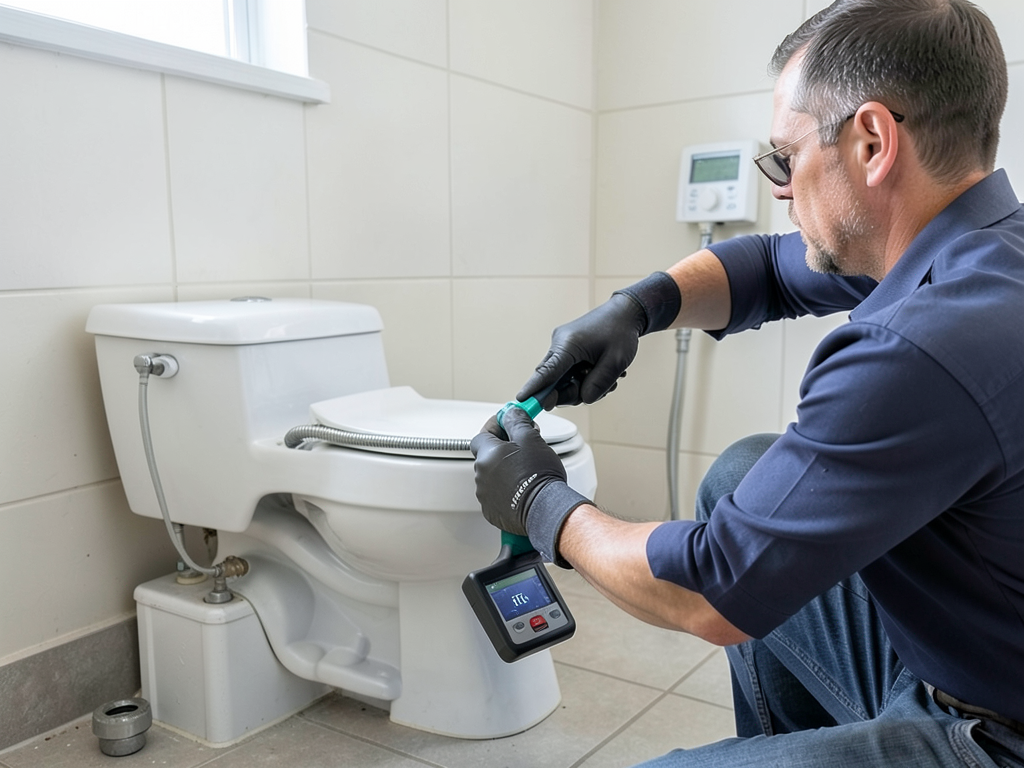
Heritage Plumbing San Jose has handled hundreds of these hidden flange failures across the South Bay. Our technicians know the specific challenges of San Jose homes, from the aging infrastructure in downtown to the newer builds in North San Jose. We use moisture meters to detect hidden water damage, inspect the full waste line for corrosion, and ensure every repair meets Santa Clara County plumbing codes. Plumbing Los Altos Hills.
If you suspect a hidden toilet flange problem in your second story bathroom, do not wait for the ceiling to collapse. Call (408) 381-5355 today to schedule a professional inspection. Early detection can mean the difference between a simple flange replacement and a major subfloor reconstruction.
Common Signs of a Failing Toilet Flange
Recognizing the symptoms of a failing toilet flange early can prevent extensive water damage. Here are the most common signs that your second story bathroom may have a hidden flange problem:
- Water pooling at the base of the toilet only after flushing
- A toilet that wobbles or rocks slightly when you sit
- Sewer gas odors near the toilet base
- Stains or bubbling on the ceiling below the bathroom
- Soft or spongy feeling when pressing on the floor around the toilet
- Mildew or mold growth on walls or ceilings near the toilet
These symptoms often appear gradually. A homeowner might notice a small amount of water and assume it is from cleaning or condensation. But if the water reappears consistently, especially after flushing, the flange is likely the source.
In San Jose’s older neighborhoods, the signs can be more subtle. Homes in areas like Naglee Park or Burbank often have original plumbing from the 1950s or earlier. In these cases, the flange may be made of cast iron that has slowly corroded over decades. The toilet may seem stable, but the flange underneath could be crumbling. Plumbing Mountain View.
Heritage Plumbing San Jose uses thermal imaging cameras to detect moisture patterns that are not visible to the naked eye. This technology helps us identify flange failures before they cause visible damage, saving homeowners from costly repairs.
Why San Jose Homes Are Vulnerable to Flange Failures
San Jose’s unique combination of climate, soil, and building history creates specific vulnerabilities for toilet flange systems. Understanding these local factors helps explain why flange problems are so common in our area.
Hard Water Effects on Plumbing Components
San Jose’s water supply contains high levels of dissolved minerals, particularly calcium and magnesium. This hard water creates several problems for toilet flanges:
- Mineral deposits build up on metal flanges, accelerating corrosion
- Scale formation can prevent proper wax ring sealing
- Hard water causes faster degradation of rubber components in older flange designs
According to the Santa Clara Valley Water District, our local water hardness averages between 15 and 25 grains per gallon, which is considered very hard. This level of mineral content significantly reduces the lifespan of plumbing components compared to areas with softer water.
Seismic Activity and Foundation Movement
The Bay Area experiences frequent minor earthquakes and ground movement. Even small tremors can affect toilet mounting systems:
- Foundation shifts can crack cast iron flanges
- Movement can loosen closet bolts that secure the toilet
- Seismic activity can break the seal between the flange and waste pipe
Heritage Plumbing San Jose installs seismic-rated flange systems in homes where we anticipate ground movement issues. These systems use flexible connections and reinforced mounting to prevent future failures.
Age of Housing Stock in San Jose
Many San Jose neighborhoods have homes that are 50 to 100 years old. These older homes often have original plumbing components that are reaching the end of their useful life:
- Cast iron flanges corrode from the inside out
- Lead closet bolts become brittle and break
- Subfloors made of older materials deteriorate faster when exposed to moisture
Neighborhoods like Willow Glen, the Rose Garden, and Naglee Park have some of the oldest housing stock in San Jose. Homeowners in these areas should be particularly vigilant about flange maintenance.
Types of Toilet Flanges Found in San Jose Homes
Different types of flanges require different repair approaches. Here is what you might find in your San Jose home:
| Flange Type | Common Locations in San Jose | Lifespan Issues | Repair Complexity |
|---|---|---|---|
| Cast Iron | Downtown San Jose, Willow Glen (pre-1980s) | Corrosion, cracking | High – often requires pipe cutting |
| PVC | North San Jose, Milpitas (newer homes) | UV degradation, cracking | Medium – simpler replacement |
| ABS | Various neighborhoods (1980s-2000s) | Brittleness, chemical degradation | Medium – standard replacement |
| Brass | High-end historic homes | Mineral buildup, warping | Medium – requires special tools |
Heritage Plumbing San Jose technicians are trained to identify and work with all these flange types. We carry specialized tools for each material, ensuring proper repair regardless of what we find.
Step-by-Step Process for Toilet Flange Replacement
When a toilet flange fails, proper replacement requires a systematic approach. Here is the process Heritage Plumbing San Jose follows for second story bathroom repairs:
- Initial Assessment and Containment
We begin by inspecting the visible damage and containing the leak to prevent further water spread. This includes placing moisture barriers and checking for electrical hazards in the room below.
- Toilet Removal
The toilet is carefully disconnected from the water supply, unbolted, and removed. We inspect the wax ring and surrounding floor for immediate damage.
- Subfloor Inspection
Using moisture meters, we check the subfloor for rot or delamination. In second story bathrooms, we often find damage that extends beyond the visible area.
- Flange Removal
The old flange is removed using appropriate methods for the material. Cast iron may require cutting tools, while PVC can often be unscrewed.
- Pipe Preparation
We clean and prepare the waste pipe for the new flange, ensuring a proper fit and seal. This may involve smoothing rough edges or applying primer.
- New Flange Installation
The new flange is installed using manufacturer specifications and local code requirements. We ensure proper height and alignment with the finished floor.
- Subfloor Repair
Any damaged subfloor is replaced with water-resistant materials. We use pressure-treated lumber and moisture-resistant underlayment.
- Final Assembly
A new wax ring or modern seal is installed, the toilet is reset, and all connections are tested for leaks.
This process typically takes 2 to 4 hours for a straightforward replacement. Complex cases involving extensive subfloor damage may require additional time and materials.
When to Call a Professional vs. DIY Repair
Understanding when a flange problem requires professional help can save you from making costly mistakes. Here is a comparison to help you decide:
| Situation | DIY Possible? | Professional Required | Risk Level |
|---|---|---|---|
| Minor wax ring replacement | Yes | No | Low |
| Cracked visible flange | Maybe | Depends on material | Medium |
| Second story bathroom leak | No | Yes | High |
| Cast iron flange replacement | No | Yes | High |
| Subfloor damage found | No | Yes | Very High |
Second story bathroom flange repairs almost always require professional expertise because of the risk of ceiling damage and the complexity of working above occupied spaces. The cost of a professional repair is typically much less than the damage from an incorrect DIY attempt.
Cost Factors for Toilet Flange Repair in San Jose
The cost of repairing a toilet flange in San Jose varies based on several factors. Here is what affects pricing in our area:
- Material Type: Cast iron replacements cost more due to specialized tools and disposal requirements
- Accessibility: Second story bathrooms may require additional equipment and time
- Damage Extent: Subfloor replacement adds significant cost
- Permit Requirements: Some San Jose repairs require permits from the city building department
- Emergency Service: After-hours calls cost more than scheduled appointments
Heritage Plumbing San Jose provides transparent pricing with no hidden fees. We explain all cost factors before beginning work and can often provide same-day service for urgent flange failures.
Preventing Future Flange Problems
After repairing a flange failure, homeowners often ask how to prevent future problems. Here are maintenance tips specific to San Jose homes:
- Install a water softener to reduce mineral buildup on plumbing components
- Check toilet stability every six months by gently rocking the bowl
- Replace wax rings every 5 to 7 years as preventive maintenance
- Have older cast iron flanges inspected during routine plumbing checkups
- Consider upgrading to modern PVC flanges when remodeling bathrooms
Heritage Plumbing San Jose offers maintenance plans that include annual flange inspections for homes with known vulnerabilities. This proactive approach can prevent the catastrophic failures that cause the most damage.
San Jose Building Code Requirements for Flange Repairs
Toilet flange repairs in San Jose must comply with local building codes. The Santa Clara County plumbing code, based on the California Plumbing Code, requires: California Plumbing Code.
- Proper flange height relative to the finished floor surface
- Approved materials for waste connections
- Secure mounting to prevent toilet movement
- Watertight connections to prevent sewer gas entry
Section 906.4 of the California Plumbing Code specifically addresses closet flange installation requirements. Heritage Plumbing San Jose ensures all repairs meet or exceed these standards, providing homeowners with compliance documentation when needed.
For second story repairs, additional considerations include protecting the ceiling below and ensuring proper drainage paths for any water that might escape during the repair process. Our technicians use containment systems to protect your home during the work. Protecting your Evergreen basement with professional sump pump repair.
Why Choose Heritage Plumbing San Jose for Flange Repairs
Heritage Plumbing San Jose brings specific advantages to toilet flange repairs:
- 15+ years of experience with San Jose’s unique plumbing challenges
- 24/7 emergency service for urgent flange failures
- Fully licensed and insured technicians familiar with local codes
- Transparent pricing with detailed estimates before work begins
- Same-day service available for most San Jose locations
We understand that a flange failure in a second story bathroom is an emergency. Water damage can spread quickly, affecting multiple levels of your home. Our rapid response team can often arrive within two hours of your call.
Heritage Plumbing San Jose serves all San Jose neighborhoods, from downtown to the suburbs. We have experience with every type of home in our area, from historic Victorians to modern developments.
Call (408) 381-5355 today to schedule your flange inspection or repair. Do not let a small leak turn into a major renovation project.
Frequently Asked Questions
How can I tell if my toilet flange is leaking?
Look for water around the toilet base after flushing, a wobbling toilet, sewer gas smells, or ceiling stains below the bathroom. A moisture meter can detect hidden leaks before visible damage appears.
How long does toilet flange replacement take?
A straightforward replacement typically takes 2 to 4 hours. Complex cases involving subfloor repair or cast iron flange removal may require 6 to 8 hours or multiple visits.
Is a leaking toilet flange an emergency?
Yes, especially in second story bathrooms. Water can damage ceilings, electrical systems, and create mold growth. Call a professional immediately if you suspect a flange leak.
How much does toilet flange repair cost in San Jose?
Costs range from $250 to $800 for standard repairs. Complex cases with subfloor damage can cost $1,500 to $3,000. Heritage Plumbing San Jose provides detailed estimates before starting work.
Can I replace a toilet flange myself?
DIY replacement is possible for simple cases on ground floors. Second story bathrooms, cast iron flanges, or cases with subfloor damage require professional expertise to prevent further damage.
What causes toilet flanges to fail?
Common causes include age, hard water corrosion, foundation movement, improper installation, and seismic activity. San Jose’s combination of old housing stock and hard water makes flange failures particularly common.
How long do toilet flanges last?
Quality flanges typically last 20 to 30 years. In San Jose, hard water and seismic activity can reduce this to 10 to 15 years for some materials, especially cast iron.
Do I need a permit for toilet flange repair?
Simple flange replacements may not require permits. However, San Jose building code requires permits for repairs involving waste line modifications or subfloor replacement. Heritage Plumbing San Jose handles all permitting requirements.
What’s the difference between a wax ring and a waxless seal?
Wax rings are traditional and work well for most applications. Waxless seals are reusable and can be easier to install, but may not work as well with older or uneven flanges.
Can a toilet flange cause a ceiling leak?
Yes, a failing flange in a second story bathroom is a common cause of ceiling leaks below. The water escapes with each flush and can travel along pipes or through the floor before appearing as a ceiling stain.
If you are experiencing any of these symptoms, do not wait for the problem to worsen. Call Heritage Plumbing San Jose at (408) 381-5355 for professional diagnosis and repair. Our experienced technicians can identify and fix flange problems quickly, preventing further damage to your home.
{
“@context”: “https://schema.org”,
“@type”: “BlogPosting”,
“headline”: “Why Your Second Story Bathroom Leak Might Actually Be a Hidden Toilet Flange Problem”,
“description”: “Second story bathroom leaks often hide toilet flange problems. Learn the signs, causes, and repair options specific to San Jose homes before water damage spreads.”,
“wordCount”: 2482,
“datePublished”: “2026-04-30T14:45:00.000Z”,
“dateModified”: “2026-04-30T14:45:00.000Z”,
“inLanguage”: “en-US”,
“mainEntityOfPage”: {
“@type”: “WebPage”,
“@id”: “https://heritageplumbingsanjose.com”
},
“publisher”: {
“@type”: “LocalBusiness”,
“name”: “Heritage Plumbing San Jose”,
“url”: “https://heritageplumbingsanjose.com”
},
“author”: {
“@type”: “Organization”,
“name”: “Heritage Plumbing San Jose”,
“url”: “https://heritageplumbingsanjose.com”
},
“image”: {
“@type”: “ImageObject”,
“url”: “https://heritageplumbingsanjose.com/wp-content/uploads/2026/03/why-your-second-story-bathroom-leak-might-actually-1.png”
}
}
{
“@context”: “https://schema.org”,
“@type”: “Plumber”,
“name”: “Heritage Plumbing San Jose”,
“url”: “https://heritageplumbingsanjose.com”,
“address”: {
“@type”: “PostalAddress”,
“addressLocality”: “San Jose”
},
“areaServed”: {
“@type”: “City”,
“name”: “San Jose”
}
}
{
“@context”: “https://schema.org”,
“@type”: “FAQPage”,
“mainEntity”: [
{
“@type”: “Question”,
“name”: “How can I tell if my toilet flange is leaking?”,
“acceptedAnswer”: {
“@type”: “Answer”,
“text”: “Look for water around the toilet base after flushing, a wobbling toilet, sewer gas smells, or ceiling stains below the bathroom. A moisture meter can detect hidden leaks before visible damage appears.”
}
},
{
“@type”: “Question”,
“name”: “How long does toilet flange replacement take?”,
“acceptedAnswer”: {
“@type”: “Answer”,
“text”: “A straightforward replacement typically takes 2 to 4 hours. Complex cases involving subfloor repair or cast iron flange removal may require 6 to 8 hours or multiple visits.”
}
},
{
“@type”: “Question”,
“name”: “Is a leaking toilet flange an emergency?”,
“acceptedAnswer”: {
“@type”: “Answer”,
“text”: “Yes, especially in second story bathrooms. Water can damage ceilings, electrical systems, and create mold growth. Call a professional immediately if you suspect a flange leak.”
}
},
{
“@type”: “Question”,
“name”: “How much does toilet flange repair cost in San Jose?”,
“acceptedAnswer”: {
“@type”: “Answer”,
“text”: “Costs range from $250 to $800 for standard repairs. Complex cases with subfloor damage can cost $1,500 to $3,000. Heritage Plumbing San Jose provides detailed estimates before starting work.”
}
},
{
“@type”: “Question”,
“name”: “Can I replace a toilet flange myself?”,
“acceptedAnswer”: {
“@type”: “Answer”,
“text”: “DIY replacement is possible for simple cases on ground floors. Second story bathrooms, cast iron flanges, or cases with subfloor damage require professional expertise to prevent further damage.”
}
},
{
“@type”: “Question”,
“name”: “What causes toilet flanges to fail?”,
“acceptedAnswer”: {
“@type”: “Answer”,
“text”: “Common causes include age, hard water corrosion, foundation movement, improper installation, and seismic activity. San Jose’s combination of old housing stock and hard water makes flange failures particularly common.”
}
},
{
“@type”: “Question”,
“name”: “How long do toilet flanges last?”,
“acceptedAnswer”: {
“@type”: “Answer”,
“text”: “Quality flanges typically last 20 to 30 years. In San Jose, hard water and seismic activity can reduce this to 10 to 15 years for some materials, especially cast iron.”
}
},
{
“@type”: “Question”,
“name”: “Do I need a permit for toilet flange repair?”,
“acceptedAnswer”: {
“@type”: “Answer”,
“text”: “Simple flange replacements may not require permits. However, San Jose building code requires permits for repairs involving waste line modifications or subfloor replacement. Heritage Plumbing San Jose handles all permitting requirements.”
}
},
{
“@type”: “Question”,
“name”: “What’s the difference between a wax ring and a waxless seal?”,
“acceptedAnswer”: {
“@type”: “Answer”,
“text”: “Wax rings are traditional and work well for most applications. Waxless seals are reusable and can be easier to install, but may not work as well with older or uneven flanges.”
}
},
{
“@type”: “Question”,
“name”: “Can a toilet flange cause a ceiling leak?”,
“acceptedAnswer”: {
“@type”: “Answer”,
“text”: “Yes, a failing flange in a second story bathroom is a common cause of ceiling leaks below. The water escapes with each flush and can travel along pipes or through the floor before appearing as a ceiling stain.”
}
}
]
}
{
“@context”: “https://schema.org”,
“@type”: “HowTo”,
“name”: “How to Replace a Toilet Flange”,
“step”: [
{
“@type”: “HowToStep”,
“position”: 1,
“name”: “Initial Assessment and Containment”,
“text”: “We begin by inspecting the visible damage and containing the leak to prevent further water spread. This includes placing moisture barriers and checking for electrical hazards in the room below.”
},
{
“@type”: “HowToStep”,
“position”: 2,
“name”: “Toilet Removal”,
“text”: “The toilet is carefully disconnected from the water supply, unbolted, and removed. We inspect the wax ring and surrounding floor for immediate damage.”
},
{
“@type”: “HowToStep”,
“position”: 3,
“name”: “Subfloor Inspection”,
“text”: “Using moisture meters, we check the subfloor for rot or delamination. In second story bathrooms, we often find damage that extends beyond the visible area.”
},
{
“@type”: “HowToStep”,
“position”: 4,
“name”: “Flange Removal”,
“text”: “The old flange is removed using appropriate methods for the material. Cast iron may require cutting tools, while PVC can often be unscrewed.”
},
{
“@type”: “HowToStep”,
“position”: 5,
“name”: “Pipe Preparation”,
“text”: “We clean and prepare the waste pipe for the new flange, ensuring a proper fit and seal. This may involve smoothing rough edges or applying primer.”
},
{
“@type”: “HowToStep”,
“position”: 6,
“name”: “New Flange Installation”,
“text”: “The new flange is installed using manufacturer specifications and local code requirements. We ensure proper height and alignment with the finished floor.”
},
{
“@type”: “HowToStep”,
“position”: 7,
“name”: “Subfloor Repair”,
“text”: “Any damaged subfloor is replaced with water-resistant materials. We use pressure-treated lumber and moisture-resistant underlayment.”
},
{
“@type”: “HowToStep”,
“position”: 8,
“name”: “Final Assembly”,
“text”: “A new wax ring or modern seal is installed, the toilet is reset, and all connections are tested for leaks.”
}
],
“image”: “https://heritageplumbingsanjose.com/wp-content/uploads/2026/03/why-your-second-story-bathroom-leak-might-actually-1.png”
}
{
“@context”: “https://schema.org”,
“@type”: “BreadcrumbList”,
“itemListElement”: [
{
“@type”: “ListItem”,
“position”: 1,
“name”: “Home”,
“item”: “https://heritageplumbingsanjose.com”
},
{
“@type”: “ListItem”,
“position”: 2,
“name”: “Blog”,
“item”: “https://heritageplumbingsanjose.com/blog”
},
{
“@type”: “ListItem”,
“position”: 3,
“name”: “Why Your Second Story Bathroom Leak Might Actually Be a Hidden Toilet Flange Problem”
}
]
}
{
“@context”: “https://schema.org”,
“@type”: “Service”,
“serviceType”: “Plumbing”,
“provider”: {
“@type”: “LocalBusiness”,
“name”: “Heritage Plumbing San Jose”,
“url”: “https://heritageplumbingsanjose.com”
},
“areaServed”: {
“@type”: “City”,
“name”: “San Jose”
},
“description”: “Second story bathroom leaks often hide toilet flange problems. Learn the signs, causes, and repair options specific to San Jose homes before water damage spreads.”
}