
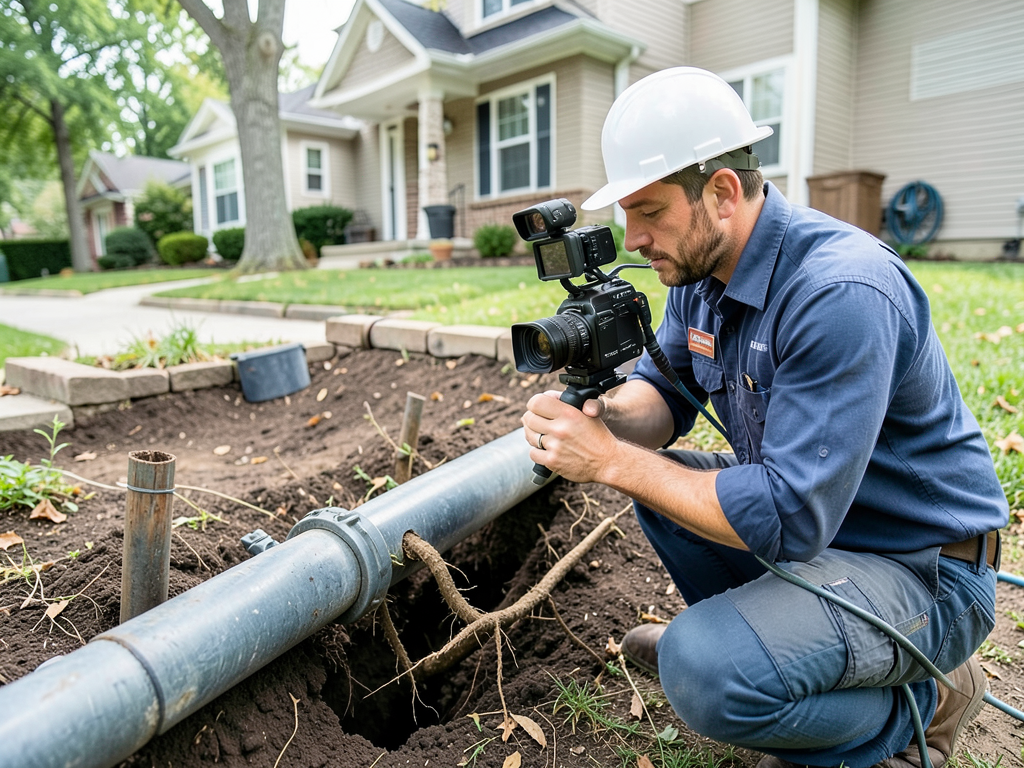
How tree roots from those beautiful Robertsville oaks can destroy your sewer line
Your Robertsville neighborhood is known for its stunning oak trees that line the streets and shade the yards. But those same majestic trees can become a homeowner’s worst nightmare when their roots invade your sewer line. Tree root intrusion is one of the most common causes of sewer line damage in San Jose, and the expansive clay soil in Robertsville makes the problem even worse.. Read more about Repairing a sewer line belly under your Sunol-Midtown property.
When roots find even the smallest crack in your sewer pipe, they grow into the opening and create a blockage that traps debris. Over time, this leads to slow drains, sewage backups, and potentially thousands of dollars in repairs. The good news is that early detection can save you from a complete sewer line replacement.
If you’re experiencing slow drains throughout your home, hearing gurgling sounds from your toilets, or noticing unusually green patches in your lawn, you might have tree roots in your sewer line. These symptoms are your plumbing system’s way of crying for help before a complete failure occurs. Plumbing Palo Alto.
The Robertsville area, with its ZIP codes 95123 and 95136, sits on expansive clay soil that shifts with moisture changes. This soil movement creates tiny gaps in older clay or Orangeburg pipes that were common in homes built before the 1980s. When combined with the aggressive root systems of local oak species, you have a perfect storm for sewer line damage.
Heritage Plumbing San Jose has been handling these exact situations throughout Robertsville for over 15 years. Our video camera inspections can pinpoint root intrusion within your sewer line, and our trenchless repair options can fix the problem without destroying your beautiful oak-lined yard. Plumbing Los Altos Hills.
The Top 5 Warning Signs of Root Intrusion
Tree roots don’t cause sudden, catastrophic damage overnight. They work slowly, giving you warning signs that something is wrong. Here are the five most common indicators that roots have invaded your sewer line:
- Slow-draining fixtures – Multiple drains in your home running slowly, especially the lowest fixtures like basement floor drains or first-floor toilets
- Gurgling sounds – Toilets making bubbling or gurgling noises when flushed, indicating air trapped by a partial blockage
- Lush green patches – Areas of your lawn that are significantly greener and grow faster than surrounding grass due to sewage fertilization
- Sewage backups – Wastewater backing up into your home, often starting with the lowest drain
- Yard depressions or sinkholes – Soft spots or actual sinkholes forming in your yard where the pipe has collapsed
If you notice any of these signs, don’t wait. A small root intrusion can quickly become a complete pipe collapse, especially in Robertsville’s clay soil that puts constant pressure on aging pipes.
Why San Jose Homes are at Risk
San Jose’s unique combination of soil conditions, tree species, and aging infrastructure creates the perfect environment for root intrusion. The Santa Clara Valley’s clay-heavy soil expands when wet and contracts when dry, putting stress on sewer pipes that can create tiny openings for roots.
Many homes in Robertsville and surrounding areas were built between the 1950s and 1970s when clay pipes and Orangeburg (bituminous fiber) pipes were common. These materials are particularly vulnerable to root intrusion because they have joints that separate over time and can develop cracks from soil movement.
The San Jose Municipal Code Section 13.08.050 requires property owners to maintain their sewer laterals from the house to the main sewer line in the street. This means you’re responsible for the entire pipe even if the damage is caused by a city tree or public property roots.
Robertsville’s proximity to the Guadalupe River and its associated groundwater table adds another layer of complexity. The high water table in this area means your sewer line is constantly under hydrostatic pressure, making it more susceptible to root intrusion and soil shifting.
Tree Species in Santa Clara County Known for Root Issues
While all trees can potentially cause root problems, some species are notorious for invading sewer lines. In Robertsville and the greater San Jose area, these are the trees you need to watch most closely:
| Tree Species | Root Behavior | Risk Level | Common Locations |
|---|---|---|---|
| Coast Live Oak (Quercus agrifolia) | Extensive shallow root system seeking moisture | High | Robertsville, Willow Glen, Almaden Valley |
| London Plane Tree (Platanus x acerifolia) | Massive root system that can lift pavement | High | Downtown San Jose, commercial areas |
| Willow (Salix species) | Extremely aggressive water-seeking roots | Very High | Near creeks, Guadalupe River corridor |
| California Sycamore (Platanus racemosa) | Large, invasive root system | High | Older San Jose neighborhoods |
| Redwood (Sequoia sempervirens) | Shallow, spreading roots needing constant moisture | High | Los Gatos, Saratoga, hillside areas |
Coast Live Oaks, which are so common in Robertsville, have root systems that can extend two to three times the height of the tree. These roots are constantly seeking water and nutrients, and your sewer line provides both in abundance.
The roots don’t actually break through intact pipes. Instead, they find existing weaknesses like loose joints, tiny cracks, or the natural separation that occurs in older pipe materials. Once inside, they grow rapidly in the nutrient-rich environment of your wastewater.
Diagnostic Steps: From DIY to Professional Camera Inspection
Before calling a professional, you can perform some basic checks to determine if you might have a root problem. However, the only way to know for sure is through a professional video camera inspection.
- Check multiple drains
Flush toilets and run water in sinks throughout your home. If multiple fixtures are slow or gurgling, the problem is likely in your main sewer line, not individual drain pipes.
- Listen for unusual sounds
Toilets that gurgle or bubble when other fixtures are used indicate air trapped by a partial blockage in the sewer line.
- Inspect your yard
Look for unusually lush, green patches that might indicate sewage fertilizing that area. Also check for soft spots or depressions.
- Check cleanout access
If you have a sewer cleanout (usually a white or black pipe with a cap in your yard), remove the cap and look for standing water or sewage, which indicates a blockage.
While these steps can give you clues, they can’t definitively diagnose root intrusion. The gold standard for diagnosis is a video camera inspection, which involves inserting a waterproof camera into your sewer line to visually inspect the entire pipe.
During a camera inspection, we can see exactly where roots have entered the pipe, how extensive the intrusion is, and whether there are any other issues like pipe collapse or severe corrosion. The camera also shows the exact location of problems using a transmitter, so we know precisely where to dig if repairs are needed.
Heritage Plumbing uses state-of-the-art camera equipment that provides high-resolution video and precise location data. We can often show you the problem on the spot and explain exactly what needs to be done to fix it. Plumbing Mountain View.
Modern Solutions for Root Removal
Once roots have invaded your sewer line, you have several options for removal and repair. The best solution depends on the extent of the damage and your long-term plans for the property.
Mechanical Snaking – This is often the first step and involves using a rotating cable with cutting blades to chop through roots. While this provides immediate relief, roots typically grow back within 6-12 months because the underlying crack or joint still exists.
Hydro-jetting – This method uses high-pressure water (up to 4,000 PSI) to blast away roots and debris. It’s more effective than snaking because it cleans the entire pipe diameter and can reach further into the line. However, like snaking, it’s usually a temporary solution for severe root intrusion.
Root Foaming Agents – These chemical treatments can kill existing roots and prevent regrowth for several years. They’re environmentally safe for your plumbing system but won’t fix structural damage to the pipe.
Trenchless Sewer Repair – For permanent solutions, trenchless methods like Cured-in-Place Pipe (CIPP) lining can seal your existing pipe from the inside without digging up your yard. A flexible liner coated with epoxy resin is inserted into the pipe, inflated, and cured to form a new, seamless pipe within the old one.
Traditional Excavation – In cases of severe damage or collapsed pipes, traditional digging may be necessary. While more disruptive, this allows for complete pipe replacement and can address other issues like bellied pipes or severe corrosion.
The cost of these solutions varies widely. Simple snaking might cost $150-300, while trenchless lining typically runs $80-120 per foot. A full replacement via excavation can cost $5,000-15,000 depending on the length of pipe and accessibility.
Heritage Plumbing provides upfront pricing and multiple options so you can choose the solution that fits your budget and long-term needs. We never recommend more work than necessary, but we also won’t suggest a temporary fix when you need a permanent solution.
San Jose Sewer Lateral Program & Permits
The City of San Jose has specific requirements for sewer lateral repairs and replacements that homeowners need to understand. The San Jose Sewer Lateral Program requires permits for any work on your sewer lateral, and inspections are mandatory for repairs over a certain cost threshold.
For homes in Robertsville, you’ll need to work with a licensed plumber who understands local permitting requirements. Heritage Plumbing handles all permitting and inspection coordination as part of our service, so you don’t have to navigate the complex city bureaucracy yourself. Getting help from a 24 hour plumber in South San Jose right now.
The city also offers a sewer lateral insurance program through the San Jose Water Company that can help offset repair costs. While this program doesn’t cover all types of damage, it’s worth checking if your property qualifies.
Additionally, if your home is in a designated historic district or has special architectural significance, there may be additional requirements for exterior work. Heritage Plumbing is familiar with all local regulations and can ensure your repairs comply with every applicable code.
Don’t let beautiful oak trees destroy your sewer line. If you’re experiencing any of the warning signs we’ve discussed, call (408) 381-5355 today to schedule your video camera inspection. Early detection can save you thousands of dollars and prevent the nightmare of a complete sewer line failure.
Heritage Plumbing San Jose is ready to help Robertsville homeowners protect their properties from tree root damage. Our experienced technicians understand the unique challenges of San Jose’s soil conditions and tree species, and we offer solutions that preserve both your plumbing system and your beautiful landscape.
Pick up the phone and call (408) 381-5355 before the next storm hits. A small investment in inspection now can prevent a major emergency later. Your Robertsville home deserves the best protection available.
Frequently Asked Questions
How can I tell if tree roots are in my sewer line?
Look for multiple slow drains, gurgling toilets, unusually green grass patches, sewage backups, and yard depressions. The only definitive way to know is through a video camera inspection that can visually confirm root intrusion.
How much does it cost to remove tree roots from a sewer line?
Costs vary widely based on the solution needed. Simple mechanical snaking costs $150-300, hydro-jetting runs $300-500, and trenchless lining typically costs $80-120 per foot. A full replacement can cost $5,000-15,000 or more.
Will cutting tree roots kill the tree?
Properly done root pruning won’t kill a healthy tree, but aggressive cutting can stress it. Professional plumbers use techniques that minimize tree damage while effectively clearing your sewer line. In some cases, tree removal might be the most cost-effective long-term solution.
How long does trenchless sewer repair last?
Quality trenchless repairs using CIPP lining typically last 50+ years, often outlasting the original pipe. The new lining is seamless and resistant to root intrusion, making it a permanent solution to recurring root problems.
Can I prevent tree roots from entering my sewer line?
Yes, prevention includes regular video inspections, using root-killing foaming agents annually, replacing vulnerable clay or Orangeburg pipes with PVC, and careful landscaping to avoid planting water-seeking trees near sewer lines.
{
“@context”: “https://schema.org”,
“@type”: “BlogPosting”,
“headline”: “How tree roots from those beautiful Robertsville oaks can destroy your sewer line”,
“description”: “Robertsville’s majestic oaks look great but can wreck your sewer line. Learn the warning signs, local tree species to watch, and trenchless repair options from San Jose experts.”,
“wordCount”: 2009,
“datePublished”: “2026-04-08T14:47:00.000Z”,
“dateModified”: “2026-04-08T14:47:00.000Z”,
“inLanguage”: “en-US”,
“mainEntityOfPage”: {
“@type”: “WebPage”,
“@id”: “https://heritageplumbingsanjose.com”
},
“publisher”: {
“@type”: “LocalBusiness”,
“name”: “Heritage Plumbing San Jose”,
“url”: “https://heritageplumbingsanjose.com”
},
“author”: {
“@type”: “Organization”,
“name”: “Heritage Plumbing San Jose”,
“url”: “https://heritageplumbingsanjose.com”
},
“image”: {
“@type”: “ImageObject”,
“url”: “https://heritageplumbingsanjose.com/wp-content/uploads/2026/03/how-tree-roots-from-those-beautiful-robertsville-o-1.png”
}
}
{
“@context”: “https://schema.org”,
“@type”: “Plumber”,
“name”: “Heritage Plumbing San Jose”,
“url”: “https://heritageplumbingsanjose.com”,
“address”: {
“@type”: “PostalAddress”,
“addressLocality”: “San Jose”
},
“areaServed”: {
“@type”: “City”,
“name”: “San Jose”
}
}
{
“@context”: “https://schema.org”,
“@type”: “FAQPage”,
“mainEntity”: [
{
“@type”: “Question”,
“name”: “How can I tell if tree roots are in my sewer line?”,
“acceptedAnswer”: {
“@type”: “Answer”,
“text”: “Look for multiple slow drains, gurgling toilets, unusually green grass patches, sewage backups, and yard depressions. The only definitive way to know is through a video camera inspection that can visually confirm root intrusion.”
}
},
{
“@type”: “Question”,
“name”: “How much does it cost to remove tree roots from a sewer line?”,
“acceptedAnswer”: {
“@type”: “Answer”,
“text”: “Costs vary widely based on the solution needed. Simple mechanical snaking costs $150-300, hydro-jetting runs $300-500, and trenchless lining typically costs $80-120 per foot. A full replacement can cost $5,000-15,000 or more.”
}
},
{
“@type”: “Question”,
“name”: “Will cutting tree roots kill the tree?”,
“acceptedAnswer”: {
“@type”: “Answer”,
“text”: “Properly done root pruning won’t kill a healthy tree, but aggressive cutting can stress it. Professional plumbers use techniques that minimize tree damage while effectively clearing your sewer line. In some cases, tree removal might be the most cost-effective long-term solution.”
}
},
{
“@type”: “Question”,
“name”: “How long does trenchless sewer repair last?”,
“acceptedAnswer”: {
“@type”: “Answer”,
“text”: “Quality trenchless repairs using CIPP lining typically last 50+ years, often outlasting the original pipe. The new lining is seamless and resistant to root intrusion, making it a permanent solution to recurring root problems.”
}
},
{
“@type”: “Question”,
“name”: “Can I prevent tree roots from entering my sewer line?”,
“acceptedAnswer”: {
“@type”: “Answer”,
“text”: “Yes, prevention includes regular video inspections, using root-killing foaming agents annually, replacing vulnerable clay or Orangeburg pipes with PVC, and careful landscaping to avoid planting water-seeking trees near sewer lines.”
}
}
]
}
{
“@context”: “https://schema.org”,
“@type”: “HowTo”,
“name”: “How to Check for Root Intrusion”,
“step”: [
{
“@type”: “HowToStep”,
“position”: 1,
“name”: “Check multiple drains”,
“text”: “Flush toilets and run water in sinks throughout your home. If multiple fixtures are slow or gurgling, the problem is likely in your main sewer line, not individual drain pipes.”
},
{
“@type”: “HowToStep”,
“position”: 2,
“name”: “Listen for unusual sounds”,
“text”: “Toilets that gurgle or bubble when other fixtures are used indicate air trapped by a partial blockage in the sewer line.”
},
{
“@type”: “HowToStep”,
“position”: 3,
“name”: “Inspect your yard”,
“text”: “Look for unusually lush, green patches that might indicate sewage fertilizing that area. Also check for soft spots or depressions.”
},
{
“@type”: “HowToStep”,
“position”: 4,
“name”: “Check cleanout access”,
“text”: “If you have a sewer cleanout (usually a white or black pipe with a cap in your yard), remove the cap and look for standing water or sewage, which indicates a blockage.”
}
],
“image”: “https://heritageplumbingsanjose.com/wp-content/uploads/2026/03/how-tree-roots-from-those-beautiful-robertsville-o-1.png”
}
{
“@context”: “https://schema.org”,
“@type”: “BreadcrumbList”,
“itemListElement”: [
{
“@type”: “ListItem”,
“position”: 1,
“name”: “Home”,
“item”: “https://heritageplumbingsanjose.com”
},
{
“@type”: “ListItem”,
“position”: 2,
“name”: “Blog”,
“item”: “https://heritageplumbingsanjose.com/blog”
},
{
“@type”: “ListItem”,
“position”: 3,
“name”: “How tree roots from those beautiful Robertsville oaks can destroy your sewer line”
}
]
}
{
“@context”: “https://schema.org”,
“@type”: “Service”,
“serviceType”: “Plumbing”,
“provider”: {
“@type”: “LocalBusiness”,
“name”: “Heritage Plumbing San Jose”,
“url”: “https://heritageplumbingsanjose.com”
},
“areaServed”: {
“@type”: “City”,
“name”: “San Jose”
},
“description”: “Robertsville’s majestic oaks look great but can wreck your sewer line. Learn the warning signs, local tree species to watch, and trenchless repair options from San Jose experts.”
}