
What to look for when hiring a plumbing contractor for Little Italy restaurant spaces
Commercial kitchens in Little Italy operate under strict health and plumbing codes. A failed system can shut your doors in hours. You need a licensed contractor who understands high-volume drainage, grease interceptors, and San Jose building compliance. This guide shows you exactly what to verify before signing a contract. Plumbing Palo Alto.
Verify California C-36 plumbing license and San Jose business registration
Every commercial plumber in Santa Clara County must carry a valid C-36 license issued by the California State License Board. Ask for the license number and confirm it at cslb.ca.gov. San Jose businesses also need a current city business license. A contractor without both may not be insured or bonded for commercial work. California State License Board.
Check experience with restaurant-specific systems
Restaurant plumbing differs from residential work. You need someone familiar with commercial-grade water heaters, high-capacity grease traps, and NSF-rated fixtures. Ask how many restaurant kitchens they have serviced in the past year. A contractor who only handles homes will not know the pressure requirements for a commercial dishwasher or the venting needs for a gas range. City of San Jose Building Division.
Confirm 24/7 emergency response capability
Kitchen floods and sewer backups do not wait for business hours. Your contractor should guarantee on-site arrival within 60 to 90 minutes for emergencies. Ask if they maintain a fleet of fully stocked service trucks and if they have technicians on call every night and weekend. A delayed response can cost thousands in spoiled food and downtime.
Understand grease trap sizing and maintenance schedules
San Jose enforces strict grease trap regulations under Santa Clara County Code Chapter 4. Grease interceptors must be sized for your kitchen’s flow rate and pumped out when they reach 25 percent capacity. A good contractor will calculate the correct size, install it to code, and set up a maintenance schedule that keeps you compliant and avoids costly overflows.. Read more about Commercial grease trap cleaning and maintenance for Little Portugal restaurants.
Review knowledge of San Jose building and health codes
Commercial plumbing in San Jose must meet California Plumbing Code, Title 24 energy efficiency rules, and Santa Clara County Environmental Health requirements. This includes proper backflow prevention, floor drain grading, and ventilation for gas appliances. A qualified contractor will pull permits, schedule inspections, and ensure every connection passes city review. Plumbing Los Altos Hills.
Ask about backflow prevention testing and certification
Restaurants require reduced pressure principle backflow preventers to protect the public water supply. These devices must be tested annually by a certified tester. Confirm your contractor holds a valid backflow tester certification and can provide documentation after each test. Skipping this step can result in fines and water service shutoffs.
Evaluate warranty and service agreement options
Commercial work should include a written warranty on parts and labor. Ask if they offer preventative maintenance agreements that cover regular drain cleaning, water heater checks, and grease trap pumping. A maintenance plan reduces emergency calls and extends the life of your equipment.
Compare pricing structures and payment terms
Request a detailed written estimate that breaks down labor, materials, and permit fees. Be wary of vague quotes or large upfront payments. Most reputable contractors ask for a deposit of no more than 10 percent before work begins. Clarify payment terms and ensure they accept commercial payment methods.
Check references and online reviews
Ask for references from other restaurant owners in Little Italy or nearby areas like Japantown and Downtown San Jose. Read reviews on Google, Yelp, and the Better Business Bureau. Look for comments about reliability, cleanliness, and communication. A pattern of late arrivals or poor cleanup is a red flag.. Read more about What you need to do immediately if you smell gas in your Japantown kitchen.
Confirm insurance coverage
Your contractor must carry general liability insurance and workers’ compensation. Request a certificate of insurance and verify the policy is active. This protects you from liability if a worker is injured on your property or if damage occurs during the job.
Assess communication and project management
Commercial plumbing often requires coordination with electricians, HVAC techs, and health inspectors. Your contractor should assign a project manager who keeps you updated on timelines, inspections, and any code-related changes. Poor communication can delay your opening or cause compliance issues. Plumbing Mountain View.
Look for proper documentation and permits
Every major plumbing job in San Jose requires a permit from the Building Division. Your contractor should handle the permit application, post the permit at the job site, and schedule required inspections. Avoid anyone who suggests skipping permits to save time or money.
Understand the scope of work before signing
A clear contract should list every fixture, pipe, and connection to be installed or repaired. It should also specify the type of materials, such as copper vs. PEX, and any demolition or patching required. Vague language leaves room for unexpected costs.
Confirm cleanup and final inspection procedures
Commercial work should leave your kitchen ready for use. Confirm that the contractor will remove debris, test all fixtures, and walk you through the system before final payment. They should also provide as-built drawings for future reference.
Compare multiple quotes but weigh more than price
Gathering three to five estimates helps you understand market rates. However, the lowest bid may cut corners on materials or skip code compliance. Focus on value: experience, responsiveness, and a strong warranty often outweigh a small price difference.
Look for signs of ongoing training and certification
Plumbing codes and equipment change often. A contractor who invests in continuing education and manufacturer certifications is more likely to recommend the best products and methods. Ask if their team attends industry seminars or holds certifications from groups like PHCC or IAPMO.
Ask about water conservation and efficiency options
California has strict water use regulations. A knowledgeable contractor can suggest low-flow fixtures, high-efficiency water heaters, and leak detection systems that reduce your utility bills and keep you compliant with local conservation rules.
Verify familiarity with Little Italy’s building stock
Many buildings in the Little Italy district date to the mid-20th century. Older plumbing may include galvanized steel or lead joints that require special handling. A contractor experienced in this area will know how to work with aging infrastructure without causing collateral damage.
Confirm ability to handle specialty gas lines
Commercial kitchens often use natural gas for ranges, fryers, and boilers. Gas line work must meet strict safety codes and may require a separate C-36 gas fitter endorsement. Verify your contractor is qualified to design, install, and pressure-test gas systems.
Evaluate fleet and equipment readiness
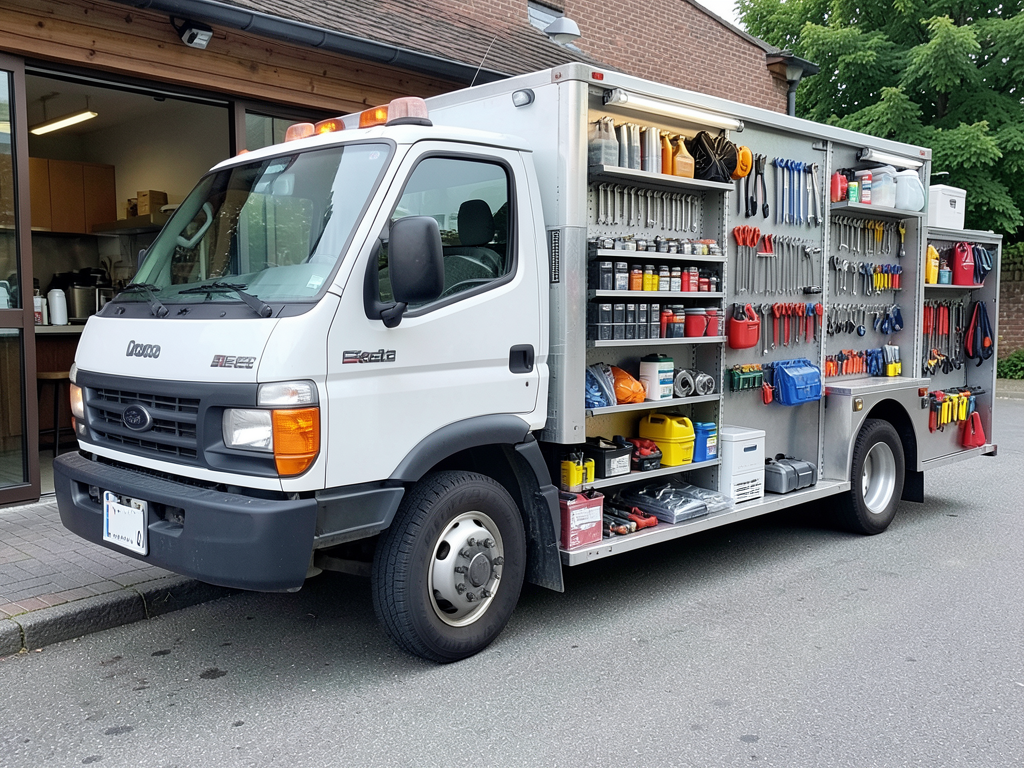
Image: A fully stocked service truck parked outside a restaurant kitchen entrance, showing racks of tools, replacement parts, and safety equipment ready for immediate deployment.
A contractor with a well-equipped fleet can handle most repairs on the first visit. Ask if they carry common commercial parts like commercial faucet cartridges, gas valves, and backflow preventers. Lack of inventory can lead to delays and multiple service calls.
Understand the timeline for larger projects
Tenant improvements or major remodels can take weeks. Your contractor should provide a realistic schedule that includes demolition, rough-in, inspection, and finish work. Delays in plumbing can stall other trades and push back your opening date.
Check for environmental compliance knowledge
San Jose requires proper disposal of old fixtures, pipes, and chemicals. A responsible contractor will recycle materials when possible and dispose of hazardous waste according to EPA and local rules. This keeps you compliant and reduces environmental impact.
Assess willingness to provide a written guarantee
A confident contractor will guarantee their work in writing. This should cover both the installation and any follow-up needed if something fails within the warranty period. Avoid anyone who refuses to put terms in writing.
Confirm familiarity with ADA requirements
If your restaurant remodel includes public restrooms, the contractor must follow ADA guidelines for sink heights, faucet operation, and clear floor space. Non-compliance can result in fines and required rework.
Ask about integration with other systems
Modern kitchens often connect plumbing to building management systems for leak detection and water usage monitoring. A forward-thinking contractor can integrate these technologies during installation, saving you from costly retrofits later.
Look for transparency in change orders
Unexpected issues often arise once work begins. Your contractor should have a clear process for documenting and pricing change orders. This prevents disputes and keeps the project on track.
Evaluate long-term partnership potential
Finding a reliable plumber for one job is good. Building a relationship with a contractor who understands your kitchen’s quirks and history is better. Ask if they offer priority service or discounted rates for repeat clients. Finding and fixing hidden pipe leaks in Cambrian Park houses.
Confirm ability to work within health department timelines
Health inspections often occur before you can open. Your contractor should schedule final plumbing inspections to align with your health department walkthrough. Delays here can postpone your launch.
Understand the impact of weather on scheduling
San Jose’s rainy season can affect outdoor work like gas line installation or sewer connections. A good contractor will monitor forecasts and adjust schedules to avoid weather-related delays.
Check for knowledge of local water quality issues
Silicon Valley water can be hard, with high mineral content that affects fixtures and water heaters. A contractor familiar with local conditions can recommend scale prevention systems and fixtures that resist buildup.
Confirm ability to handle cross-connection control
Cross-connections between potable and non-potable water lines can contaminate your supply. Your contractor should design systems that prevent backflow and meet all local cross-connection control requirements.
Ask about noise and disruption mitigation
Plumbing work can be loud and messy. If you operate while repairs happen, ask how the contractor will minimize noise, contain dust, and keep your kitchen functional during off-hours.
Evaluate their problem-solving approach
Every commercial job has surprises. Ask how they handle unexpected issues like hidden leaks, code violations, or equipment failures. A contractor who thinks on their feet and communicates solutions clearly is invaluable.
Confirm familiarity with local suppliers and parts availability
A contractor with strong relationships to local suppliers can source parts faster and often at better prices. This reduces downtime if a specialty fixture fails.
Look for a clean, professional appearance
Technicians should wear uniforms, use floor protection, and clean up after themselves. This shows respect for your property and attention to detail.
Understand the process for final sign-off
Before final payment, walk through the completed work with your contractor. Test every fixture, check for leaks, and confirm all permits are closed. This final inspection protects you from paying for incomplete or defective work.
Ask about future-proofing recommendations
A good contractor will suggest upgrades that prepare your kitchen for growth, such as larger gas lines for future equipment or additional drain capacity for expanded seating.
Confirm ability to provide as-built documentation
After the job, request updated plumbing plans that show all new lines, fixtures, and connections. These documents are essential for future maintenance, renovations, or property sales.
Evaluate their commitment to safety
Commercial plumbing involves heavy equipment, gas lines, and confined spaces. Ask about their safety protocols, training, and compliance with OSHA standards. A strong safety record protects both workers and your business.
Check for knowledge of energy efficiency incentives
Some water heaters, boilers, and fixtures qualify for rebates or tax incentives. A contractor who knows these programs can help you save money and improve your bottom line.
Confirm ability to work with your architect or designer
If you have plans from an architect or kitchen designer, your contractor should review them for plumbing feasibility and suggest improvements before construction begins.
Ask about disposal of old equipment
Replacing old water heaters, grease traps, or pipes generates waste. Confirm your contractor will handle removal and disposal in compliance with local regulations.
Look for a strong online presence
A professional website, active social media, and accurate business listings signal a credible contractor. Avoid anyone with no online footprint or inconsistent contact information.
Confirm ability to provide a detailed scope of work
Before starting, your contractor should provide a written scope that lists every task, material, and deadline. This document becomes the basis for your agreement and prevents misunderstandings.
Evaluate their flexibility with scheduling
Restaurant remodels often require work during off-hours or weekends. Ask if the contractor can accommodate your timeline and if they charge extra for night or holiday work.
Check for knowledge of local water pressure issues
San Jose’s water pressure can vary by neighborhood. A contractor familiar with local conditions will design systems that maintain consistent pressure even during peak usage.
Confirm ability to handle emergency shut-off procedures
Every kitchen needs a clear plan for shutting off water, gas, and electricity in an emergency. Your contractor should label valves and provide instructions to your staff.
Ask about integration with fire suppression systems
Commercial kitchens require fire suppression systems that connect to gas and electrical shut-offs. Your contractor should coordinate with fire safety experts to ensure proper integration.
Look for a commitment to ongoing education
Plumbing codes, equipment, and best practices evolve. A contractor who invests in training and certification stays current and provides better service.
Confirm ability to provide a final walkthrough
Before closing the job, your contractor should walk you through the completed work, explain maintenance needs, and answer any questions. This ensures you understand your new system and how to keep it running smoothly.
Ask about their process for handling complaints
Even the best contractors make mistakes. Ask how they handle complaints or warranty claims. A clear, fair process shows professionalism and commitment to customer satisfaction.
Confirm ability to work within your budget
A good contractor will help you prioritize upgrades and suggest cost-saving alternatives without sacrificing quality or code compliance.
Evaluate their overall attitude and communication style
You will work closely with your contractor throughout the project. Choose someone who listens, explains clearly, and treats you with respect.
Final checklist before hiring
- Valid C-36 license and San Jose business license
- Proof of insurance and workers’ compensation
- References from other restaurant owners
- Written estimate with detailed scope
- Clear warranty and service agreement
- Ability to pull permits and schedule inspections
- 24/7 emergency response guarantee
Choosing the right plumbing contractor protects your investment and keeps your Little Italy restaurant running smoothly. Take the time to verify credentials, check references, and ask the right questions. The effort you invest now can save you thousands in repairs, fines, and lost business later. Finding the right water heater replacement for your Almaden Valley home.
Call (408) 381-5355 today to schedule your inspection. Heritage Plumbing San Jose has served Little Italy restaurants for over 15 years. We carry all required licenses, offer 24/7 emergency service, and guarantee our work in writing. Do not wait until a small leak becomes a kitchen shutdown.
Frequently Asked Questions
How do I verify a plumber’s license in San Jose?
Visit cslb.ca.gov and enter the contractor’s license number. Confirm the license is active, in good standing, and matches the business name. Also check for a current San Jose business license.
What is the average response time for commercial plumbing emergencies?
Most reputable contractors guarantee arrival within 60 to 90 minutes for emergencies. Ask for this commitment in writing before signing any agreement.
Do I need a permit for restaurant plumbing work in San Jose?
Yes. Any new installation, major repair, or alteration requires a permit from the San Jose Building Division. Your contractor should handle the permit process and schedule required inspections.
How often should a restaurant grease trap be pumped?
Pump the trap when it reaches 25 percent capacity or at least every 30 to 90 days, depending on kitchen volume. Your contractor can set a schedule based on your specific usage.
What insurance should a commercial plumber carry?
They must have general liability insurance and workers’ compensation. Request a certificate of insurance and verify the policy is active before work begins.
Can I save money by skipping permits?
No. Unpermitted work can result in fines, failed inspections, and required rework. It also voids warranties and may complicate future property sales.
What should be included in a plumbing warranty?
A good warranty covers parts and labor for at least one year. It should specify what is covered, the claim process, and any exclusions. Get it in writing.
How do I handle a plumbing emergency during business hours?
Shut off the water supply to the affected area, contain any water with towels or buckets, and call your contractor immediately. Have their emergency number posted in the kitchen.
What are the signs of a reputable commercial plumber?
Valid licenses, strong references, clear communication, written estimates, and a professional appearance. They should also offer 24/7 emergency service and a solid warranty.
How can I prevent future plumbing problems in my restaurant?
Schedule regular maintenance, train staff on proper disposal practices, and address small issues before they become emergencies. A preventative maintenance agreement can help.
What should I do if my contractor refuses to pull permits?
Find another contractor. Skipping permits is illegal and puts you at risk for fines, failed inspections, and unsafe installations.
How do I know if my grease trap is the right size?
Your contractor should calculate the size based on your kitchen’s flow rate and number of fixtures. Undersized traps cause backups and code violations.
What is the cost difference between copper and PEX piping?
PEX is usually less expensive and easier to install, but copper lasts longer and handles higher temperatures. Your contractor can recommend the best option for your needs.
Can I use residential fixtures in a commercial kitchen?
No. Commercial kitchens require NSF-rated fixtures designed for high-volume use. Residential fixtures may fail quickly and violate health codes.
What should I do if I smell gas in my kitchen?
Evacuate the area, shut off the main gas valve if safe, and call your gas company or emergency services immediately. Do not operate any electrical switches or open flames.
{
“@context”: “https://schema.org”,
“@type”: “BlogPosting”,
“headline”: “What to look for when hiring a plumbing contractor for Little Italy restaurant spaces”,
“description”: “Find the right commercial plumber for your Little Italy restaurant. Learn what to verify before hiring for grease traps, code compliance, and emergency service.”,
“wordCount”: 2967,
“datePublished”: “2026-03-26T13:11:00.000Z”,
“dateModified”: “2026-03-26T13:11:00.000Z”,
“inLanguage”: “en-US”,
“mainEntityOfPage”: {
“@type”: “WebPage”,
“@id”: “https://heritageplumbingsanjose.com”
},
“publisher”: {
“@type”: “LocalBusiness”,
“name”: “Heritage Plumbing San Jose”,
“url”: “https://heritageplumbingsanjose.com”
},
“author”: {
“@type”: “Organization”,
“name”: “Heritage Plumbing San Jose”,
“url”: “https://heritageplumbingsanjose.com”
},
“image”: {
“@type”: “ImageObject”,
“url”: “https://heritageplumbingsanjose.com/wp-content/uploads/2026/03/what-to-look-for-when-hiring-a-plumbing-contractor-1.png”
}
}
{
“@context”: “https://schema.org”,
“@type”: “Plumber”,
“name”: “Heritage Plumbing San Jose”,
“url”: “https://heritageplumbingsanjose.com”,
“address”: {
“@type”: “PostalAddress”,
“addressLocality”: “San Jose”
},
“areaServed”: {
“@type”: “City”,
“name”: “San Jose”
}
}
{
“@context”: “https://schema.org”,
“@type”: “FAQPage”,
“mainEntity”: [
{
“@type”: “Question”,
“name”: “How do I verify a plumber’s license in San Jose?”,
“acceptedAnswer”: {
“@type”: “Answer”,
“text”: “Visit cslb.ca.gov and enter the contractor’s license number. Confirm the license is active, in good standing, and matches the business name. Also check for a current San Jose business license.”
}
},
{
“@type”: “Question”,
“name”: “What is the average response time for commercial plumbing emergencies?”,
“acceptedAnswer”: {
“@type”: “Answer”,
“text”: “Most reputable contractors guarantee arrival within 60 to 90 minutes for emergencies. Ask for this commitment in writing before signing any agreement.”
}
},
{
“@type”: “Question”,
“name”: “Do I need a permit for restaurant plumbing work in San Jose?”,
“acceptedAnswer”: {
“@type”: “Answer”,
“text”: “Yes. Any new installation, major repair, or alteration requires a permit from the San Jose Building Division. Your contractor should handle the permit process and schedule required inspections.”
}
},
{
“@type”: “Question”,
“name”: “How often should a restaurant grease trap be pumped?”,
“acceptedAnswer”: {
“@type”: “Answer”,
“text”: “Pump the trap when it reaches 25 percent capacity or at least every 30 to 90 days, depending on kitchen volume. Your contractor can set a schedule based on your specific usage.”
}
},
{
“@type”: “Question”,
“name”: “What insurance should a commercial plumber carry?”,
“acceptedAnswer”: {
“@type”: “Answer”,
“text”: “They must have general liability insurance and workers’ compensation. Request a certificate of insurance and verify the policy is active before work begins.”
}
},
{
“@type”: “Question”,
“name”: “Can I save money by skipping permits?”,
“acceptedAnswer”: {
“@type”: “Answer”,
“text”: “No. Unpermitted work can result in fines, failed inspections, and required rework. It also voids warranties and may complicate future property sales.”
}
},
{
“@type”: “Question”,
“name”: “What should be included in a plumbing warranty?”,
“acceptedAnswer”: {
“@type”: “Answer”,
“text”: “A good warranty covers parts and labor for at least one year. It should specify what is covered, the claim process, and any exclusions. Get it in writing.”
}
},
{
“@type”: “Question”,
“name”: “How do I handle a plumbing emergency during business hours?”,
“acceptedAnswer”: {
“@type”: “Answer”,
“text”: “Shut off the water supply to the affected area, contain any water with towels or buckets, and call your contractor immediately. Have their emergency number posted in the kitchen.”
}
},
{
“@type”: “Question”,
“name”: “What are the signs of a reputable commercial plumber?”,
“acceptedAnswer”: {
“@type”: “Answer”,
“text”: “Valid licenses, strong references, clear communication, written estimates, and a professional appearance. They should also offer 24/7 emergency service and a solid warranty.”
}
},
{
“@type”: “Question”,
“name”: “How can I prevent future plumbing problems in my restaurant?”,
“acceptedAnswer”: {
“@type”: “Answer”,
“text”: “Schedule regular maintenance, train staff on proper disposal practices, and address small issues before they become emergencies. A preventative maintenance agreement can help.”
}
},
{
“@type”: “Question”,
“name”: “What should I do if my contractor refuses to pull permits?”,
“acceptedAnswer”: {
“@type”: “Answer”,
“text”: “Find another contractor. Skipping permits is illegal and puts you at risk for fines, failed inspections, and unsafe installations.”
}
},
{
“@type”: “Question”,
“name”: “How do I know if my grease trap is the right size?”,
“acceptedAnswer”: {
“@type”: “Answer”,
“text”: “Your contractor should calculate the size based on your kitchen’s flow rate and number of fixtures. Undersized traps cause backups and code violations.”
}
},
{
“@type”: “Question”,
“name”: “What is the cost difference between copper and PEX piping?”,
“acceptedAnswer”: {
“@type”: “Answer”,
“text”: “PEX is usually less expensive and easier to install, but copper lasts longer and handles higher temperatures. Your contractor can recommend the best option for your needs.”
}
},
{
“@type”: “Question”,
“name”: “Can I use residential fixtures in a commercial kitchen?”,
“acceptedAnswer”: {
“@type”: “Answer”,
“text”: “No. Commercial kitchens require NSF-rated fixtures designed for high-volume use. Residential fixtures may fail quickly and violate health codes.”
}
},
{
“@type”: “Question”,
“name”: “What should I do if I smell gas in my kitchen?”,
“acceptedAnswer”: {
“@type”: “Answer”,
“text”: “Evacuate the area, shut off the main gas valve if safe, and call your gas company or emergency services immediately. Do not operate any electrical switches or open flames.”
}
}
]
}
{
“@context”: “https://schema.org”,
“@type”: “BreadcrumbList”,
“itemListElement”: [
{
“@type”: “ListItem”,
“position”: 1,
“name”: “Home”,
“item”: “https://heritageplumbingsanjose.com”
},
{
“@type”: “ListItem”,
“position”: 2,
“name”: “Blog”,
“item”: “https://heritageplumbingsanjose.com/blog”
},
{
“@type”: “ListItem”,
“position”: 3,
“name”: “What to look for when hiring a plumbing contractor for Little Italy restaurant spaces”
}
]
}
{
“@context”: “https://schema.org”,
“@type”: “Service”,
“serviceType”: “Plumbing”,
“provider”: {
“@type”: “LocalBusiness”,
“name”: “Heritage Plumbing San Jose”,
“url”: “https://heritageplumbingsanjose.com”
},
“areaServed”: {
“@type”: “City”,
“name”: “San Jose”
},
“description”: “Find the right commercial plumber for your Little Italy restaurant. Learn what to verify before hiring for grease traps, code compliance, and emergency service.”
}