
Buying a home in West Valley is an exciting milestone, but hidden sewer line problems can turn your dream into a costly nightmare. A sewer camera inspection reveals what’s happening beneath your future property before you sign on the dotted line. This specialized plumbing service uses a waterproof camera to inspect your sewer lateral for cracks, root intrusion, and other issues that a standard home inspection simply cannot detect. Plumbing Palo Alto.
Most West Valley homes were built between the 1950s and 1990s, and many still have their original clay or cast iron sewer pipes. These materials deteriorate over time, especially in San Jose’s expansive clay soils that shift with seasonal moisture changes. A sewer camera inspection costs between $250 and $500 but can save you thousands in unexpected repairs after closing. EPA sewer system information.
The inspection process is quick and non-invasive. A licensed plumber feeds a high-resolution camera through your sewer line to record video footage of the entire pipe. They look for blockages, broken sections, offset joints, and signs of root intrusion from nearby trees. You receive a detailed report with video clips and recommendations for any necessary repairs. Getting help from a 24 hour plumber in South San Jose right now.
During escrow, this inspection report becomes a powerful negotiation tool. If the camera reveals significant damage, you can request repairs from the seller or negotiate a price reduction to cover future fixes. Some buyers even walk away from deals when major sewer issues surface. The 17-day inspection contingency in California real estate contracts gives you enough time to schedule and complete this critical assessment.
West Valley’s mature neighborhoods like Cambrian Park and Almaden Valley have particularly high rates of sewer line problems due to aging infrastructure and mature tree root systems. Local plumbers report that nearly 30% of pre-purchase sewer inspections in these areas reveal at least minor issues requiring attention. Don’t let an undiscovered sewer problem become your financial burden after moving in.
Why a Standard Home Inspection Isn’t Enough for Your Sewer Line
Standard home inspectors check visible plumbing fixtures but cannot assess what’s happening inside buried sewer pipes. They might flush toilets or run water through drains, but these basic tests miss serious underground problems. A sewer camera inspection provides the only reliable way to see inside your sewer lateral from the house to the street connection.. Read more about Why your Naglee Park toilets keep running and how to choose a more efficient replacement.
San Jose Municipal Code requires property owners to maintain their sewer laterals, but this responsibility often falls on new homeowners who had no idea about existing problems. The city’s combined sewer system in older West Valley neighborhoods means your lateral connects to pipes that handle both wastewater and stormwater. Any cracks or breaks in your line can cause sewage backups during heavy rains. San Jose Public Works sewer information.
Professional sewer inspections follow NASSCO (National Association of Sewer Service Companies) PACP (Pipeline Assessment Certification Program) standards. This ensures consistent reporting and grading of pipe conditions. Your inspector should provide a video file and written report showing pipe material, diameter, length, and any defects found. The report includes recommendations for repairs if needed.
Time is critical during the home buying process. Most escrow periods in West Valley last 30 to 45 days, with the first 17 days reserved for inspections. Scheduling your sewer camera inspection early in this window ensures you have time to review results and negotiate with sellers if problems arise. Many reputable plumbing companies offer same-day service to accommodate tight timelines.. Read more about Managing plumbing for an ADU or backyard cottage project in Moreland.
The cost of skipping this inspection can be staggering. Trenchless sewer repairs in San Jose typically range from $3,000 to $8,000, while traditional excavation can cost $10,000 or more. Compare this to the $250 to $500 inspection fee, and the value becomes clear. One major repair could cost you ten times the inspection price.
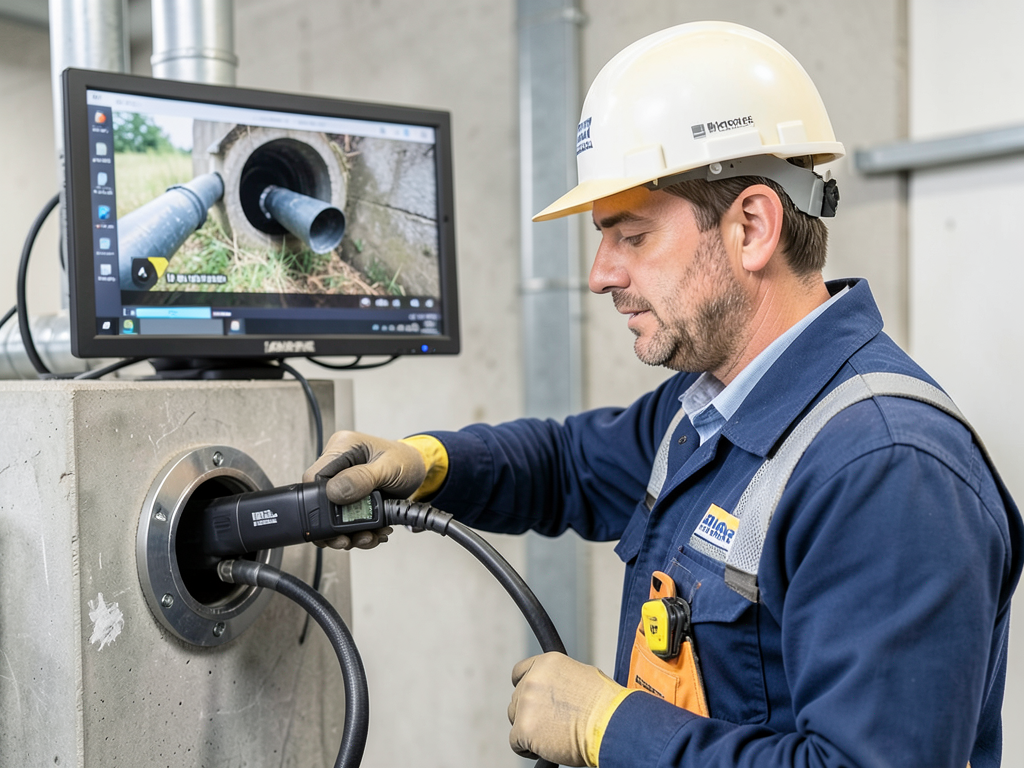
Image Description: Technician inserting a sewer camera cable into a cleanout fitting while wearing protective gear, showing the camera monitor displaying live pipe footage in the background.
Common Sewer Pipe Issues Found in San Jose Real Estate (Clay, Cast Iron, and Orangeburg)
West Valley homes built before 1980 likely have one of three pipe materials: clay, cast iron, or the problematic Orangeburg. Clay pipes, common in homes from the 1950s through 1970s, connect in short sections that shift and separate over decades. These separations create perfect entry points for tree roots and allow soil to erode beneath the pipe.
Cast iron pipes, used from the 1930s through 1970s, resist root intrusion but corrode from the inside out. The corrosion creates weak spots that eventually collapse. You cannot see this internal deterioration without a camera inspection. Many West Valley homes have cast iron pipes that look fine externally but are paper-thin internally.
Orangeburg pipe, used from the 1940s through 1970s, is a fiber conduit made from wood pulp and tar. It’s the worst offender for West Valley homeowners. This material deforms under pressure, deteriorates when wet, and attracts root growth. Any home with Orangeburg pipes needs complete replacement, not repairs.. Read more about A homeowners guide to hydro jetting vs snaking for stubborn Coyote area roots.
Tree root intrusion causes the most common sewer line failures in West Valley. The area’s mature oaks, pines, and ornamental trees send roots seeking moisture through tiny pipe cracks. Once inside, roots grow rapidly, catching debris and creating stubborn blockages. A camera inspection clearly shows these root masses as fuzzy white growths inside the pipe. Getting rid of stubborn drain clogs in Berryessa for good.
Pipe bellies form when soil beneath the sewer line settles or erodes, creating low spots where waste collects. These bellies cause recurring clogs and eventual pipe failure. San Jose’s expansive clay soils expand when wet and contract when dry, accelerating belly formation in older pipes. A camera inspection reveals these low spots as U-shaped dips in the normally straight pipe.. Read more about Signs your older North San Jose home still has lead or galvanized pipes.
Offset joints occur when pipe sections separate vertically or horizontally. These offsets catch solid waste and create blockages. They also allow sewage to escape into surrounding soil, potentially causing sinkholes or foundation damage. Camera inspections measure these offsets in inches, helping plumbers determine if repair or replacement is necessary.. Read more about Why your Alum Rock home smells like sewage and where it’s coming from.
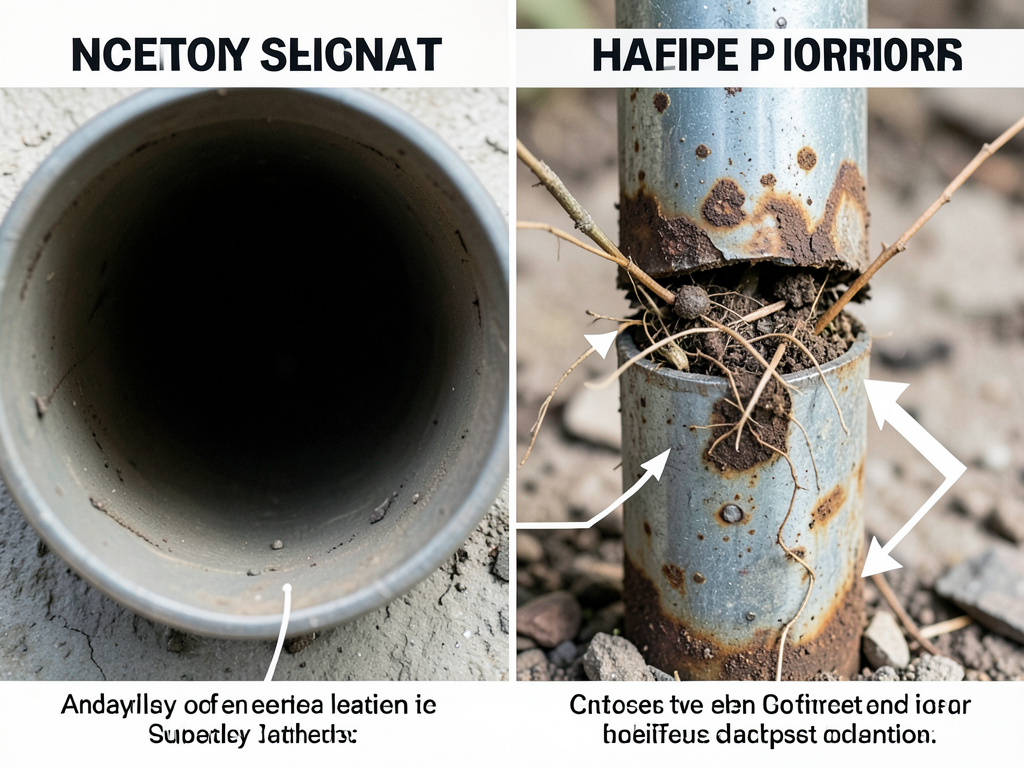
Image Description: Split-screen comparison showing a healthy sewer pipe interior versus a damaged pipe with visible root intrusion, offset joints, and corrosion, with callout arrows identifying each problem type.
The Sewer Inspection Process: What We Look For
The inspection begins with locating your sewer cleanout, typically a 3- or 4-inch pipe extending from the ground near your house. If no cleanout exists, the plumber may need to pull a toilet or access the main line through the roof vent. This adds time and cost but remains necessary for a complete inspection.
Once access is established, the technician feeds a self-leveling camera head through the pipe. The camera transmits live video to a monitor, allowing real-time assessment of pipe conditions. The camera head also carries a sonde transmitter that communicates with a surface receiver, recording the pipe’s depth and location at any trouble spots.
During the inspection, the camera travels the entire length of your sewer lateral, typically 50 to 100 feet from house to street connection. The technician watches for cracks, holes, roots, debris, and any irregularities in pipe wall thickness. They measure any offsets or sags and note the pipe material and size at various points.
Modern sewer cameras record high-definition video and capture still images of problem areas. Your final report includes the video file, written findings, and recommendations. The report uses standardized grading systems to classify defects, making it easier to understand the severity of any issues found. You receive documentation you can share with real estate agents or contractors. Finding and fixing hidden pipe leaks in Cambrian Park houses.
Hydro-jetting often accompanies camera inspections when significant buildup or roots are present. This high-pressure water cleaning clears the pipe before inspection, ensuring the camera sees the true pipe condition. It also provides immediate improvement in drainage while you decide on permanent repairs. Many companies bundle these services for a complete diagnostic solution.. Read more about The real difference between DIY drain cleaners and professional methods in Piedmont Hills.
The entire inspection typically takes one to two hours, depending on access difficulty and pipe length. You can watch the inspection process and ask questions as the technician works. This transparency helps you understand exactly what’s happening beneath your property and why certain repairs might be recommended.
Image Description: Technician operating a sewer camera system with a laptop displaying pipe inspection software, showing pipe mapping, defect coding, and measurement data in real-time.
How to Use an Inspection Report During Escrow Negotiations
Your sewer inspection report becomes a critical document during the contingency removal period. California Association of Realtors (CAR) forms specifically address repair requests based on inspection findings. You can submit a request for the seller to repair identified issues, offer a credit at closing, or reduce the purchase price to cover future repairs. Finding the right water heater replacement for your Almaden Valley home.
Major defects like collapsed pipes or severe root intrusion justify significant price reductions or repair demands. For example, a $5,000 trenchless repair might warrant a $7,000 price reduction to account for your inconvenience and potential additional issues. Minor problems like small offsets might only justify a $500 to $1,000 credit.
Timing matters when presenting findings to sellers. Submit your repair request during the formal contingency period outlined in your purchase agreement. This gives sellers legal obligation to respond before you must decide whether to proceed with the purchase. Missing this window could leave you responsible for all repairs after closing.
Consider the age and condition of other home systems when evaluating sewer repair requests. A 60-year-old home with original plumbing might have multiple aging systems nearing end of life. In these cases, a larger price reduction might make more sense than asking for specific repairs, giving you flexibility to address all aging systems systematically.
Document everything in writing through your real estate agent. Email trails and formal repair request forms create paper trails that protect your interests. If sellers refuse reasonable repair requests, you can withdraw your offer during the contingency period without penalty. This leverage only exists if you complete inspections on time.
Some sellers pre-empt inspection issues by providing recent sewer reports or offering sewer warranties. While helpful, always get your own independent inspection. Previous reports might miss current problems, and warranties often exclude common issues or expire quickly. Your due diligence protects your investment for years to come.
Costs of Sewer Camera Inspections in Santa Clara County
Sewer camera inspection costs in West Valley range from $250 to $500 for standard residential properties. Several factors affect pricing. Homes without cleanouts require additional access work, adding $100 to $200. Longer sewer laterals over 100 feet may incur small per-foot charges beyond the base rate.
Bundle pricing often provides better value. Companies frequently combine camera inspections with hydro-jetting for $400 to $600 total. This combination ensures clear pipes for accurate camera assessment while solving immediate drainage problems. Some companies offer discounts when scheduling during off-peak seasons or for multiple properties in the same area.
Commercial properties and larger homes with complex plumbing systems pay more, typically $500 to $800. These inspections might require multiple access points or specialized equipment for larger pipe diameters. The additional cost provides comprehensive assessment of all sewer branches serving the property.
Emergency or rush inspections cost more but provide critical service during tight escrow timelines. Same-day service might add $100 to $200 to standard rates. Some companies charge premium rates for weekend or evening appointments when buyers and sellers need immediate answers to proceed with transactions.
Payment expectations vary by company. Most require payment at service time, though some real estate agents arrange for sellers to cover inspection costs as part of the transaction. Check with your agent about local customs and who typically pays for buyer-initiated inspections in your area.
Consider the return on investment rather than just the sticker price. A $300 inspection that reveals a $6,000 problem saves you money and provides negotiation leverage. Conversely, a clean report gives you confidence to proceed with your purchase, potentially worth thousands in peace of mind alone.
Schedule Your Same-Day Inspection in San Jose
Don’t wait until the last minute to schedule your sewer camera inspection. Most reputable plumbing companies in West Valley book several days in advance, and delays could jeopardize your contingency timeline. Start calling inspectors as soon as your offer is accepted to secure your preferred appointment time.
Look for licensed contractors with specific experience in sewer lateral inspections. Ask about their equipment quality, reporting standards, and whether they provide video documentation. Companies using older or low-quality cameras might miss critical defects. Request sample reports to understand what information you’ll receive and how it’s presented.
Verify that your inspector carries proper insurance and holds current plumbing licenses. In California, sewer work requires a C-36 plumbing license. Ask for license numbers and verify them through the California State License Board website. This protects you from unqualified operators who might miss serious problems or cause damage during inspection.
Prepare your property before the inspection. Locate and clear access to your sewer cleanout. Remove any plants, decorations, or debris blocking the area. If you cannot find the cleanout, inform the inspector in advance so they bring appropriate tools for alternative access methods. This preparation saves time and reduces costs.
During the inspection, accompany the technician if possible. Ask questions about what you’re seeing on the monitor and what different pipe conditions indicate. Understanding the findings firsthand helps you make informed decisions about repair negotiations or whether to proceed with the purchase at all.
After receiving your report, review it thoroughly with your real estate agent. They can help interpret findings and determine appropriate next steps. If repairs are needed, get multiple quotes from qualified contractors. Repair costs vary significantly between companies, and you want accurate information for negotiations.
Call (408) 381-5355 today to schedule your sewer camera inspection before your contingency period expires. Our licensed technicians provide same-day service throughout West Valley, complete with detailed video reports and expert recommendations. Don’t let hidden sewer problems derail your home purchase or cost you thousands after closing.
Frequently Asked Questions
How long does a sewer camera inspection take?
A standard residential sewer camera inspection typically takes 60 to 90 minutes. The actual camera run through the pipe usually takes 20 to 30 minutes, with additional time needed for setup, accessing the cleanout, and reviewing findings with you. Complex properties or those without cleanouts may require up to two hours.. Read more about Why your Evergreen sump pump is making those strange noises and what they mean.
What if the inspection reveals problems?
If the camera reveals issues, you have several options during escrow. You can request repairs from the seller, negotiate a price reduction to cover future repairs, ask for a closing credit, or walk away from the deal if problems are severe. Your real estate agent can help determine the best approach based on your findings.
Can I use any plumber for a sewer inspection?
You should use a licensed plumber with specific experience in sewer lateral inspections. Look for contractors familiar with NASSCO standards and who provide video documentation. Ask about their equipment quality and request sample reports. Using an experienced professional ensures accurate findings and proper documentation for real estate transactions.
{
“@context”: “https://schema.org”,
“@type”: “BlogPosting”,
“headline”: “Getting a sewer camera inspection before you buy a new house in West Valley”,
“description”: “Protect your investment with a sewer camera inspection in West Valley. Discover common pipe issues in San Jose homes and how to use findings during escrow negotiations.”,
“wordCount”: 2523,
“datePublished”: “2026-03-11T13:26:00.000Z”,
“dateModified”: “2026-03-11T13:26:00.000Z”,
“inLanguage”: “en-US”,
“mainEntityOfPage”: {
“@type”: “WebPage”,
“@id”: “https://heritageplumbingsanjose.com”
},
“publisher”: {
“@type”: “LocalBusiness”,
“name”: “Heritage Plumbing San Jose”,
“url”: “https://heritageplumbingsanjose.com”
},
“author”: {
“@type”: “Organization”,
“name”: “Heritage Plumbing San Jose”,
“url”: “https://heritageplumbingsanjose.com”
},
“image”: {
“@type”: “ImageObject”,
“url”: “https://heritageplumbingsanjose.com/wp-content/uploads/2026/03/getting-a-sewer-camera-inspection-before-you-buy-a-1.png”
}
}
{
“@context”: “https://schema.org”,
“@type”: “Plumber”,
“name”: “Heritage Plumbing San Jose”,
“url”: “https://heritageplumbingsanjose.com”,
“address”: {
“@type”: “PostalAddress”,
“addressLocality”: “San Jose”
},
“areaServed”: {
“@type”: “City”,
“name”: “San Jose”
}
}
{
“@context”: “https://schema.org”,
“@type”: “FAQPage”,
“mainEntity”: [
{
“@type”: “Question”,
“name”: “How long does a sewer camera inspection take?”,
“acceptedAnswer”: {
“@type”: “Answer”,
“text”: “A standard residential sewer camera inspection typically takes 60 to 90 minutes. The actual camera run through the pipe usually takes 20 to 30 minutes, with additional time needed for setup, accessing the cleanout, and reviewing findings with you. Complex properties or those without cleanouts may require up to two hours.”
}
},
{
“@type”: “Question”,
“name”: “What if the inspection reveals problems?”,
“acceptedAnswer”: {
“@type”: “Answer”,
“text”: “If the camera reveals issues, you have several options during escrow. You can request repairs from the seller, negotiate a price reduction to cover future repairs, ask for a closing credit, or walk away from the deal if problems are severe. Your real estate agent can help determine the best approach based on your findings.”
}
},
{
“@type”: “Question”,
“name”: “Can I use any plumber for a sewer inspection?”,
“acceptedAnswer”: {
“@type”: “Answer”,
“text”: “You should use a licensed plumber with specific experience in sewer lateral inspections. Look for contractors familiar with NASSCO standards and who provide video documentation. Ask about their equipment quality and request sample reports. Using an experienced professional ensures accurate findings and proper documentation for real estate transactions.”
}
}
]
}
{
“@context”: “https://schema.org”,
“@type”: “BreadcrumbList”,
“itemListElement”: [
{
“@type”: “ListItem”,
“position”: 1,
“name”: “Home”,
“item”: “https://heritageplumbingsanjose.com”
},
{
“@type”: “ListItem”,
“position”: 2,
“name”: “Blog”,
“item”: “https://heritageplumbingsanjose.com/blog”
},
{
“@type”: “ListItem”,
“position”: 3,
“name”: “Getting a sewer camera inspection before you buy a new house in West Valley”
}
]
}
{
“@context”: “https://schema.org”,
“@type”: “Service”,
“serviceType”: “Plumbing”,
“provider”: {
“@type”: “LocalBusiness”,
“name”: “Heritage Plumbing San Jose”,
“url”: “https://heritageplumbingsanjose.com”
},
“areaServed”: {
“@type”: “City”,
“name”: “San Jose”
},
“description”: “Protect your investment with a sewer camera inspection in West Valley. Discover common pipe issues in San Jose homes and how to use findings during escrow negotiations.”
}